Whether a Bullmastiff Needs Glucosamine From Two
It’s a common worry for any Bullmastiff owner, isn't it? We look at our magnificent, heavy dogs, especially as they're barreling past their puppy stage, and we can't help but think about their joints. You’ve likely heard discussions about starting glucosamine, perhaps even specifically "from two years old." This guide will delve into whether that’s truly necessary, what glucosamine and similar supplements actually do, and how to best support your Bullmastiff’s joint health throughout their life.
The Realities of Joint Health in a Bullmastiff
Owning a Bullmastiff means accepting certain responsibilities that come with their impressive size and powerful build. Their very presence demands respect, and their skeletal structure, while robust, is also under immense strain. This is why joint health is such a cornerstone of their long-term well-being.
Why Big Dogs Like Bullmastiffs Face Unique Joint Challenges
Think about the sheer weight and power your Bullmastiff carries. A male Bullmastiff can easily weigh over 120 pounds, and some even push 150. Every step, every jump, every playful tumble puts stress on their joints. Unlike smaller dogs, where a few extra pounds might not make a huge difference, for a giant breed, even minor issues can quickly escalate. Their joints, particularly the hips, elbows, and shoulders, bear the brunt of this considerable load daily. This constant pressure can lead to accelerated wear and tear on the cartilage, the smooth, elastic tissue that cushions the ends of bones within a joint. When this cartilage starts to degrade, bones rub against each other, leading to inflammation, pain, and eventually, conditions like osteoarthritis.
We see this often in many giant breeds; they aren't built for endurance running or high-impact agility, but rather for strength and deliberate movement. Their physiology, while stunning, also makes them inherently more susceptible to joint problems simply because there's more of them to support. It’s not a question of if, but often when, joint issues might start to manifest to some degree, even with the best care. This isn't to say your dog will suffer, but rather that proactive care is incredibly important.
The Role of Genetics and Growth in Joint Development
Beyond just their size, genetics play a monumental role in a Bullmastiff’s joint health. Conditions like Hip Dysplasia in a Bullmastiff and Elbow Dysplasia in a Bullmastiff are unfortunately common in the breed, and they are largely hereditary. These conditions aren't just about wear and tear; they involve abnormal development of the joint itself. For instance, hip dysplasia means the ball and socket of the hip joint don't fit together properly, leading to looseness and eventual arthritis. Elbow dysplasia is a complex condition involving multiple possible developmental abnormalities in the elbow joint.
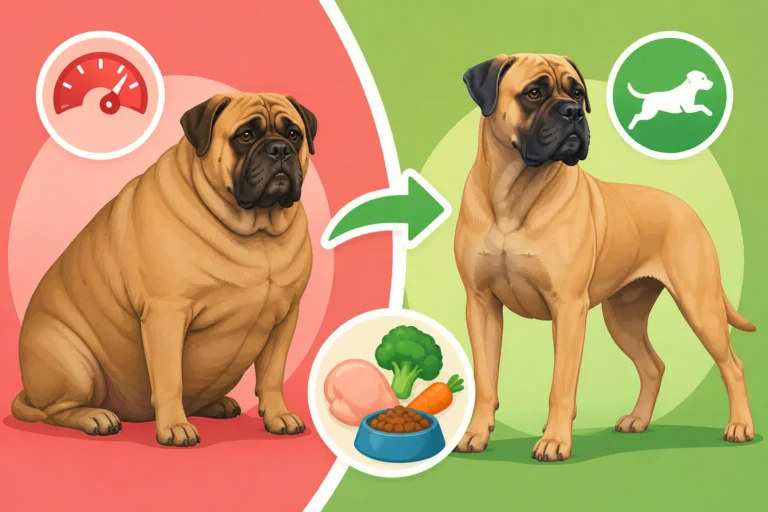
A responsible breeder should be performing health screenings, such as OFA or PennHIP evaluations for hips and elbows, on their breeding dogs. These certifications help minimize the risk of passing on these debilitating conditions. Even with excellent genetics, how a Bullmastiff puppy grows can profoundly impact their joints. Too rapid growth or excessive weight during puppyhood puts undue stress on developing bones and cartilage, predisposing them to problems later. This is why feeding a high-quality, large-breed puppy food that promotes slow, steady growth is crucial, and why controlling their weight from day one is paramount. Remember, Keeping a Bullmastiff Lean Is the Best Thing You Can Do for their long-term health, especially their joints.
Understanding Glucosamine and Chondroitin for Canine Joints
When we talk about supporting joint health, glucosamine and chondroitin are often the first names that come up. They're widely available and have become staples in the world of canine supplements.
What These Supplements Do for Cartilage
At their core, glucosamine and chondroitin are natural compounds found in healthy cartilage. Think of cartilage as the shock absorber and smooth gliding surface within your dog's joints.
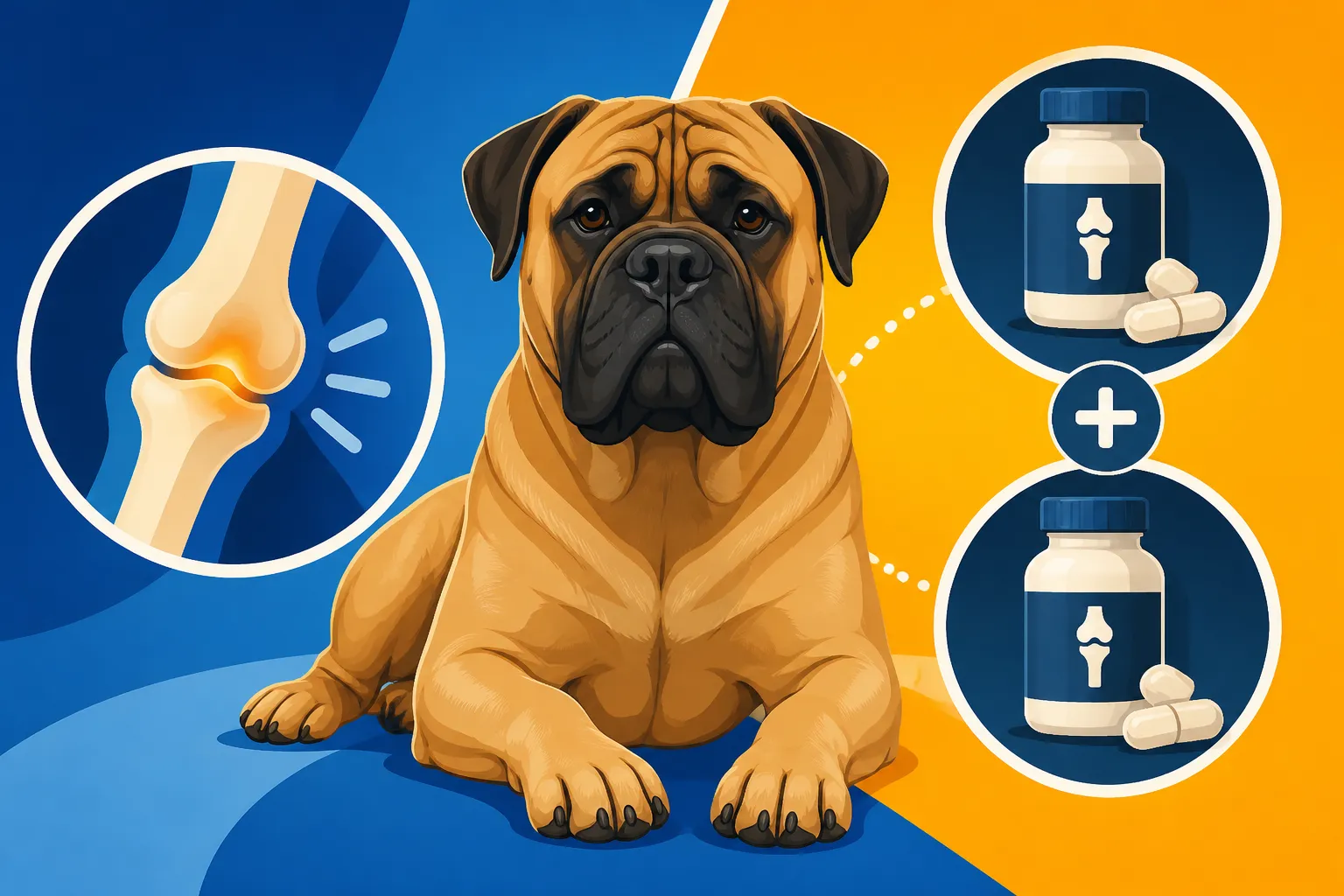
- Glucosamine: This is an amino sugar that plays a vital role in building and repairing cartilage. It's considered a building block for glycosaminoglycans (GAGs), which are major components of cartilage. The idea is that by supplementing glucosamine, you provide the body with the raw materials it needs to either maintain healthy cartilage or to repair damaged cartilage. It's believed to help stimulate the production of new cartilage and joint fluid, which can improve lubrication and reduce friction within the joint.
- Chondroitin: Often paired with glucosamine, chondroitin sulfate is another natural component of cartilage. It's thought to help maintain the structural integrity of cartilage by attracting and holding water, which gives cartilage its spongy, shock-absorbing properties. It may also inhibit enzymes that break down cartilage, thus slowing the progression of damage. Some studies suggest it can also have mild anti-inflammatory effects.
Together, the theory is that these supplements work synergistically to support cartilage health, reduce inflammation, and improve joint function. They are not pain relievers in the immediate sense, like NSAIDs; rather, they are aimed at modifying the disease process and supporting the joint structure over time. For dogs showing early signs of stiffness or discomfort, or for those with known predispositions to joint issues, these supplements aim to slow down the degeneration and improve comfort.
The "Two-Year" Mark: Why the Recommendation for Early Supplementation?
The idea of starting glucosamine "from two years old" for a Bullmastiff is a common guideline, and it stems from a logical place, though it's not a hard-and-fast rule. By the time a Bullmastiff reaches approximately two years of age, they are generally considered skeletally mature. Their growth plates have typically closed, and their bones have reached their adult length and density. This marks the end of their rapid growth phase, which is a period of intense skeletal development.
For a Bullmastiff, who matures more slowly than many other breeds, this two-year mark often signifies when their body is no longer focused primarily on building new bone and tissue at a rapid pace, but rather on maintaining what's already there. It's also around this age that some of the subtle signs of wear and tear, or the genetic predispositions to conditions like dysplasia, might begin to become more noticeable, even if only subtly. Owners might observe a slight stiffness after rest, a reluctance to jump, or a change in gait.
However, it's crucial to understand that this isn't a magical age. For some Bullmastiffs, particularly those from lines with a history of early-onset joint issues or those who experienced a very rapid puppy growth, starting joint support even earlier, perhaps around 12-18 months, might be beneficial. Conversely, a Bullmastiff with impeccable genetics, a lean body condition, and no signs of discomfort might not need supplementation at exactly two years, and could start later, if at all. The key is ongoing observation and, most importantly, veterinary consultation. Your vet can assess your dog's specific needs, breed predispositions, and lifestyle to give you the most tailored advice. Don't simply wait for two years if you notice signs of discomfort earlier.
Making the Decision: When and How to Introduce Joint Support
Deciding when and how to introduce joint supplements for your Bullmastiff can feel overwhelming with all the options out there. It's not a one-size-fits-all answer, but rather a decision based on observation, veterinary advice, and smart choices.
Signs Your Bullmastiff Might Benefit from Glucosamine
Your Bullmastiff is a master at hiding pain. Their stoic nature, bred into them over generations, means they often won't vocalize discomfort until it's quite advanced. This makes it critical for you, as their owner, to be vigilant and observant. Here are some subtle (and not-so-subtle) signs that your Bullmastiff might benefit from joint support:
- Subtle Stiffness: Do they seem a little stiff when they first get up after a nap or in the morning? Does it take them a few steps to "warm up" before moving more freely?
- Reluctance to Jump or Climb: Are they hesitant to jump into the car, onto the couch (if allowed), or go up and down stairs that they once navigated with ease? You might notice them using a ramp more, or needing a lift.
- Changes in Gait or Activity Level: Is their stride shorter or less fluid? Are they less enthusiastic about walks or play sessions? Do they seem to tire more quickly?
- Difficulty Rising or Lying Down: Do they grunt or groan when changing positions? Do they struggle to get their hind end up, or lower themselves very slowly and awkwardly? You might notice Why an Aging Bullmastiff Struggles to Rise later in life, but these signs can start earlier.
- Licking or Chewing at Joints: While this can indicate many things, persistent licking or chewing at a particular joint (like an elbow or hip) can be a sign of discomfort.
- Personality Changes: Sometimes, a dog in pain can become more irritable, withdrawn, or even snappy. If your usually mellow Bullmastiff seems "off," pain could be a factor.
- Known Predispositions: If your dog has been diagnosed with Hip Dysplasia in a Bullmastiff or Elbow Dysplasia in a Bullmastiff, or if there's a strong family history of joint problems, starting preventative support can be a proactive step.
If you notice any of these signs, the very first step is always a visit to your veterinarian. They can conduct a thorough examination, possibly recommend X-rays (When a Bullmastiff Should Be X Rayed) or other diagnostics, and rule out other causes of pain before recommending a course of action, which might include joint supplements.
Choosing the Right Joint Supplement: What to Look For
The market is absolutely flooded with joint supplements, and it can be hard to know what’s truly effective. Here’s what to consider when choosing one for your Bullmastiff:
- Active Ingredients & Dosages: Look for supplements that clearly list the amounts of glucosamine (typically glucosamine hydrochloride or sulfate) and chondroitin sulfate. Often, MSM (Methylsulfonylmethane) is also included for its anti-inflammatory properties. Sometimes, other beneficial ingredients like hyaluronic acid, green-lipped mussel, or avocado/soybean unsaponifiables (ASU) are added. Ensure the dosages are appropriate for your Bullmastiff's size and weight – they need significantly more than a smaller dog.
- Quality and Purity: This is paramount. Look for brands that have good reputations and preferably undergo third-party testing for purity and potency. Not all supplements are created equal, and some may contain fillers or less-than-effective amounts of active ingredients. Online retailers like Chewy and Amazon often carry a wide range of reputable brands, but always do your research and read reviews.
- Formulation: Supplements come in various forms: chews, tablets, powders, or liquids. Consider what your Bullmastiff will tolerate best. Some dogs are picky, and a delicious chew might be easier than trying to mix a powder into their food.
- Veterinary Approval: It’s always best to choose a supplement recommended or approved by your veterinarian. They have access to the latest research and know your dog's specific health history.
Here's a quick comparison of common joint support ingredients:
| Ingredient | Primary Benefit | Common Additions | Considerations |
|---|---|---|---|
| Glucosamine HCl | Cartilage repair & formation | Chondroitin, MSM | Building block, needs time to show effect |
| Chondroitin Sulfate | Cartilage integrity, holds water, inhibits enzymes | Glucosamine, MSM | Works synergistically with glucosamine |
| MSM | Anti-inflammatory, pain relief | Glucosamine, Chondroitin | Often included for acute comfort |
| Green-Lipped Mussel | Anti-inflammatory, source of Omega-3s, GAGs | N/A | Natural source, comprehensive support |
| Hyaluronic Acid | Joint lubrication, shock absorption | N/A | Often injected but also in oral supplements |
Beyond Supplements: A Holistic Approach to Joint Care
While supplements can be a valuable tool, they are just one piece of the puzzle. A truly holistic approach to your Bullmastiff's joint health involves several key components throughout their life.
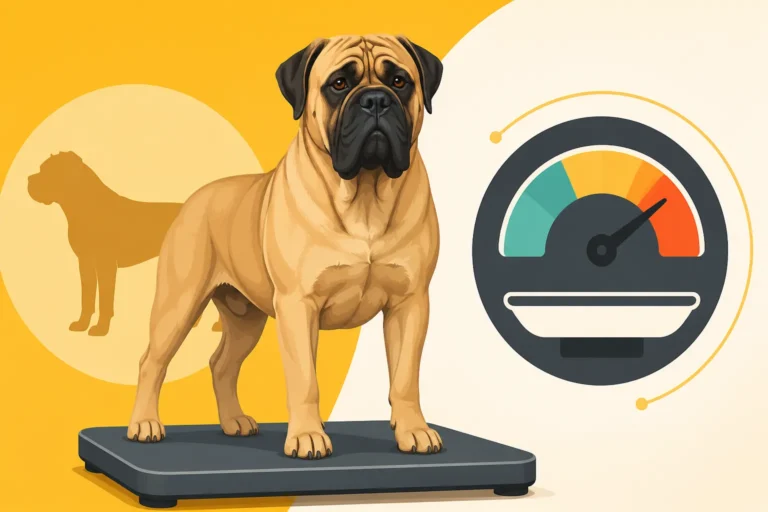
- Weight Management: I cannot stress this enough: maintaining a lean body condition is probably the single most impactful thing you can do for your Bullmastiff's joints. Every extra pound puts additional strain on their hips, elbows, and spine. Work with your vet to determine your dog's ideal weight and how to feel a How to Feel a Bullmastiff's Ribs properly. Regular, measured feeding (perhaps even using a fresh food service like Ollie for precise portion control) and avoiding excessive treats are essential.
- Appropriate Exercise: While Bullmastiffs don't need hours of intense exercise, regular, moderate activity is vital for keeping joints lubricated and muscles strong. Strong muscles support the joints. Short, controlled walks, especially on softer surfaces, are ideal. Avoid high-impact activities, prolonged running on hard surfaces (Why a Bullmastiff Puppy Should Not Run on Concrete), or excessive jumping, particularly during puppyhood. The Exercise Limit for a Bullmastiff Puppy is something every owner should understand.
- Supportive Bedding: A large, orthopedic bed with dense foam is not a luxury; it's a necessity for a Bullmastiff. Hard floors offer no cushioning and can exacerbate joint pain and lead to pressure sores and elbow calluses. Invest in the best bed you can afford to ensure proper support for their heavy frame during rest.
- Regular Veterinary Check-ups: Consistent veterinary care allows for early detection of any emerging joint issues. Your vet can monitor your Bullmastiff's mobility, assess their gait, and suggest interventions before problems become severe. They can also discuss whether medications, like anti-inflammatories, might be needed in conjunction with or instead of supplements, especially as your dog ages and you move into Caring for a Bullmastiff Past Six.
- Ramps and Mobility Aids: As your Bullmastiff gets older, or if they have existing joint issues, consider introducing ramps for the car or for steps. This reduces the impact on their joints and helps preserve their mobility and quality of life. Even seemingly small conveniences like this can make a huge difference.
By combining proactive supplementation with excellent weight management, appropriate exercise, quality bedding, and consistent veterinary oversight, you give your Bullmastiff the best possible chance at comfortable, mobile years, regardless of when you decide to introduce glucosamine.
Disclaimer
This article is for general informational purposes only and does not constitute professional advice. Laws, prices and regulations vary by location and change over time. Consult a qualified professional for guidance on your specific situation.