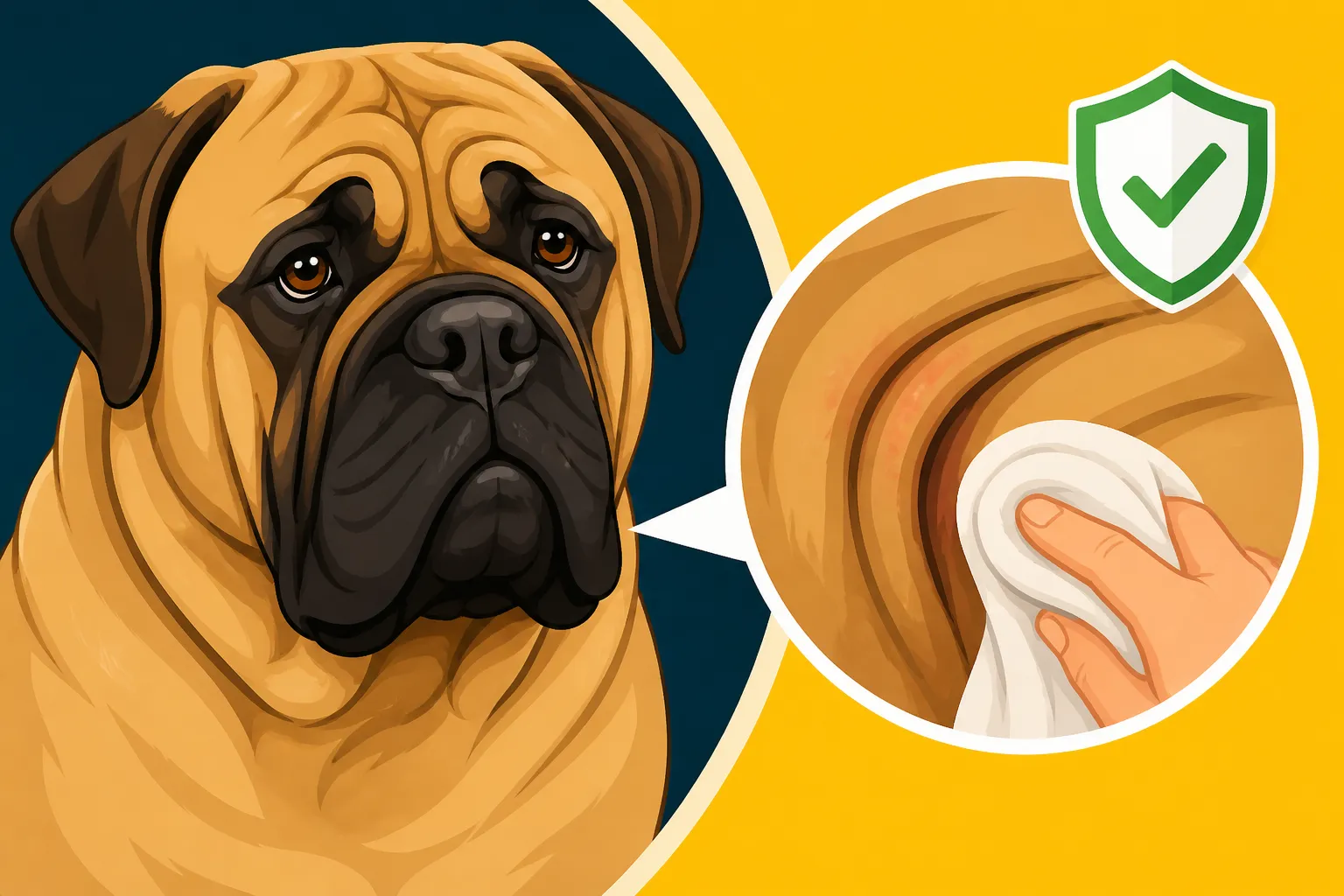
Why a Bullmastiff’s Folds Need Drying
If you share your life with a Bullmastiff, you know those magnificent, wrinkled faces are a huge part of their charm. But what many new owners, and even some seasoned ones, don't realize is that these lovely folds can become a serious health hazard if not properly cared for. Failing to keep those deep wrinkles dry isn't just about preventing a funky smell; it can lead to painful infections, chronic discomfort, and expensive vet visits. This guide will walk you through exactly why those Bullmastiff folds demand diligent drying and how to keep your gentle giant's skin healthy and happy.
The Anatomy of a Bullmastiff's Folds: A Hotbed for Trouble
Those expressive folds around your Bullmastiff’s muzzle, under their chin, and sometimes even on their brow aren't just for looks; they're an inherent part of the breed's structure, a direct link to their Mastiff and Bulldog heritage. While undeniably endearing, this unique anatomy creates a perfect storm for skin problems if not managed proactively.
Why Folds Form on a Bullmastiff
The Bullmastiff's head, often described as broad and powerful, features a characteristic "cushion" of skin that gives them that wonderfully solemn and watchful expression. This skin isn't taut like on some other breeds; instead, it's abundant, forming natural crevices and folds, particularly around the muzzle and lower jaw. Think of it like a beautiful, heavy drapery that settles in rich folds. These aren't accidental; they're a hallmark of the breed, a feature that contributes to their imposing appearance.
Historically, this loose skin might have offered some protection during a skirmish with a poacher, providing a bit of a buffer. But in modern times, for our beloved companions, these folds require special attention. They gather more easily when your dog is relaxed, sleeping, or even just tilting their head. The depth and number of these folds can vary quite a bit from one Bullmastiff to another, with some having more pronounced "rope" around the muzzle than others. Regardless of how extensive they are, The Wrinkles and Folds on a Bullmastiff's Face are a non-negotiable part of their care.
The Hidden Microclimates Within Those Folds
Imagine a tiny, humid jungle hidden right on your dog's face. That's essentially what a Bullmastiff's skin folds can become. The problem is that these folds create areas where skin rubs against skin, trapping moisture and heat. It's a dark, warm, and often damp environment, completely cut off from air circulation. This isn't just about water from drinking or slobber; natural oils, dead skin cells, and even microscopic food particles can get caught deep within these crevices.
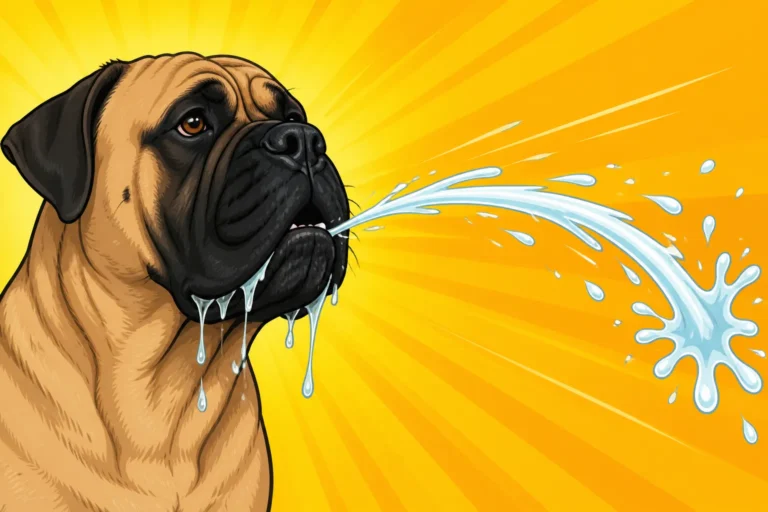
Each time your Bullmastiff drinks, a little water inevitably dribbles into the jowls and lower folds. When they eat, especially softer foods, residue can cling to the corners of their mouth and migrate into those skin creases. Even just the humidity in the air or a bit of sweat can contribute to moisture buildup. Why a Bullmastiff's Jowls Hold Saliva is a big part of the issue; their facial structure is designed to contain a lot of moisture, which is great for protecting their eyes and nose from trauma but terrible for skin health if left wet. Without air to dry it out, this trapped moisture sits on the skin, creating that ideal breeding ground for unwanted guests.
The Silent Threats: Why Moisture is the Enemy
Leaving your Bullmastiff's folds damp isn't merely an aesthetic issue; it's a direct invitation for a host of painful and persistent health problems. These aren't minor annoyances; they can seriously impact your dog's quality of life and often require veterinary intervention.
Skin Fold Dermatitis: The Itchy, Painful Reality
The most common and frustrating consequence of perpetually moist skin folds is skin fold dermatitis, also known as intertrigo. This condition occurs when constant friction and moisture irritate the skin, breaking down its natural barrier. The skin becomes red, inflamed, and incredibly itchy. Imagine having a persistent rash that you can't scratch, right on your face. That's what your Bullmastiff might be experiencing.
The affected skin can become raw, weep fluid, and even bleed in severe cases. It's not just uncomfortable; it's genuinely painful for your dog. They might start rubbing their face on furniture, pawing at their muzzle, or even becoming withdrawn due to the constant irritation. This discomfort can lead to secondary issues, as dogs try to alleviate the itch, often making the problem worse through scratching or rubbing, which further damages the delicate skin. Recognizing Signs a Bullmastiff's Fold Is Infected early can make a big difference in treatment and comfort.
Yeast and Bacterial Infections: A Two-Pronged Attack
The damp, warm environment within skin folds is a paradise for microorganisms. Two of the most common culprits for turning simple irritation into a full-blown crisis are yeast (often Malassezia) and bacteria (like Staphylococcus). These opportunistic organisms thrive in moist conditions, multiplying rapidly and causing a deeper, more stubborn infection.
Yeast infections often present with a greasy, yellowish discharge and a distinctive, somewhat sweet or "yeasty" smell. Bacterial infections, on the other hand, might have pus, scabs, and a more foul, pungent odor. Both cause intense itching and pain, often leading to a cycle where the dog scratches, further damaging the skin, and allowing the infection to deepen. These aren't infections that will just "clear up" on their own; they usually require specific antifungal or antibiotic medications, often both, prescribed by your vet. Ignoring these can lead to chronic, recurring issues that are very difficult to manage. Whether a Bullmastiff's Folds Get Infected is a question of "when" not "if" if you're not diligent. For more information, read about Skin Fold Infections on a Bullmastiff.
Odor and Discomfort: More Than Just a Smell
Beyond the direct pain and irritation, neglected skin folds can become quite smelly. That unpleasant odor isn't just surface dirt; it's the byproduct of bacterial and yeast overgrowth, combined with trapped sebum and dead skin cells. This isn't the natural "dog smell" that some breeds have; it's a distinct, often strong, and quite off-putting stench that indicates a problem. If you notice a persistent, foul odor emanating from your Bullmastiff's face, it's a clear sign that a moist-related issue is brewing.
This constant discomfort also takes a toll on your Bullmastiff's overall well-being. A dog that is constantly itchy or in pain from irritated skin cannot fully relax or enjoy their daily life. It can affect their mood, their willingness to play, and even their appetite. While it might seem minor, imagine how you would feel with a constant, irritating rash on your face. Preventing this discomfort is a huge part of responsible Bullmastiff ownership.
Your Daily Defense: The Art of Drying Bullmastiff Folds
The good news is that preventing these issues is completely within your control, and it's not as daunting as it might seem. Incorporating a quick drying routine into your Bullmastiff's daily care can save you a world of trouble, discomfort, and expense down the line.
The Right Tools for the Job
You don't need a professional grooming kit to keep those folds dry, but having the right supplies on hand will make the task much easier and more effective.
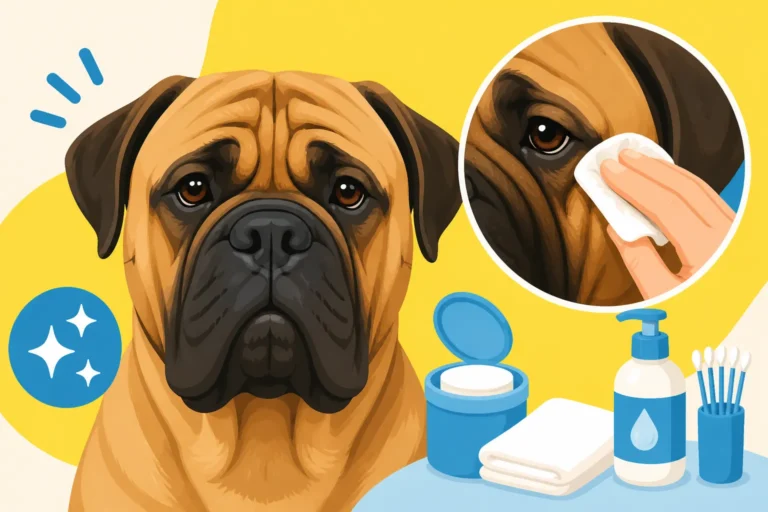
First and foremost, you'll need soft, absorbent material. Microfiber cloths are fantastic because they wick away moisture efficiently without being abrasive. Soft cotton cloths, like old t-shirts or washcloths, also work well. The key is absorbency and gentleness. Avoid anything that feels rough or scratchy, as this can further irritate already sensitive skin.
For deeper cleaning and preventing infection, your vet might recommend specific wipes or solutions. Antiseptic wipes designed for dogs, often containing chlorhexidine, can be invaluable for regular maintenance. Some owners use gentle baby wipes without alcohol or fragrances, but always check with your vet first to ensure they are safe for canine use, as some ingredients can be irritating. You can find a good selection of specialized dog wipes on platforms like Chewy or Amazon.
Finally, consider a small, soft brush or even just cotton balls for applying any medicated powders or creams if they become necessary (always vet-prescribed, of course!). A flashlight can also be surprisingly helpful for peering into those deeper, darker folds to ensure they are thoroughly clean and dry. What to Clean a Bullmastiff's Wrinkles With can include these items.
Step-by-Step Drying Routine
Making fold drying a consistent part of your Bullmastiff's day is crucial. Here's a simple routine you can follow:
- After Meals and Drinks: This is non-negotiable. As soon as your Bullmastiff finishes eating or drinking, gently wipe their muzzle and jowls with a soft cloth. Focus on the areas where food residue or water accumulates. A quick blot can make a huge difference in preventing moisture buildup.
- Daily Deep Dry: Once a day, preferably in the evening when things are winding down, dedicate a few minutes to a more thorough check. Gently part the skin folds around their muzzle, under their chin, and any other areas where folds are prominent.
- Wipe and Blot: Using your clean, dry cloth, carefully wipe inside each fold. Don't rub aggressively; instead, blot to absorb moisture. Make sure you get deep into the creases. You might be surprised how much dampness you find, even when the outer skin appears dry. If the cloth comes away damp, use a fresh, dry section or another cloth.
- Air Dry (Briefly) or Gentle Pat: Once you've blotted away all visible moisture, you can let the area air dry for a minute or two, or use a clean, dry corner of the cloth to give one last gentle pat. The goal is bone-dry skin.
- Check for Redness or Odor: While you're drying, take a moment to inspect the skin. Look for any redness, irritation, discharge, or an unusual smell. These are early warning signs of trouble. If you see anything concerning, make a mental note to monitor it closely.
Consistency is key here. A few minutes each day is far more effective than an hour-long session once a week. Make it a positive experience with praise and maybe even a small treat, so your Bullmastiff associates it with something pleasant.
When to Seek Professional Help
Even with the most diligent care, sometimes problems can arise, or you might inherit a rescue Bullmastiff with existing skin issues. It's important to know when to call in the professionals.
If you notice persistent redness, inflammation that doesn't resolve within a day or two, an increasingly foul odor, pus, weeping sores, scabs, or your Bullmastiff is constantly rubbing or pawing at their face, it's time for a vet visit. These are all signs of a potential infection that will require medical treatment. Don't try to self-diagnose or treat severe skin fold infections with home remedies, as this can worsen the problem or delay proper care.
Your veterinarian can properly diagnose the type of infection (bacterial, yeast, or both) and prescribe the appropriate topical creams, oral antibiotics, or antifungals. They might also recommend special medicated shampoos or wipes for more intensive care. In very rare, chronic, and severe cases that are unresponsive to medical management, surgical removal of the skin folds (known as a fold resection or cheiloplasty) might be considered, but this is typically a last resort and often reserved for extreme cases of eye or lip fold irritation. Early intervention is always best to avoid such drastic measures and to keep your dog comfortable.
Beyond Drying: Comprehensive Fold Care for Long-Term Health
Drying is a critical component, but true long-term fold health for your Bullmastiff involves a more holistic approach that integrates regular cleaning, environmental awareness, and even dietary considerations.
Regular Cleaning: A Non-Negotiable Habit
Drying and cleaning often go hand-in-hand, but it's worth emphasizing the cleaning aspect. Simply drying a dirty fold will not solve the underlying problem. Dirt, debris, food particles, and dead skin cells contribute to the moist environment and can act as irritants themselves.
For most Bullmastiffs, a daily wipe-down of the folds with a damp cloth followed by thorough drying is sufficient. If you use a mild, dog-specific cleanser or a veterinary-recommended antiseptic wipe, ensure you follow it with a very thorough drying. Any moisture left behind from the cleaning agent defeats the purpose.
Consider using products specifically formulated for skin folds. Brands sometimes offer wipes or gentle cleansers designed to tackle the unique challenges of intertrigo. For instance, after a particularly drooly play session or a messy meal, a quick cleanse followed by drying is far better than letting things sit. Remember, How to Clean a Bullmastiff's Face Wrinkles is about both removing irritants and preventing moisture buildup.
Environmental Factors and Prevention
While you can't change your Bullmastiff's genetics or their lovely wrinkled face, you can control aspects of their environment to minimize moisture-related problems.
Firstly, keep their water bowl clean and filled with fresh water. Dirty water can introduce more bacteria into their folds. If your Bullmastiff is a particularly messy drinker, consider a raised bowl or a bowl designed to minimize splashing. Some owners even use absorbent mats around the water bowl to catch drips.
Secondly, pay attention to humidity levels in your home, especially during warm, humid months. While you don't need to turn your house into a desert, good ventilation can help. If your dog spends time outdoors in humid climates, ensure they have plenty of shaded, dry areas to rest.
Finally, be mindful of their general cleanliness. Regular baths, with particular attention to thoroughly drying all skin folds afterward, can help reduce the overall bacterial and yeast load on their skin. Remember, a Bullmastiff's coat typically takes Why a Bullmastiff's Coat Takes Ten Minutes a Week, but those folds need a bit more detailed attention.
The Connection Between Diet and Skin Health
It might not be immediately obvious, but your Bullmastiff's diet can play a significant role in their overall skin health, including the health of their folds. Just like with humans, a dog's diet directly impacts the quality of their skin and coat, and even their immune system's ability to fight off opportunistic infections.
A high-quality, balanced diet provides the essential nutrients, fatty acids, and vitamins necessary for healthy skin barrier function. Omega-3 and Omega-6 fatty acids, for instance, are crucial for maintaining skin integrity and reducing inflammation. If your Bullmastiff is on a diet that is lacking in these areas, or if they have sensitivities to certain ingredients, it could manifest as dull coat, dry skin, or even exacerbate skin inflammation and susceptibility to infections.
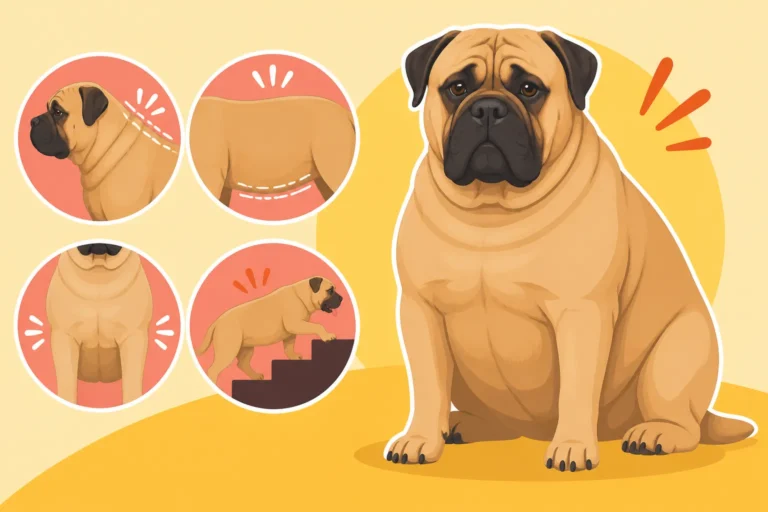
Some Bullmastiffs might have food allergies or sensitivities that can trigger skin issues, including redness and itchiness that might be mistaken for primary fold dermatitis. If you've been diligently drying and cleaning, but your Bullmastiff still experiences recurring skin fold problems, it's worth discussing diet with your veterinarian. They might recommend trying a novel protein diet or a limited ingredient formula. Many reputable dog food brands, easily found on platforms like Chewy or through specialized direct-to-consumer services like Ollie, offer options catering to sensitive skin or allergies. Remember, Keeping a Bullmastiff Lean Is the Best Thing You Can Do for their overall health, and a healthy weight can also reduce the severity of skin folds.
Regular, attentive care of your Bullmastiff's skin folds isn't just a chore; it's a vital act of love and responsibility. By understanding why those folds need drying, implementing a consistent routine, and knowing when to seek veterinary help, you can ensure your big, beautiful companion lives a comfortable, healthy, and happy life.
Disclaimer
This article is for general informational purposes only and does not constitute professional advice. Laws, prices and regulations vary by location and change over time. Consult a qualified professional for guidance on your specific situation.