Whether a Bullmastiff Gets Elbow Calluses
It’s a sight many Bullmastiff owners dread: that rough, thickened patch of skin on their beloved dog’s elbow. You reach down to pet them, and instead of soft fur, you feel a hard, sometimes even cracked, area where their elbow meets the floor. These aren't just cosmetic flaws; elbow calluses, often called pressure sores, are a direct result of our heavy, loyal companions spending their lives lying on hard surfaces, and if left unchecked, they can become painful and problematic. This guide will walk you through everything you need to know about Bullmastiff elbow calluses, from why they appear to how you can prevent and manage them, ensuring your gentle giant stays comfortable and healthy.
Understanding Bullmastiff Elbow Calluses
Bullmastiffs are magnificent, heavy-boned dogs, and while their impressive size is part of their appeal, it also comes with unique care considerations. One of the most common physical issues owners face is the development of elbow calluses, a tell-tale sign of their love for lounging.
Why Calluses Form on a Bullmastiff's Elbows
Think about how much pressure your Bullmastiff’s weight puts on their joints, especially when they lie down. Every time they settle onto a hard floor, their substantial body presses down, and their elbows, being bony protrusions with minimal padding, bear the brunt of that impact. This constant friction and pressure, day in and day out, on surfaces like concrete, tile, or hardwood, irritates the skin.
The body, in its wisdom, tries to protect itself. It responds to this chronic irritation by thickening the skin in that area, creating a protective layer. This thickened skin is what we call a callus. It's essentially the body's natural armor, but unfortunately, it often becomes a problem in itself rather than a solution.
The Appearance and Progression of Calluses
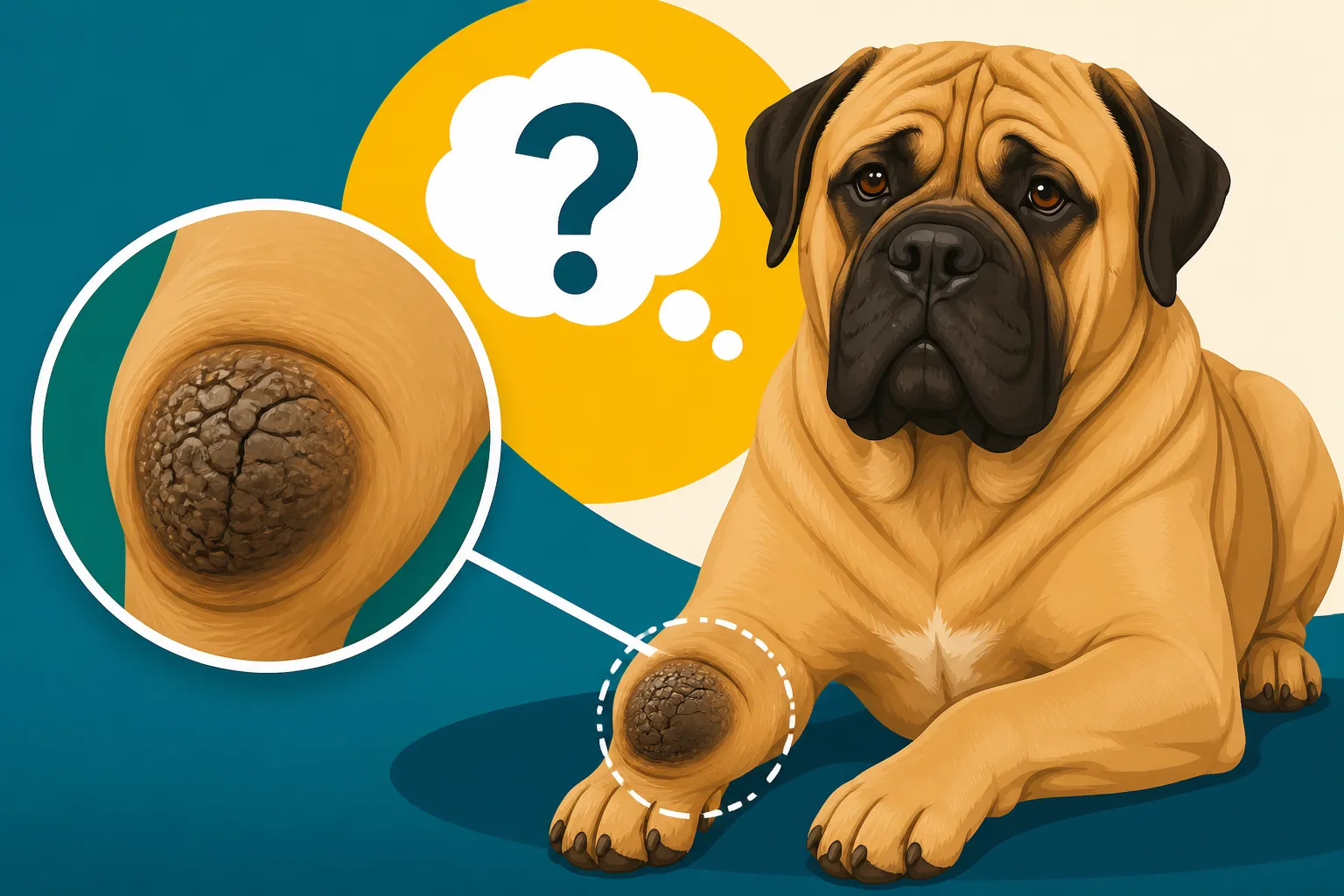
When an elbow callus first starts to form, you might notice a small patch of hair loss on the elbow. The skin underneath might look a little redder or slightly discolored compared to the surrounding area. It's subtle at first, easily missed if you're not specifically looking for it.
As the pressure and friction continue, this area of skin will thicken further. It will become dry, hard, and often darker in pigmentation, taking on a gray or even blackish hue. For many Bullmastiffs, the calluses can grow quite large and prominent. The real trouble starts when these calluses begin to crack or split, which can be incredibly painful for your dog. These cracks open up pathways for bacteria, leading to secondary infections, swelling, and even pus, turning a simple callus into a serious medical concern.
Common Causes and Contributing Factors
Understanding the root causes of elbow calluses is the first step toward preventing them. While a Bullmastiff’s natural inclination to lounge is a factor, several environmental and physical elements contribute significantly to their development.
The Impact of Hard Surfaces
This is, without a doubt, the number one culprit. Imagine laying directly on concrete for hours every day. Your elbows would certainly feel the strain! For a Bullmastiff, who might spend a good portion of their day napping, the choice of resting surface is critical. Concrete patios, tiled kitchens, and polished hardwood floors are like sandpaper and anvils to their elbows. These surfaces offer no cushioning, forcing all of A Hundred and Thirty Pounds of Bullmastiff, Measured to press relentlessly against their skin and bone.
Contrast this with softer alternatives. A plush carpet, a cushioned bed, or even a patch of grass in the yard provides a much-needed buffer. Dogs instinctively seek comfort, but if comfortable options aren't readily available or if they prefer a cool, hard spot on a hot day, those calluses will develop faster and become more severe. Even short periods on hard surfaces, if repeated consistently over months and years, will take their toll.
Body Weight and Size as Key Factors
It’s no secret that Bullmastiffs are big, muscular dogs. Their impressive build is what makes them so captivating, but it also places significant stress on their bodies, particularly their joints and pressure points. The sheer gravitational pull on their large frame means that when they lie down, those bony elbows are under immense pressure. This isn’t just about being a large breed; it's about being a particularly heavy large breed.
This is why managing your Bullmastiff's weight is not just about joint health or heart health, but also about skin health. A lean Bullmastiff will naturally exert less pressure on their elbows than an overweight one. Every extra pound adds to that relentless force, accelerating callus formation and increasing the risk of cracking and infection. Indeed, Keeping a Bullmastiff Lean Is the Best Thing You Can Do for so many aspects of their health, including preventing these stubborn calluses.
Age and Activity Levels
You might notice that elbow calluses become more pronounced or appear as your Bullmastiff gets older. This isn't a coincidence. As dogs age, they naturally become less active. They spend more time resting, napping, and simply lying around. A senior Bullmastiff, who might already be dealing with some arthritis or joint stiffness, will often seek out comfortable, low-impact spots to rest, which unfortunately can still be hard floors if proper bedding isn't provided.
While younger, more active Bullmastiffs spend less time prone, they aren't entirely immune. A puppy or young adult who loves to sprawl out on the cool kitchen tiles after a play session can still start to develop these calluses over time. It's a cumulative effect; years of even intermittent pressure will eventually manifest as thickened skin. Observing your dog's resting habits and adjusting their environment throughout their life is key.
Preventing Elbow Calluses: Proactive Steps
The good news about elbow calluses is that many cases are entirely preventable with a bit of foresight and consistent effort. Focusing on their environment and overall health can make a world of difference for your Bullmastiff.
The Importance of Proper Bedding
If there’s one single thing you can do to prevent elbow calluses, it’s providing truly adequate, comfortable bedding. A flimsy mat or a thin blanket just isn’t going to cut it for a Bullmastiff. These dogs need substantial cushioning that provides support and elevates their elbows off hard surfaces. Think orthopedic foam – the kind that truly cradles their body and distributes their weight evenly. Memory foam beds are often an excellent choice because they conform to the dog's shape, relieving pressure points.
When shopping for beds, look for thickness and density. A bed that flattens out to nothing under their weight isn't doing its job. You might find fantastic options on sites like Chewy or Amazon, offering a wide range of orthopedic dog beds designed for giant breeds. Don't be afraid to invest in a good quality bed; it's an investment in your Bullmastiff's long-term comfort and health. Remember that Bedding and Joints for a Hundred and Thirty Pound Bullmastiff goes hand-in-hand with preventing elbow issues. Consider having multiple comfortable spots around the house where your Bullmastiff can choose to rest, particularly in their favorite napping zones. More details on selecting the right options can be found in Which Bed a Bullmastiff Needs.
Managing Surfaces Around the Home
While high-quality bedding is paramount, you also need to think about all the other places your Bullmastiff might decide to lounge. Even with the best bed in the world, a Bullmastiff might still opt for the cool tile floor on a warm afternoon or sprawl out on the concrete patio. It's simply their preference sometimes.
This means you need to proactively manage these hard surfaces. Consider placing large area rugs or thick mats in high-traffic or favored napping areas. Even outdoor spaces like patios or kennels can benefit from rubber mats or artificial turf to provide a softer landing spot. The goal is to minimize direct, prolonged contact between your Bullmastiff’s elbows and any unyielding surface. This isn't about forbidding them from hard floors, but about making soft options so appealing and readily available that they become the default choice.
Maintaining a Healthy Weight
We've touched on this, but it bears repeating: keeping your Bullmastiff at a healthy, lean weight is crucial for preventing calluses. Just like with hip and elbow dysplasia, excess weight exacerbates pressure on their joints and, by extension, on their elbows. A lean Bullmastiff will experience less impact on those bony protrusions when they lie down.
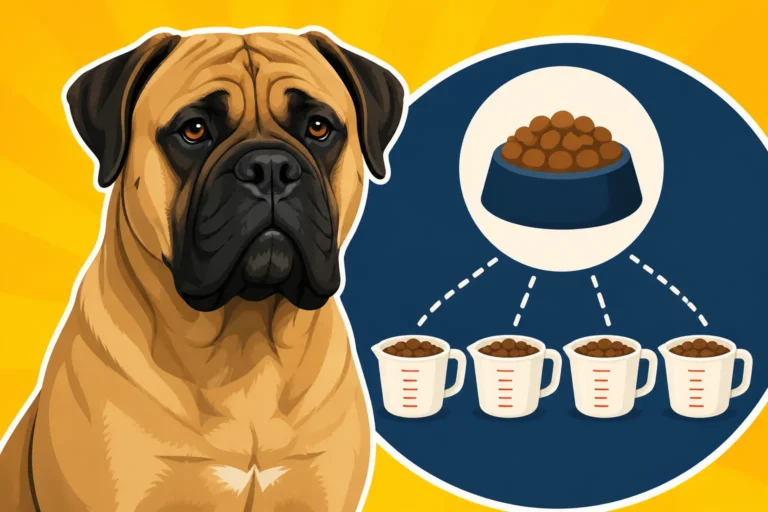
This means paying close attention to their diet and exercise. Feeding a high-quality, balanced diet in appropriate portions is key. Knowing How Much an Adult Bullmastiff Eats is essential for portion control. If you're unsure about the right amount or type of food, consult your veterinarian. Some owners find success with fresh food diets, like those offered by Ollie, which can help with weight management if carefully portioned. Regular, moderate exercise, appropriate for their age and physical condition, also contributes to maintaining a healthy physique. Remember, Keeping a Bullmastiff Lean Is the Best Thing You Can Do for their overall health and well-being, including preventing these pesky calluses.
Treating and Managing Existing Calluses
If your Bullmastiff has already developed calluses, all is not lost! While it might be challenging to make them disappear entirely, especially if they’ve been there for a while, there are effective ways to treat, soften, and manage them to prevent further complications and keep your dog comfortable.
Moisturizing and Softening the Callus
The primary goal for existing calluses is to soften the hardened skin and restore some elasticity. Dry, brittle calluses are far more prone to cracking and infection. Regular application of a specialized balm or cream can work wonders. Look for products designed specifically for dog calluses or cracked paws, often containing ingredients like shea butter, coconut oil, beeswax, or vitamin E. Some vets might even recommend gentle exfoliating ingredients.
The key is consistency. Apply the balm daily, ideally after a bath when the skin might be slightly softer, or before bed so it has time to soak in. Gently massage it into the callus, taking care not to cause irritation. This process helps to hydrate the skin, making it more pliable and less likely to crack. For a more detailed approach, you can refer to tips on How to Treat a Bullmastiff's Elbow Callus. You might find a good selection of these balms available on Amazon or from pet specialty stores.
Addressing Potential Complications
While moisturizing is a great preventative and softening measure, sometimes calluses can take a turn for the worse. Cracked calluses are not just uncomfortable; they are open invitations for bacteria to enter, leading to painful infections. You need to be vigilant for signs of complications. Look for:
- Redness or increased warmth around the callus
- Swelling of the elbow
- Pus or discharge
- Lameness or limping
- Your dog licking, biting, or chewing excessively at the area, indicating pain or irritation.
If you notice any of these signs, it's time for a vet visit. An infected callus will require professional medical attention, which might include antibiotics (oral or topical), anti-inflammatory medications, or even wound cleaning. Ignoring an infected callus can lead to deeper skin infections, cellulitis, or even systemic issues. It's a similar situation to managing Skin Fold Infections on a Bullmastiff – proactive cleaning and vigilance are vital to prevent serious issues.
Protective Sleeves and Bandages
In some severe cases, especially if a callus is already cracked or infected and needs to heal, or if a dog simply won't stay off hard surfaces, protective sleeves or bandages might be necessary. These specialized elbow protectors are designed to cushion the area, keep topical treatments in place, and prevent further irritation or contamination. They come in various sizes and materials, often secured with Velcro straps.
However, these are generally temporary or supplementary measures. They can be invaluable during the healing process or for dogs that are highly prone to recurrent issues despite bedding efforts. Always ensure the sleeve fits properly—not too tight to cut off circulation, but snug enough not to slip. Monitor the skin underneath for any irritation. While they can provide relief, they don't replace the fundamental need for soft bedding and good overall management.
Long-Term Care and Outlook
Living with a Bullmastiff means accepting and embracing their unique needs, and callus care is definitely one of them. By integrating simple, consistent practices into your daily routine, you can ensure your big companion remains healthy and happy for years to come.
Regular Checks and Early Detection
The best defense is a good offense, and that means being proactive. Make it a habit to regularly inspect your Bullmastiff's elbows, especially during grooming sessions or when you're simply giving them some loving pats. Feel the skin, look for any changes in texture, hair loss, redness, or signs of cracking. Early detection allows you to intervene before a small, dry patch turns into a large, painful, infected wound.
Think of it as part of their routine health check, similar to how you would How to Check a Bullmastiff for Lumps anywhere else on their body. The more familiar you are with what their elbows normally feel and look like, the quicker you'll spot any anomalies. If you notice a new or worsening callus, you can immediately ramp up your moisturizing efforts or consider adjusting their bedding and resting spots.
Adapting to Your Bullmastiff's Needs as They Age
Just like us, our Bullmastiffs change as they get older. As your dog crosses into their senior years – typically around The Age a Bullmastiff Is Considered Senior, which is often between six and seven years old for this breed – their habits and physical needs will likely shift. They'll spend more time resting, their joints might become a bit stiffer, and they might find it harder to get up and down. This increased time spent lying down inevitably means more pressure on their elbows.
You might need to upgrade their bedding to even thicker, more supportive orthopedic options. Consider adding more rugs or soft mats around the house, especially near their favorite napping spots. Their diet might need adjusting to maintain a lean weight if their activity level decreases. Staying attuned to What Changes in an Aging Bullmastiff's Care is crucial, and elbow care will become an even more prominent part of that routine. Your dedication to their comfort as they age will significantly impact their quality of life.
| Factor | Impact on Elbow Callus Development | Prevention/Management Strategy |
|---|---|---|
| Body Weight | Heavier dogs exert more pressure; overweight dogs are at higher risk. | Maintain a lean body condition through diet and exercise. |
| Surface Material | Hard surfaces (concrete, tile, hardwood) cause constant friction/pressure. | Provide ample soft bedding (orthopedic beds), use rugs/mats on hard floors. |
| Age | Older dogs often rest more, increasing pressure duration. | Increase vigilance, upgrade bedding, ensure easy access to comfortable resting spots as they age. |
| Skin Condition | Dry, brittle skin cracks easily, leading to infection. | Regular moisturizing with specialized balms/creams. |
| Environment | Limited soft resting options force dogs onto hard floors. | Offer multiple comfortable, cushioned resting areas throughout the home and yard. |
Disclaimer
This article is for general informational purposes only and does not constitute professional advice. Laws, prices and regulations vary by location and change over time. Consult a qualified professional for guidance on your specific situation.