Whether a Bullmastiff Gets on Furniture
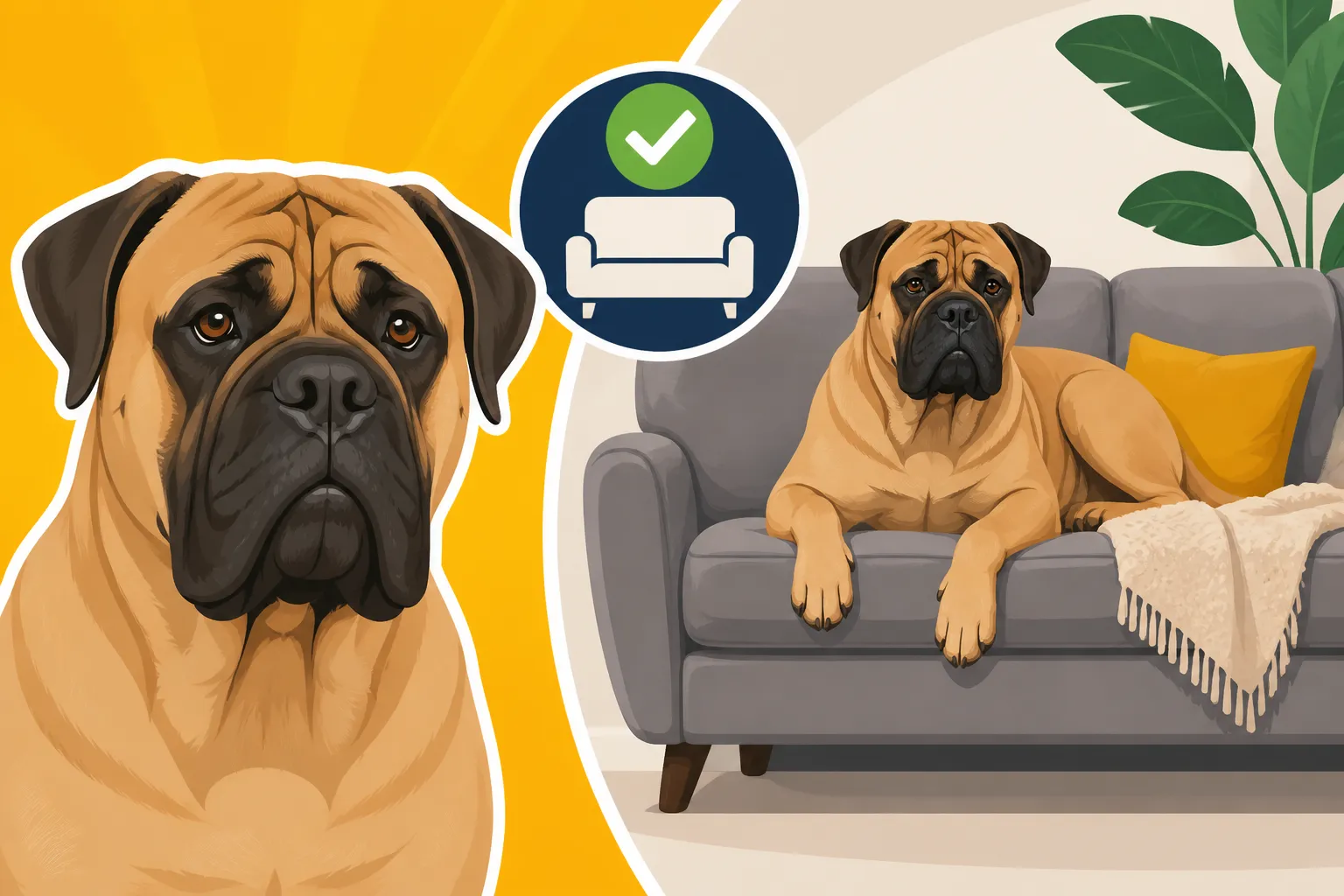
One of the endearing, yet sometimes frustrating, aspects of living with a Bullmastiff is their sheer love for comfort and closeness. You might find yourself constantly wondering, "Will my giant, lovable companion try to claim my favorite armchair, or even my entire sofa, as their own?" It's a valid concern, because a hundred-pound-plus dog can definitely make a significant dent in your home decor, not to mention your personal space! This guide is here to walk you through the Bullmastiff's natural inclination towards snuggling up on your furniture, the practical realities of managing it, and how you can establish boundaries and create comfortable alternatives that work for both of you.
Why Your Bullmastiff Wants a Spot on the Sofa
It’s not just about being a spoiled dog, although a Bullmastiff certainly knows how to enjoy the good life. There are some very deep-seated reasons why your big lug wants to be right there with you, probably with their head in your lap or at least a paw resting on your foot. Understanding these instincts can help you approach the "furniture debate" with empathy and a clearer strategy.
The Instinct to Be Close to Their Pack
Bullmastiffs are, at heart, incredibly loyal and affectionate dogs. They were bred to be guardians, yes, but also constant companions to gamekeepers. This means they naturally seek proximity to their family, their "pack." When you're sitting on the sofa, watching TV, reading a book, or just relaxing, your Bullmastiff sees that as a prime opportunity for connection. They aren't trying to be defiant by jumping up; they're trying to be with you, in the most comfortable spot available. For them, being close means feeling safe, secure, and part of the family unit.
Imagine you're cuddled up under a blanket on a chilly evening. Your Bullmastiff observes this and thinks, "Hey, that looks cozy! And my human is there! I want to be part of that warmth and connection." It's a natural conclusion for a dog that thrives on companionship. This desire for closeness can often override any previous training or perceived boundaries, especially if they sense you're relaxing and therefore "open" to their advances. They're just trying to share in the good times, even if those good times involve hogging two-thirds of the couch. Why a Bullmastiff Follows You Room to Room touches on this constant need for proximity.
Seeking Comfort and Soft Surfaces
Let's be honest, those plush cushions and soft blankets on your sofa or bed are a lot more inviting than a hard floor or even some dog beds. Bullmastiffs are big, heavy dogs, and gravity isn't always their friend. Lying on hard surfaces can be uncomfortable, especially as they get older or if they have developing joint issues like hip or elbow dysplasia. A soft, elevated surface offers support and warmth, making it incredibly appealing.
Think about how much a Bullmastiff weighs. How Much a Bullmastiff Weighs gives you an idea of the sheer mass we're talking about. All that weight needs proper support. Your expensive sofa, with its deep cushions, offers exactly the kind of luxurious comfort a large breed dog secretly craves. It cradles their heavy joints and keeps them off the cold floor. If their own dog bed isn't up to par – maybe it's too thin, too small, or just worn out – the sofa becomes an even more attractive alternative. They’re not necessarily trying to be naughty; they're just finding the most comfortable spot to rest their massive bodies.
The Practical Realities of a Bullmastiff on Your Furniture
While their desire to be close and comfortable is sweet, letting a Bullmastiff have free rein on your furniture comes with its own set of unique challenges. These aren't small problems; they can impact your furniture's lifespan, cleanliness, and even your peace of mind.
The Impact of Size and Weight
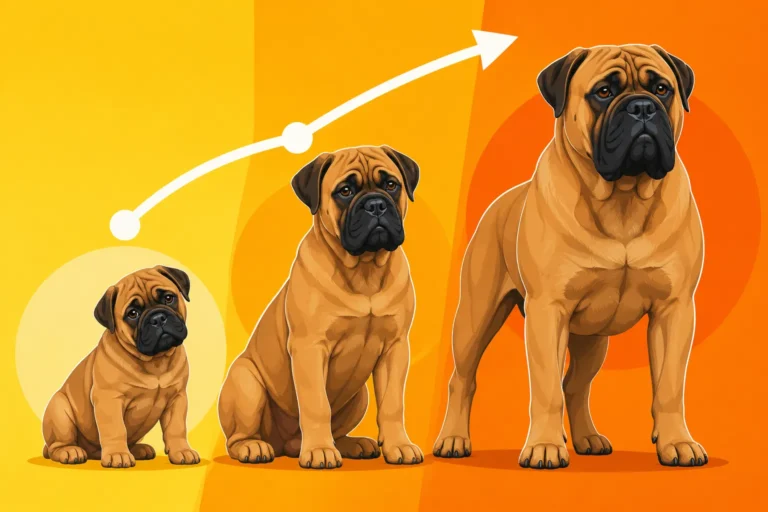
A Bullmastiff is a substantial dog. We're talking about an animal that can easily weigh over 100 pounds, sometimes significantly more. This isn't a tiny terrier daintily hopping onto a cushion. When a Bullmastiff launches itself onto a sofa, or even just slowly climbs aboard, it puts immense stress on the furniture's frame, springs, and cushions. Over time, this will lead to sagging cushions, weakened frames, and general wear and tear that can drastically shorten the life of your sofa or armchair.
Consider a scene where your Bullmastiff, eager for your attention, decides to "join" you on a love seat. Suddenly, there's no love left, just a massive dog and maybe a tiny sliver of space for you, all while the sofa groans under the weight. This isn't just an inconvenience; it's a structural challenge for your furniture. If you have delicate antique pieces or custom-made upholstery, the risk of damage becomes even higher. Their sheer bulk means they take up a lot of space, making it difficult for you to share the furniture comfortably, if at all.
Drool, Hair, and Dirt: The Unavoidable Mess
Let's talk about the less glamorous aspects. Bullmastiffs are known for their magnificent jowls, and with those jowls often comes drool. A lot of drool. How Much a Bullmastiff Drools is a whole other topic, but suffice it to say, it's a daily reality. That drool, when your Bullmastiff is relaxing on your couch, can end up on cushions, armrests, and even the wall behind the furniture. It can stain, leave sticky residues, and generally necessitate frequent cleaning.
Beyond drool, Bullmastiffs shed. While their coats are short, they certainly contribute to the battle against pet hair. Every time they settle onto your sofa, they leave behind a collection of their short, stiff hairs, which can be surprisingly tenacious to remove from upholstery fabric. Add to this any dirt or outdoor debris they might bring in on their paws or coat, and your furniture can quickly go from pristine to needing a deep clean. How a Bullmastiff's Hair Shows on Furniture describes this phenomenon perfectly. This constant influx of biological matter from a large dog means you'll be spending a lot more time cleaning and maintaining your furniture if you allow them on it regularly.
Training Strategies for Furniture Habits
So, what's a loving Bullmastiff owner to do? You have options, and the most important thing is consistency. Whether you decide to allow furniture access or restrict it, your approach needs to be clear and unwavering from day one.
Establishing Clear Boundaries and Rules
The golden rule for any Bullmastiff training is consistency. If your Bullmastiff is allowed on the sofa sometimes but not others, they will become confused and frustrated, and likely just test the boundaries more often. Decide upfront: is the furniture completely off-limits, or are there specific pieces they can use (perhaps with a cover)? Or maybe they're allowed only when invited?
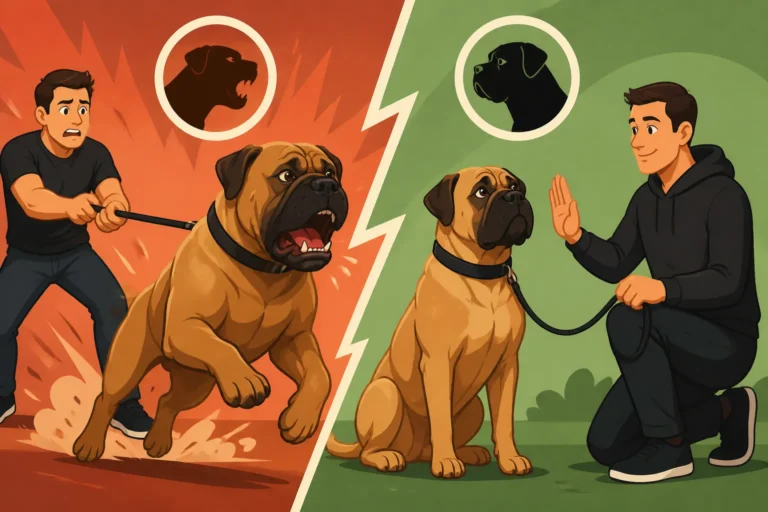
Once you've made your decision, stick to it. If the rule is "no dogs on the sofa," every time your Bullmastiff attempts to get on, gently but firmly redirect them. Use a consistent command like "Off" or "Place" and guide them to their designated dog bed. Reward them heavily for choosing their own spot. The key here is not punishment, but redirection and positive reinforcement for the desired behavior. If you waffle, your smart Bullmastiff will quickly learn that "no" sometimes means "try harder."
A fantastic resource for navigating this kind of foundational training, especially with a strong-willed breed, can be found through online programs like those offered by BAXTER & Bella. They provide step-by-step guidance on establishing rules and positive reinforcement techniques that work for dogs of all sizes and temperaments. The goal is for your Bullmastiff to understand your rules, not for them to guess what you want based on your mood.
Utilizing "Place" Training and Crate Training
"Place" training is incredibly valuable for Bullmastiffs, especially when it comes to furniture boundaries. This involves teaching your dog to go to a specific spot – their dog bed, a mat, or their crate – and stay there until released. This isn't just about keeping them off the sofa; it's about giving them an alternative, a place where they are welcome and can still be close to you without being on your furniture.
Start by luring your Bullmastiff to their designated spot with a treat. As soon as they are on the mat or bed, mark the behavior with a verbal cue like "Yes!" or a clicker, and give them the treat. Gradually increase the duration they need to stay on their "place" before getting the reward. Practice this frequently throughout the day, especially when you are on the sofa yourself. This way, their place becomes a positive, rewarding spot to be.
Crate training can also be a wonderful tool, providing a safe, comfortable den for your Bullmastiff when you can't actively supervise them or when guests are over. Many Bullmastiffs adore their crates once properly introduced, seeing them as their own private sanctuary. This also prevents them from practicing undesirable behaviors, like sneaking onto the furniture, when you're not around. Remember, the crate should always be a positive space, never used for punishment.
Practical Solutions and Comfortable Alternatives
Regardless of whether you allow your Bullmastiff on the furniture occasionally or not at all, having dedicated, comfortable spots for them is crucial. It gives them an acceptable place to relax and demonstrates that you care about their comfort, even if it's not on your favorite cushion.
Investing in High-Quality Dog Beds
This is perhaps the most critical step if you want to keep your Bullmastiff off your furniture. A large, orthopedic dog bed is an absolute must. For a breed prone to joint issues like hip and elbow dysplasia, adequate support is not just a luxury; it's a health necessity. Look for beds with dense, supportive foam that won't flatten out quickly under their considerable weight. Which Bed a Bullmastiff Needs details what to look for.
Place these beds strategically in rooms where you spend a lot of time, so your Bullmastiff can still be near you, feeling included, but in their own designated spot. Many Bullmastiff owners find success with beds that have bolstered sides, providing a sense of security and a headrest for their often-snoozing giants. You might even consider purchasing several beds for different areas of the house. For example, a sturdy, washable bed for the living room and another for the bedroom. You can find a wide variety of these specialized, large breed beds on platforms like Amazon, offering different materials and support levels to suit your dog's needs.
Furniture Protection and Covers
If you decide that occasional or even regular furniture access is acceptable, then protecting your investment is paramount. Heavy-duty, washable furniture covers are your best friend. Look for options that are water-resistant or waterproof to protect against drool and accidental spills. Many companies offer furniture throws or slipcovers specifically designed for pets, made from durable fabrics that can withstand heavy use and frequent washing.
Consider using large, thick blankets or even designated pet throws that you can easily toss in the laundry. This creates a barrier between your Bullmastiff and your upholstery, collecting hair, dirt, and drool instead of your sofa. This way, your Bullmastiff can enjoy the comfort of the couch, and you can enjoy less stress about constant cleaning and premature wear. It’s a win-win solution that allows for shared comfort without sacrificing your furniture. How Much a Bullmastiff Drools on a Wall also comes into play here, as their drool radius can sometimes extend beyond the furniture itself.
Teaching "Up" and "Off" on Command
For those who want to allow their Bullmastiff on the furniture only by invitation, teaching "Up" and "Off" on command is invaluable.
- "Up" Command: Start by patting the spot on the furniture where you want them to go. Lure them onto it with a treat, saying "Up!" as they get on. Reward immediately. Practice this until they jump up reliably on command.
- "Off" Command: Once they are on the furniture, hold a treat slightly away from them, towards the floor, and say "Off!" As soon as all four paws are on the floor, reward them. Never push or pull them off; you want them to willingly dismount.
By teaching these commands, you maintain control over when and where your Bullmastiff accesses the furniture. This allows for those cherished snuggle sessions without them taking over every piece of upholstery in the house. Training these behaviors also reinforces your role as the leader, which is crucial for a large, powerful breed like the Bullmastiff. If you need more structured guidance for these specific commands, online dog training platforms like BAXTER & Bella can offer detailed modules on manners and boundary setting, which are incredibly helpful for Bullmastiff owners.
In the end, whether your Bullmastiff is allowed on the furniture comes down to your personal preferences, your household rules, and your commitment to consistent training. With a clear plan, plenty of comfortable alternatives, and maybe a few well-placed furniture covers, you can enjoy your Bullmastiff's affectionate nature without sacrificing your home or your sanity.
| Aspect | Allowing Bullmastiff on Furniture (with management) | Not Allowing Bullmastiff on Furniture |
|---|---|---|
| Pros | More bonding/snuggling opportunities | Cleaner furniture, less wear/tear |
| Dog feels more included in family life | Easier to maintain furniture, less pet hair/drool | |
| Provides comfortable, elevated resting spot | Clearer boundaries for the dog | |
| Cons | Potential for significant furniture damage | Less direct physical closeness on furniture |
| Increased cleaning (drool, hair, dirt) | Requires consistent redirection and training | |
| Reduced human seating space | Initial period of dog frustration/testing | |
| Recommended Gear | Durable, washable slipcovers/throws; large beds | High-quality orthopedic dog beds |
| Stain removers, pet hair vacuums | Crate or designated "place" items |
Disclaimer
This article is for general informational purposes only and does not constitute professional advice. Laws, prices and regulations vary by location and change over time. Consult a qualified professional for guidance on your specific situation.