Whether a Bullmastiff Guards the Yard
It's a common desire for many dog owners to have a sense of security and protection around their homes, and if you've chosen a Bullmastiff, you might be wondering just how much they take that job seriously, especially when it comes to the yard. You want to know if their impressive stature translates into reliable territorial guarding or if they're more likely to snooze through a perceived threat. This guide will dive deep into the Bullmastiff's natural protective instincts, what you can realistically expect from them in terms of yard security, and how to manage their behaviors effectively.
Understanding the Bullmastiff's Natural Guarding Instincts
The Bullmastiff's history is deeply rooted in guarding. They weren't just pets; they were integral working dogs for English gamekeepers. Their primary role was to detect and detain poachers on vast estates without causing undue harm. This specific job description shaped their guarding instincts in unique ways that still manifest in the modern Bullmastiff.
A Legacy of the "Silent Guard"
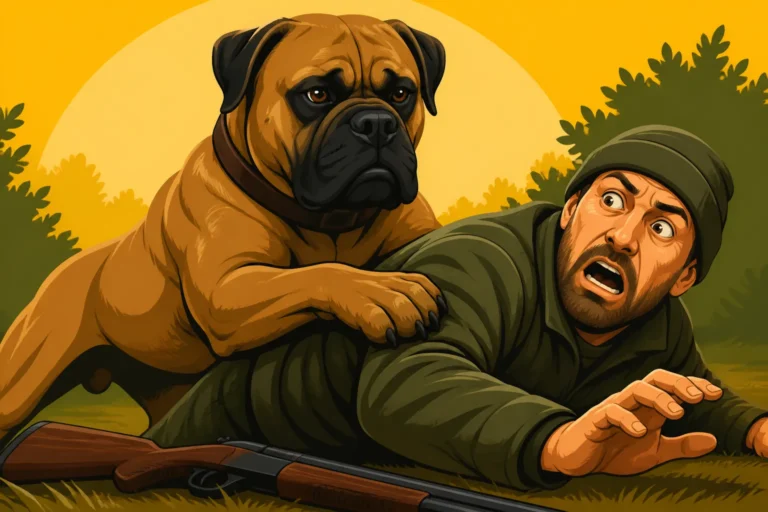
Unlike many traditional guard dogs that might bark incessantly to alert to a presence, the Bullmastiff was historically known as the "Silent Guard." This wasn't because they were shy, but because their job required stealth. A gamekeeper didn't want a dog barking and alerting a poacher to their presence from a mile away. Instead, the Bullmastiff was bred to approach silently, often in the dark, and pin down or hold an intruder until the gamekeeper arrived. This quiet, observant nature is often still present in the breed today.
What does this mean for your yard? It means your Bullmastiff might not erupt into a barking frenzy every time a squirrel crosses the fence line or a delivery truck rumbles by. Instead, they might become hyper-aware, standing watch, and observing the situation intently. Their presence alone, a large, imposing dog watching silently, is often enough to deter most casual intruders. They are excellent at body language, and their quiet intensity speaks volumes. You might notice them stiffen, lower their head slightly, or position themselves between the perceived threat and your home. For more on their history, you might be interested in The Bullmastiff Was Built to Catch Poachers in the Dark.
Territoriality and Personal Space
Bullmastiffs are inherently territorial animals, a trait that directly stems from their historical purpose of protecting their gamekeeper's land. They consider their home and yard as their domain, and by extension, you and your family as their "flock." This territoriality isn't necessarily aggressive in nature, but rather a strong sense of ownership and responsibility. They might patrol the perimeter of your yard, marking boundaries or simply observing from a vantage point.
This means they will notice things out of place or new people approaching their space. Their reaction will depend heavily on their training, socialization, and individual temperament, but the underlying instinct to safeguard their territory is usually strong. You might find them lying near a window or gate, seemingly dozing, but with one ear (or eye!) always open. It's a subtle but constant awareness of their surroundings.
How a Bullmastiff Identifies and Responds to Yard Intruders
The way a Bullmastiff assesses and reacts to a potential "intruder" in the yard is fascinating and often quite deliberate. It's not a knee-jerk reaction but a calculated assessment based on their nature.
The Deterrent of Sheer Size and Presence
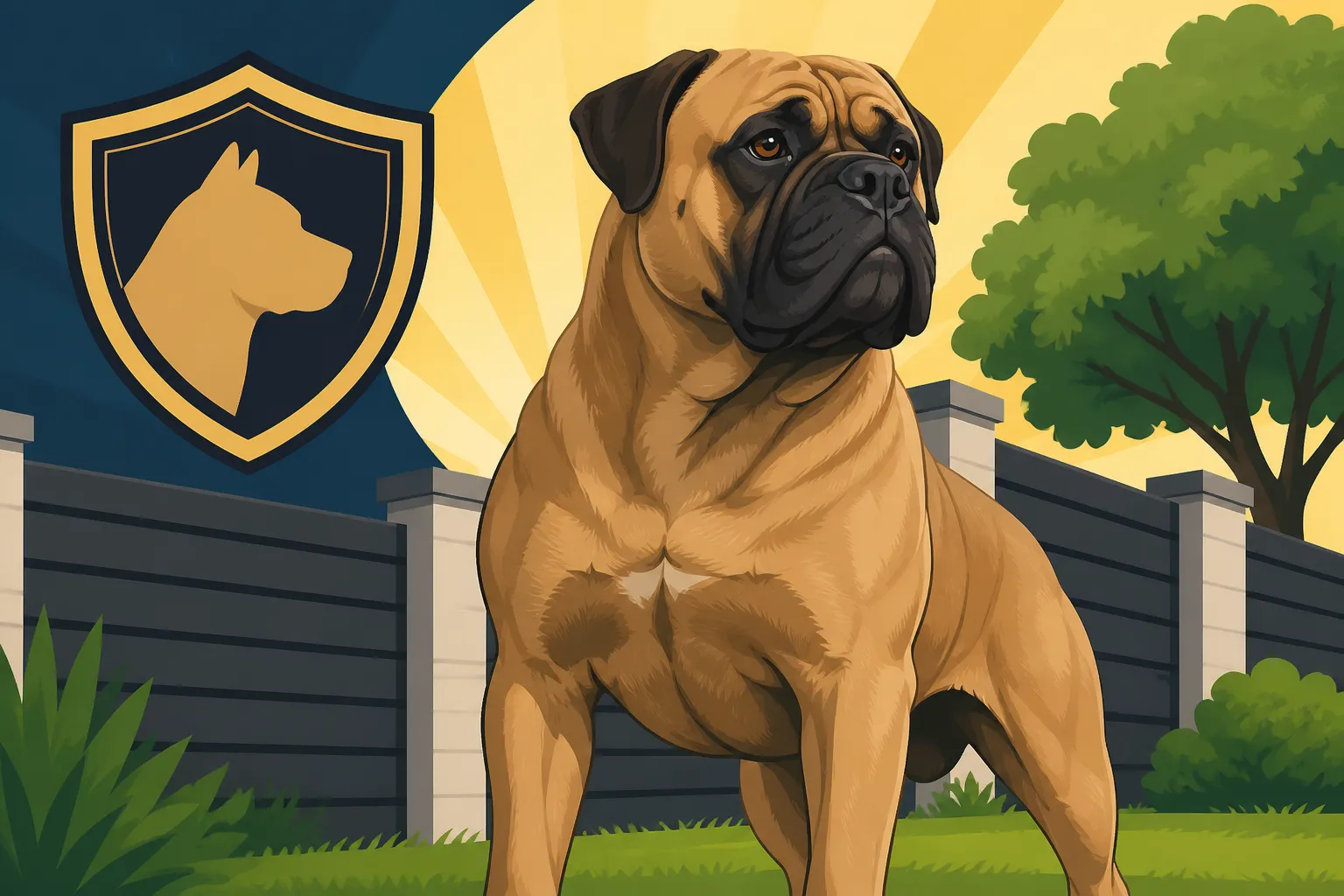
Let's be honest, a Bullmastiff's size alone is a significant deterrent. When you have a dog that can easily weigh over a hundred pounds standing watch in your yard, most people—and even many animals—will think twice before attempting to cross that boundary. Their broad chest, substantial head, and powerful build send an unmistakable message.
Even if they are not actively barking or charging, their mere presence is a form of guarding. Imagine a stranger approaching your fence and seeing a massive, muscular dog calmly observing them. This visual cue often negates the need for a more overt display of aggression. It's like a living, breathing "No Trespassing" sign with an impressive set of teeth. This physical presence is a core part of How Protective a Bullmastiff Is.
Assessing Threat Levels: The Deliberate Approach
A Bullmastiff isn't typically one to react impulsively. They tend to observe, process, and then decide on a course of action. This deliberation is a hallmark of the breed's intelligence and their original job requirements. A gamekeeper needed a dog that could distinguish between a harmless wanderer and a serious poacher.
When something or someone new enters their perceived territory, a Bullmastiff will often go through a mental checklist:
- Observation: Is this a known entity (the mail carrier, a neighbor walking their dog)? Is it something unusual?
- Assessment: Does this presence pose a threat to their family or home? Is it moving aggressively, or just passing by?
- Response (if necessary): This could range from a low growl, a deep "woof" to get your attention, or placing themselves squarely in the path of the perceived threat. They are less likely to escalate quickly to aggression unless directly provoked or if they perceive an immediate and serious danger. For more insight into their decision-making process, consider The Bullmastiff That Pauses to Decide Whether You Are Worth It.
This doesn't mean they'll be friendly to every stranger who wanders into the yard. If a stranger is clearly unwelcome, or if the dog feels its family is in danger, they will act. They were bred to hold, not bite, but their ability to restrain is immense.
Training and Management for a Bullmastiff's Yard Guarding
While a Bullmastiff's guarding instincts are natural, it's absolutely crucial to manage and train these behaviors from a young age. Without proper guidance, their protective nature can easily become a liability rather than an asset.
Early Socialization and Exposure
One of the most important things you can do for your Bullmastiff, especially as a puppy, is extensive socialization. This means exposing them to a wide variety of people, sights, sounds, and other dogs in a positive and controlled manner. The goal isn't to make them friendly to everyone in your yard, but to teach them what is normal and not a threat.
A well-socialized Bullmastiff learns to differentiate between a genuinely suspicious person and a harmless guest or delivery person. Without this, every new person or noise could be perceived as a potential threat, leading to anxiety or inappropriate reactions. Puppy classes are invaluable, as are regular walks in busy but safe environments. You want your dog to be comfortable and confident, not fearful or overly reactive. You can even use online resources like BAXTER & Bella to help guide you through effective socialization techniques from the comfort of your home.
| Socialization Benefit | Impact on Yard Guarding |
|---|---|
| Exposure to Strangers | Helps Bullmastiff differentiate friend from foe. |
| Exposure to New Sounds | Reduces over-reaction to common neighborhood noises. |
| Exposure to Other Dogs | Promotes calm behavior around other animals near fence. |
| Confidence Building | Prevents fear-based aggression, leading to stable guard. |
Establishing Clear Boundaries and Rules
Your Bullmastiff needs to understand what their job is and isn't. You are the ultimate decision-maker regarding who is welcome in your yard. Consistent training, starting with basic obedience commands like "stay," "leave it," and "come," is foundational. This helps you manage their response if someone approaches your property.
For example, when the mail carrier arrives, you want your Bullmastiff to be able to alert you, perhaps with a deep bark, but then disengage and come inside or sit calmly when asked. You don't want them charging the fence aggressively. This requires practice and positive reinforcement. Many owners find heavy-duty leashes and long lines useful for controlled practice sessions, which are readily available on platforms like Amazon.
Teaching your Bullmastiff to wait at doors and gates, and to only enter or exit on your command, reinforces your leadership and control over the "thresholds" of their territory. This level of control is vital when managing such a powerful breed.
Fencing and Supervision: Crucial for Safety
While your Bullmastiff is an excellent natural deterrent, good, sturdy fencing is non-negotiable. A Bullmastiff can clear a surprisingly tall fence if motivated, and you certainly don't want them getting out and deciding to "guard" the entire neighborhood. A tall, secure fence, ideally six feet or higher, is essential. They are also incredibly strong, so gates need to be robust and securely latched.
Beyond physical barriers, supervision is key. Never rely solely on your dog to "guard" the yard unsupervised, especially if they haven't been thoroughly trained. Things can go wrong quickly. A dog that is left alone to react to every perceived threat can become overly reactive or even aggressive. When your Bullmastiff is outside, especially if people or other dogs are nearby, you should be too, actively supervising and ready to intervene or redirect if needed. This also helps you observe their guarding behaviors and reinforce appropriate responses. Fencing a Bullmastiff Requires careful consideration.
Living with a Bullmastiff's Territorial Nature in Your Yard
Embracing your Bullmastiff's natural protective instincts means understanding and managing them daily. It's a partnership where you guide their innate abilities to ensure peace of mind for everyone.
Managing Interactions with Delivery Drivers and Guests
This is where the rubber meets the road. Delivery drivers, postal workers, and even anticipated guests can often trigger a Bullmastiff's guarding instincts. It's your job to teach your dog that these individuals are not threats.
One common strategy is to keep your Bullmastiff safely secured or inside when you know someone is coming. This removes the immediate trigger. When visitors do arrive, introduce them calmly, keeping your Bullmastiff on a leash initially if necessary. Let your dog observe that you are relaxed and welcoming. A trained "place" command, where your dog goes to a designated spot and stays there, can be incredibly helpful. Reward calm behavior around new people. For some Bullmastiffs, this might mean a gradual introduction over several visits for guests who stay over frequently. How to Introduce a Bullmastiff to a New Person is a vital skill.
It's also a good idea to ensure delivery people know to leave packages by the door without direct interaction if possible, or to ring and wait for you to answer and manage your dog. Clear communication can prevent misunderstandings.
Protecting Against Unwanted Animal Visitors
Your Bullmastiff's guarding instinct extends beyond human intruders to other animals. Depending on where you live, this could mean squirrels, rabbits, stray cats, or even larger wildlife like deer or coyotes. Your Bullmastiff might see these as invaders of their territory, and their response can range from intense staring to a full-on chase.
While it's natural for dogs to react to wildlife, it's important to manage this to prevent your dog from potentially harming wildlife or escaping your yard in pursuit. Solid fencing helps immensely here. Training a strong "leave it" command is also crucial, allowing you to interrupt their focus on an animal. Regularly checking your fence for weak spots or holes will ensure your Bullmastiff stays safely contained. For insights on managing prey drive with other small animals, you might find Whether a Bullmastiff Chases Cats interesting.
The Balance of Protection and Friendliness
The ideal Bullmastiff owner strikes a balance: appreciating their dog's protective nature while ensuring they are not a menace to society. You want a dog that will alert you to genuine threats and act decisively if absolutely necessary, but one that is also calm, well-mannered, and accepting of your chosen friends and family.
This balance is achieved through consistent training, ongoing socialization, and clear leadership. Your Bullmastiff guards for you, not in spite of you. They need to know that you are in charge of assessing threats and that they should defer to your judgment. When this partnership is strong, you get the best of both worlds: a loyal, protective companion who provides a reassuring presence in your home and yard, without being a source of stress or danger to others.
Disclaimer
This article is for general informational purposes only and does not constitute professional advice. Laws, prices and regulations vary by location and change over time. Consult a qualified professional for guidance on your specific situation.