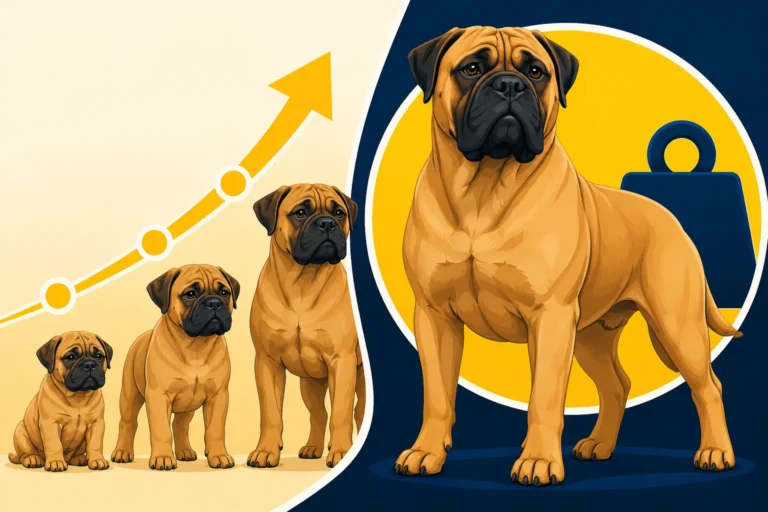
The Bullmastiff Has Been Sliding Down the Rankings for Thirty Years
It can be disheartening to see a beloved dog breed, especially one as magnificent and loyal as the Bullmastiff, experience a decline in popularity. For those of us who have lived with these incredible dogs, the idea that fewer families are welcoming them into their homes might feel like a personal loss, and it raises a lot of questions about the future of the breed. This guide explores the reasons behind the Bullmastiff's shifting status in the dog world, what that means for both prospective and current owners, and why, despite the numbers, their unique charm continues to capture hearts.
Understanding the Shifting Sands of Breed Popularity
When we talk about a breed "sliding down the rankings," it's not a judgment on the dogs themselves, but rather a reflection of registration numbers compiled by organizations like the American Kennel Club (AKC). These rankings are often seen as a barometer of public interest, influencing everything from the availability of puppies to the resources dedicated to breed health research. For Bullmastiff lovers, witnessing this decline can feel like watching a treasured part of the canine world slowly fade from the mainstream spotlight.
How Breed Popularity is Measured and What It Means
Breed popularity is primarily gauged by the number of individual dogs registered each year with national kennel clubs. A higher ranking typically means more puppies are being bred and registered, indicating strong demand from the general public. Conversely, a drop in these rankings suggests fewer people are choosing that particular breed. It's not an exact science, of course; plenty of wonderful dogs go unregistered, but these figures provide a broad stroke picture of general trends. For a breed like the Bullmastiff, a consistent downward trend over decades signals a significant shift in public perception and choice.
Consider a family looking for a new puppy. They might casually scroll through online lists of popular breeds, or ask friends for recommendations. If a breed consistently falls lower on these lists, it simply gets less exposure, less immediate consideration. This can create a feedback loop where less demand leads to fewer breeders, which in turn can make the breed harder to find, further reducing its visibility. It's a tough cycle for a breed to break out of, especially when competing with breeds that frequently top the charts.
The Bullmastiff's Historical Presence and Peak
While the Bullmastiff might seem like a niche breed to some today, they've had their moments of significant popularity. Originating in 19th-century England as the "Gamekeeper's Night Dog," they were specifically bred to track and hold poachers without mauling them, a unique purpose that spoke to their balanced temperament – powerful yet controllable. The Bullmastiff Was Built to Catch Poachers in the Dark This historical role quickly earned them respect and recognition, leading to their formal acceptance by the Kennel Club in 1924 and the AKC in 1933.
For several decades, especially through the mid to late 20th century, the Bullmastiff held a respectable position in the rankings. Their imposing presence, coupled with a reputation for loyalty and a surprisingly gentle nature indoors, made them an attractive choice for those seeking a guardian with a heart of gold. Many grew up with stories or experiences of a family Bullmastiff, a comforting presence on the hearth or a watchful eye over children. However, as lifestyle trends changed, and other breeds gained traction, the Bullmastiff's specific attributes began to be seen differently, contributing to its gradual descent in the public eye.
The Factors Contributing to the Bullmastiff's Decline
The reasons behind a breed's decline are rarely simple; they're usually a complex interplay of various factors. For the Bullmastiff, elements like significant health challenges, the undeniable cost of ownership for a giant breed, and the specific demands of their temperament and size all play a role in their decreasing appeal to the average dog owner. These aren't necessarily flaws in the breed, but rather realities that make them a less suitable fit for modern lifestyles or expectations.
Health Concerns and the Inevitable Short Lifespan
One of the most heart-wrenching realities of owning a Bullmastiff is their relatively short lifespan. With many living only The Median Bullmastiff Lives Eight and a Half Years, it’s a difficult truth that often comes as a shock to prospective owners. We all want our furry family members with us for as long as possible, and the knowledge that your time with a Bullmastiff might be cut short can be a significant deterrent. It's not just the brevity of their lives, but the quality of that life, especially in their later years, that poses a concern.
Bullmastiffs are unfortunately predisposed to several serious health conditions that can be both devastating and incredibly expensive to manage. Cancer, particularly lymphoma and osteosarcoma, is a leading cause of death. Lymphoma Kills More Bullmastiffs Than Anything Else Cardiac issues, such as subaortic stenosis, can also strike early, sometimes even before their first birthday. Subaortic Stenosis Is There Before a Bullmastiff's First Birthday These are not minor ailments; they often require specialized veterinary care, extensive diagnostics, and ongoing medication, placing a heavy emotional and financial burden on owners. The thought of facing such health battles and knowing your time is limited can understandably make people hesitate.
The True Financial Weight of Giant Breed Ownership
Beyond the potential for high vet bills due to health issues, the sheer cost of daily care for a Bullmastiff is a significant factor. Everything for a giant breed tends to cost more, simply due to their size. From larger food portions – a Bullmastiff can eat a substantial amount of kibble each day, meaning frequent trips to stores like Chewy for big bags – to bigger crates, beds, and even larger doses of medications like flea and heartworm preventatives, the expenses add up quickly.
Consider the cost of a typical vet visit: anesthesia, medications, and even nail trims are often priced by weight. If your Bullmastiff needs an emergency procedure, such as for bloat – a life-threatening condition giant breeds are prone to – the bill can be astronomical. Bloat in a Bullmastiff This financial reality can be a rude awakening for those not fully prepared, and it certainly gives pause to families on a tighter budget. Many choose to invest in pet insurance early to help offset these potential costs, but even premiums for a giant breed like a Bullmastiff can be substantial due to their predispositions. What Insurance Covers on a Bullmastiff The cumulative cost over their lifespan, even a shorter one, can be truly staggering. Eight and a Half Years of a Bullmastiff, Priced Out
Temperament, Training, and Lifestyle Demands
While their loyal and protective nature is a hallmark of the breed, a Bullmastiff's unique temperament and substantial size also present specific challenges that might not align with every owner's lifestyle. They are powerful dogs, bred to deter and hold, and this inherent strength and deliberate nature require a confident, consistent handler. Training a Bullmastiff That Weighs More Than You Do A Bullmastiff puppy might be adorable, but they quickly grow into an unmovable force if not properly guided.
Their stubborn streak and "wait and see" attitude can be endearing to those who understand it, but frustrating for first-time dog owners expecting instant obedience. They aren't dogs that live to please in the same way some retrievers might; they often pause to decide if your request is worth their effort. The Bullmastiff That Pauses to Decide Whether You Are Worth It Furthermore, their guarding instincts, while generally reserved, mean they need extensive socialization from a young age to ensure they differentiate between a welcome guest and a perceived threat. Living with a Bullmastiff means accepting a certain level of drool, shedding, and a dog who will likely follow you from room to room, often leaning against you, demanding physical closeness. These are not low-maintenance pets, and their needs for space, training, and early socialization can be a lot for a busy modern family to take on.
The Rise of Other "Guardian" Breeds and Modern Preferences
In the world of protective dog breeds, the Bullmastiff now shares the stage with, and is often overshadowed by, a variety of other dogs. Many modern families, seeking a protective companion, might lean towards breeds that are perceived as having a longer lifespan, fewer health issues, or perhaps a more "active" guardian role. This shift in preference has undoubtedly contributed to the Bullmastiff's diminishing registration numbers.
Changing Perceptions and Competing Breeds
Decades ago, the Bullmastiff's reputation as a silent, formidable guard dog with a gentle disposition made them stand out. Today, however, there's a wider array of breeds marketed for their protective qualities, many of which are seen as more "fashionable" or better suited to certain aesthetics. Breeds like the Cane Corso, Rottweiler, and Doberman Pinscher have seen surges in popularity, often appealing to owners looking for a striking appearance combined with strong protective instincts.
These competing breeds, while also requiring significant training and commitment, sometimes carry different public perceptions regarding their health or activity levels. The Cane Corso, for example, is often chosen for its sleek, muscular build and intense loyalty, sometimes perceived as a more agile or "sporty" guardian. While the Bullmastiff is powerful, their deliberate nature means they won't always be the fastest on their feet, a trait that might be less appealing to those looking for a high-energy partner for activities like jogging or intense dog sports. These evolving tastes and the broad availability of other strong, loyal breeds mean the Bullmastiff has more competition for the top spots in people's consideration lists. How a Bullmastiff Differs From a Cane Corso
Misconceptions About the Bullmastiff's Role and Temperament
Another challenge facing the Bullmastiff's popularity is a fundamental misunderstanding of their historical role and innate temperament. The phrase "guard dog" conjures images of fierce, barking protectors for many, but the Bullmastiff was specifically bred to work silently and to hold, not to attack or maul. A Bullmastiff Was Bred to Hold a Man, Not Bite Him Their job was to incapacitate a poacher with their weight and strength, pinning them until the gamekeeper arrived. This quiet, deliberate approach is often at odds with the modern expectation of a vocal deterrent. The Silent Guard: Why a Bullmastiff Barks So Little
Many potential owners see their imposing size and assume a constant, aggressive watchfulness, which isn't typically the Bullmastiff's style. They are observant and protective of their family and territory, certainly, but not generally prone to excessive barking or outward aggression unless truly provoked. This nuanced temperament, which values discernment and calm confidence over frantic displays, can be misinterpreted as laziness or lack of protective instinct by those unfamiliar with the breed's history. These misconceptions can lead people to overlook the Bullmastiff in favor of breeds whose guarding methods are more overtly "showy" or align more closely with popular media portrayals of protective dogs.
Navigating the Search: Finding a Bullmastiff Today
For those dedicated to bringing a Bullmastiff into their lives, the declining popularity doesn't mean the dream is impossible, but it does mean the search might require a bit more effort and patience. Finding a responsible breeder or a worthy rescue dog becomes even more critical in an environment where fewer dogs are being bred.
The Quest for a Reputable Breeder
With fewer Bullmastiffs being bred overall, the pool of truly reputable breeders can seem smaller and harder to access. It's not uncommon to encounter long waitlists or to need to travel significant distances to find a puppy from a breeder who adheres to the highest standards. A responsible Bullmastiff breeder will be deeply committed to the health and longevity of their lines, performing extensive health screenings on their breeding stock for common issues like hip and elbow dysplasia, heart conditions, and certain cancers. What a Bullmastiff Breeder Should Have Screened
They will be transparent about the health history of their dogs' parents and grandparents, sometimes even tracking cancer incidence in their pedigrees. Don't be surprised if they ask you as many questions as you ask them – they want to ensure their puppies are going to responsible, prepared homes. This thorough vetting process, while sometimes feeling intrusive, is a sign of a truly dedicated breeder. They might recommend specific food brands, or discuss the benefits of ordering large-breed puppy food from a reliable retailer like Chewy, knowing the importance of slow, steady growth for joint health.
Considering Bullmastiff Breed Rescue
For many, rescue offers a rewarding path to Bullmastiff ownership. Breed-specific rescues often take in Bullmastiffs of all ages who, through no fault of their own, find themselves in need of a new home. This could be due to owner surrender, changing family circumstances, or even rescue from neglectful situations. Adopting from a rescue organization not only gives a deserving Bullmastiff a second chance but also often means you're getting a dog whose temperament is already known, and who may have received some basic training and veterinary care. Adopting a Bullmastiff From Rescue
Rescue organizations are invaluable resources, offering dogs who might otherwise be overlooked. They typically provide thorough assessments, foster care, and transparent information about the dog's background and needs. While you might not get a young puppy, you gain the wisdom and settled nature of an adult dog, often bypassing some of the intense puppy stages. It's a fantastic way to experience the unique love of a Bullmastiff while making a profound difference in a dog's life.
What This Means for Current Bullmastiff Owners
If you're already a proud Bullmastiff owner, the news of declining breed popularity might spark concern, but it also highlights the vital role you play in the breed's future. Your experiences, your care for your dog, and your willingness to share the joys and realities of Bullmastiff ownership are more important than ever.
The Importance of Community and Advocacy
As a breed's popularity wanes, the dedicated community of owners, breeders, and enthusiasts becomes its strongest advocate. Connecting with other Bullmastiff owners, whether through local clubs, online forums, or social media groups, provides an invaluable support system. This community is a place to share advice on everything from diet and exercise (perhaps discussing the best large breed dog food options available on Chewy) to navigating training challenges and celebrating milestones. It's also where you can find emotional support when facing the difficult realities of their health or shorter lifespan.
Beyond personal connection, owners have a crucial role in advocating for the breed. This means being responsible owners, ensuring your Bullmastiff is well-behaved and a good ambassador for the breed. It also means educating others about the breed's true nature, dispelling misconceptions, and being open about the commitment involved. Your positive experiences can inspire others, and your honest insights can help prospective owners make informed decisions.
Preserving the Breed: Health and Responsible Breeding
For current Bullmastiff owners, especially those with breeding potential, there's an increased responsibility to focus on health and responsible breeding practices. With a smaller gene pool, every breeding decision holds more weight. This means prioritizing comprehensive health testing, maintaining meticulous records, and making ethical choices that aim to improve the breed's overall health and longevity. Supporting breeders who actively screen for conditions like Why a Bullmastiff's Lymphoma Risk Is Five Times a Mixed Breed's or Hips and Elbows Under a Hundred and Thirty Pound Bullmastiff is paramount.
Even if you don't plan to breed, simply caring for your Bullmastiff in a way that maximizes their health and lifespan contributes to the breed's well-being. Keeping them lean, providing appropriate exercise, and being proactive with veterinary care, including regular check-ups and discussions about preventative measures like joint supplements, all play a part. Every healthy, well-adjusted Bullmastiff helps to showcase the very best of the breed, counteracting negative stereotypes and encouraging continued appreciation for these magnificent dogs.
The Enduring Appeal of the Bullmastiff
Despite the numbers and the challenges, the Bullmastiff continues to be cherished by those who understand and appreciate their unique qualities. Their decline in popularity doesn't diminish their inherent value or the profound impact they have on the lives of their families. For many, once you've had a Bullmastiff, no other breed quite measures up.
Unmatched Loyalty and Affection
What truly sets the Bullmastiff apart, and what keeps owners coming back to the breed, is their unparalleled loyalty and deep affection for their families. They are truly devoted companions, often forming an incredibly strong bond with their people. They thrive on companionship, wanting to be wherever you are, often content to simply lay at your feet or lean against your leg, offering a comforting presence. This intense loyalty translates into a protective instinct that is both formidable and reassuring.
They might not be the most demonstrative dogs, often showing their affection with a gentle head nuzzle or a quiet sigh, but their devotion is undeniable. For families seeking a true companion who will stand by them, through thick and thin, the Bullmastiff offers a profound and unwavering love that is hard to find in other breeds. It’s this deep emotional connection that makes all the challenges of ownership feel worthwhile, overshadowing any fleeting trends in popularity.
Their Unique Temperament as the "Gentle Giant"
The Bullmastiff's defining characteristic, often earning them the moniker "gentle giant," is their remarkable blend of strength and sweetness. They possess an intimidating physical presence, but their true nature is typically calm, confident, and surprisingly gentle, especially with children they've been raised with. A Bullmastiff With Children They are not hyperactive dogs; rather, they prefer to be close to their family, observing the household from a comfortable spot. What a Bullmastiff Does All Day
This unique combination makes them exceptional family dogs for those who understand and respect their power. They are discerning guardians, capable of defending their home, but equally content to be a cuddly couch potato. Their quiet dignity and steadfast nature are qualities that resonate deeply with those who appreciate a dog with substance and character. In a world often chasing the latest trend, the Bullmastiff offers an enduring, classic companionship that, for the right family, is simply irreplaceable. They are a testament to the idea that some things are simply too good to ever truly go out of style, no matter where they land on a popularity list.
Disclaimer
This article is for general informational purposes only and does not constitute professional advice. Laws, prices and regulations vary by location and change over time. Consult a qualified professional for guidance on your specific situation.