The Household a Bullmastiff Was Built For
Bringing a Bullmastiff into your home is a decision that extends far beyond simply choosing a cute puppy. Many prospective owners are drawn to their imposing size and noble appearance, but often don't fully understand the specific environment and lifestyle that truly allows this magnificent breed to thrive. This guide aims to paint a realistic picture of the ideal household a Bullmastiff was built for, helping you determine if your home is truly ready for a loyal, powerful, and utterly devoted companion.
The Historical Blueprint: What a Bullmastiff Was Bred For
To truly understand what kind of household a Bullmastiff needs today, we have to look back at their origins. These dogs weren't bred for delicate parlor life or intense athletic competitions. Their very existence was crafted around a specific job, under very specific conditions, and those traits are still deeply ingrained in their DNA.
The Gamekeeper's Companion: Why it Matters
Imagine the rugged English estates of the 19th century. Poaching was a real threat, and gamekeepers needed a formidable guardian that could patrol vast properties, often alone, under the cover of darkness. This wasn't a dog meant to chase down every rabbit or bark incessantly at every rustle in the bushes. No, the Bullmastiff's ancestors, a precise blend of Mastiff and Bulldog, were developed to work silently and with immense power. They needed to cover ground quickly enough to catch a human intruder, but with the specific instruction to A Bullmastiff Was Bred to Hold a Man, Not Bite Him. This meant a dog with controlled strength, excellent discernment, and a strong sense of its territory.
This historical role translates directly into their needs today. A Bullmastiff thrives when it feels it has a job, even if that job is simply "guarding the family." They aren't dogs that are content to be relegated to a kennel or a backyard; they consider themselves integral members of the household, surveying their domain from a comfy spot on the couch. Their silent nature, honed by generations of night work, means they often don't bark unless there's a genuine reason, which can be a huge plus for neighbors, but also means their warning is often a low rumble or a sudden, imposing presence rather than a flurry of yaps.
Protection, Not Aggression: The Nuance of Their Guarding
It’s crucial to distinguish between a protective instinct and outright aggression. A Bullmastiff possesses an inherent desire to protect its family and territory, a trait that served the gamekeepers well. However, they were specifically bred not to maul or viciously attack a poacher. Instead, their job was to corner, hold, and detain. This required a dog with immense physical strength, unwavering courage, and excellent judgment. They had to be smart enough to differentiate between a threat and a friend, and physically capable of holding a grown man without causing excessive injury.
In a modern household, this means you get a loyal, watchful guardian who will likely assess strangers with a calm, discerning gaze rather than lunging or barking furiously. They often prefer to observe quietly, positioning themselves between you and a perceived threat, perhaps even Why a Bullmastiff Leans on People as a subtle territorial claim. This protective nature means they need proper socialization from a young age, so they learn who is a welcome guest and who isn't. Without this, their natural guarding instincts can be misdirected, leading to distrust or fear. It’s a fine line to walk, ensuring they are confident and protective without being overly suspicious or reactive.
Space and Environment: More Than Just a Yard
When people think of large dogs, they often assume they need acres of land to roam. While a Bullmastiff certainly appreciates space, the type of space and how it's used is far more critical than sheer acreage. Their needs are rooted in their nature as a "homebody" guardian.
Indoor Living for a Gentle Giant
Despite their imposing size, Bullmastiffs are not outdoor dogs. They are deeply bonded to their families and crave being a part of the daily household rhythm. A Bullmastiff wants to be wherever you are – whether you’re cooking in the kitchen, watching TV in the living room, or working at your desk. They are affectionately known as "shadows" for a reason; they will follow you from room to room, often settling for a nap at your feet. This intense desire for companionship means they absolutely thrive in a home where they are allowed to be primarily indoors, close to their people.
Providing them with a comfortable, designated indoor space is paramount. A large, orthopedic dog bed is a necessity, not a luxury, especially for a breed prone to joint issues later in life. Imagine their heavy bodies on hard floors all the time – it's just not comfortable or good for them. You'll find a wide array of options for extra-large, supportive beds from retailers like Chewy, ensuring your giant friend has a proper place to rest. Their ideal setup involves a soft spot near the family's main gathering area, allowing them to participate in family life even when they're snoozing.
The Myth of the "Yard Dog"
This is one of the most common misconceptions about giant breeds. Many people assume a big dog needs a big yard to be happy, and therefore, it can live outdoors. Nothing could be further from the truth for a Bullmastiff. While a securely fenced yard is incredibly beneficial for allowing them to stretch their legs and do their business, it is not a substitute for human interaction and indoor companionship. A Bullmastiff left alone in a yard for extended periods will likely become bored, lonely, and potentially destructive or excessively vocal – behaviors entirely out of character for the breed when properly integrated into a home.
Furthermore, Bullmastiffs are particularly sensitive to extreme temperatures. Their short muzzle makes them prone to overheating in warm weather, and their short coat offers little protection in the cold. Why Eighty Degrees Is Dangerous for a Bullmastiff is a critical piece of knowledge for any owner. This means even in a yard, they can't simply be left out for hours on end, especially during summer or winter months. A Bullmastiff requires a household that understands these physical limitations and prioritizes their comfort and safety by providing a climate-controlled indoor environment.
Family Dynamics: Who Thrives with a Bullmastiff
A Bullmastiff isn't just a pet; they become a true member of the family, often taking on a guardian role. Their interactions with the people and other animals in their household are deeply ingrained in their nature, making the existing family dynamic a crucial consideration.
Children and Their Canine Guardian
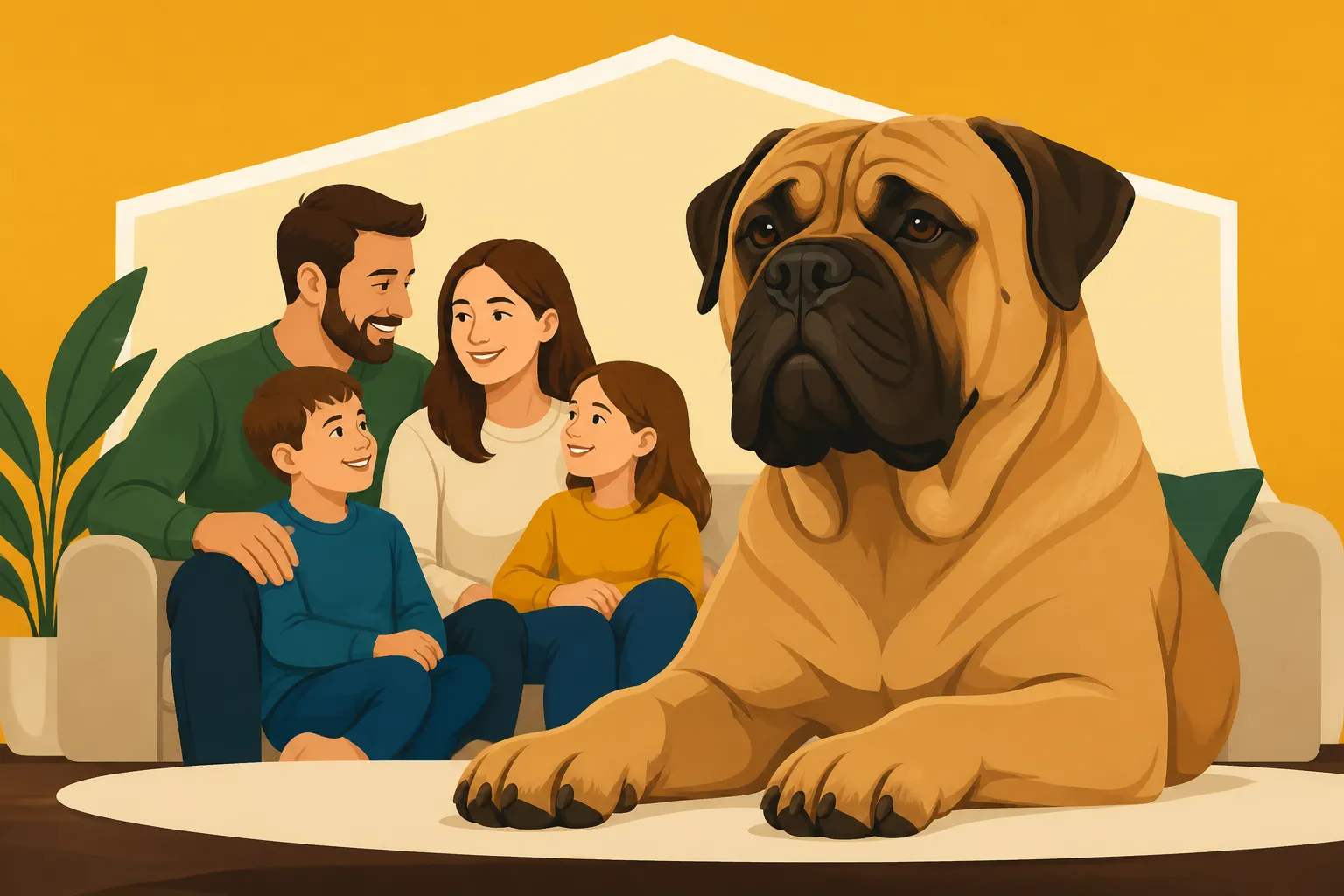
Bullmastiffs generally have a wonderful reputation with children, often displaying a calm, patient, and protective demeanor. Many describe them as "nanny dogs," gently supervising the younger members of their pack. They tend to be very tolerant of the usual chaos that comes with kids, from accidental tugs to noisy play. However, their sheer size and strength mean that supervision is always essential, especially with very young children. A clumsy wag of their powerful tail or an enthusiastic lean can easily knock over a toddler. It's not maliciousness; it's simply physics when you have A Hundred and Thirty Pounds of Bullmastiff, Measured interacting with a tiny human.
The ideal household with children will instill respect for the dog from a young age, teaching kids how to interact safely and kindly. Bullmastiffs often treat children as their special charges, shadowing them and intervening if they perceive a threat. This creates a deep bond, but also requires parents to be mindful of boundaries. An experienced owner understands that while a Bullmastiff is incredibly tolerant, no dog should ever be left unsupervised with very young children, especially if the children don't understand how to interact respectfully with an animal. This breed thrives in a family where both dog and children are taught appropriate conduct.
Integrating with Other Pets: Dogs, Cats, and Small Animals
When it comes to other dogs, Bullmastiffs can be a mixed bag, and it often comes down to individual temperament, early socialization, and the sex of the other dog. They can live harmoniously with other dogs, especially if raised together from a young age. However, they are known for Same Sex Aggression in Bullmastiffs, particularly between two males, which stems from their strong, dominant personalities and guarding instincts. Introducing a second Bullmastiff, especially of the same sex, often requires careful consideration and an owner experienced in handling strong-willed dogs. If you already have a male dog, a female Bullmastiff is often a safer bet, and vice-versa.
As for cats and smaller pets, a Bullmastiff's natural prey drive is typically low, especially if they are raised with these animals from puppyhood. Many Bullmastiffs live quite peacefully with feline companions, often ignoring them or even developing playful bonds. However, any new small pet should be introduced with extreme caution and supervision. They might not actively chase, but their size alone could be intimidating or accidental. The ideal household for a Bullmastiff with other pets is one where introductions are slow, controlled, and where the Bullmastiff has a clear understanding of its place in the pack, ideally with an owner who has experience managing multi-pet homes.
The Single Owner vs. The Family Unit: Adaptability and Companionship Needs
While a Bullmastiff certainly thrives in a bustling family environment, they can absolutely be wonderful companions for a single owner, provided that individual is committed to meeting their significant companionship needs. These dogs bond very deeply with their primary caregiver and thrive on consistent presence. They aren't the kind of dog you can leave alone for ten hours a day while you're at work, only to offer a quick walk and dinner when you get home. They crave interaction, gentle affection, and simply being with their person.
A single owner would need to ensure they have the time and energy to provide sufficient companionship, engagement, and training. This might mean working from home, having a flexible schedule, or employing a trusted dog walker or sitter for periods of absence. The benefit for a single owner is that the Bullmastiff's loyalty is often singular and unwavering, leading to an incredibly strong, devoted bond. For either a single owner or a family, the key is the dedication to integrating the Bullmastiff into daily life as a true family member, rather than an appendage.
Time Commitment: Are You Ready for a Shadow?
Owning a Bullmastiff is a significant time investment, far beyond just feeding and walking. They require consistent training, socialization, and, perhaps most importantly, your presence. This isn't a breed for the faint of heart or those with perpetually packed schedules.
Daily Routine and Exercise Needs
While Bullmastiffs are not high-energy dogs in the same vein as a Border Collie or a Husky, they still need regular, moderate exercise to stay healthy, both physically and mentally. A common misconception is that their large size means they need hours of intense running. In reality, What a Bullmastiff Needs Every Day, Which Is Less Than You Think. Two brisk walks a day, lasting 20-30 minutes each, are usually sufficient for an adult. This can be supplemented with some supervised playtime in a secure yard. The emphasis here is on brisk and consistent. A sedentary Bullmastiff is an unhealthy Bullmastiff, prone to weight gain and joint issues.
However, it's not just about physical activity. Bullmastiffs also benefit from mental stimulation. Short training sessions, puzzle toys, and opportunities to "patrol" their home or yard (if securely fenced) can help keep their minds sharp. The ideal household understands that their daily routine needs to accommodate these regular exercise and engagement periods. This also applies to Bullmastiff puppies, who need controlled exercise to protect their developing joints. The Exercise Limit for a Bullmastiff Puppy is crucial to understand to prevent future orthopedic problems.
Training and Socialization Imperatives
Training a Bullmastiff isn't optional; it's an absolute necessity. Given their size and strength, an untrained Bullmastiff can be a handful, if not dangerous. Imagine a 130-pound dog pulling on the leash, jumping on guests, or refusing to move when you want it to. Their intelligence combined with their natural stubbornness means they need a confident, consistent, and patient leader. Positive reinforcement methods work best, as they are sensitive dogs who shut down with harsh correction. Why Harsh Correction Fails on a Bullmastiff is something every owner quickly learns.
Early and ongoing socialization is equally vital. Exposing your Bullmastiff puppy to a wide variety of sights, sounds, people, and other well-behaved dogs from a young age helps them develop into confident, well-adjusted adults. This prevents them from becoming overly suspicious or fearful, which could manifest as guarding issues later on. The ideal household is one that commits to puppy classes, regular training sessions, and continuous exposure to new, positive experiences throughout the dog's life. This also means being diligent about managing interactions when guests come over, perhaps utilizing a crate initially when A Bullmastiff Should Be Crated When Guests Come until they've learned proper greeting etiquette.
Alone Time and Separation Anxiety
Bullmastiffs are deeply companion-oriented dogs, and they do not fare well when left alone for long periods. They thrive on human presence and can develop separation anxiety if consistently isolated. How Long a Bullmastiff Copes Alone is not as long as some might hope. An hour or two is fine, perhaps a bit longer if they're well-exercised beforehand and have stimulating toys. However, a full workday of 8-10 hours alone is often too much for them. This can lead to destructive behaviors, excessive drooling, or even attempts to escape, all rooted in distress.
The ideal household either has someone home most of the day, or has a well-thought-out plan for when the Bullmastiff must be left. This could involve staggered work schedules between family members, a trusted dog walker who visits midday, or doggy daycare for limited periods. It also means investing in high-quality, durable chew toys and perhaps a comfortable crate (if introduced positively) to provide a safe den when you are away. Neglecting their need for companionship can lead to a host of behavioral problems that are far more difficult to correct than they are to prevent.
Financial Considerations: The Cost of a Large Companion
Let's be blunt: Bullmastiffs are expensive dogs to own. Their size directly correlates with higher costs in almost every category, from food to medication. Anyone considering this breed needs to have a realistic understanding of the financial commitment involved. This isn't just about the initial purchase price; it's about the ongoing, often substantial, expenses throughout their life.
Food, Vet Care, and Unexpected Bills
Imagine feeding a dog that can easily outweigh an adult human. Feeding a Hundred and Thirty Pound Bullmastiff is not cheap. They require high-quality, large-breed dog food to support their massive frames and ensure proper nutrition without over-accelerating growth, especially as puppies. The sheer volume they consume means monthly food bills can be substantial. Beyond food, routine veterinary care – vaccinations, parasite prevention, annual check-ups – also costs more simply because medication dosages are based on weight. A flea and tick preventative for a 130-pound dog is far more expensive than for a 20-pound terrier.
Then there are the unexpected bills. Bullmastiffs, unfortunately, are prone to several significant health issues, including Lymphoma Kills More Bullmastiffs Than Anything Else, hip and elbow dysplasia, Subaortic Stenosis Is There Before a Bullmastiff's First Birthday, and bloat. A single emergency vet visit for bloat surgery or a round of chemotherapy for cancer can easily run into thousands of dollars. Chemotherapy Is the Bill Most Bullmastiff Owners Face for this breed. The ideal household is one that has either a robust emergency fund specifically for pet care or comprehensive pet insurance in place.
Insurance and Emergency Funds: Planning for the Inevitable
Given the breed's propensity for serious health conditions and the high cost of treating them, pet insurance is a wise investment for a Bullmastiff owner. It's not just a "nice to have"; for many, it's what makes critical treatments affordable. Policies can help cover a significant portion of unexpected veterinary expenses, from accidents to illnesses like cancer. It's crucial to look for policies that offer good coverage for hereditary conditions, as many Bullmastiff issues fall into this category. Why a Bullmastiff's Premium Is High is simply a reflection of their genetic predispositions.
Even with insurance, a deductible and co-pay will apply, so an emergency fund is still a good idea. The ideal Bullmastiff household is one that understands these financial realities from the outset and plans accordingly. This forethought prevents agonizing decisions down the line where cost might dictate treatment options. It’s an investment in your dog's health and your own peace of mind, knowing you can provide the best care possible for your beloved companion throughout their life.
Temperament and Lifestyle Fit: Understanding the Bullmastiff Mind
More than any other factor, understanding the Bullmastiff's unique temperament is key to a harmonious household. These are not dogs for everyone, and their strong personality requires a specific kind of owner.
Calmness and Deliberation: Their Hallmark Traits
One of the most defining characteristics of a Bullmastiff is their calm and deliberate nature. They are often described as "couch potatoes" or "gentle giants" indoors. They aren't typically bouncy or hyperactive; instead, they prefer to observe the world from a comfortable vantage point. Their movements are often slow and purposeful, and they tend to think before they act. This deliberation, while endearing, can sometimes be mistaken for stubbornness or a lack of intelligence, especially in training. Why a Bullmastiff Pauses Before Obeying is often them processing the request, not defiance.
This calm demeanor makes them excellent house dogs, providing they receive adequate mental and physical stimulation. They are usually not prone to frantic pacing or excessive energy bursts inside the home. The ideal household appreciates this quiet presence and understands that a Bullmastiff's "laziness" is often a deep sense of calm confidence. They enjoy simply being near their people, offering a grounding presence that many find incredibly comforting.
Stubbornness and Sensitivity: The Training Challenge
While intelligent, Bullmastiffs are also famously stubborn. They possess an independent streak that means they won't blindly obey commands just because you said so. They often need to understand why they should do something, or at least be sufficiently motivated. This is where patience, consistency, and positive reinforcement become paramount. They respond poorly to harsh corrections or yelling; their sensitive nature means they can become sullen or simply shut down if treated unkindly. How Sensitive a Bullmastiff Is might surprise some first-time owners.
The ideal owner for a Bullmastiff is firm but fair, consistent, and endlessly patient. They understand that training is an ongoing dialogue, not a dictation. They use treats, praise, and play to motivate their dog, making training a fun and rewarding experience for both. A Bullmastiff thrives with an owner who respects their intelligence and their strong will, and who is willing to put in the consistent effort required to shape their behavior through understanding and cooperation, rather than force.
The Bullmastiff's Love Language: Affection and Presence
Bullmastiffs are deeply affectionate dogs, but their expression of love isn't always overt or effusive like some other breeds. They show their devotion through their unwavering presence, their quiet observation, and their desire to be physically close to you. They are leaners, head-resters, and foot-warmers. They might gently nudge you for attention, or simply lay their massive head in your lap. For many Bullmastiff owners, this subtle yet constant affection is incredibly endearing.
The ideal household is one that understands and appreciates this unique "love language." They don't need constant vigorous play or effusive praise to feel loved. What they need most is your presence, your gentle touch, and the feeling of being an integral part of your life. This means a home where physical closeness is welcomed, and where their quiet companionship is cherished. If you're looking for a dog that will shower you with attention and always be by your side, the Bullmastiff will fit right into your household.
Special Considerations for the Bullmastiff Household
Beyond the basics, there are some unique aspects of living with a Bullmastiff that prospective owners need to be fully prepared for. These are not deal-breakers for the right family, but they are realities that need to be embraced.
Drool, Shedding, and Grooming: The Realities of Their Physical Care
Let's address the elephant in the room: drool. Bullmastiffs, with their loose jowls, are champions of slobber. How Much a Bullmastiff Drools can vary by individual, but generally, expect to have drool on your walls, furniture, and occasionally, yourself. It's just a part of their charm! Having dedicated "drool rags" strategically placed around the house becomes a way of life. If you're squeamish about dog slobber, this might not be the breed for you. Retailers like Chewy offer practical solutions like easy-to-clean bedding and durable dog bowls that can help manage some of the mess.
Shedding, surprisingly, isn't as extreme as you might expect for such a large dog. Their short, dense coats do shed year-round, with heavier periods seasonally. Regular brushing with a rubber curry mitt or a bristle brush will help keep it under control and minimize hair on your furniture. Beyond that, their grooming needs are relatively low-maintenance: occasional baths (when you're brave enough to wrangle a giant wet dog!), regular nail trims, and cleaning their facial wrinkles to prevent skin fold infections. The Wrinkles and Folds on a Bullmastiff's Face require attention to keep them clean and dry.
Temperature Sensitivity: Heat and Cold
As mentioned earlier, Bullmastiffs are not well-suited to extreme temperatures. Their brachycephalic (short-muzzled) structure makes them prone to overheating, as they cannot pant as efficiently as dogs with longer muzzles. They need to be protected from heatstroke, which can be life-threatening. This means limiting outdoor activity during the hottest parts of the day, providing plenty of fresh water, and ensuring they always have access to a cool, air-conditioned indoor environment during summer months. Signs a Bullmastiff Has Heatstroke are important to recognize.
Conversely, while their dense coat offers some protection, they are not Arctic dogs. In very cold climates, especially for older or less active individuals, they may benefit from a coat during walks to stay warm. The ideal household monitors weather conditions diligently and adjusts their Bullmastiff's outdoor time and environment accordingly, always prioritizing their comfort and safety.
Lifespan Realities and Senior Care: Preparing for Their Later Years
This is perhaps the hardest truth for many Bullmastiff owners: their lifespan is, sadly, relatively short. The Median Bullmastiff Lives Eight and a Half Years. This means that if you bring a Bullmastiff into your home, you need to be prepared for the likelihood of a shorter companionship than with many other breeds. This also means that their "senior years" can begin relatively early, often around age six.
Caring for an aging Bullmastiff brings its own set of challenges and costs. They may develop arthritis, struggle with mobility, experience cognitive changes, or face serious health conditions that are more common in older dogs. Caring for a Bullmastiff Past Six will involve more frequent vet visits, potentially expensive medications for pain management or organ support, and possibly mobility aids like ramps or supportive harnesses. The ideal household is one that enters into Bullmastiff ownership with open eyes, understanding this reality, and committed to providing loving, compassionate care for every single year, regardless of how few they may be. This includes preparing for the emotional toll of their relatively short time with you.
Table: Ideal vs. Unsuitable Bullmastiff Home Characteristics
| Characteristic | Ideal Bullmastiff Home | Unsuitable Bullmastiff Home |
|---|---|---|
| Living Space | Primarily indoors, near family; large, comfy beds. | Left outside in a yard; confined to a kennel. |
| Companionship | Family members home often; integrated into daily life. | Left alone for long workdays; isolated from family. |
| Exercise | Two moderate daily walks; secure yard for playtime. | Sedentary lifestyle; intense, forced running. |
| Training | Consistent, positive reinforcement; early socialization. | Inconsistent; relies on harsh correction; minimal exposure. |
| Family Type | Patient, calm owners; supervised interactions with kids. | High-strung or chaotic environment; unsupervised children. |
| Other Pets | Calm, well-socialized; careful introductions. | High prey drive in owner; no proper introductions. |
| Climate Control | Air-conditioned in summer; protected from extreme cold. | Exposed to heat/cold extremes; no indoor access. |
| Financial Prep | Emergency fund or pet insurance; budget for large dog expenses. | No financial planning for vet bills or high food costs. |
| Temperament Match | Appreciates quiet devotion; understands stubbornness/sensitivity. | Expects blind obedience; wants a constantly energetic dog. |
| Drool Tolerance | Accepts and manages drool as part of the breed. | Squeamish about slobber; expects a spotless home. |
Disclaimer
This article is for general informational purposes only and does not constitute professional advice. Laws, prices and regulations vary by location and change over time. Consult a qualified professional for guidance on your specific situation.