Whether a Bullmastiff Needs Deshedding
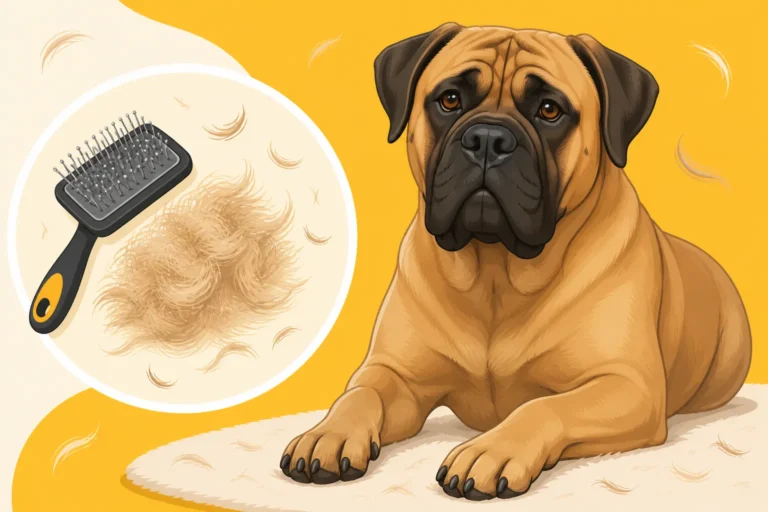
One of the common misconceptions about our big, beautiful Bullmastiffs is that their short, dense coats mean they don't shed much, or that special "deshedding" treatments are the answer. If you've ever found a fine layer of Bullmastiff hair on your dark pants or watched it tumble across your hardwood floors like tiny, fawn-colored dust bunnies, you know that simply isn't true. This guide will help you understand your Bullmastiff's coat, manage their shedding effectively, and decide if a "deshedding" service is truly what your beloved companion needs.
Understanding the Bullmastiff's Unique Coat
The Bullmastiff's coat is distinctively short, dense, and naturally weather-resistant, which is actually a relic from their origins as gamekeepers' companions. They needed a coat that could withstand the elements during long nights guarding estates, but not one that would get easily snagged or make them overheated during bursts of activity. This isn't a double coat like a Husky or a German Shepherd, which have a soft, insulating undercoat and a coarser topcoat. Instead, the Bullmastiff typically has a single, uniform coat.
This single coat, while practical for their original job, still goes through cycles. Just like our own hair, individual strands grow, live, and then fall out to be replaced by new ones. The illusion of low shedding often comes from the fact that the hairs are short and fine, so they don't create the same noticeable clumps that longer-haired breeds do. However, their sheer size means there are a lot of individual hairs, and when each of those hairs sheds, it adds up. If you feel your Bullmastiff's coat, you'll notice it's quite hard and close-lying. This texture plays a role in how the shedding manifests in your home.
Many owners are surprised by the amount of hair their Bullmastiff can actually lose. It's less about dramatic seasonal "blow-outs" and more about a consistent, year-round shedding process. Factors like diet, overall health, and even stress can influence the rate of shedding, but it's a constant reality of owning this wonderful breed. Understanding What a Bullmastiff's Coat Should Feel Like can give you a baseline for what's normal for your dog.
The Reality of Bullmastiff Shedding: It's Constant, Not Seasonal
Let's be real: Bullmastiffs shed. A lot. It's not the kind of shedding where giant clumps of fluff come off in your hands like some other breeds; instead, it's a steady, persistent release of fine, stiff hairs. These hairs have a magical way of embedding themselves into carpets, upholstery, and even your clothes, becoming surprisingly difficult to dislodge. You might not see big piles of fur, but you'll definitely notice the hair on your furniture, your dark clothes, and sometimes, even in your morning coffee!
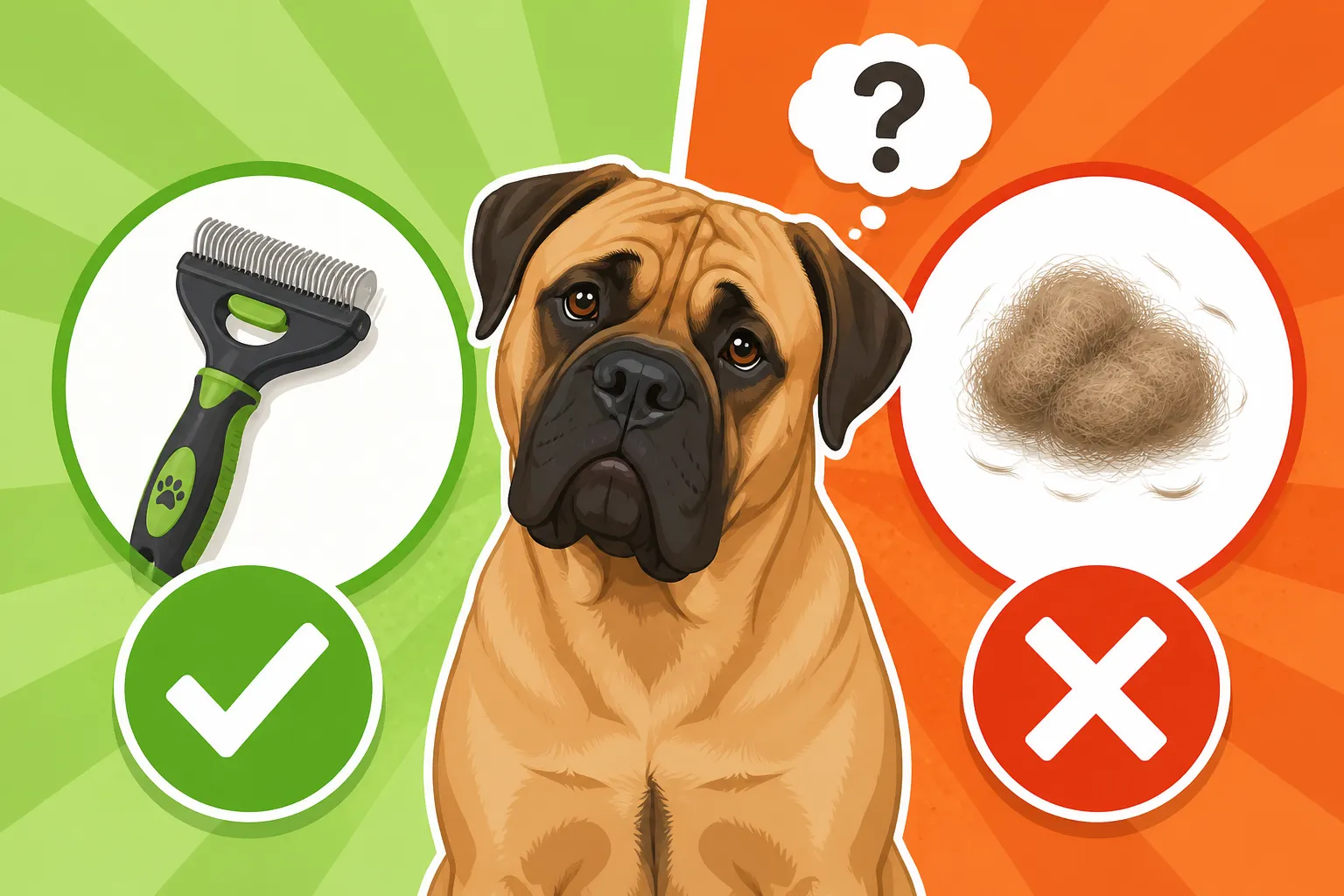
This consistent shedding means that regular maintenance is far more effective than trying to tackle it with an intensive "deshedding" treatment once or twice a year. Think of it less as a big, dramatic event, and more as a daily tidying-up ritual. While some breeds truly do benefit from professional deshedding services that target a thick undercoat, the Bullmastiff's coat structure doesn't lend itself to this in the same way. Their short, single coat means there isn't a dense undercoat to "de-shed" in the traditional sense. The goal for a Bullmastiff isn't to remove massive amounts of impacted undercoat, but rather to regularly remove the loose, dead hairs from their skin before they end up all over your home.
The amount your Bullmastiff sheds can fluctuate. You might notice slightly more shedding during changes in seasons, or if there's a shift in their diet or environment. Pay attention to their coat, as excessive or sudden shedding could sometimes indicate an underlying health issue. For most Bullmastiffs, however, it's simply their natural cycle. You might want to read How Much a Bullmastiff Sheds for more details on the typical shedding patterns.
Why "Deshedding" as a Specialized Service Might Not Be Ideal
When we talk about "deshedding" services, we're usually thinking about specialized treatments for breeds with dense double coats, like a Labrador Retriever or a Husky. These services typically involve powerful dryers, special shampoos, and specific tools designed to blast or rake out the thick, fluffy undercoat that those breeds develop. This process can be incredibly effective for them, removing huge volumes of dead hair that would otherwise accumulate.
However, a Bullmastiff doesn't have that kind of undercoat. Their short, sleek, and dense outer coat is what you're dealing with. Applying the same aggressive "deshedding" techniques to a Bullmastiff can actually be counterproductive, and even potentially irritating to their skin. Using a heavy-duty rake on a Bullmastiff's short, close-lying coat could pull out healthy hair, cause skin irritation, or even create tiny abrasions, especially given their generally sensitive skin. It's like trying to prune a rose bush with a chainsaw – it's the wrong tool for the job.
Furthermore, these services can be quite costly, and if the method isn't tailored to a Bullmastiff's specific coat type, you might be paying a premium for a service that yields minimal benefit or, worse, causes discomfort for your dog. For a Bullmastiff, the focus should always be on gentle, consistent grooming that supports their skin and coat health rather than an intense, infrequent overhaul. While some groomers might market a "deshedding" bath as suitable for all breeds, it's important to ask what specific techniques and tools they plan to use on your Bullmastiff's coat.
Effective Grooming Strategies for Managing Bullmastiff Shedding
Instead of relying on a special "deshedding" service, the key to managing your Bullmastiff's shedding lies in a consistent, proactive grooming routine right at home. It's all about regular maintenance to remove loose hairs before they have a chance to migrate to your furniture.
Here’s a table outlining common grooming tools and their suitability for a Bullmastiff's coat:
| Tool Type | Description | Suitability for Bullmastiffs |
|---|---|---|
| Rubber Curry Brush | Flexible rubber nubs, often shaped like a mitt. | Excellent. Gentle, stimulates circulation, and effectively pulls loose, short hairs without damaging the coat or irritating skin. Think of brands like Kong or even generic options found on Chewy. Great for daily or every-other-day use. Also helps distribute natural oils. |
| Bristle Brush | Natural or synthetic bristles, varying stiffness. | Good. Best for smoothing the coat, removing surface dust, and bringing out shine. Not as effective for deep shedding, but good for finishing. A firm bristle brush works well for their short, dense coat. |
| Shedding Blade | Metal loop with short teeth. | Use with caution/infrequently. Can be effective for removing dead hair on very short, dense coats, but can also be harsh or cut hair if not used properly. Best for quick passes on robust areas, not for delicate skin or over-use. Many Bullmastiff owners find this unnecessary if a curry comb is used regularly. |
| Fine-toothed Comb | Metal comb with tightly spaced teeth. | Limited use. Not primarily a shedding tool for Bullmastiffs, but useful for checking for fleas or debris in their short coat. |
| Deshedding Tools (e.g., Furminator-style) | Specialized tools with fine, sharp teeth designed to reach and remove undercoat. | Generally Not Recommended. These tools are designed for double-coated breeds with an undercoat. Using them on a Bullmastiff's single coat can cut healthy hair, cause skin irritation, or pull excessively, potentially damaging the coat. |
| Grooming Glove | Fabric glove with rubber nubs on the palm. | Excellent. Very similar to a rubber curry brush, but often preferred by dogs who enjoy the feeling of being petted. Works wonderfully to gather loose hair. You can find many options on Amazon. |
Regular Brushing is Your Best Friend
The single most effective thing you can do to manage Bullmastiff shedding is regular brushing. And by regular, I mean often. Ideally, a few minutes every day or every other day with the right tool will make a huge difference. A rubber curry brush or a grooming mitt is perfect for a Bullmastiff. These tools gently massage the skin, stimulate circulation, and effectively grab those short, loose hairs without being abrasive. Your Bullmastiff will likely enjoy the sensation, turning grooming into a bonding experience. Which Brush Suits a Bullmastiff and Whether a Rubber Mitt Works on a Bullmastiff offer more specific advice on tools.
During these brushing sessions, focus on getting all over your dog's body, paying particular attention to their back, sides, and chest where they tend to shed the most. You'll be surprised how much hair accumulates on the mitt or brush after just a few minutes. By removing these hairs proactively, you're preventing them from ending up on your sofa.
Bathing Routine
While not a daily task, a regular bath can also help release loose hairs. Aim for a bath every 4-8 weeks, or as needed if your Bullmastiff gets particularly dirty. Use a good quality dog shampoo that is gentle on their skin. During the bath, lather them up well and massage their coat to help loosen dead hairs. A rubber curry brush can be used during the bath to really work through the coat and assist in removing shedding hair. Always rinse thoroughly to avoid skin irritation, and ensure they are completely dry, especially in their folds. How Often a Bullmastiff Needs a Bath covers more about their bathing frequency.
After a bath, especially once they're towel-dried, a good brushing session will remove even more loosened hair. This combination of bathing and brushing is far more effective than an expensive "deshedding" treatment.
Diet and Health Considerations
Believe it or not, your Bullmastiff's diet plays a significant role in the health of their coat and, consequently, their shedding. A high-quality diet rich in essential fatty acids (like Omega-3 and Omega-6) can lead to a healthier, shinier coat and potentially reduce excessive shedding. Look for dog foods that list real meat as the first ingredient and contain healthy fats. Brands available on Chewy, like Merrick or Taste of the Wild, often prioritize quality ingredients.
Supplements like fish oil can also be beneficial, helping to nourish their skin and coat from the inside out. Always discuss any dietary changes or supplements with your veterinarian first. Moreover, good overall health is crucial. If your Bullmastiff is shedding excessively or has flaky skin, it could be a sign of allergies, parasites, or an underlying health condition. Regular vet check-ups are essential to rule out any medical reasons for unusual shedding. Maintaining a lean body condition is also paramount for their overall health, as discussed in Keeping a Bullmastiff Lean Is the Best Thing You Can Do.
Beyond Grooming: Keeping Your Home Tidy
Even with a stellar grooming routine, a Bullmastiff will still shed some hair. It’s an unavoidable part of living with these wonderful dogs. Therefore, having strategies for maintaining your home cleanliness is just as important.
Vacuuming and Cleaning
Invest in a good quality vacuum cleaner designed for pet hair. Look for models with strong suction and attachments that work well on upholstery. Regular vacuuming, especially in areas where your Bullmastiff spends a lot of time, will be your best defense against hair accumulation. For hard floors, a robot vacuum that runs daily can be a lifesaver. Companies like iRobot or Roborock have models specifically designed to handle pet hair.
Lint rollers are your friend for quick touch-ups on clothes, furniture, and car seats before heading out. Keep a few handy around the house. For stubborn hairs on fabric, a damp rubber glove can often work wonders, simply wiping the surface and gathering the hair into clumps.
Protecting Furniture
If you have furniture that you want to keep as hair-free as possible, consider using washable throws or slipcovers. These can be easily removed and tossed in the washing machine, saving your actual furniture from a constant battle with Bullmastiff hair. Opt for fabrics that are less prone to trapping hair, such as smooth, tightly woven materials rather than heavily textured ones. Remember, these dogs love to be close to their people, so preventing them from getting on furniture might be an uphill battle, but you can manage the impact!
Finally, embrace the reality. A Bullmastiff's love, loyalty, and companionship far outweigh the minor inconvenience of a little shedding. With consistent grooming and smart home maintenance, you can keep the hair under control and enjoy your gentle giant without constant worry about stray hairs. After all, a little dog hair is a small price to pay for the joy they bring into our lives.
Disclaimer
This article is for general informational purposes only and does not constitute professional advice. Laws, prices and regulations vary by location and change over time. Consult a qualified professional for guidance on your specific situation.