Whether a Bullmastiff Slips on Tile
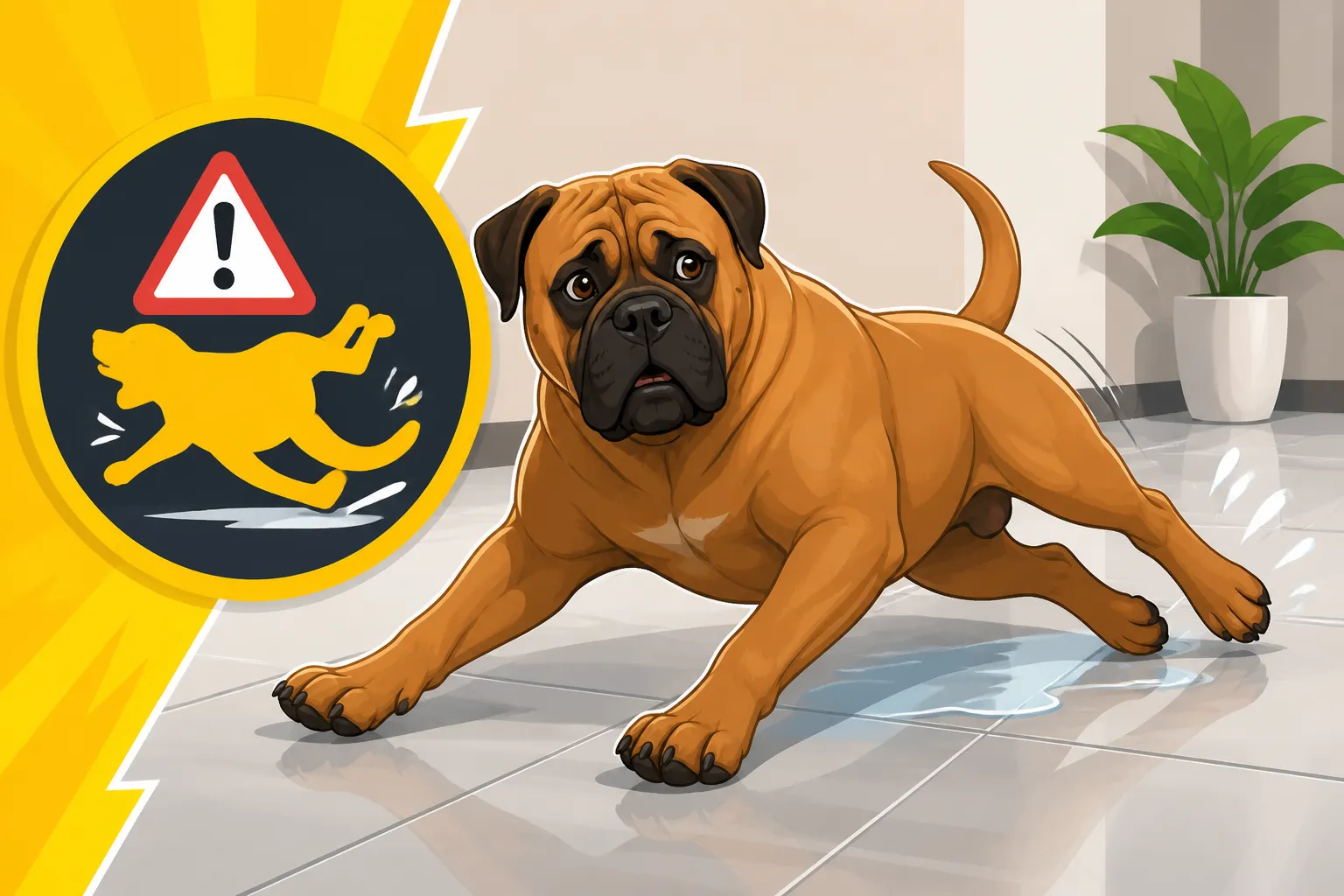
Anyone who shares their home with a magnificent Bullmastiff knows the sheer joy and sometimes, the sheer mass of these gentle giants. But if your home boasts beautiful tile floors, you might have noticed your big lug struggling to find his footing, looking like a graceful dancer attempting ballet on ice. This guide is here to tackle that exact frustration, offering comprehensive insights into why Bullmastiffs often slip on tile and, more importantly, a wealth of practical, empathetic solutions to help your beloved companion navigate your home safely and confidently.
Why Bullmastiffs Struggle on Slippery Surfaces
It's not just a clumsy moment; there are very real, physical reasons why a Bullmastiff might find tile floors challenging. Their very nature, from their impressive size to the way their paws are built, contributes to this struggle. Understanding these factors is the first step toward creating a safer environment for them.
Their Size and Weight
Imagine trying to balance a refrigerator on a set of roller skates – that's a bit what it's like for a Bullmastiff on a slick tile floor. Their substantial weight, often ranging from 100 to 130 pounds, is both their majestic hallmark and a significant handicap on smooth surfaces. When they take a step on a floor with low friction, that immense body weight carries momentum that's hard to stop or control once a paw starts to slide. A smaller, lighter dog might recover quickly from a minor slip, but for a Bullmastiff, even a small slide can turn into an ungainly tumble. The sheer force involved can put incredible strain on their joints and muscles as they try to correct themselves, often unsuccessfully. This isn't just uncomfortable; it's a genuine safety hazard.
Joint Health Concerns
The sad truth is that many large breeds, including our beloved Bullmastiffs, are predisposed to joint issues like hip and elbow dysplasia. These conditions, which can sometimes manifest even in younger dogs, mean that their joints aren't as stable or well-formed as they should be. A dog with perfectly healthy joints might manage a brief slip without injury, but for a Bullmastiff whose hips or elbows might already be compromised, a sudden slide can easily exacerbate existing pain, cause a sprain, or even lead to more serious damage. It's a vicious cycle: the pain from existing joint issues can make them hesitant to move confidently, which in turn can make them more prone to slipping as they try to compensate or move awkwardly. Owners often find themselves thinking about Hips and Elbows Under a Hundred and Thirty Pound Bullmastiff even before their dog is fully mature.
Paw Pad Traction
Take a moment to look at your Bullmastiff's paws. They're big, yes, but those paw pads are essentially their natural shock absorbers and traction control system. On soft ground or carpet, their tough, slightly abrasive pads and short, blunt claws provide excellent grip. However, on highly polished tile or sealed concrete, those pads can behave more like smooth rubber on ice. The design that works so well for their ancestral role of tracking poachers across varied terrain isn't quite suited for modern, slick indoor flooring. Long nails, in particular, can be a major culprit here, as they lift the paw pads off the ground, reducing the amount of surface area that can actually grip the floor. It's like walking on your tiptoes with slick shoes; there's just no purchase.
Lack of Core Strength in Puppies and Seniors
Just like humans, Bullmastiffs at different life stages have varying levels of strength and coordination.
Puppies: Young Bullmastiff puppies are bundles of uncoordinated energy. They're growing rapidly, their bones and joints are still developing, and their proprioception (the sense of where their body is in space) isn't fully honed. A puppy zooming across a tile floor might look endearing when they slip and slide, but repeated falls can be detrimental to their developing joints and can lead to a fear of those surfaces later on. We always need to be mindful of how a Bullmastiff Puppy Should Not Run on Concrete and extend that caution to any hard, slick surface in the home. It’s crucial to protect their joints during these formative months to prevent future issues like Hip Dysplasia in a Bullmastiff or Elbow Dysplasia in a Bullmastiff.
Seniors: As Bullmastiffs age, their muscle mass naturally diminishes, their joints stiffen (especially if arthritis has set in), and their overall coordination might decline. An aging Bullmastiff may already struggle with mobility, often exhibiting signs like Why an Aging Bullmastiff Struggles to Rise. Tile floors become even more treacherous for them. A simple task like getting up from a lying position or navigating a corner can become a Herculean effort filled with slips and anxiety. Their weakened core strength means they have less ability to quickly correct a slide, making falls more likely and potentially more damaging. Caring for an Aging Bullmastiff often involves rethinking their living spaces.
The Real Dangers of Slipping on Tile
While a momentary slip might seem minor, for a large, heavy dog like a Bullmastiff, the consequences can range from minor discomfort to severe, life-altering injuries. It's not just about them looking awkward; it's about their long-term health and well-being.
Acute Injuries from Falls
A Bullmastiff's size, combined with the forces involved in a fall, means that what might be a simple stumble for a smaller dog can result in significant injury for them. Imagine 100+ pounds of dog suddenly losing its footing. They can easily pull or strain muscles and ligaments in their legs, back, or neck. Sprains are common, especially in the hocks or wrists, as they twist awkwardly to regain balance. In worse cases, a severe fall could lead to fractures, particularly in the limbs, or even spinal injuries. These acute injuries often require extensive veterinary care, including diagnostics, pain management, and potentially surgery, followed by weeks or months of restricted activity and rehabilitation. A sudden yelp followed by limping is a clear sign that something serious has happened.
Exacerbating Chronic Conditions
Beyond acute injuries, frequent slipping can significantly worsen pre-existing chronic conditions. For a Bullmastiff already battling Hip Dysplasia in a Bullmastiff or Elbow Dysplasia in a Bullmastiff, every slip, every uncontrolled sprawl, puts immense, unnatural stress on those already compromised joints. This repeated trauma can accelerate the progression of arthritis, increase inflammation, and intensify chronic pain, making their daily life far more uncomfortable. It's a cruel irony: the pain makes them move more cautiously, which can lead to hesitation and an increased likelihood of slipping. This cycle can severely impact their quality of life and shorten their active years. You might find yourself considering Whether a Bullmastiff Tears Its Cruciate more often, as instability from slipping can contribute to such injuries.
Psychological Impact
It’s not just physical. Constant slipping can have a profound psychological effect on your Bullmastiff. Dogs, especially large, powerful breeds, thrive on confidence and knowing they can navigate their environment safely. When they repeatedly slip and lose their footing, they can become anxious or fearful about walking on those surfaces. You might notice them hesitant to enter rooms with tile, creeping along walls, or seeking out rugs and carpeted areas. This reluctance can lead to a more sedentary lifestyle, which in turn contributes to muscle loss and weight gain, further complicating their mobility and overall health. A confident, happy dog becomes a cautious, sometimes withdrawn one, all because of an inability to feel secure on their own home's floors.
Practical Solutions to Improve Traction on Tile
The good news is that you're not helpless against the tyranny of slippery tile. There are many effective strategies you can implement to give your Bullmastiff the confidence and safety they deserve in your home.
Area Rugs and Runners
This is hands down one of the most effective and immediate solutions. Laying down area rugs, carpet runners, or even strategically placed bath mats provides instant traction. Think of them as safe islands for your Bullmastiff to navigate across the tile ocean. Focus on high-traffic areas where your dog frequently walks, rests, or eats. Pathways from one room to another, around furniture, and especially near doorways are crucial. Ensure these rugs have non-slip backing, or use rug grippers underneath, to prevent the rugs themselves from becoming a new slipping hazard. You can find a huge variety of sizes and styles on sites like Amazon or even at local home goods stores, allowing you to blend safety with your home's aesthetics.
Paw Grips and Protection
Sometimes, you need to bring the traction directly to the paw. There are several excellent options:
- Dog Boots/Socks with Traction: These are like little shoes for your dog, often featuring rubberized soles for grip. They can take some getting used to, but many dogs adapt well. Look for brands known for durability and a good fit for large paws. Sites like Chewy offer a wide selection.
- Paw Grips/Pads: These are adhesive pads that stick directly to your dog's paw pads, providing a rougher surface for grip. They're less intrusive than boots for many dogs.
- Topical Paw Balms/Waxes: Products like Musher's Secret or similar paw waxes can provide a slight tackiness to the paw pads, improving grip. While not as dramatic as boots or pads, they can offer a subtle but noticeable improvement. They also help keep paw pads healthy and prevent cracking.
Nail Maintenance
Long nails are a huge hindrance to good traction. When a Bullmastiff's nails are too long, they push the paw pads up and away from the floor, preventing the natural grip they're meant to have. You should be able to hear a faint click, not a tap-tap-tap, when your dog walks on hard surfaces. Keeping nails trimmed short, to the point where they don't touch the ground when your dog stands, is fundamental. This might mean weekly trims or using a Dremel tool to grind them down. If you're unsure, ask your vet or a professional groomer for a demonstration. Remember, the goal is to keep those paw pads in full contact with the floor. You can find detailed advice in articles like How Often a Bullmastiff's Nails Need Trimming.
Diet and Supplements for Joint Health
While not a direct traction solution, supporting your Bullmastiff's joint health can indirectly improve their confidence and stability on all surfaces. Strong, healthy joints are less prone to injury from slips and allow for more fluid, controlled movement.
- Joint Supplements: Many Bullmastiff owners find success with supplements containing glucosamine, chondroitin, and MSM. These ingredients are believed to support cartilage health and reduce inflammation. Fish oil (omega-3 fatty acids) is also excellent for its anti-inflammatory properties. Discuss appropriate dosages with your veterinarian. You might also want to look into Whether a Bullmastiff Needs Joint Medication Early.
- Balanced Diet: A high-quality diet provides the building blocks for healthy bones, muscles, and connective tissues. Ensure their food is formulated for large breeds, especially during puppyhood, to support controlled growth. Brands like Ollie offer fresh, balanced meals that can be customized to your dog's needs, often promoting better overall health and weight management.
Maintaining a Healthy Weight
Excess weight puts immense strain on a Bullmastiff's joints, making them even more susceptible to injury from slipping and exacerbating conditions like arthritis. Keeping your Bullmastiff lean is one of the single most impactful things you can do for their long-term health and mobility. A lean dog moves more easily, has better balance, and puts less stress on their joints when they stumble. Talk to your vet about your Bullmastiff's ideal weight and feeding plan. Portioned meals, rather than free-feeding, and appropriate exercise are key. This aligns perfectly with the advice found in Keeping a Bullmastiff Lean Is the Best Thing You Can Do.
Non-Slip Floor Treatments
For some, covering all tile isn't feasible, or they prefer a more integrated solution. There are transparent, non-toxic anti-slip coatings specifically designed for hard floors. These treatments create a microscopically textured surface that significantly increases friction without changing the appearance of your tile. They are typically applied by professionals but DIY kits can be found. Always research thoroughly and choose products safe for pets.
Here's a quick comparison of popular traction solutions:
| Solution Type | Pros | Cons | Effort Level | Typical Cost (Relative) |
|---|---|---|---|---|
| Area Rugs/Runners | Immediate, effective, aesthetic options, easy to remove | Can trip humans, require cleaning, may shift if no grip | Low | Low to Moderate |
| Paw Grips/Boots/Socks | Direct paw traction, protect paws | Can be rejected by dog, need regular replacement/cleaning | Moderate | Low to Moderate |
| Nail Trimming/Grinding | Improves natural paw pad contact, good paw health | Requires consistency, can be challenging for some owners | Moderate | Low (DIY) / Moderate (Pro) |
| Joint Supplements | Supports overall joint health, reduces pain | Not immediate traction, requires consistent dosage | Low | Moderate |
| Healthy Weight Mgmt. | Best long-term joint health, improves mobility | Requires consistent diet & exercise, takes time | High | Low to Moderate |
| Non-Slip Floor Treatments | Permanent, invisible, whole-floor solution | Professional application often needed, initial cost | Low (post-application) | High |
Creating a Safe Home Environment for Your Bullmastiff
Beyond specific traction aids, thinking holistically about your home environment can make a huge difference in your Bullmastiff's comfort and safety. It's about designing a space where they can thrive, regardless of the flooring.
Designated Safe Zones
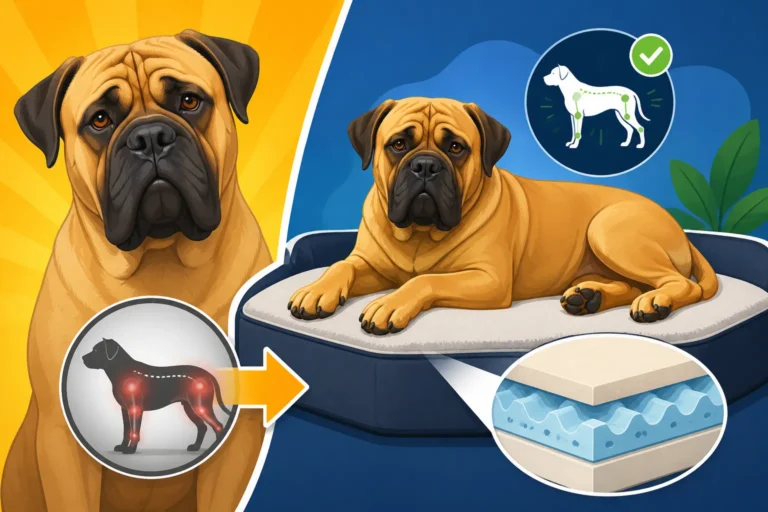
Every Bullmastiff, and especially one prone to slipping, needs designated "safe zones" in the home. These are areas with soft, secure flooring where they can relax, eat, and sleep without worrying about losing their footing. This might be a carpeted room, an area heavily covered with interlocking foam mats (the kind used in playrooms or gyms work wonderfully), or strategically placed, thick, non-slip rugs. Ensure their beds and water bowls are in these areas. For a Bullmastiff, a luxurious orthopedic bed, readily available on Amazon or Chewy, is essential for joint support and provides a stable, comfortable spot to rest. Having these predictable, safe spots reduces anxiety and encourages them to move more freely within those boundaries.
Gradual Introduction to New Surfaces
If your Bullmastiff has developed a fear or reluctance to walk on tile, you'll need to reintroduce them to these areas carefully. Start by making the tile paths as safe as possible with runners. Use positive reinforcement, like treats and praise, to encourage them to walk short distances. Never force them. Make it a game, a reward-based experience. For instance, toss a favorite toy or a high-value treat onto a runner on the tile, encouraging them to step onto it confidently. Gradually extend the "safe" path and let them build their confidence at their own pace. This is especially important for puppies, who should have positive experiences on all floor types. Remember The Exercise Limit for a Bullmastiff Puppy should always be respected, and overly vigorous play on slick surfaces should be avoided.
Regular Veterinary Check-ups
Ongoing dialogue with your veterinarian is paramount. Regular check-ups allow your vet to monitor your Bullmastiff's joint health, assess their gait, and catch any developing issues early. They can recommend specific joint supplements, pain management strategies, or even physical therapy exercises that can improve your dog's strength and stability. Your vet can also help you determine if your dog is at an ideal weight and provide tailored dietary advice. As your Bullmastiff ages, these check-ups become even more crucial, as What Changes in a Bullmastiff After Six can significantly impact their mobility and care requirements. Don't hesitate to bring up any concerns about slipping or hesitancy on certain floors during these visits; your vet is your best partner in ensuring your Bullmastiff's long-term well-being.
Disclaimer
This article is for general informational purposes only and does not constitute professional advice. Laws, prices and regulations vary by location and change over time. Consult a qualified professional for guidance on your specific situation.