How to Clean a Bullmastiff’s Jowls
Ah, the Bullmastiff jowl. If you're a proud owner, you know this signature feature comes with its own unique set of challenges. That magnificent, loose skin that gives our gentle giants their distinctive look can also become a magnet for food debris, slobber, and all sorts of delightful gunk, leading to some truly unpleasant odors and, more seriously, potential skin issues. This comprehensive guide is here to walk you through everything you need to know about keeping your Bullmastiff's jowls clean, healthy, and smelling a whole lot better.
Understanding the Bullmastiff Jowl Challenge
Let's be real, those glorious jowls are part of what makes a Bullmastiff so endearing, but they're also the primary culprit behind many a messy mealtime and a fair share of lingering odors. It's not just a matter of aesthetics; regular jowl care is crucial for your dog's health and comfort. Neglecting these areas can lead to a host of problems, from mild irritation to serious skin infections that can be painful for your beloved companion.
The Anatomy of a Drooly Dog
A Bullmastiff's jowls, or flews, are essentially those loose, pendulous folds of skin around their mouth. They hang lower than many other breeds, creating natural pockets and crevices where moisture and food particles can easily get trapped. When your Bullmastiff drinks, a significant amount of water often gets caught in these folds, only to be flung across your kitchen walls with a shake of the head. Similarly, after a meal, bits of kibble, gravy, or whatever tasty morsel they just devoured can find a cozy home within these same folds. It's a design feature that's charming but also highly efficient at collecting debris. This constant dampness and organic material create a perfect breeding ground for bacteria and yeast, which is where the real trouble, and the distinctive "dog smell," often begins. Understanding this unique anatomy is the first step to tackling the problem effectively. You might be surprised at How Much a Bullmastiff Drools throughout the day, not just at meal times.
Common Jowl-Related Issues
Beyond the sheer mess, neglected jowls can lead to a few distinct and uncomfortable problems for your Bullmastiff. One of the most common complaints among owners is the odor. When food particles, saliva, and moisture are allowed to sit and fester in the warm, dark folds, bacteria and yeast proliferate, creating a distinct, often pungent, smell. This isn't just "dog smell" – it's often a sign of microbial overgrowth. More seriously, these conditions can lead to skin fold dermatitis, a painful inflammatory condition where the skin becomes red, itchy, and irritated. In severe cases, these areas can develop open sores, pustules, or even deep-seated infections that require veterinary intervention. It's a cycle that can be incredibly uncomfortable for your dog, causing them to rub their face, scratch at their jowls, and generally be miserable. Keeping an eye on these areas daily, especially after eating and drinking, is paramount to catching issues before they escalate. You'll definitely want to understand Why a Bullmastiff's Lip Folds Smell if you're dealing with this issue.
Essential Tools and Supplies for Jowl Care
When you decide to tackle the jowl cleaning mission, having the right arsenal of tools makes all the difference. You don't need a whole cupboard full of specialized items, but a few key essentials will help you keep things hygienic and your Bullmastiff comfortable. Think of it as preparing for a minor, but ongoing, domestic skirmish against slobber and grime.
Must-Have Wipes and Cloths
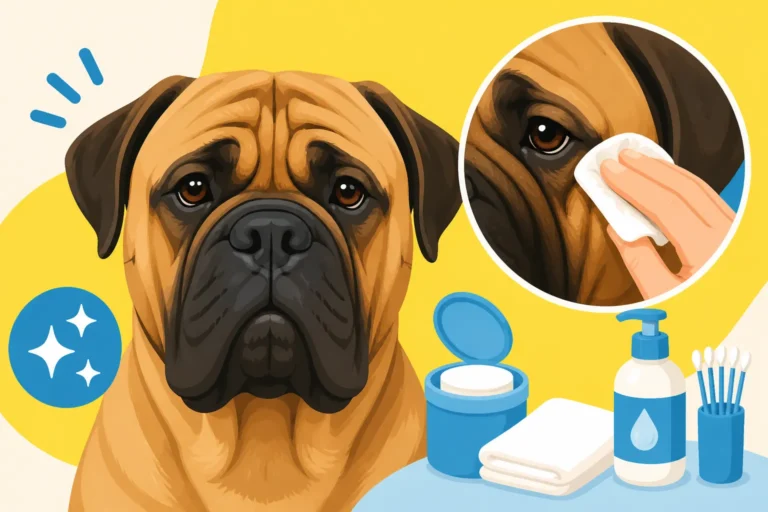
For daily, quick clean-ups, a supply of soft, absorbent wipes or cloths is absolutely indispensable. Many owners swear by large, unscented baby wipes because they are gentle enough for sensitive skin and readily available. However, there are also pet-specific wipes designed to be safe for dogs, often infused with soothing ingredients like aloe or witch hazel. You can easily find these specialized wipes on sites like Amazon or Chewy, which offer a wide variety from different brands. Always check the ingredients to ensure they are alcohol-free and fragrance-free to avoid irritating your Bullmastiff's sensitive skin. Beyond wipes, a stack of clean, soft washcloths or even old t-shirt scraps can be incredibly effective. Designate a few specific cloths just for jowl cleaning and make sure to wash them thoroughly after each use to prevent bacterial transfer. Having a few within arm's reach in key areas – near their food and water bowls, and perhaps by the door – will make those immediate post-meal or post-drink clean-ups much easier. For more immediate solutions, consider What to Keep on Hand for a Bullmastiff's Drool.
Safe Cleansers and Solutions
While wipes are great for surface cleaning, sometimes you need a little more power for a deeper clean, or if you're starting to notice a slight odor developing. For this, a mild, dog-safe cleansing solution is a must. A diluted veterinary-recommended antiseptic wash can work wonders, especially if yeast or bacterial overgrowth is a concern. Many owners also find success with a simple warm water and mild dog shampoo solution, or even a very dilute apple cider vinegar rinse (about one part vinegar to ten parts water) for its antifungal properties, though always consult your vet before trying anything new, especially around sensitive areas. The key is to use something gentle that won't strip the skin of its natural oils or cause irritation. Remember, the goal is to clean, not to sterilize aggressively, which can upset the skin's natural balance. Always ensure you rinse any cleansing solution thoroughly with plain water and dry the area completely afterward.
Beyond the Basics: Advanced Cleaning Aids
While wipes and gentle cleansers form the backbone of jowl care, a few other items can prove incredibly helpful, especially if your Bullmastiff is particularly prone to mess or skin irritation. A soft-bristled toothbrush or a finger brush can be excellent for gently cleaning between the folds, where debris can really get packed in. Just be sure to use it gently and without any harsh scrubbing. For drying, consider using a soft, absorbent towel specifically for your dog, or even a low-setting hairdryer if your dog tolerates it, to ensure the folds are completely dry. Moisture is the enemy here. Some owners also invest in medicated pads or balms (often containing chlorhexidine or miconazole) if their vet has diagnosed a recurring yeast or bacterial issue in the folds. These are not for regular daily use but can be incredibly effective for targeted treatment under veterinary guidance. Keeping these tools clean and stored properly is just as important as the cleaning process itself.
A Step-by-Step Guide to Cleaning Your Bullmastiff's Jowls
Now that you've got your supplies ready, let's get down to the nitty-gritty of actually cleaning those jowls. This isn't a one-and-done kind of job; it's an ongoing commitment that becomes much easier once you establish a routine and make it a positive experience for your Bullmastiff. Remember, patience and gentle handling are your best friends here.
Daily Maintenance Routine
Consistency is key when it comes to Bullmastiff jowl care. Ideally, you want to perform a quick clean-up after every meal and after they drink a significant amount of water. This prevents food and moisture from sitting in the folds and causing problems.
- Gather Your Supplies: Have your chosen wipes or damp cloth ready. A small, dry towel is also handy for a final pat-down.
- Approach Calmly: Your Bullmastiff should associate jowl cleaning with positive experiences. Start by gently touching their face and jowls, offering praise and perhaps a small, high-value treat.
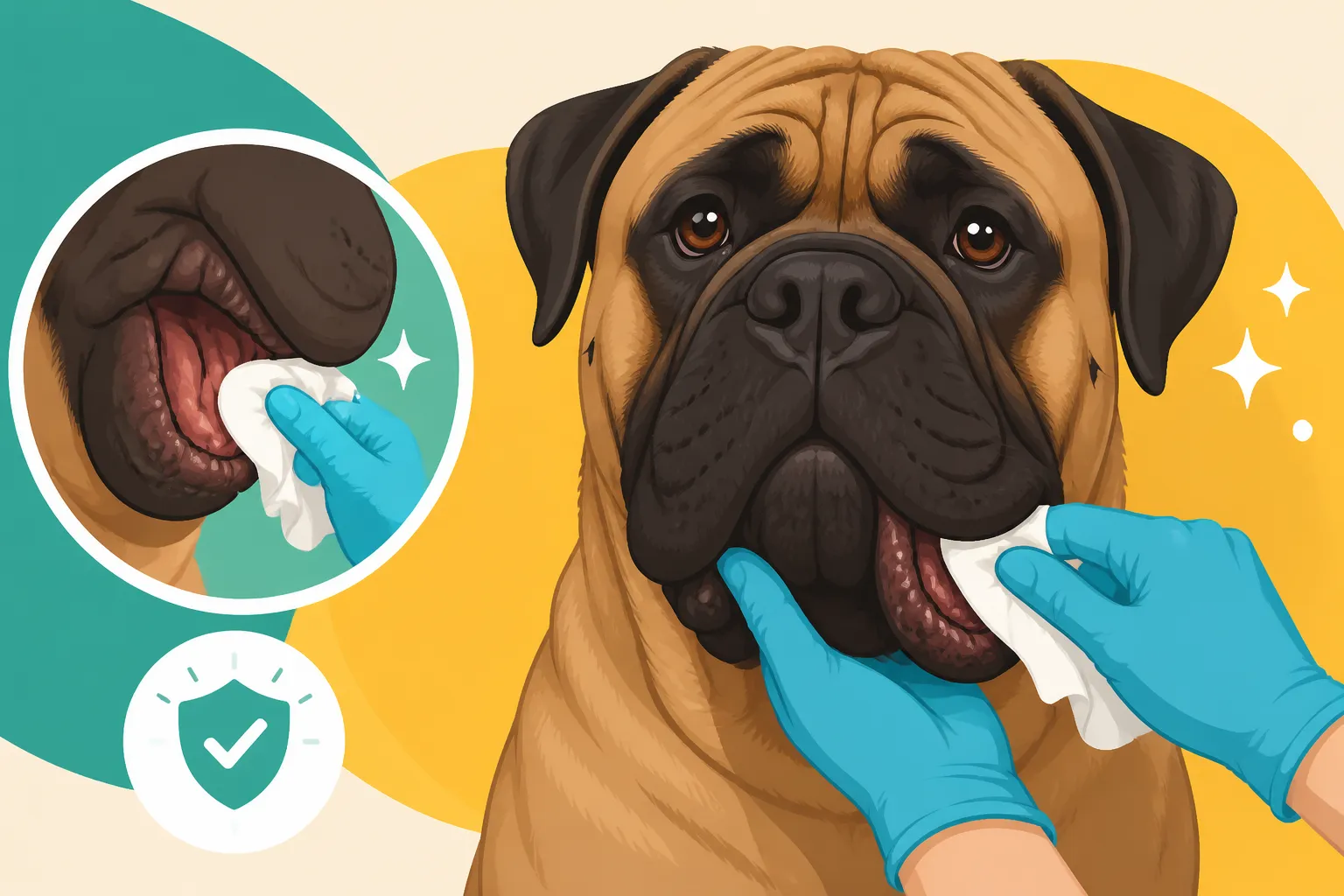
- Lift and Wipe: Gently lift the jowls and skin folds, exposing the skin underneath. Use a fresh wipe or damp cloth to carefully clean away any visible food debris, saliva, or dirt. Wipe from the inside out, moving away from their mouth. Pay special attention to the deep crevices where grime loves to hide.
- Repeat as Needed: Use a new section of the wipe or a fresh cloth for each side of the jowls, ensuring you're not spreading dirt around.
- Thorough Drying: This step is crucial. Using a soft, dry towel, gently pat the cleaned areas until they are completely dry. Even a little residual moisture can invite bacterial growth.
- Praise and Reward: Finish every cleaning session with plenty of praise, a favorite toy, or another small treat. This helps build a positive association, making future cleanings much easier.
Establishing this routine will significantly reduce odors and the risk of skin irritation. For advice on frequency, refer to How Often a Bullmastiff's Face Should Be Wiped.
Deeper Cleaning for Stubborn Grime
Sometimes, daily wiping isn't quite enough, or you might find yourself with a Bullmastiff whose jowls have been neglected for a little too long. This is when a more thorough, deeper cleaning session comes into play. This might happen weekly, or whenever you notice a particularly strong smell or persistent gunk.
- Prepare Your Cleanser: If you're using a diluted solution (like a vet-approved antiseptic or mild dog shampoo), prepare it in a small bowl. Have clean washcloths ready, one for applying the solution and another for rinsing.
- Gentle Application: Moisten a clean washcloth with your chosen cleaning solution. Gently lift the jowls and apply the solution to the folds, working it in with soft, circular motions. Again, be thorough but never scrub harshly. You might need to use your fingertips to get into the deeper creases.
- Allow a Short Contact Time (If Recommended): If your solution is an antiseptic wash, it might require a minute or two of contact time to be effective. Check the product instructions. During this time, keep your Bullmastiff distracted with a chew toy or by offering gentle pets.
- Thorough Rinsing: This is arguably the most important step in a deeper clean. Using a separate, clean washcloth dampened with plain warm water, carefully wipe away all traces of the cleaning solution. Any residue can cause irritation or attract more dirt. You might need to rinse and wring out your cloth multiple times to ensure a complete rinse.
- Complete Drying: Once rinsed, immediately dry the area. Use a soft, absorbent towel to pat the folds until they are bone-dry. You can even use a cool setting on a hairdryer if your dog is comfortable with it. Remember, residual moisture is the primary enemy.
- Inspect and Treat (If Necessary): After drying, take a moment to inspect the skin for any redness, irritation, or unusual discharge. If you see any, this might be the time for a vet-prescribed medicated cream or powder. For guidance on products, consider What to Clean a Bullmastiff's Wrinkles With.
Dealing with Active Infections
If you notice signs of an active infection in your Bullmastiff's jowls – such as excessive redness, swelling, pus, a foul odor that doesn't go away with cleaning, or if your dog is clearly uncomfortable, rubbing their face, or reluctant to be touched – it's time to put down the wipes and pick up the phone to your veterinarian. Self-treating an active infection can make things worse or delay proper treatment.
Your vet will likely examine the area, take a swab for culture (to identify bacteria or yeast), and prescribe appropriate medication. This could be topical antibiotics, antifungal creams, or oral medications depending on the severity and type of infection. They might also recommend a specific medicated shampoo or wipe to use as part of the treatment protocol. It's vital to follow your vet's instructions precisely, completing the full course of medication even if the symptoms appear to improve quickly. Think of this as a temporary measure to get things back to normal, after which you can resume your regular preventative cleaning routine with renewed vigor. The good news is that with prompt veterinary care, most jowl infections clear up effectively. This is where knowing Signs a Bullmastiff's Fold Is Infected really comes in handy.
Preventative Measures and Best Practices
While regular cleaning is essential, wouldn't it be great if you could reduce the mess and the risk of infection in the first place? Thankfully, there are several preventative measures and best practices you can adopt to keep your Bullmastiff's jowls cleaner and healthier, minimizing the need for intensive cleaning sessions. A little proactive effort goes a long way in preventing future headaches – and nose-aches!
Strategic Feeding and Watering
How your Bullmastiff eats and drinks can significantly impact how messy their jowls get.
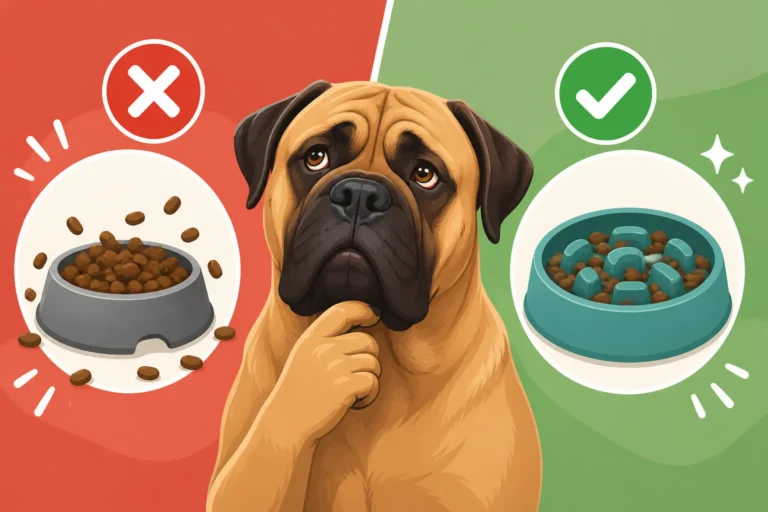
- Elevated Bowls: Some owners find that elevated food and water bowls can help reduce the amount of food and water that collects in the jowls. When the bowls are at a more comfortable height, your Bullmastiff might be less inclined to dip their entire muzzle into the contents, although this can vary by individual dog. The theory is that it allows them to eat and drink with a slightly more upright posture. However, this is still a debated topic in relation to bloat, so always discuss with your vet before making changes based on this alone.
- Narrow Bowls: For water, a narrower, deeper bowl can sometimes help. It encourages them to drink from a smaller surface area, potentially reducing the overall splash and immersion of their jowls.
- Post-Meal and Post-Drink Wipes: This goes back to daily maintenance, but it's such a crucial preventative measure. Immediately wiping their jowls after they finish eating and drinking will remove the vast majority of debris before it has a chance to dry, harden, or begin to foster bacterial growth. It takes just a few seconds but makes a massive difference over time.
- Consider a Drool Bib: Yes, they exist! For particularly slobbery or messy eaters, a soft, absorbent bandana or specially designed "drool bib" can catch a lot of the initial mess. While it won't replace cleaning, it can certainly reduce the frequency of full wipe-downs and protect your floors and furniture. This might be a good idea if you're asking Whether a Bullmastiff Needs a Drool Bib.
Regular Inspections and Early Detection
Think of yourself as a detective, always on the lookout for clues that something might be amiss with your Bullmastiff's jowls. Incorporating a quick, visual inspection into your daily routine is critical for early detection of any potential problems.
- Look for Redness or Irritation: Gently lift the jowls and examine the skin. Any patches of pink or red that aren't usually there, especially if they seem warm to the touch, are a warning sign.
- Check for Swelling or Bumps: Feel along the folds for any unusual lumps, bumps, or areas of swelling.
- Sniff Test: Don't be shy – give those jowls a sniff! A healthy jowl area should have minimal odor. A noticeable, unpleasant smell, especially a yeasty or sickly sweet one, often indicates a bacterial or yeast overgrowth.
- Note Discharge: Any pus, clear fluid, or crusting is a definite sign that something is wrong and warrants veterinary attention.
- Watch for Behavioral Changes: Is your Bullmastiff rubbing their face more than usual? Are they sensitive when you touch their jowls? Are they less interested in food or play? These could all be indicators of discomfort or pain from irritated jowls.
Early detection allows you to address issues when they are minor, often preventing them from escalating into full-blown infections requiring more intensive treatment.
Dietary Considerations and Jowl Health
Believe it or not, what your Bullmastiff eats can sometimes play a role in jowl health, though this is often secondary to direct cleaning.
- High-Quality Diet: A balanced, high-quality diet provides all the necessary nutrients for healthy skin and a robust immune system. Poor nutrition can sometimes lead to dull coats, dry or greasy skin, and a compromised immune system, making your dog more susceptible to skin issues, including those in the jowls.
- Allergies: In some cases, food allergies or sensitivities can manifest as skin problems, including inflammation and itchiness. If your Bullmastiff experiences chronic skin issues that don't seem to respond to regular cleaning, discuss with your vet the possibility of a food trial or allergy testing. Brands like Ollie focus on fresh, whole ingredients that some owners find beneficial for overall skin health, though results vary widely between individuals.
- Moisture Content of Food: While less common, very wet or sticky foods might contribute slightly more to residue in the jowls compared to dry kibble. However, the benefits of certain food types (e.g., wet food for hydration) often outweigh this minor consideration, especially if you're diligent with post-meal wiping. Ultimately, the biggest dietary impact comes from ensuring your dog is getting proper nutrition, supporting their overall health and skin integrity.
When to Seek Veterinary Help
While you are your Bullmastiff's primary caregiver, it's crucial to know when a jowl issue has gone beyond what you can manage at home and requires professional veterinary attention. Ignoring serious signs can lead to prolonged discomfort for your dog and more complicated, expensive treatments down the line.
Recognizing Signs of Infection
It's easy to dismiss a bit of redness or a slight smell, but learning to differentiate between minor irritation and a budding infection is vital. Here are clear signs that you need to contact your vet:
- Persistent Redness and Inflammation: If the skin in the jowl folds remains red and inflamed even after several days of diligent cleaning, or if it worsens, it's a red flag.
- Swelling: Any noticeable swelling around the jowls, especially if it's hot to the touch, indicates a more serious issue.
- Pus or Discharge: This is a definite sign of infection. Any yellow, green, or even brownish discharge, particularly with a foul odor, means bacteria or yeast are having a party they shouldn't be.
- Open Sores or Ulcerations: If the skin breaks down and forms open wounds or ulcers, your dog is likely in pain and at high risk for secondary infections.
- Pain or Sensitivity: If your Bullmastiff flinches, cries out, or tries to bite when you touch their jowls, they are experiencing significant pain, and a vet visit is imperative.
- Lethargy or Loss of Appetite: In severe cases, a widespread infection can make your dog feel unwell overall. If they're unusually tired, not eating, or generally seeming "off," it could be related to a systemic infection.
- Recurring Issues: If you're constantly battling jowl infections despite regular cleaning and preventative measures, it's time for a deeper investigation with your vet to find an underlying cause. Skin Fold Infections on a Bullmastiff are no joke and need professional attention.
Chronic Jowl Issues and Underlying Causes
If your Bullmastiff seems to have chronic, recurring jowl problems that just won't clear up, it's a good idea to work closely with your veterinarian to explore potential underlying causes. Sometimes, it's not just a matter of routine cleaning; there might be other factors at play.
- Allergies: As mentioned, environmental or food allergies can manifest as chronic skin irritation, making the jowls more susceptible to secondary infections. Your vet might suggest allergy testing or a hypoallergenic food trial.
- Deep-Seated Infections: Some infections can be particularly stubborn and require a longer course of specialized antibiotics or antifungals, determined by culture and sensitivity testing.
- Anatomical Conformation: In rare cases, the depth and tightness of the jowl folds can be so severe that they predispose the dog to constant irritation. While surgical intervention is rarely recommended just for jowl cleaning, it might be discussed if the quality of life is severely impacted by chronic, untreatable infections.
- Underlying Health Conditions: Very occasionally, a systemic health issue or immune disorder could contribute to chronic skin problems. Your vet may recommend blood tests or a more thorough workup if they suspect something deeper is going on.
Working collaboratively with your vet is the best approach for managing chronic conditions. They can help identify the root cause, develop a tailored treatment plan, and guide you on the best ongoing care to keep your Bullmastiff as comfortable and healthy as possible.
| Cleaning Tool/Solution | Best For | Key Features | Frequency of Use | Where to Find |
|---|---|---|---|---|
| Pet-Specific Wipes | Daily quick clean-ups | Gentle, pre-moistened, often soothing ingredients, alcohol-free | Daily | Amazon, Chewy, pet stores |
| Soft Washcloths/Old T-shirts | Daily clean-ups, deeper cleaning | Absorbent, reusable, gentle, cost-effective | Daily/As needed | Home, any general goods store |
| Mild Dog Shampoo Solution | Deeper cleaning, mild grime | Formulated for dog skin, gentle cleansing | Weekly/Bi-weekly | Pet stores, vet offices, Chewy |
| Diluted Antiseptic Wash | Addressing odors, bacterial/yeast concerns | Vet-recommended, targeted microbial action, specific contact time | As directed by vet | Vet office, specialized pet stores |
| Dry Absorbent Towel | Crucial for drying | Soft, highly absorbent, helps prevent moisture-related issues | After every clean | Home, any general goods store |
| Finger Brush/Soft Toothbrush | Getting into deep folds | Allows precision cleaning in crevices, very gentle bristles | As needed | Pet stores, Amazon |
| Medicated Pads/Balms | Active infection treatment | Contains active ingredients (e.g., chlorhexidine) for targeted treatment | As directed by vet | Vet office, online with prescription (if needed) |
This article is for general informational purposes only and does not constitute professional advice. Laws, prices and regulations vary by location and change over time. Consult a qualified professional for guidance on your specific situation.