Whether a Bullmastiff Sheds Year Round
It’s a common misconception that because Bullmastiffs have those wonderfully short, sleek coats, they don't really shed. Many a new Bullmastiff owner has brought home their big, loveable lug, only to discover their furniture, clothing, and even their morning coffee seems to have a fine sprinkling of Bullmastiff "glitter" all year round. If you're wondering just how much, and how often, your Bullmastiff will be leaving little hair souvenirs, you've come to the right place. This guide will clarify the reality of Bullmastiff shedding and give you actionable strategies to keep it under control.
The Truth About Bullmastiff Shedding
Let's get straight to it: Yes, your Bullmastiff sheds year-round. While it might not be the dramatic, tumbleweed-producing shedding you see from some double-coated breeds, it's a consistent, daily reality for Bullmastiff owners. Don't let anyone tell you otherwise! That short, dense coat is constantly turning over, and those little hairs have a knack for finding their way onto everything you own.
It's Not Just Seasonal
Many people assume that short-haired dogs, like our beloved Bullmastiffs, are either non-shedders or only shed minimally during certain seasons. This idea often stems from comparing them to breeds with luxurious long coats that seem to shed in massive, visible clumps. The truth is, every hair follicle on your dog’s body has a life cycle, from growth to resting to shedding, and this cycle is continuous. For a Bullmastiff, this means a steady, albeit often subtle, release of old hairs to make way for new ones, regardless of the time of year.
While there are definitely peak seasons where the shedding might intensify – we'll get into that more shortly – your Bullmastiff isn't going to suddenly stop shedding in the middle of winter. It's a physiological process that happens continuously, much like humans constantly shed skin cells. The constant turnover is a sign of a healthy coat, even if it feels like a never-ending battle against dog hair. It's simply the nature of their magnificent, protective coat.
The "Hidden" Shed
One of the most frustrating aspects of Bullmastiff shedding isn't necessarily the sheer volume, but the insidious way their short, coarse hairs embed themselves. Unlike a long-haired breed where you might find visible clumps of fur rolling across the floor, Bullmastiff hairs tend to be like tiny, stiff needles. They weave themselves into carpets, upholstery, blankets, and even your clothes, becoming almost impossible to remove with a simple shake. You might not see a giant pile, but you'll definitely feel and see them on your dark clothes, especially.
This "hidden" shed means that even if you feel like you've just cleaned, a closer look at your favorite armchair or a fresh pair of black pants will reveal those tell-tale Bullmastiff hairs. This can be especially annoying if you have a fawn or red Bullmastiff and a lot of dark furniture, or vice versa if your dog is brindle. It's a constant battle that requires specific tools and a bit of a strategic approach to home maintenance. Understanding How a Bullmastiff's Hair Shows on Furniture can help you prepare for this daily reality.
Understanding Bullmastiff Coat Cycles and Influences
While Bullmastiffs are year-round shedders, there are certainly periods where you'll notice more hair than usual. These peaks are influenced by natural biological cycles and environmental factors. Knowing what to expect can help you prepare and manage the shedding more effectively.
Seasonal Shedding Peaks
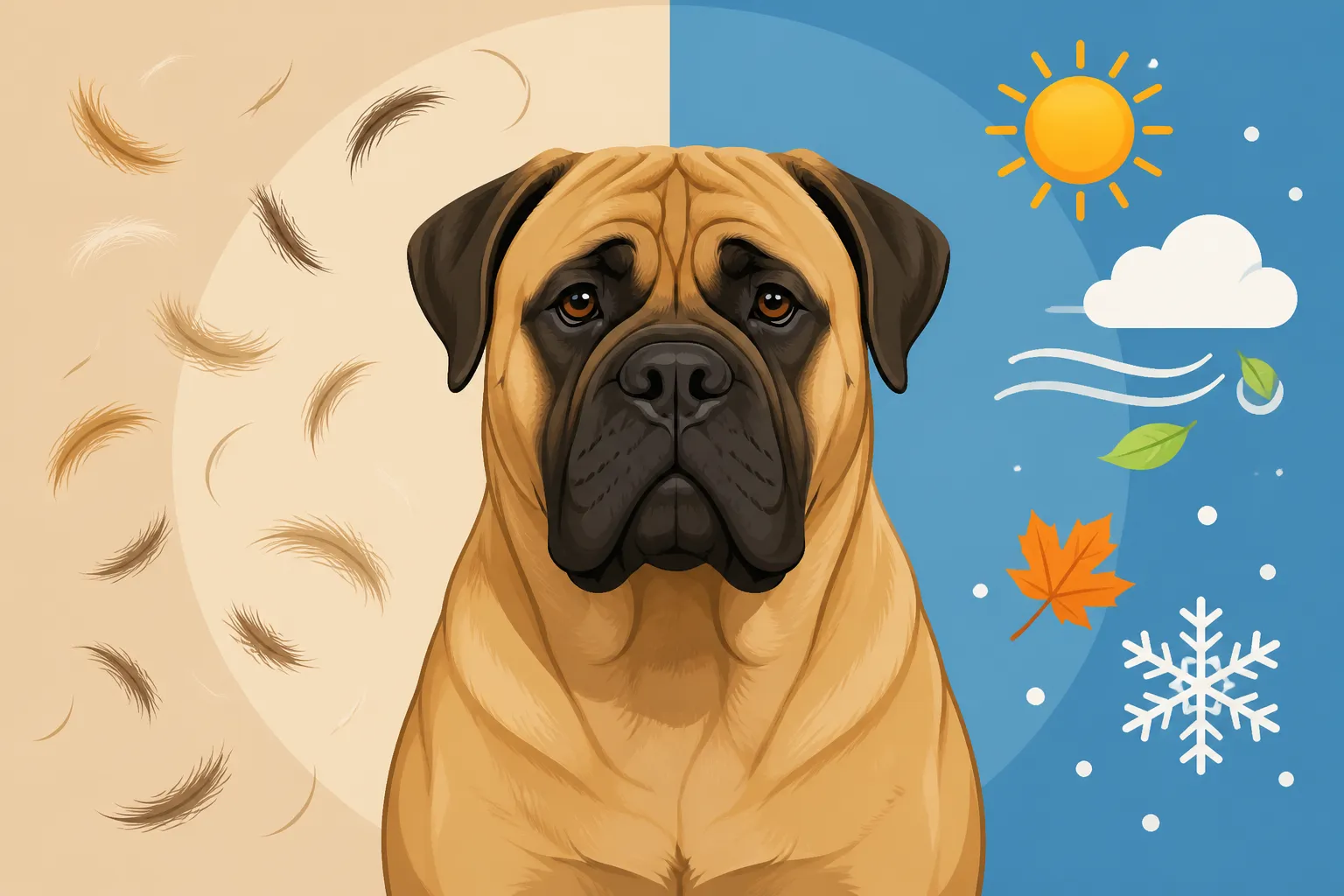
Like many breeds, Bullmastiffs do have periods of heavier shedding, often referred to as "blowing coat." These typically align with changes in seasons, primarily in spring and fall.
- Spring Shed: As the days get longer and temperatures begin to rise, your Bullmastiff will start to shed the thicker, denser undercoat they developed to stay warm during winter. This process helps them lighten their coat for the warmer months ahead. You might notice more significant amounts of hair coming out during brushing sessions and a general increase in hair around the house.
- Fall Shed: Conversely, in the fall, as temperatures drop and daylight hours shorten, Bullmastiffs shed their lighter summer coat to make way for a new, thicker winter coat. This prepares them for the colder weather. This shedding period might be slightly less intense than the spring shed, but it's still noticeable.
It's also worth noting that indoor living, with consistent temperatures and artificial light, can sometimes blur these natural seasonal cycles. Your Bullmastiff might not experience the same stark environmental shifts as a dog living primarily outdoors, leading to a more continuous, rather than distinct, "seasonal" shed. For more details on when to expect the most hair, you can check out When a Bullmastiff Sheds Most.
Factors Influencing Shedding Volume
Beyond the natural seasonal cycles, several other factors can significantly influence how much your Bullmastiff sheds. Understanding these can empower you to help keep their coat as healthy as possible and minimize excessive shedding.
- Diet and Nutrition: A healthy coat starts from within. A diet lacking essential nutrients, especially omega fatty acids, can lead to dry, brittle hair that sheds more readily. Feeding a high-quality, balanced diet specifically formulated for large breeds can make a noticeable difference in coat health and, consequently, shedding. Brands like Ollie, known for their fresh, human-grade food, can contribute to a shinier, healthier coat, which might mean less excessive shedding. Similarly, incorporating supplements like fish oil, readily available on platforms like Amazon or Chewy, can significantly improve coat condition. Consider exploring Raw Feeding a Bullmastiff or Whether a Bullmastiff Needs Fish Oil for insights into nutritional impact. When your Bullmastiff is getting all the right vitamins and minerals, their coat will be stronger and less prone to breaking off.
- Overall Health and Stress: Any underlying health issue, such as skin allergies, thyroid problems (Signs a Bullmastiff's Thyroid Has Failed), or parasites, can cause excessive shedding. If you notice a sudden, dramatic increase in shedding, bald spots, or skin irritation, it's always wise to consult your veterinarian. Stress can also play a role; a Bullmastiff experiencing anxiety due to changes in their environment or routine might shed more than usual. Keeping your dog happy, well-exercised (within reason for the breed), and mentally stimulated helps promote overall well-being, which reflects in a healthy coat.
- Grooming Routine: Perhaps the most direct influence on the amount of loose hair you find around your home is your grooming routine. Regular brushing is paramount, especially for a breed like the Bullmastiff with their dense, short coat. The more loose hair you remove directly from their body, the less will end up on your floors and furniture. We'll delve deeper into specific grooming strategies in the next section, but suffice it to say, consistency is key. Getting into a rhythm with brushing can significantly reduce the "hidden shed" that permeates your living space. Knowing How Often a Bullmastiff Needs Brushing is fundamental to effective shedding management.
| Shedding Factor | Impact on Shedding | Management Strategy |
|---|---|---|
| Seasonal Change | Increased shedding in spring (winter coat) and fall (summer coat). | Increase brushing frequency during these peaks. |
| Diet Quality | Poor diet leads to dull, brittle coat and more shedding. | Feed high-quality large breed food; consider omega-3 supplements. |
| Underlying Health | Illnesses (e.g., thyroid) can cause excessive hair loss. | Regular vet check-ups; address any sudden changes in shedding with your vet. |
| Stress/Anxiety | Can exacerbate shedding; hair may fall out more easily. | Maintain routine, provide adequate mental and physical stimulation, comfort. |
| Grooming Routine | Inconsistent brushing allows more loose hair to accumulate. | Establish a consistent brushing schedule, using appropriate tools. |
Managing Bullmastiff Shedding Effectively
Since year-round shedding is just a part of living with a Bullmastiff, the goal isn't to eliminate it entirely (which is impossible), but to manage it so it doesn't take over your life and home. A consistent approach to grooming and home care can make a world of difference.
Establishing a Regular Grooming Routine
This is your first line of defense against Bullmastiff hair infiltrating every corner of your life. The more hair you remove directly from your dog, the less you'll find elsewhere.
- Brushing Frequency: Aim to brush your Bullmastiff at least 2-3 times a week, and ideally daily during peak shedding seasons. This isn't just about reducing hair; it also distributes natural oils, keeping their coat healthy and shiny. A consistent brushing routine will help you stay on top of the constant shedding.
- Choosing the Right Tools: For a Bullmastiff's short, dense coat, not all brushes are created equal. You'll want tools that can effectively grab loose hair without irritating their skin.
- Rubber Curry Brush or Grooming Mitt: These are fantastic for Bullmastiffs. The rubber nubs gently massage the skin, stimulating circulation, while effectively pulling out loose, dead hair. They're great for baths too! Many owners swear by a rubber mitt for daily grooming, and you can find excellent options on Amazon or Chewy. Whether a Rubber Mitt Works on a Bullmastiff is a common question, and the answer is a resounding yes for many.
- Shedding Blade: This tool, often a metal loop with small teeth, can be highly effective during heavy shedding periods to remove large amounts of dead hair quickly. Use it gently and sparingly, always following the direction of hair growth.
- Bristle Brush: A firm bristle brush can be used for a finishing touch to smooth the coat and remove any remaining surface hairs, leaving your Bullmastiff looking polished. Which Brush Suits a Bullmastiff truly depends on the task and your dog's preference, but a combination often works best.
- Bathing: While not a daily activity, a regular bath (every 4-6 weeks, or as needed) can help loosen and wash away dead hair. Use a high-quality dog shampoo and thoroughly rinse. You'll be amazed at how much hair comes off in the tub! After bathing, towel dry vigorously (if your Bullmastiff tolerates it) or use a dog-specific blow dryer on a cool setting to remove even more loose hair before it dries and redeposits elsewhere. For more on this, check out How Often a Bullmastiff Should Be Bathed.
Keeping Your Home Clean
Even with the most diligent grooming, Bullmastiff hair will still find its way into your living space. Having a strategy for home cleanliness is essential for maintaining your sanity.
- Vacuuming Power: Invest in a good quality vacuum cleaner designed for pet hair. Look for models with strong suction, good filtration (like HEPA filters), and specialized attachments for upholstery and tight corners. You'll likely need to vacuum more frequently than you're used to, perhaps even daily in high-traffic areas or on favored napping spots.
- Lint Rollers and Damp Cloths: Keep lint rollers handy near doors, in your car, and in your laundry room. They're indispensable for a quick de-hairing of clothes before you head out. For furniture, a slightly damp cloth or rubber glove can work wonders for attracting and collecting stubborn Bullmastiff hairs. Just wipe across the surface, and the hair will clump together.
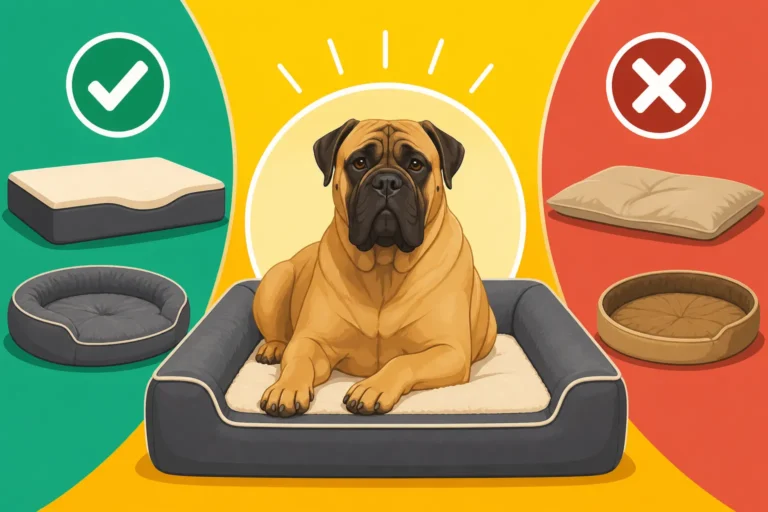
- Protecting Furniture and Bedding: Consider washable throws or slipcovers for your couches and beds, especially if your Bullmastiff is allowed on the furniture. This creates a barrier, trapping hair that can then be easily tossed into the washing machine. Similarly, ensure your dog has a comfortable, washable bed. Look for durable, easily cleaned options on Chewy or Amazon.
- Laundry Strategies: When washing items with dog hair, try putting them in the dryer on a cool, no-heat cycle for about 10 minutes before washing. This helps to loosen and collect a lot of the hair in the lint trap. Then, wash as usual. Always clean your lint trap after every load of pet-hair-laden laundry. For a complete understanding of how shedding impacts your living space, including tips on preventing fur from accumulating, read What a Bullmastiff Does to Furniture.
Common Misconceptions and Realistic Expectations
Bringing a Bullmastiff into your home is a joy, but it also means embracing the realities of the breed, and shedding is definitely one of them. Setting realistic expectations from the start can help prevent frustration down the line.
No Such Thing as a Non-Shedding Dog
This is a fundamental truth for all dog owners: every dog sheds. Some breeds, like Poodles or Portuguese Water Dogs, have hair that grows continuously and sheds minimally, often getting trapped in their curly coats, but even they are not truly "non-shedding." Bullmastiffs, with their short, dense coats, are firmly in the "shedding dog" category. It's not a flaw; it's just how they're built!
Understanding this means letting go of the dream of a completely hair-free home. Instead, focus on proactive management. New Bullmastiff owners often underestimate the amount of hair a short-coated breed can produce, especially given their large size. A Bullmastiff can weigh over a hundred pounds, and every single one of those pounds is covered in hair that will eventually shed. It's a natural process, and managing it is part of the responsibility and love of owning one of these magnificent dogs.
Embracing the "Bullmastiff Glitter"
Ultimately, living with a Bullmastiff means accepting a certain level of dog hair in your life. Many experienced Bullmastiff owners affectionately refer to the ever-present short hairs as "Bullmastiff glitter" or "confetti." It's a playful way of acknowledging that no matter how much you brush or vacuum, a piece of your Bullmastiff will always be with you.
Instead of fighting an unwinnable battle against every single hair, focus on the immense love, loyalty, and companionship these dogs bring. A Bullmastiff's presence far outweighs the minor inconvenience of some shed hair. With a consistent grooming routine, a few smart cleaning habits, and a good sense of humor, you can absolutely keep the shedding manageable and enjoy your gentle giant to the fullest. They are absolutely Worth the Short Years and every single hair they leave behind.
Disclaimer
This article is for general informational purposes only and does not constitute professional advice. Laws, prices and regulations vary by location and change over time. Consult a qualified professional for guidance on your specific situation.