Whether a Bullmastiff Drools When Anxious
It's an unsettling feeling when your big, solid Bullmastiff, usually just casually drooling after a drink or anticipating dinner, suddenly starts slobbering excessively, seemingly out of the blue. You can't help but wonder if something deeper is going on, especially if it coincides with a new situation or unusual behavior. This guide will delve into the nuances of Bullmastiff drooling, specifically exploring the connection between increased salivation and anxiety, and how to tell the difference between normal slobber and a sign of distress in your beloved companion.
The Wet Reality: Normal Versus Anxious Drooling in Bullmastiffs
Bullmastiffs are majestic, powerful dogs, and part of their charm often comes with a certain amount of… well, wetness. Their unique facial structure, with those lovely, loose jowls, is a primary reason why they might seem perpetually ready to share a little slobber. However, understanding what's "normal" for your Bullmastiff is the first step in recognizing when drooling might be a sign of anxiety or something else entirely.
Understanding the Bullmastiff's Natural Predisposition to Drool
Let's be honest, if you own a Bullmastiff, you've probably got a drool rag or two strategically placed around the house. These magnificent dogs are indeed known for their propensity to drool, and it's not because they're always anxious! A significant part of it comes down to their magnificent, albeit sometimes messy, anatomy. Their jowls, those wonderful, pendulous lips, are designed in such a way that they don't form a tight seal around their mouth. This means that saliva, which all dogs produce, can simply accumulate in the folds and then, with a shake of the head or a shift in position, gravity takes over.
Think about it: after a big drink of water, a Bullmastiff's jowls often hold onto a surprising amount of liquid, ready to be redistributed across your floor or furniture with an enthusiastic head shake. Similarly, when they get excited, perhaps sensing that dinner bowl coming out or hearing the crinkle of a treat bag, their salivary glands go into overdrive in anticipation. This is a perfectly normal, healthy physiological response. It's their body preparing for food. How Much a Bullmastiff Drools explores this in more detail, but suffice to say, a certain level of drool is simply part of the Bullmastiff package. It's part of their charm, if a bit of a clean-up job. So, if your Bullmastiff drools a bit after drinking, or when you're preparing their favorite meal, that's just them being a Bullmastiff.
Identifying the Shift: When Drooling Signals Discomfort
While a little slobber is standard operating procedure for a Bullmastiff, there's a distinct difference between "normal" drooling and drooling that signals discomfort or distress. The key isn't just the presence of drool, but its quality, quantity, and context. Normal drool might be a few strings after drinking, or a small puddle when they're intensely focused on a treat. Anxious drooling, however, often presents as a sudden, profuse outpouring of saliva, sometimes even appearing frothy or bubbly around the mouth. It might seem to come from nowhere, soaking their chest or creating significant puddles far beyond what you'd typically expect.
The timing is also crucial. Is your Bullmastiff drooling heavily when there's no food around, when they haven't just had water, or when the house is quiet? That's when your alarm bells should start to ring. Environmental factors can also play a role in exacerbating drooling, making it a bit trickier to distinguish. For instance, high temperatures can cause a Bullmastiff to pant and drool more, a natural cooling mechanism. Whether a Bullmastiff Drools More in Heat discusses this in depth. If it's a hot day, some increased drooling might be a heat response, but if they're also panting heavily, pacing, and unable to settle even in a cool spot, then anxiety could certainly be a contributing factor. The important thing is to look for a change in their typical drooling patterns and to consider it alongside other behavioral cues.
The Silent Language: Unpacking Bullmastiff Anxiety
Bullmastiffs are often described as "gentle giants," loyal and calm companions. This reputation is well-deserved, but like any dog, they can experience anxiety. Because they are often stoic and don't always express distress in overt ways like constant barking or frantic energy, their anxiety can sometimes manifest in more subtle physical signs, including excessive drooling. Learning to read these quieter signals is vital for their well-being.
Common Triggers for Anxiety in a Bullmastiff's World
Bullmastiffs, despite their imposing size, can be quite sensitive souls, and various situations can trigger anxiety in them. One of the most common forms of anxiety for many dogs, including Bullmastiffs, is separation anxiety. These dogs bond incredibly closely with their families, and being left alone for extended periods can be profoundly distressing. They might pace, whine, try to escape, and yes, drool excessively when their humans depart. For a breed that was originally bred to be a steadfast companion to gamekeepers, constant human presence is almost hardwired into them.
Another significant trigger can be the presence of strangers or new environments. While Bullmastiffs are natural guardians, bred to "hold" a poacher without biting them A Bullmastiff Was Bred to Hold a Man, Not Bite Him, their protective instincts can sometimes tip into apprehension or anxiety if they haven't been well-socialized. A new visitor to the home, or an unfamiliar place like a vet clinic, can cause them stress. You might notice them backing away, stiffening, or emitting low growls, accompanied by that tell-tale excessive drooling. How a Bullmastiff Greets a Stranger can provide more insight into their typical demeanor with new people. Loud, sudden noises like thunderstorms or fireworks are also notorious anxiety triggers for many dogs, and Bullmastiffs are no exception. The unpredictable nature and intensity of these sounds can send them into a state of panic, leading to hyper-salivation. Changes in routine, a new pet, or even moving to a new home can all disrupt a Bullmastiff's sense of security, triggering anxiety.
Behavioral Indicators That Often Accompany Anxious Drooling
When a Bullmastiff is drooling excessively due to anxiety, it's rarely the sole symptom. Instead, it's usually one piece of a larger puzzle of behavioral changes that, when observed together, paint a clear picture of distress. If you see unusual drooling, take a moment to look at their whole body language and listen to their other cues. Are they pacing restlessly, unable to settle down even in their favorite spot? Is there excessive panting, even when they haven't been exercising or it's not particularly warm? This rapid, shallow breathing, often accompanied by a wide mouth, is a classic sign of stress.
Other common anxiety indicators include whining or low growls, shivering or trembling (even if they're not cold), hiding under furniture or in another room, or constantly seeking reassurance from you, trying to lean into you or be petted. You might also notice a tucked tail, flattened ears, or dilated pupils. Sometimes, anxious Bullmastiffs might engage in destructive behaviors, like chewing on furniture or scratching at doors and windows, particularly if it's separation anxiety. Signs a Bullmastiff Is Anxious Alone provides a comprehensive look at what to watch for when your Bullmastiff is feeling isolated. Less common but still possible are inappropriate urination or defecation indoors, even in a house-trained dog. The crucial takeaway here is that drooling is a symptom, not the problem itself. It's the body's physical reaction to an internal state of unease. By observing these accompanying behaviors, you can start to connect the dots and understand what might be causing your Bullmastiff's distress.
The Physiological Connection: How Stress Leads to Salivation
It might seem counterintuitive that stress, which often makes humans feel "dry-mouthed," can cause excessive drooling in dogs. However, the connection is rooted deep in the mammalian autonomic nervous system, specifically the "fight or flight" response. When a Bullmastiff perceives a threat or is under significant stress, their body releases a cascade of stress hormones, like adrenaline and cortisol. This is a survival mechanism designed to prepare them to either confront danger or escape it.
Part of this complex physiological response can involve the parasympathetic nervous system, which, among other things, controls salivation. While the "fight or flight" (sympathetic) response is activating, the body can sometimes simultaneously trigger the parasympathetic system's effect on certain glands, including the salivary glands. For some dogs, this stress response causes an overproduction of saliva, leading to the profuse drooling you observe. It's essentially a visceral, involuntary reaction to intense emotional distress. It’s their body signaling that something is very wrong, even if their stoic nature might otherwise mask their internal turmoil. Understanding this physiological link helps us appreciate that anxious drooling is not a conscious choice, but a genuine physical manifestation of their inner turmoil, demanding our attention and compassion.
Ruling Out the Obvious: When Drooling Isn't Just Anxiety
Before you jump to conclusions about anxiety, it's absolutely vital to remember that excessive drooling can also be a symptom of various medical conditions. As a responsible Bullmastiff owner, your first step should always be to rule out any underlying health issues. What might look like anxiety-induced drooling could, in fact, be your dog's way of telling you they're in pain or feeling unwell.
Medical Conditions That Mimic Anxious Drooling
The sudden onset of profuse drooling should always trigger a visit to your veterinarian to ensure there isn't a physical cause. Bullmastiffs, like all breeds, can suffer from a range of medical conditions that might lead to increased salivation, or ptyalism. One of the most common culprits is oral pain or discomfort. This could be anything from a broken tooth, severe gum disease, an abscess, or even a foreign object lodged in their mouth, between their teeth, or in their throat. Imagine the discomfort of a splinter in your gums – your Bullmastiff might be experiencing something similar, and the drooling is an attempt to flush it out or a reaction to the pain.
Gastrointestinal issues are another big one. Nausea from an upset stomach, consuming something toxic, or even an internal blockage can cause excessive drooling. Their body is attempting to dilute or prepare to vomit out whatever is causing the irritation. Toxicity from ingesting poisonous plants, medications, or chemicals can also manifest with drooling, often accompanied by other symptoms like vomiting, lethargy, or tremors. More serious internal organ issues, such as kidney or liver disease, though less common for acute, sudden drooling, can also contribute to excessive salivation over time. It is paramount not to simply assume anxiety. When Sudden Drooling Means Something Is Wrong is a crucial resource for any Bullmastiff owner noticing an abrupt change in drooling patterns. A vet check is the only way to definitively rule out these potentially serious medical causes.
The Importance of a Detailed Observation Log
When you notice unusual drooling, especially if you suspect anxiety, becoming a diligent observer is your superpower. Your veterinarian, or a veterinary behaviorist, will rely heavily on the details you can provide. A "drool journal" might sound a bit over-the-top, but it's an incredibly effective tool. What should you track? Start with the basics:
- Date and Time: When did the drooling start and stop?
- Duration: How long did the excessive drooling last?
- Quantity/Quality: Was it just a little stringy, or a significant puddle? Was it clear, thick, foamy, or bubbly?
- Trigger: What was happening immediately before the drooling began? Was a stranger at the door? Was there a loud noise? Were you about to leave the house? Had they just eaten something unusual?
- Accompanying Behaviors: What else was your Bullmastiff doing? Pacing, panting, hiding, whining, shivering, destructive chewing, lip-licking, yawning, avoiding eye contact?
- Environment: Where were they? Indoors, outdoors? What was the temperature?
Here’s a simple table you could use to get started:
| Date & Time | Context / Trigger | Drool Amount / Type | Other Behaviors Observed | Action Taken / Outcome |
|---|---|---|---|---|
| 2024-10-26 8:00 AM | Mail carrier approached front door | Moderate, stringy | Pacing, low growl, ears back | Redirected to crate, given treat. Drooling stopped. |
| 2024-10-27 2:30 PM | Left alone for 2 hours | Heavy, frothy | Chewed pillow, scratched door, panting heavily | Found upon return. Cleaned up. |
| 2024-10-28 7:00 PM | Thunderstorm began | Extreme, bubbly | Shivering, hid under bed, tried to climb on lap | Hugged, played calming music. Lasted 30 mins. |
| 2024-10-29 6:00 AM | Anticipating breakfast | Mild, clear | Sitting by bowl, tail wagging | Normal pre-meal drool. |
This kind of detailed information is invaluable. It helps you, your vet, or a behaviorist identify patterns, pinpoint potential triggers, and distinguish between a medical issue and behavioral anxiety. Without this data, diagnosing the cause of the drooling becomes a guessing game, and that's not fair to your Bullmastiff.
Proactive Steps: Helping Your Bullmastiff Cope with Anxiety
Once you've ruled out medical causes for your Bullmastiff's excessive drooling and identified anxiety as the likely culprit, it's time to take proactive steps to help them cope. Managing anxiety in a large, sensitive breed like a Bullmastiff requires patience, consistency, and often, a multi-faceted approach.
Establishing a Secure Environment and Predictable Routines
A Bullmastiff thrives on routine and predictability. They are creatures of habit, and knowing what to expect can significantly reduce their stress levels. Start by establishing a consistent daily schedule for everything: meals, walks, potty breaks, playtime, and quiet time. When their day is predictable, they feel more in control and less likely to be surprised by abrupt changes that could trigger anxiety.
Creating a "safe haven" for your Bullmastiff is also crucial. This could be a sturdy crate, a special dog bed in a quiet corner, or even a designated room where they can retreat when feeling overwhelmed. This space should be comfortable, calming, and associated only with positive experiences. Never use it as a punishment. Outfit it with soft bedding, a favorite chew toy, and perhaps a calming diffuser that emits dog-appeasing pheromones (you can find various options for these on sites like Chewy or Amazon). This safe space gives them somewhere to go when guests arrive, or when loud noises occur. For dogs with anxiety around visitors, crating them in their safe space with a long-lasting chew when people first arrive can sometimes help them settle without feeling overwhelmed by the social pressure. Whether a Bullmastiff Should Be Crated When Guests Come provides more ideas on managing these situations. Remember, their ideal day often involves a consistent rhythm of activity and rest, knowing what's coming next helps them feel secure. What a Bullmastiff's Ideal Day Looks Like explores this concept further.
Behavioral Modification and Professional Guidance
For anxiety that goes beyond minor jitters, behavioral modification techniques, often guided by a professional, are essential. The goal is to change your Bullmastiff's emotional response to anxiety-inducing triggers. Two primary techniques are desensitization and counter-conditioning. Desensitization involves gradually exposing your Bullmastiff to the trigger at such a low intensity that it doesn't cause an anxious response. For example, if car rides cause drooling and anxiety, you might start by just having them sit in the car with you for a few minutes, giving treats and praise, without even turning the engine on. Over time, you slowly increase the duration, then turn on the engine, then take very short, positive trips, always pairing the experience with something enjoyable.
Counter-conditioning means changing your dog's emotional association with the trigger. If they're anxious about strangers, instead of letting them react negatively, you might have a friend stand at a distance, and every time your Bullmastiff looks at them calmly, they get a high-value treat. The goal is for them to associate the stranger with good things, not fear. For severe anxiety, or if you're struggling to implement these techniques effectively, seeking professional help is highly recommended. A certified professional dog trainer (CPDT) or a veterinary behaviorist (DACVB) can assess your Bullmastiff's specific situation, identify the root causes of their anxiety, and develop a tailored training plan. In some cases, especially for profound anxiety or panic attacks, your vet or a veterinary behaviorist might recommend anti-anxiety medication as part of a comprehensive treatment plan. This isn't a "cure-all" but can help lower their overall anxiety threshold, making behavioral modification more effective.
Enrichment and Lifestyle Adjustments to Minimize Stress
Beyond training and a secure environment, several lifestyle adjustments can significantly contribute to reducing your Bullmastiff's anxiety and, consequently, their anxious drooling. Mental stimulation is often just as important, if not more so, than physical exercise. A tired mind is a calm mind. Engage your Bullmastiff with puzzle toys (you can find an endless variety on Amazon), snuffle mats, or interactive feeders. These activities challenge their brains, tap into their natural problem-solving instincts, and can be incredibly satisfying, redirecting anxious energy into productive tasks. What Mental Work a Bullmastiff Needs delves into various ways to keep your Bullmastiff mentally engaged.
While Bullmastiffs are large, they don't require endless hours of vigorous exercise like some other breeds. Over-exercising a Bullmastiff, especially when they're young, can actually be detrimental to their joints. Instead, focus on moderate, consistent exercise that meets their needs without over-tiring them. Regular, leashed walks around the neighborhood, allowing them to sniff and explore, are usually sufficient. How Much Exercise a Bullmastiff Needs offers specific guidance on appropriate activity levels for the breed. Diet can also play a role in overall well-being. Some studies suggest a link between gut health and anxiety. While a specific "anxiety diet" might not exist, ensuring your Bullmastiff is on a high-quality, balanced diet (brands like Ollie offer fresh, balanced options, for instance) can support their overall physical and mental health. Avoid sudden changes in food, which can cause digestive upset and add to their stress. Finally, consider natural calming supplements, often containing ingredients like L-theanine or chamomile, which are widely available on pet supply sites like Chewy. Always discuss these with your vet before introducing them to your dog's routine.
Living with a Drooly, Anxious Bullmastiff
Living with a Bullmastiff that struggles with anxiety, especially if it manifests as excessive drooling, requires a deep well of patience and understanding. It's a journey, not a destination, but one that is incredibly rewarding. While the primary goal is to address the underlying anxiety, there are also practical considerations for managing the drool itself and maintaining a positive outlook.
Practical Tips for Managing Drool in the Home
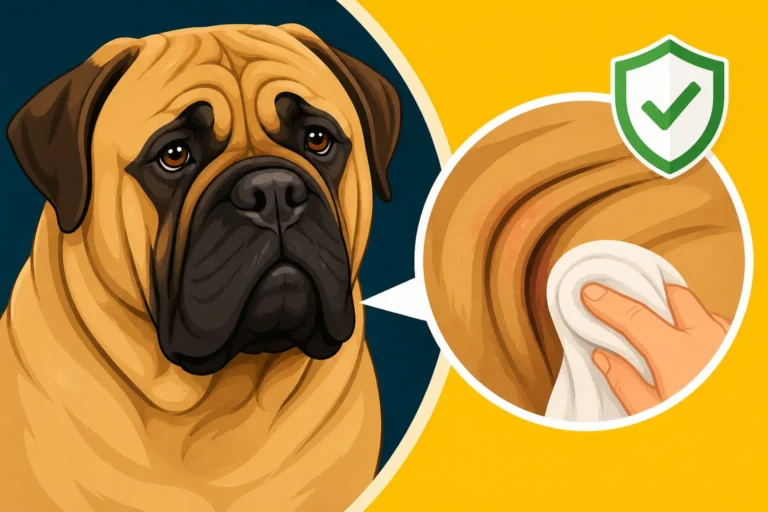
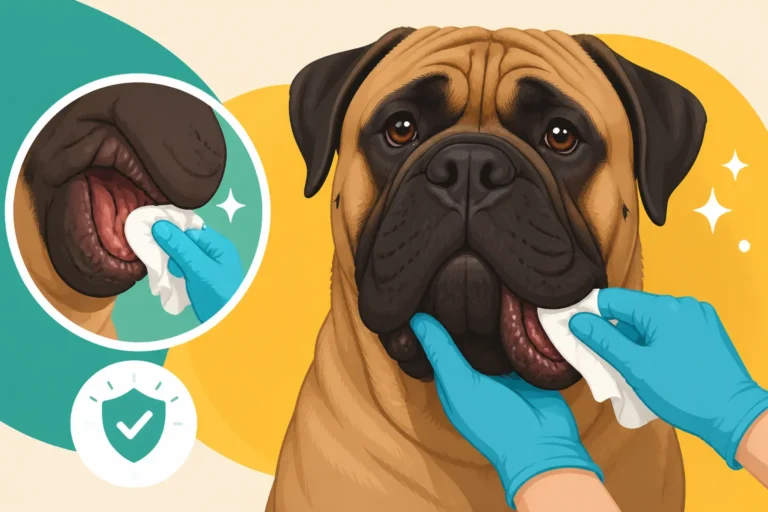
Let's face it, if your Bullmastiff is an anxious drooler, your home is going to get wetter than average. Embracing some practical strategies can make the daily clean-up less daunting and help you maintain your sanity. First and foremost, always have drool rags strategically placed around the house – by the front door, next to their bed, on the armrest of the sofa, or tucked into your pocket. Old towels, microfiber cloths, or dedicated "slobber rags" work best. Quickly wiping their jowls after a stressful event or simply when you notice an accumulation can prevent larger puddles and sprays.
Consider your furniture and flooring choices. Washable slipcovers for sofas and chairs are a godsend, allowing you to easily strip and clean them. For floors, hard surfaces like tile or sealed hardwood are generally easier to wipe clean than carpet. If you have carpet, a good steam cleaner will become your best friend. How to Clean Bullmastiff Drool Off a Wall can give you some practical pointers if your Bullmastiff tends to shake their head indoors! Using a waterproof mat under their water bowl can also contain spills. Some owners even opt for doggy bibs or bandanas, which can absorb some of the excess drool before it hits their chest or the floor, though not all Bullmastiffs tolerate wearing them. The key is to be prepared and proactive, making the clean-up routine rather than a frantic scramble.
Patience, Understanding, and Long-Term Commitment
Helping an anxious Bullmastiff is a marathon, not a sprint. There will be good days and bad days, and progress might feel agonizingly slow. This is where your patience and unwavering commitment truly come into play. Your Bullmastiff relies on you to be their calm, steady presence in a world that can sometimes feel overwhelming. Yelling at them for drooling or displaying anxious behaviors will only exacerbate their fear and make the situation worse. Instead, focus on positive reinforcement, rewarding calm behavior, and gradually building their confidence.
Understand that anxiety is not something they choose; it's an emotional state that impacts their physical responses. Empathy for their struggles is paramount. Continue to work with your vet and any behavioral professionals, adjusting strategies as needed. Celebrate small victories, like a shorter drooling episode or a slightly calmer reaction to a trigger. The bond you share with your Bullmastiff is incredibly strong, and investing the time and effort into managing their anxiety will deepen that connection even further. The reward is a happier, more secure companion, living their best life by your side. Even with their often shorter lifespans, the joy and love they bring are immeasurable, making every effort worthwhile. Whether a Bullmastiff Is Worth the Short Years is a question many owners ponder, and the answer, for most, is a resounding yes, especially when you can help them live those years to the fullest.
Disclaimer
This article is for general informational purposes only and does not constitute professional advice. Laws, prices and regulations vary by location and change over time. Consult a qualified professional for guidance on your specific situation.