What Care a Bullmastiff Needs Its Whole Life
Bringing a Bullmastiff into your home is an incredible joy, but it's also a serious commitment. These magnificent dogs, with their deep loyalty and imposing presence, come with a unique set of care requirements that span their entire, often too-short, lifespan. It can feel overwhelming to think about all the things your gentle giant will need, from puppyhood through their senior years, but understanding these needs from the start is the key to providing a happy, healthy life. This guide is here to walk you through the essential care a Bullmastiff needs, every step of the way.
Laying the Foundation: Bullmastiff Puppyhood and Growth
Those adorable, wrinkly Bullmastiff puppies grow at an astounding rate, and how you care for them in their first year or two will have a profound impact on their long-term health, especially their joints. It’s a delicate balance, trying to give them everything they need without inadvertently causing future problems.
Nourishing Healthy Growth: Diet and Weight Management
When you bring home a Bullmastiff puppy, one of the most critical aspects of their early care is their diet. Unlike smaller breeds that can grow quickly, a Bullmastiff puppy needs to grow slowly and steadily. Rapid growth spurts can put immense stress on their developing bones and joints, contributing to conditions like hip and elbow dysplasia later in life. This is why a high-quality, large-breed puppy food is not just a suggestion, but a necessity. These specialized formulas are designed with lower calcium and phosphorus levels and appropriate calorie content to support controlled growth.
Think of it like building a skyscraper – you wouldn't rush the foundation, right? The same goes for your Bullmastiff. We're not aiming for the biggest puppy on the block, but rather the most structurally sound one. Feed them measured meals, usually two or three times a day, according to the guidelines on the food bag, but always adjusting based on your puppy's individual growth and energy level. You should be able to feel their ribs easily without seeing them, and they should have a discernible waist when viewed from above. Don't fall into the trap of overfeeding or letting them free-feed, even if they seem perpetually hungry. For excellent large-breed puppy food options that prioritize controlled growth, reputable online retailers like Chewy often have a wide selection, with detailed nutritional information to help you make the best choice. For more specific guidance, you can refer to our article on Feeding a Bullmastiff Puppy So It Grows Slowly.
Early Training and Socialization
It might seem counterintuitive to focus heavily on training when your Bullmastiff puppy is a cute, cuddly bundle of wrinkles, but trust me, this is where the real work begins. A Bullmastiff puppy can quickly become a large, unruly teenager if not properly guided, and their sheer size and strength mean that early training is non-negotiable. You’re not just teaching them commands; you’re establishing a trusting relationship and setting boundaries.
Start with basic obedience commands like "sit," "stay," "come," and "leave it" from the moment they arrive home. Positive reinforcement, using treats and praise, works wonders with this breed. They might be deliberate in their responses, taking a moment to process your request, but consistency is key. Leash training is also incredibly important. A one hundred and thirty pound adult Bullmastiff pulling on a leash is not only unpleasant but dangerous. Start with short, positive leash walks around the yard, gradually introducing them to more stimulating environments.
Socialization is equally vital. Expose your puppy to a variety of sights, sounds, people (of all ages and sizes), and other well-vaccinated, friendly dogs. Puppy classes are fantastic for this, providing a controlled environment for learning and interaction. The goal isn't just to make them friendly, but to make them confident and well-adjusted, less likely to be fearful or reactive later. For more on the timing of training, consider reading When to Start Training a Bullmastiff Puppy. Remember, a well-socialized and trained Bullmastiff is a joy to live with, and it all starts in those formative puppy months.
The Prime Years: Maintaining Health and Well-being
Once your Bullmastiff moves beyond puppyhood, usually around 18-24 months, their care shifts from focused growth to diligent maintenance. These are the years where they’re at their physical peak, full of quiet confidence and loving companionship. Your job is to keep them feeling their best and to head off potential health issues before they become major problems.
Diet, Weight, and Joint Health for Adults
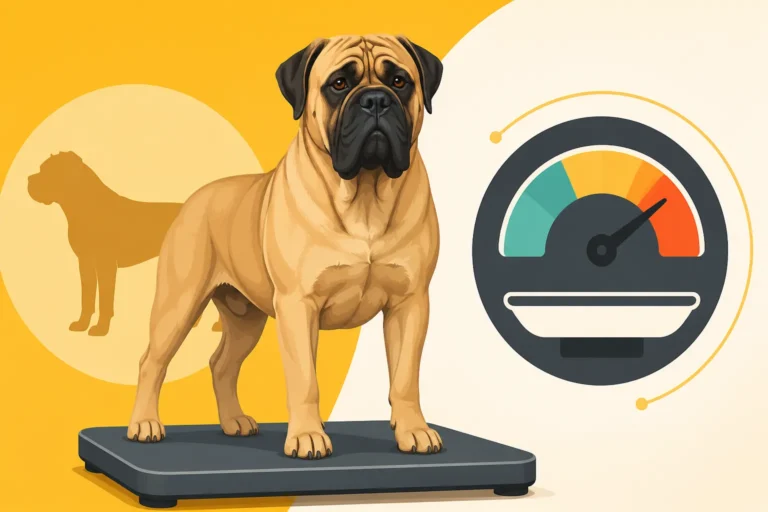
As your Bullmastiff matures, their dietary needs will change. Most will transition from large breed puppy food to an adult large breed formula. The absolute cornerstone of adult Bullmastiff care is weight management. An overweight Bullmastiff is a Bullmastiff destined for joint pain, decreased mobility, and a shortened lifespan. Every extra pound puts undue strain on their already susceptible joints. It sounds harsh, but it’s the truth we all need to hear.
Continue to monitor their weight closely, adjusting their food intake and exercise as needed. You should still be able to easily feel their ribs, see a waist, and notice a tuck-up when they stand. If you find yourself struggling to feel those ribs, it’s time to re-evaluate their diet and activity. Switching to a fresh food diet, like those offered by Ollie, can be an excellent way to provide nutrient-dense food with precise portion control, which often helps maintain an ideal weight. Many Bullmastiff owners find that feeding twice a day rather than once helps manage hunger and supports better digestion. Keeping your Bullmastiff lean is truly Keeping a Bullmastiff Lean Is the Best Thing You Can Do for their long-term health and comfort.
Beyond diet, proactive joint care is paramount. Many Bullmastiff owners choose to start their dogs on joint supplements, such as glucosamine, chondroitin, and omega-3 fatty acids, even before any signs of arthritis appear. These supplements can support cartilage health and reduce inflammation. Talk to your vet about the best options and dosages for your individual dog.
Routine Grooming and Hygiene
While Bullmastiffs have a low-maintenance coat, their unique facial structure and propensity for drool mean that daily hygiene is a significant part of their care. Let's be honest, Drool Is the Daily Job With a Bullmastiff – it’s just part of the package! Keeping a supply of drool rags or old towels strategically placed around the house will become second nature. Wipe their jowls after they drink or eat, and especially after they shake their head, to keep slobber from flying.
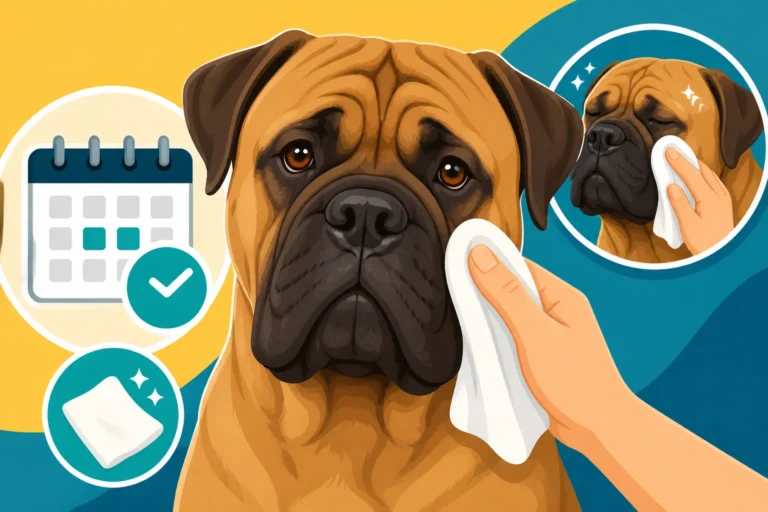
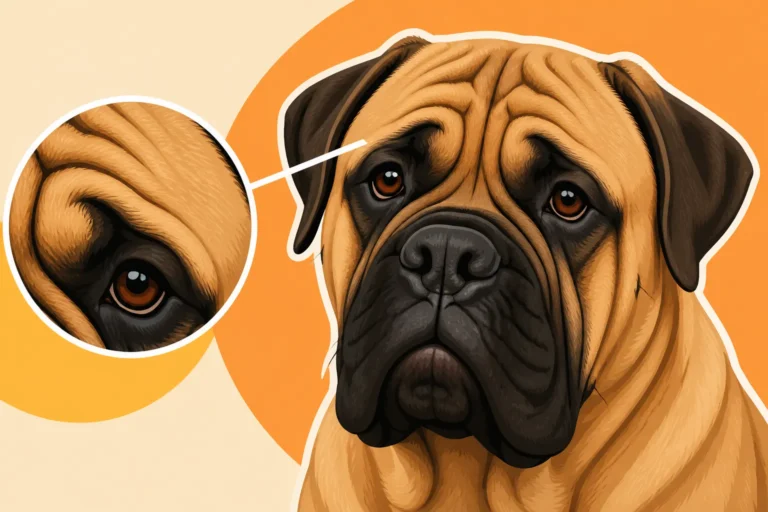
More importantly, those adorable wrinkles on their face need regular attention. Food, moisture, and dirt can get trapped in the folds, creating a breeding ground for bacteria and yeast, leading to skin fold infections. A quick daily wipe with a damp cloth or a pet-safe wipe, followed by thorough drying, is usually all it takes. Pay special attention to the folds around their muzzle and under their eyes. Our article The Wrinkles and Folds on a Bullmastiff's Face offers more detailed advice on preventing these uncomfortable infections.
Beyond the face, regular nail trims, ear cleaning, and dental care are crucial. Because Bullmastiffs are heavy, overgrown nails can splay their toes and make walking painful, impacting their joint health. Aim to trim their nails every 2-4 weeks. Their floppy ears can trap moisture, making them prone to ear infections, so check and clean them weekly with a vet-approved solution. While brushing a Bullmastiff’s teeth might seem like a monumental task, getting them used to it early can prevent painful dental disease later on. You can find a vast array of specialized grooming tools, wipes, and dental care products on Amazon, often at competitive prices. For a deeper dive into these routine tasks, check out Nails, Ears and Teeth on a Bullmastiff.
Exercise and Environmental Considerations
Despite their size, Bullmastiffs are not high-energy dogs. They thrive on moderate exercise – a couple of brisk walks a day, playtime in a securely fenced yard, or a short romp at the park. Over-exercising a young Bullmastiff, especially on hard surfaces, can be detrimental to their developing joints. Once mature, listen to your dog. They’re usually content to lounge by your feet, but they still need that daily movement to stay physically and mentally healthy.
However, their brachycephalic (short-nosed) structure makes them very susceptible to overheating. Why a Bullmastiff Overheats So Easily is a critical piece of knowledge for any Bullmastiff owner. They simply cannot cool themselves as efficiently as other breeds. In warm weather, avoid walks during the hottest parts of the day. Stick to early mornings and late evenings. Provide plenty of fresh water and access to shade. Air conditioning is not a luxury; it’s a necessity for a Bullmastiff in warm climates. If you live in an area with hot summers, be prepared to adapt your entire routine to keep them cool and comfortable. Our guide Getting a Bullmastiff Through Summer provides comprehensive strategies for managing hot weather.
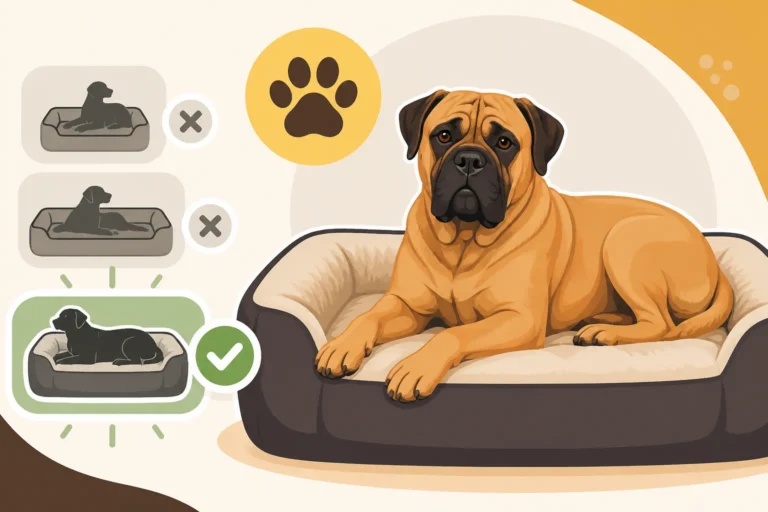
Finally, proper bedding is non-negotiable. A dog weighing a hundred and thirty pounds or more needs orthopedic support to protect their joints and prevent pressure sores. Hard floors, even with a thin blanket, are simply not enough. Invest in a high-quality orthopedic bed that supports their weight evenly. This is an investment in their long-term comfort and joint health. For more on selecting the right sleeping solutions, see Bedding and Joints for a Hundred and Thirty Pound Bullmastiff.
Embracing the Golden Years: Tailored Senior Care
As your Bullmastiff approaches their senior years, typically around six or seven years old, their needs will shift again. These are precious years, and with attentive care, you can ensure they remain comfortable, happy, and well-supported as they gracefully age. It’s about recognizing the subtle changes and adapting their routine to match their evolving capabilities.
Adapting Diet and Supplements for Seniors
Just as puppies have unique dietary needs, so do senior Bullmastiffs. As they slow down, their metabolism often does too, meaning they require fewer calories to maintain a healthy weight. Continuing to feed them the same amount of food they ate in their prime years can quickly lead to weight gain, exacerbating joint pain and other age-related issues. Look for senior-specific dog foods that are formulated with fewer calories, higher fiber, and often contain joint-supporting ingredients.
However, some senior Bullmastiffs might experience muscle loss or other health conditions that cause them to lose weight. In these cases, your vet might recommend a more calorie-dense food or specific dietary supplements to maintain muscle mass and energy. Continuing or increasing joint supplements, often alongside prescribed anti-inflammatory medications, becomes even more critical in these years. Your vet might also recommend supplements to support cognitive function, as some older dogs can experience canine cognitive dysfunction. For a Bullmastiff, managing conditions like The Age a Bullmastiff Gets Arthritis becomes a daily consideration, and diet plays a significant role in managing inflammation and comfort.
Managing Mobility and Comfort
One of the most noticeable changes in an aging Bullmastiff is often in their mobility. You might start noticing them struggling to rise after a nap, hesitating before jumping into the car, or slowing down on walks. These aren’t just signs of old age; they can be indicators of pain or discomfort. It’s heartbreaking to see your strong companion struggle, but there are many things you can do to help. Why an Aging Bullmastiff Struggles to Rise can be due to arthritis, muscle weakness, or neurological issues, and recognizing this early is key.
Provide non-slip surfaces throughout your home – rugs on hardwood or tile floors can make a huge difference. Consider ramps for cars or steps to help them access favorite spots without straining themselves. Mobility aids, such as supportive harnesses with handles, can assist you in lifting and steadying them when they need a little extra help getting up or navigating stairs. These tools can dramatically improve their quality of life. Our guide on Mobility Aids Cost for a Bullmastiff delves into the various options available and their benefits.
Their exercise routine will naturally become gentler. Short, frequent walks are often better than one long one. Swimming can be a fantastic, low-impact exercise for aching joints. The key is to keep them moving, but without pain or overexertion. Always pay close attention to their comfort levels and adjust accordingly.
Regular Veterinary Check-ups and Monitoring
For senior Bullmastiffs, semi-annual (every six months) veterinary check-ups are highly recommended. These frequent visits allow your vet to catch any potential health issues early, when they are often more manageable. During these exams, your vet will perform a thorough physical, likely recommend bloodwork to check organ function (especially kidney and liver), and possibly recommend urinalysis or other diagnostic tests. Early detection of conditions like What Most Bullmastiffs Die Of, such as cancer or organ disease, can significantly impact prognosis and quality of life.
Your vet will pay close attention to any changes in weight, muscle mass, dental health, and joint mobility. They might suggest specific pain management strategies, dietary changes, or additional supplements tailored to your dog's individual needs. Don't underestimate the value of these regular check-ups. They are your best tool for extending your Bullmastiff's comfortable years. For more details on recommended veterinary schedules, see How Often a Bullmastiff Needs a Wellness Exam.
As our Bullmastiffs age, they rely on us more than ever. Being observant, proactive, and willing to adapt their care routine will ensure their golden years are filled with as much comfort and joy as possible.
Lifelong Care: A Summary of Needs Across Ages
To give you a clearer picture, here's a snapshot of how a Bullmastiff's core care needs evolve through their life stages:
| Care Aspect | Puppy (0-1.5 years) | Adult (1.5-6 years) | Senior (6+ years) |
|---|---|---|---|
| Diet | Large breed puppy food; controlled growth | Adult large breed food; lean weight emphasis | Senior formula; adjusted calories; muscle maintenance |
| Exercise | Short, frequent, low-impact; socialization walks | Moderate daily walks; playtime | Short, gentle walks; low-impact activities; monitor pain |
| Grooming | Daily jowl & wrinkle wiping; early nail/ear habits | Daily jowl & wrinkle wiping; regular nail/ear/teeth | Increased vigilance on skin folds; frequent nail checks; dental care |
| Vet Visits | Monthly initially for vaccines; biannual post-puppy shots | Annual wellness exams | Biannual wellness exams; routine bloodwork & diagnostics |
| Joint Care | Controlled growth; avoid excessive exercise | Proactive supplements (glucosamine, fish oil) | Aggressive pain management; prescription meds & supplements |
| Environment | Safe, secure space; avoid slippery floors | Orthopedic bedding; cool environment; non-slip surfaces | Ramps, mobility aids; extra comfortable orthopedic beds |
This table provides a general overview, but always remember that every Bullmastiff is an individual. Your dog’s specific needs might vary based on their genetics, health history, and lifestyle.
Disclaimer
This article is for general informational purposes only and does not constitute professional advice. Laws, prices and regulations vary by location and change over time. Consult a qualified professional for guidance on your specific situation.