Whether a Bullmastiff Puppy Should Eat Free Choice
Bringing a Bullmastiff puppy home is an incredibly exciting time, filled with dreams of a loyal, gentle giant. But amidst all the puppy cuddles and training plans, one question often arises: "Should I let my Bullmastiff puppy eat whenever it wants?" It's a question many new owners ponder, especially with a hungry growing puppy, but the truth is, for a breed like the Bullmastiff, free-choice feeding can set the stage for significant health challenges down the road. This guide will delve into why a structured feeding schedule is not just helpful, but absolutely vital for your Bullmastiff's long-term health and well-being.
Understanding "Free-Choice" Feeding for Puppies
The idea of letting a puppy graze throughout the day, with a bowl of food always available, often comes from a good place – a desire to ensure the puppy never goes hungry. However, especially for a Bullmastiff, this approach carries more risks than benefits.
What Free-Choice Feeding Means
Free-choice feeding, often called "ad libitum" or "graze feeding," simply means keeping a bowl of food constantly full for your puppy to eat whenever it pleases. The rationale behind it is often convenience for the owner, or a belief that a puppy will self-regulate its intake and only eat when truly hungry. For some smaller, less driven breeds, this might work without immediate, obvious problems, though it still has drawbacks. The theory suggests that dogs, like many animals, would naturally eat small meals throughout the day. However, domestic dogs, especially large breeds, have evolved in a different environment, and their bodies are not always equipped to handle constant food availability without consequences.
The reality is that many puppies, given unlimited access, will overeat. This isn't just about weight gain; it impacts their entire system. When a puppy is constantly nibbling, its digestive system never gets a proper rest, and its body might not be signaling hunger and satiety cues effectively. Furthermore, free-feeding can sometimes contribute to poor potty training habits, as a puppy eating intermittently throughout the day will also need to relieve itself at unpredictable intervals. For a puppy, especially one destined to be as large as a Bullmastiff, managing weight and growth rate is paramount, making free-choice feeding a significant gamble.
Why It's Especially Risky for Large and Giant Breeds Like Bullmastiffs
For Bullmastiff puppies, the consequences of free-choice feeding are amplified due to their rapid growth rate and genetic predisposition to certain orthopedic conditions. These aren't just big dogs; they're giant breed dogs, and their skeletal development is a delicate balance. Allowing a Bullmastiff puppy to eat whenever it wants almost guarantees an uncontrolled intake of calories and nutrients, leading to faster-than-optimal growth.
This accelerated growth puts immense stress on their developing bones and joints. Imagine a skyscraper being built too quickly without proper foundational support – it’s a recipe for structural failure. Similarly, a Bullmastiff puppy's skeletal system simply isn't designed to support excessive weight gain and rapid bone elongation simultaneously. This significantly increases the risk and severity of debilitating conditions like hip and elbow dysplasia, which can cause pain, lameness, and premature arthritis. Beyond orthopedic issues, overfeeding also contributes to general obesity, which then further taxes their cardiovascular system and other organs, potentially shortening their already short lifespan. Why Lymphoma Is Why Bullmastiffs Die Young The concern extends to conditions like bloat, a life-threatening emergency, where a dog's stomach can twist. While not exclusively a puppy issue, developing healthy eating habits from a young age can be a preventative measure.
The Dangers of Rapid Growth in Bullmastiff Puppies
The sheer size a Bullmastiff puppy will attain is awe-inspiring, but this rapid growth phase is also one of the most vulnerable times in their development. Managing their growth is perhaps the most critical aspect of their puppy care.
Orthopedic Development and Growth Plates
Bullmastiffs grow from tiny, adorable bundles of wrinkles into magnificent, powerful adults in a relatively short period. This rapid increase in size means their bones are growing at an incredible rate, and their growth plates – areas of cartilage at the ends of long bones – remain open and vulnerable for an extended period. If a Bullmastiff puppy grows too quickly, due to excessive caloric intake, these growth plates can be damaged, leading to abnormal bone formation.
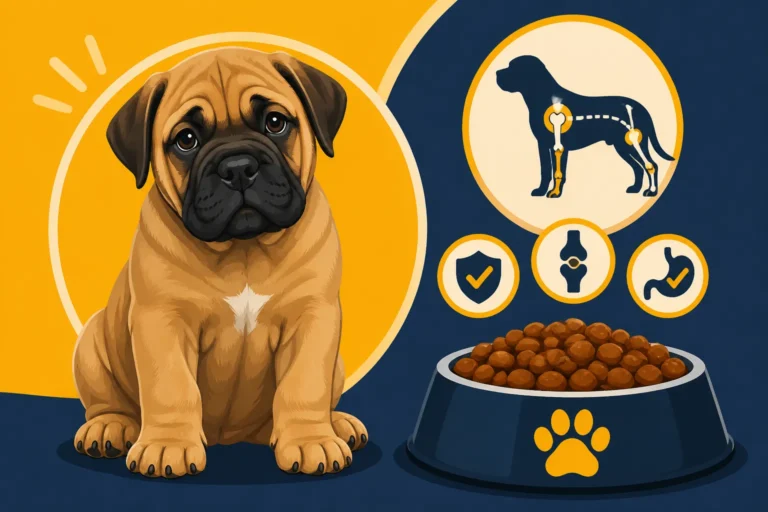
Conditions like hip dysplasia and elbow dysplasia, common in large and giant breeds, are heavily influenced by genetics, but also significantly impacted by environmental factors, especially nutrition and exercise during puppyhood. Overfeeding can cause the cartilage and bone cells to develop abnormally, leading to poorly formed joints that are prone to arthritis and pain later in life. A veterinarian will often recommend specific large breed puppy foods designed to promote slow, steady growth rather than rapid weight gain. Ensuring that your Bullmastiff maintains a lean body condition throughout this critical growth phase is one of the most powerful tools you have to mitigate the risk of these painful joint diseases. When a Bullmastiff's Growth Plates Close
Weight Management and Long-Term Health
It’s easy to spoil a Bullmastiff puppy with extra food and treats – their earnest eyes and gentle nudges are hard to resist! However, every extra pound they carry during their puppy and adolescent stages is a burden on their developing joints and organ systems. Obesity in a Bullmastiff puppy isn't just a cosmetic issue; it's a profound health risk.
An overweight Bullmastiff puppy is more likely to experience joint pain, reduced mobility, and a higher risk of developing osteoarthritis prematurely. Beyond the skeletal system, obesity strains the heart, lungs, and increases the risk of other health problems like diabetes. Establishing healthy eating habits from day one is fundamental to their entire life. Keeping a Bullmastiff Lean Is the Best Thing You Can Do This means carefully measuring food, monitoring treats, and ensuring they remain lean. Regularly feeling for their ribs is a good way to gauge their body condition; you should be able to feel them easily without seeing them protruding. This proactive approach to weight management starts with controlled feeding and continues throughout their lives, safeguarding their precious, albeit typically shorter, years.
The Recommended Approach: Controlled Meal Feeding
For Bullmastiff puppies, and indeed most dog breeds, controlled meal feeding is universally recommended by veterinarians and experienced breeders. This approach offers a multitude of benefits for both the puppy's physical health and behavioral development.
Structured Meals for Optimal Health
Implementing a structured meal schedule means you provide specific, measured portions of food at designated times throughout the day, usually two or three times for a growing puppy. This method allows you to precisely control your Bullmastiff puppy's caloric intake, ensuring they receive all the necessary nutrients without overeating. This precise control is absolutely vital for promoting slow, steady growth, which is the cornerstone of preventing orthopedic issues in giant breeds.
Beyond just calorie control, scheduled meals offer several other advantages. They help regulate your puppy's digestive system, establishing a predictable routine for bowel movements, which is a huge aid in potty training. You can also monitor their appetite more closely; a sudden loss of interest in food can be an early indicator of illness, something you might miss if food is always available. Furthermore, meal times become valuable opportunities for training and bonding. Your puppy learns patience, manners, and looks forward to these interactions with you. This consistency is calming for a young dog, reducing anxiety around food, which can sometimes manifest with free-feeding. How Many Meals a Bullmastiff Should Have
Choosing the Right Food and Portions
Selecting the correct food for a Bullmastiff puppy is just as important as how you feed it. You'll want to choose a high-quality, large or giant breed specific puppy formula. These foods are specially formulated with a balanced calcium-to-phosphorus ratio and appropriate calorie density to support the slow and steady growth that is crucial for their skeletal development. Avoid generic "all life stages" foods or puppy foods designed for smaller breeds, as these often contain higher calorie and calcium levels unsuitable for a Bullmastiff. Which Calcium and Phosphorus Levels a Bullmastiff Needs
When it comes to portions, always start with the guidelines on the food bag for your puppy's age and anticipated adult weight, but treat these as starting points. Every puppy is an individual. Your veterinarian is your best resource for determining the precise amount of food your Bullmastiff puppy needs. They can assess your puppy's body condition score during regular check-ups and help you adjust portions as they grow. You can find a wide variety of suitable large breed puppy foods on platforms like Chewy or Amazon, making it convenient to compare brands and ingredients. Some specialized services, such as Ollie, also offer tailored fresh food plans that can be portion-controlled to your puppy's exact needs, though you'll still need to ensure their formulations are appropriate for giant breed growth.
Monitoring Growth and Adjusting Intake
One of the greatest advantages of scheduled feeding is the ability to closely monitor your Bullmastiff puppy's growth and make necessary adjustments. Regular vet visits are non-negotiable for this, where your veterinarian will weigh your puppy and assess its body condition. You can also learn to check your puppy’s body condition yourself at home. How to Feel a Bullmastiff's Ribs You should be able to easily feel their ribs when you run your hands along their side, without them being visibly prominent. A slight "tuck-up" in their waist area when viewed from above is also a good sign of a healthy weight.
If your puppy appears to be gaining weight too quickly or looking a little too plump, your vet might recommend slightly reducing their daily food intake. Conversely, if they seem a bit too lean, a slight increase might be warranted. It's a delicate balance during these crucial growth months. Remember, the goal isn't to make them grow as fast as possible, but to ensure steady, healthy development. Consistent monitoring and adjusting portions based on their actual body condition rather than just their age or what the bag says will help prevent over-nutrition and promote robust skeletal health. Weighing a Bullmastiff Puppy Every Week
Behavioral Aspects of Free-Choice vs. Scheduled Feeding
Feeding isn't just about physical health; it profoundly impacts a puppy's behavior and the relationship you build with them. The method you choose can either foster good manners and trust or inadvertently create challenges.
Resource Guarding and Socialization
Resource guarding, where a dog becomes protective of its food, toys, or even people, is a common behavioral issue that can be exacerbated by free-choice feeding. When food is always available, a puppy might feel the need to constantly "defend" its bowl from perceived threats, even from family members. This can lead to growling, snapping, or other aggressive behaviors around food. For a powerful breed like a Bullmastiff, even a small incident of resource guarding can be serious due to their size and strength.
Scheduled meal times, on the other hand, can be instrumental in teaching a puppy that humans are providers, not competitors. By consistently presenting food and then removing the bowl once they've finished, you teach them that food appears reliably and that you control its distribution. This builds trust and reduces the need for guarding. You can further reinforce this by occasionally adding a high-value treat to their bowl while they're eating, demonstrating that your presence around their food bowl means good things happen, rather than a threat. This positive association during mealtimes is a critical component of proper socialization and helps prevent future behavioral problems. Teaching a Bullmastiff Not to Lean
Bonding and Routine Establishment
Meal times are powerful opportunities for bonding with your Bullmastiff puppy. The act of providing nourishment strengthens the human-animal bond, as your puppy associates you with a positive and essential life-sustaining experience. When you're the one consistently filling their bowl and overseeing their meals, it reinforces your role as a benevolent leader and caregiver. This daily ritual builds a foundation of trust and respect.
Furthermore, dogs thrive on routine. A predictable schedule for feeding, potty breaks, exercise, and rest provides a sense of security and reduces anxiety in puppies. When your Bullmastiff puppy knows exactly when their meals are coming, they are less likely to experience stress or develop disruptive behaviors like incessant begging or counter-surfing due of uncertainty. Establishing a clear and consistent routine from the moment you bring your puppy home sets expectations and helps them integrate smoothly into your household. This structure is especially beneficial during the critical The First Year With a Bullmastiff Puppy, helping to shape a well-adjusted and confident companion.
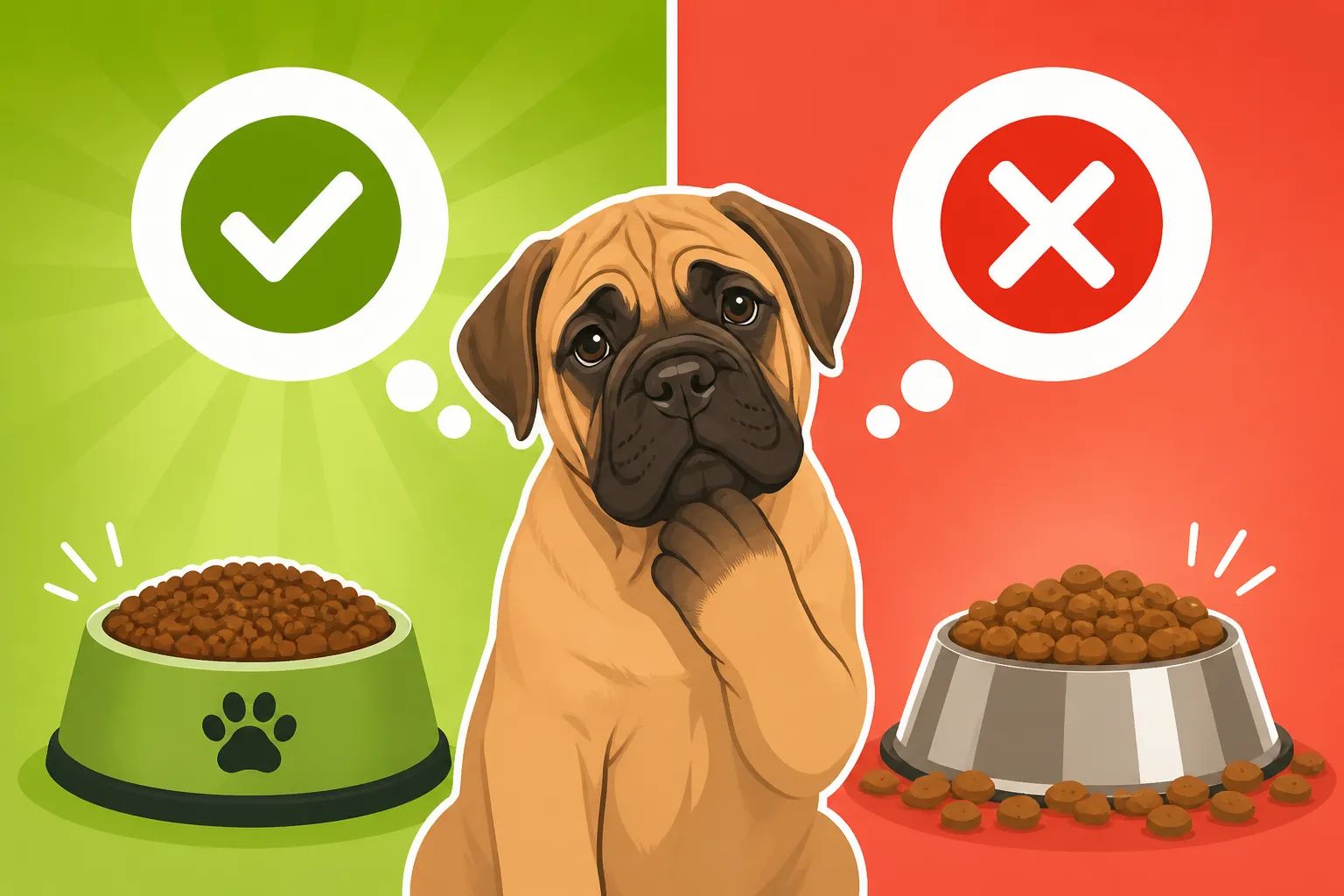
Here’s a quick comparison of free-choice vs. scheduled feeding for your Bullmastiff puppy:
| Feature | Free-Choice Feeding (Not Recommended for Bullmastiffs) | Scheduled Meal Feeding (Recommended) |
|---|---|---|
| Growth Rate Control | Poor control, often leads to rapid growth | Excellent control, promotes slow, steady growth |
| Orthopedic Health Risk | Significantly higher risk of hip/elbow dysplasia | Lower risk, supports healthy joint development |
| Weight Management | Difficult to monitor, high risk of obesity | Easy to monitor, promotes lean body condition |
| Potty Training | Unpredictable elimination schedule, harder to train | Predictable elimination schedule, easier to train |
| Appetite Monitoring | Difficult to notice changes in appetite | Easy to detect changes, early illness indicator |
| Resource Guarding Risk | Higher risk of developing food guarding | Lower risk, fosters trust and good manners |
| Bonding Opportunity | Limited opportunities | Strong bonding through consistent interaction |
| Routine & Predictability | Lacks structure, can cause anxiety | Provides clear routine, reduces anxiety |
| Food Consumption | Often overeats | Eats appropriate, measured portions |
Ultimately, while the idea of free-choice feeding might seem convenient or even generous, it poses too many significant risks for a growing Bullmastiff puppy. Their unique needs as a giant breed demand a more thoughtful and controlled approach to nutrition. By committing to a structured meal schedule, carefully selecting their food, and monitoring their growth, you are providing your Bullmastiff the absolute best foundation for a long, healthy, and happy life.
Disclaimer
This article is for general informational purposes only and does not constitute professional advice. Laws, prices and regulations vary by location and change over time. Consult a qualified professional for guidance on your specific situation.