Whether Bullmastiff Lifespan Has Changed
It's a heartbreaking reality for any Bullmastiff owner: their beloved giants often have shorter lifespans compared to many other breeds. When you fall in love with these magnificent dogs, you can't help but wonder if there's any hope for them to live longer, healthier lives than what the statistics often suggest. This guide will delve into whether the Bullmastiff's lifespan has truly changed over the years, exploring historical trends, current challenges, and what you can realistically do to support your gentle giant.
Looking Back: The Bullmastiff Lifespan of Yesteryear
For those of us deeply entrenched in the world of Bullmastiffs, the conversation around their lifespan is a familiar, often painful one. Historically, these magnificent dogs, like many large and giant breeds, have always had a shorter expected lifespan than their smaller canine counterparts. When you look at old records or talk to long-time breeders and enthusiasts, a common sentiment emerges: a Bullmastiff reaching eight or nine years old was considered a good, long life. Double-digit ages were, and still are, quite rare, celebrated as extraordinary achievements.
This isn't just anecdotal evidence; it's a pattern that has persisted for generations. The very genetics that give the Bullmastiff its impressive size, strength, and protective instincts also predispose them to certain health conditions that can shorten their time with us. Back in the day, veterinary medicine wasn't as advanced as it is now. Many of the diagnostic tools, treatment protocols, and surgical options we take for granted today simply didn't exist. This meant that conditions like certain cancers or severe heart issues, once diagnosed, often offered very limited avenues for intervention. A diagnosis was often a pronouncement of a rapidly approaching end, with little to offer in terms of extending life or even significantly improving its quality for much time.
Think about it: fifty, sixty, or even eighty years ago, many serious canine health problems were simply accepted as an unavoidable part of owning a dog. There wasn't the same level of research into breed-specific diseases, nor the specialized veterinary care available. Owners did their best, but their options were often limited to basic care, comfort measures, and managing symptoms rather than truly treating the underlying cause. This background is crucial when we consider whether the breed's lifespan has truly "changed" because what constitutes a "normal" or "expected" lifespan has always been tempered by the inherent challenges of large breed ownership and the limitations of available medical science.
The Modern Bullmastiff: What Today's Numbers Tell Us
Fast forward to today, and the conversation around Bullmastiff lifespan, while still tinged with sadness, is also full of hope and proactive measures. The unfortunate truth is that, on average, the Bullmastiff's median lifespan hasn't dramatically increased over the decades. We still often see that The Median Bullmastiff Lives Eight and a Half Years as a general benchmark. While some individual dogs may defy this, reaching into their tenth or eleventh year, the breed as a whole continues to face a concentrated period of life, often succumbing to age-related illnesses earlier than many other breeds.
The data consistently points to certain conditions that are disproportionately represented in Bullmastiff mortality statistics. For instance, Lymphoma Kills More Bullmastiffs Than Anything Else, a sobering fact that underscores one of the primary health challenges facing the breed. This type of cancer, along with other aggressive forms, often strikes relatively early, cutting lives tragically short. The intensive nature of treatments, such as chemotherapy, while offering hope for remission, also highlight the severity of these illnesses and the fight owners often face.
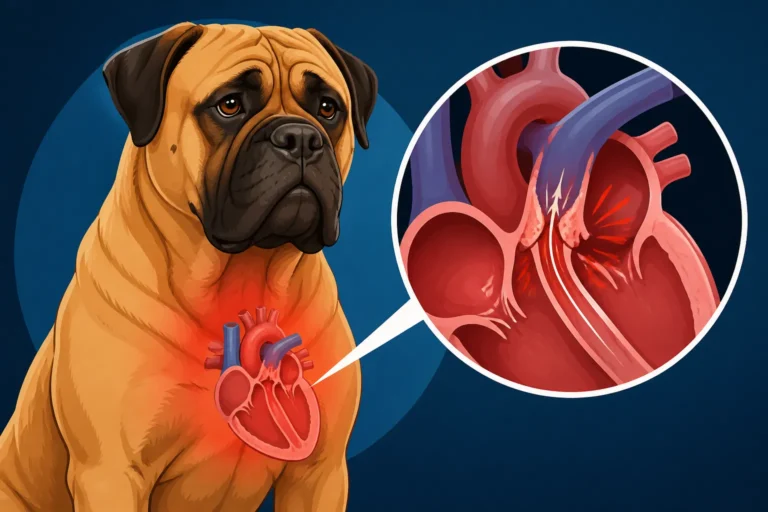
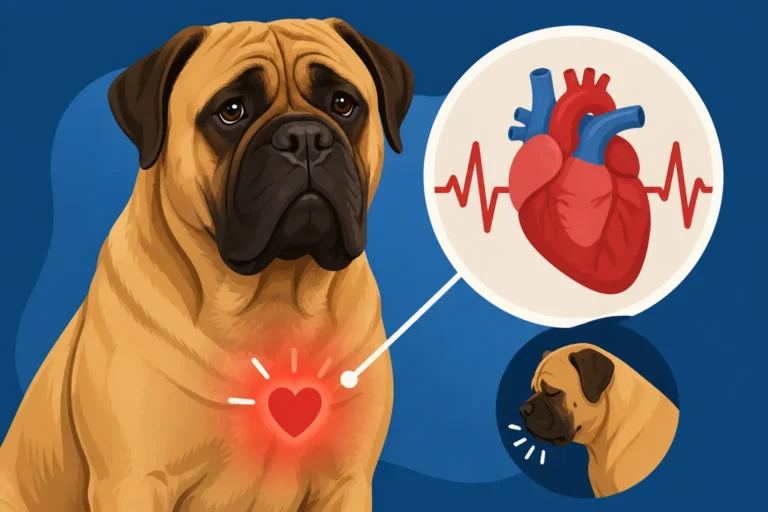
Other significant health concerns that continue to impact longevity include heart conditions like Subaortic Stenosis Is There Before a Bullmastiff's First Birthday, and orthopedic issues that, while not always fatal, can severely diminish quality of life in later years, leading to difficult decisions for owners. The cumulative effect of these predispositions means that while we've made strides in diagnosis and treatment, the underlying genetic realities still exert a strong influence on how long these dogs typically live. It's a constant battle between their genetic blueprint and our best efforts in care.
Driving Forces: Why Lifespans May or May Not Be Changing
Understanding whether a Bullmastiff's lifespan has truly shifted requires looking at several powerful factors that influence canine health and longevity. It's a complex interplay of science, ethics, and dedicated care.
Advancements in Veterinary Medicine
One of the most significant shifts we've seen is in the field of veterinary medicine. Compared to decades past, our vets today have an incredible arsenal of diagnostic tools and treatment options at their disposal. We're talking about sophisticated imaging like MRI and CT scans, advanced surgical techniques, and a vast array of medications, including targeted chemotherapy protocols for cancers like lymphoma. These advancements can certainly extend a Bullmastiff's life, even if the median age hasn't drastically changed. For example, a dog diagnosed with a treatable cancer today has a far greater chance of achieving remission and enjoying months or even a few years more than a dog with the same diagnosis 30 years ago.
However, these advanced treatments come with a significant cost. Many Bullmastiff owners find themselves facing substantial vet bills, especially when dealing with chronic conditions or critical illnesses. This is where pet insurance, like plans offered by Healthy Paws, can be a game-changer. Having robust coverage means owners are often empowered to pursue the best possible medical care, rather than being limited by financial constraints. This accessibility to higher-level care, even if it's not universally adopted, plays a role in preventing premature deaths that might have occurred in the past due to lack of options. The knowledge and expertise of specialists in oncology, cardiology, and orthopedics, which were once rare, are now more accessible, offering new pathways for managing complex health issues.
Breeding Practices and Genetic Health
The impact of breeding practices on lifespan is monumental. Over the years, there's been a growing emphasis among responsible breeders on health testing and transparency. Breeders dedicated to the well-being of the breed are now routinely screening for common issues like hip and elbow dysplasia, cardiac conditions, and even some genetic markers for certain diseases. This wasn't always the standard, and certainly, unethical or uneducated breeding practices of the past may have inadvertently perpetuated certain health problems.
However, the nature of genetic predispositions in a breed like the Bullmastiff means that even with the best efforts, some health challenges are deeply ingrained. While breeders can certainly strive to reduce the incidence of certain issues, eliminating all risks is a monumental, if not impossible, task. The conversation around What a Bullmastiff Breeder Should Have Screened, and the importance of choosing a puppy from lines with proven health histories, is more critical than ever. We're seeing more breeders openly discussing the health challenges in their lines, even if it means acknowledging a shorter overall lifespan, because that transparency helps owners prepare and can eventually lead to healthier future generations. It's a slow process, but an essential one for the breed's long-term health. The goal isn't just to produce a healthy puppy, but to ensure that the dogs produced contribute to the breed's overall health trajectory.
Owner Awareness and Lifestyle
The general public's understanding of canine health and nutrition has also undergone a dramatic transformation. Modern Bullmastiff owners are often far more educated about the specific needs of their breed, from proper nutrition for giant breeds to the importance of controlled exercise during growth. For example, feeding a Bullmastiff puppy so it grows slowly can help mitigate the risk of orthopedic problems later on. We also understand the critical importance of Keeping a Bullmastiff Lean Is the Best Thing You Can Do, as obesity places immense strain on joints and organs, significantly shortening lifespan.
Owners are also more attuned to early signs of illness, thanks to readily available information and increased communication with veterinarians. They're proactive in seeking annual wellness exams, consistent parasite prevention, and staying on top of vaccinations. Furthermore, there's a greater emphasis on mental stimulation and appropriate exercise, ensuring a high quality of life. The willingness of owners to invest in regular vet check-ups, even asking for annual bloodwork, is a testament to this increased awareness. This proactive approach to health and a better understanding of the breed's unique vulnerabilities mean that preventable issues are often caught earlier, potentially extending healthy years. For instance, knowing Why a Bullmastiff Overheats So Easily, means responsible owners are now taking precautions that might not have been widely understood in the past.
Extending Those Precious Years: What You Can Do Now
While the overall median lifespan for Bullmastiffs hasn't seen a dramatic upward surge, the good news is that as an individual owner, you have significant power to influence your own dog's longevity and quality of life. It’s about being proactive, informed, and dedicated.
Prioritize Preventative Care and Regular Check-ups
This cannot be stressed enough. Regular veterinary check-ups, at least once a year for adult Bullmastiffs and more frequently for puppies and seniors, are your first line of defense. These visits allow your vet to catch potential issues early, often before they become serious problems. Discussing How Often a Bullmastiff Needs a Wellness Exam, and yearly bloodwork can help monitor organ function and detect underlying conditions.
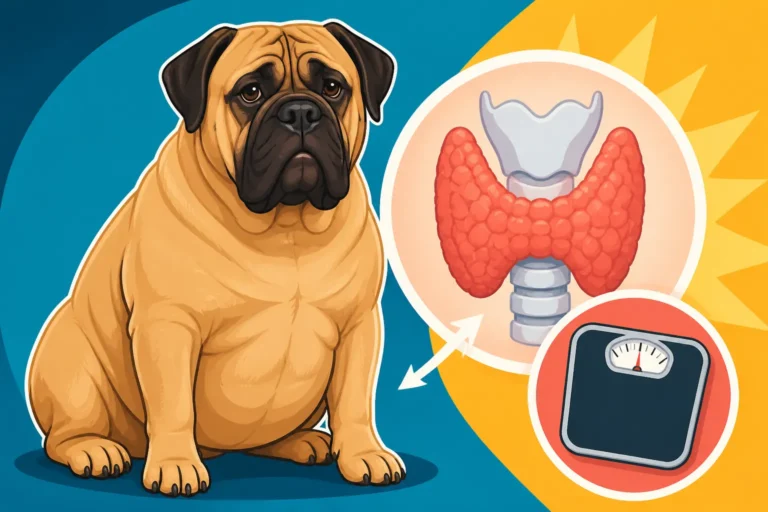
For example, routine blood tests can sometimes flag early signs of Hypothyroidism in a Bullmastiff, a common condition in the breed that, if left untreated, can lead to a host of health problems. Early detection and medication can manage this effectively, greatly improving your Bullmastiff's comfort and health. Don't shy away from discussing any subtle changes you notice in your dog's behavior, appetite, or energy levels, as your vet can investigate these further. Remember, Bullmastiffs can be stoic, and How a Bullmastiff Hides Pain, meaning you need to be extra vigilant.
Smart Nutrition and Weight Management
What you feed your Bullmastiff and how much you feed them are critical. Opt for a high-quality, large-breed specific dog food appropriate for their life stage. Feeding a Bullmastiff Puppy So It Grows Slowly, is especially important to support healthy bone and joint development and prevent too-rapid growth, which can exacerbate orthopedic issues. Once they're adults, maintaining a lean body condition is paramount.
It's tempting to spoil our gentle giants, but extra weight puts immense strain on their joints, heart, and other organs, directly impacting their lifespan. Work with your vet to determine an ideal weight and feeding plan. Avoid free-feeding, and measure out their meals. If you're wondering How Many Pounds of Food a Bullmastiff Eats a Month, it's a significant amount, so proper budgeting and sourcing high-quality food are crucial. Snacks should be healthy, low-calorie options, and given in moderation.
Appropriate Exercise and Joint Support
Bullmastiffs are not endurance athletes, but they do require regular, moderate exercise to maintain muscle tone and a healthy weight. Daily walks at a comfortable pace are usually sufficient. Avoid intense, high-impact activities, especially during their growth phases, to protect their developing joints. Remember, The Exercise Limit for a Bullmastiff Puppy, is important to respect.
As they age, joint health becomes an even bigger concern. Providing appropriate Bedding and Joints for a Hundred and Thirty Pound Bullmastiff, such as orthopedic beds, can make a huge difference in their comfort. Many owners also consider joint supplements, often starting them relatively early, to support cartilage health. If your Bullmastiff starts showing signs of discomfort or stiffness, don't delay in discussing it with your vet. Options like anti-inflammatory medications or physical therapy can greatly improve their quality of life as they get older, ensuring that Caring for a Bullmastiff Past Six, is as comfortable as possible.
Financial Preparedness for Unexpected Health Issues
Given the breed's predisposition to certain serious health conditions, having a plan for unexpected veterinary expenses is incredibly wise. As discussed, conditions like lymphoma or other cancers often require expensive, long-term treatments. Whether it's setting aside a dedicated emergency fund or investing in comprehensive pet insurance like Healthy Paws, being financially prepared can ease the burden during stressful times and allow you to make decisions based on your dog's health needs rather than your wallet.
An accident and illness policy can cover a significant portion of veterinary bills for eligible conditions, including specialist visits, diagnostics, and treatments. It's truly a safety net that allows you to explore all options when your Bullmastiff faces a serious health challenge. For a breed known to have a shorter life, and often costly health issues as they age, being prepared can mean the difference between providing extensive care and facing impossible choices. This foresight can literally add precious time, or at least comfort, to your Bullmastiff's life, demonstrating that Chemotherapy Is the Bill Most Bullmastiff Owners Face.
Table: Key Factors Influencing Bullmastiff Lifespan Over Time
| Factor | Historical Impact (e.g., 50+ years ago) | Modern Impact (Today) | Change in Lifespan |
|---|---|---|---|
| Veterinary Medicine | Limited diagnostics, basic treatments, comfort care primarily. | Advanced diagnostics, specialized treatments (oncology, cardiology, surgery). | Increased Quality, Potential for Extension |
| Genetic Health Issues | Less awareness, fewer screening tools, conditions often passed unknowingly. | More health testing (hips, elbows, heart), greater breeder transparency. | Reduced Incidence, but inherent risks remain |
| Nutrition & Weight | Less understanding of large breed specific needs; obesity common. | Emphasis on large breed specific food, lean body condition, weight management programs. | Positive, helps manage comorbidities |
| Owner Awareness | General dog care, less breed-specific knowledge. | Highly informed owners, proactive preventative care, early symptom recognition. | Positive, leads to earlier intervention |
| Cost of Care | Lower costs, but fewer options. | High costs for advanced care; pet insurance (e.g., Healthy Paws) as a solution. | Access to care improved, if funded |
While the Bullmastiff's inherent genetic predispositions mean that How Long a Bullmastiff Lives on Average, might not have seen a dramatic leap from "a short time" to "a long time," the ability to maximize those precious years and ensure they are of high quality has absolutely changed. By understanding the challenges and committing to proactive care, we can give our beloved Bullmastiffs the best possible chance at a full and happy life, even if it's shorter than we wish.
Disclaimer
This article is for general informational purposes only and does not constitute professional advice. Laws, prices and regulations vary by location and change over time. Consult a qualified professional for guidance on your specific situation.