What Bullmastiff Owners Spend in the Last Six Months
Bringing a Bullmastiff into your life is a joy, but as they age, navigating their final months can be incredibly challenging, both emotionally and financially. It’s a period where you want to provide comfort and dignity, yet the costs can feel overwhelming and unexpected, adding a layer of stress to an already heartbreaking time. This guide aims to shed light on the common expenses Bullmastiff owners might face during their dog's last six months, helping you prepare for what lies ahead.
Navigating End-of-Life Care Decisions and Costs
When your beloved Bullmastiff reaches its golden years, or perhaps faces a serious health decline, the focus often shifts from aggressive treatment to ensuring their comfort and quality of life. This phase, known as palliative care, is about managing symptoms and pain rather than seeking a cure, and it comes with its own set of financial considerations.
Palliative Care and Comfort Management
Palliative care for a Bullmastiff in its last six months is about making every day as good as it can be. This might involve managing the aches and pains of advanced arthritis, the symptoms of organ failure like kidney or heart disease, or simply addressing general discomfort that comes with old age. Instead of costly surgeries or intensive treatments, the vet visits become more frequent, often focused on assessing pain levels, adjusting medication dosages, and discussing overall well-being. These appointments, while individual, add up. Sometimes, specialized vets who focus on pain management or geriatric care might be brought in, incurring consultation fees beyond a regular vet's charge. You're paying for expertise in helping your gentle giant remain as comfortable as possible. It's a journey focused on their happiness and ease, which means a lot of dedicated attention. If you're looking into what this entails more broadly, our article Caring for a Bullmastiff Past Six offers deeper insights.
Diagnostic Workups in Later Life
Even during palliative care, a certain level of diagnostics remains crucial. It's not always about finding a cure, but about understanding what's causing discomfort or how a condition is progressing so that comfort care can be optimized. For instance, if your Bullmastiff suddenly seems more lethargic or experiences a new symptom, blood tests might be recommended to check organ function or rule out new complications. X-rays could reveal the extent of arthritis or check for any unexpected masses. An ultrasound, for instance, might be needed if there are concerns about internal organs. While these procedures might not lead to aggressive interventions, they provide vital information to tailor pain relief or diet, ensuring that your efforts truly address their needs. The cost for these tests can be significant, and it’s a difficult balance to strike between gathering information for comfort and not putting your dog through unnecessary stress or expense. You might find our posts like What an Ultrasound Costs on a Bullmastiff or What Chest X Rays Cost on a Bullmastiff helpful in understanding specific diagnostic expenses.
Medication Management for an Aging Bullmastiff
As Bullmastiffs age, many develop chronic conditions that require ongoing medication. This isn't just about the occasional pill; it often means a daily regimen to keep them comfortable and maintain their quality of life. The sheer size of a Bullmastiff means their medication dosages are often substantial, which directly impacts the cost.
Pain Relief and Anti-Inflammatories
One of the most common issues for senior Bullmastiffs is joint pain and arthritis. Their impressive size, while magnificent, puts a lot of strain on their joints over the years. To manage this, veterinarians often prescribe non-steroidal anti-inflammatory drugs (NSAIDs) to reduce inflammation and pain. Medications like gabapentin or tramadol might also be used to address nerve pain or provide additional analgesia. Because Bullmastiffs are large dogs, they require higher doses of these medications, which means you'll go through prescriptions faster and the cost per refill will be higher than for a smaller breed. It's a recurring expense that becomes a significant part of your monthly budget. Looking into options from online pharmacies like Chewy can sometimes offer some savings compared to buying directly from your vet, especially for long-term prescriptions. Understanding What an Aging Bullmastiff's Medication Costs will give you a better idea of these recurring expenses.
Managing Chronic Conditions
Beyond general pain relief, many senior Bullmastiffs develop specific chronic conditions that demand continuous medication. For example, if your Bullmastiff has been diagnosed with a heart condition, they might require daily cardiac medications to support heart function. Thyroid issues, which can affect Bullmastiffs, also necessitate lifelong hormone replacement therapy. Kidney disease might call for specialized diets and medications to support kidney function. These aren't one-off treatments but ongoing, daily commitments. The cost of these specialized medications, often compounded or prescribed in large quantities due to your Bullmastiff's weight, can quickly accumulate. It's essential to factor these into your financial planning for their last months. You can explore topics such as What a Bullmastiff's Medication Costs by Weight for more details on how size influences these expenses.
Specialized Support and Mobility Aids
As a Bullmastiff ages and mobility declines, providing physical comfort and maintaining accessibility within their environment becomes paramount. Their size makes this both challenging and crucial, as a fall or prolonged discomfort can significantly impact their well-being. Investing in the right support items can make a world of difference.
Orthopedic Beds and Comfort Accessories
Imagine trying to sleep on a hard floor every night when your joints ache. For a heavy Bullmastiff, a quality orthopedic bed isn't a luxury; it's a necessity, especially in their senior years. These beds, often made with thick memory foam or specialized supportive materials, distribute their weight evenly, reducing pressure on their hips, elbows, and other joints. While they represent an upfront investment, they are critical for preventing bedsores and ensuring restful sleep. Beyond beds, smaller comfort accessories like soft blankets, elevated food and water bowls (to reduce strain on their neck and joints), and even cooling mats for warmer days can contribute to their overall comfort. Remember, a Bullmastiff's size means these items are larger, and thus often more expensive, than those for smaller breeds. Our article What an Orthopedic Bed for a Bullmastiff Costs goes into more detail on these essential items.
Home Modifications and Accessibility
Making your home accessible for a less mobile Bullmastiff is vital. This often means more than just a comfortable bed. Non-slip rugs placed on hardwood or tile floors can prevent painful slips and falls, which are especially dangerous for heavy dogs. Baby gates or specific barriers might be needed to safely contain them in areas with easy access, preventing them from attempting stairs alone. For dogs who struggle to get into vehicles, a car ramp is an invaluable aid, protecting both their joints and your back. These adaptations help maintain their independence and prevent injuries that could significantly diminish their quality of life. Sometimes, even simple changes like moving their bed closer to frequently used areas can help. You'll find useful information about specific aids in What Mobility Aids Cost for a Bullmastiff and What a Car Ramp for a Bullmastiff Costs. Brands like Chewy often carry a wide range of these mobility solutions, from joint supplements to ramps, that can be delivered right to your door.
The Final Costs: Euthanasia and Aftercare
The most difficult decisions and, in many ways, the most profound costs come at the very end of your Bullmastiff's life. These are expenses you hope to never face but need to be aware of to ensure your beloved companion's final moments are peaceful and handled with dignity.
Euthanasia Services
Choosing euthanasia is an act of profound love, ensuring that your Bullmastiff does not suffer unnecessarily. The cost of euthanasia itself can vary depending on whether you choose an in-clinic procedure or an in-home service. In-home euthanasia, while often more expensive, offers the peace and comfort of your dog's familiar surroundings, which many owners find invaluable. This cost typically includes the sedative, the euthanasia solution, and potentially a house call fee if chosen. Your veterinarian will walk you through the process, and some will even arrange for transport of remains if you opt for cremation. It's a deeply personal choice, and the financial aspect can feel secondary, but it is a necessary part of the planning. Knowing Whether Euthanasia Costs More for a Bullmastiff can help you prepare for this difficult day.
Cremation and Memorials
After euthanasia, you'll face decisions about aftercare. Cremation is a common choice, offering options for private cremation (where your Bullmastiff's ashes are returned to you) or communal cremation (where ashes are scattered, and not returned). Private cremation will naturally be more expensive. Many facilities also offer a range of memorial items, such as urns, paw prints, or fur clippings, allowing you to keep a tangible memory of your companion. These personalized touches, while not mandatory, add to the overall cost but can provide immense comfort during grief. These are deeply personal choices, and the costs reflect the level of service and memorialization you choose. Our guide What Cremation Costs for a Bullmastiff can provide further details on these expenses. Many pet insurance providers like Healthy Paws may cover a portion of euthanasia costs if it's due to an illness or accident, which can be a small relief during a tough time.
Summary of Potential End-of-Life Expenses
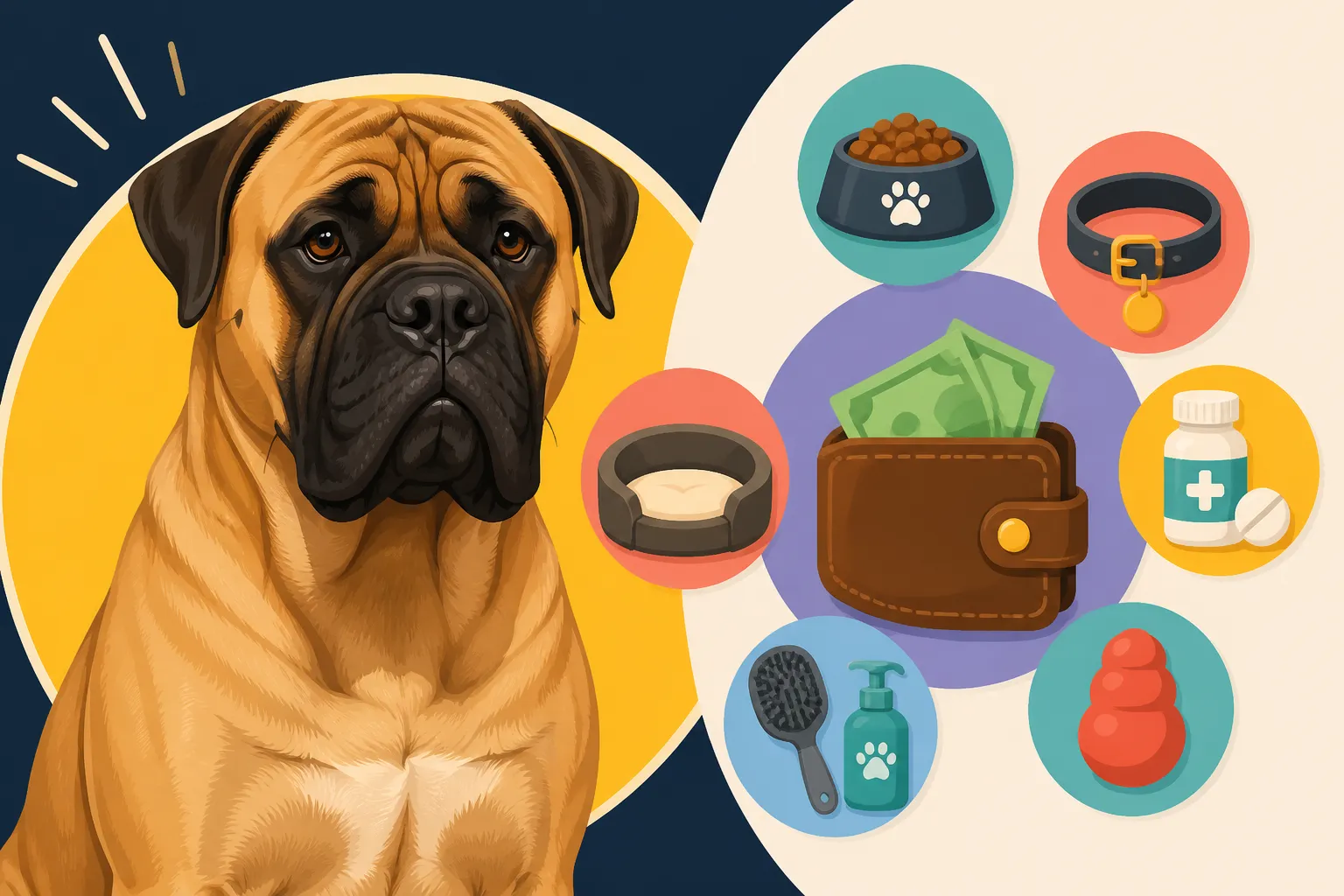
Here’s a general overview of the types of expenses you might encounter during your Bullmastiff's last six months. Please remember, these are qualitative descriptions, and actual costs vary widely based on location, specific veterinary practices, and your dog's individual needs.
| Expense Category | Typical Items | Cost Impact |
|---|---|---|
| Veterinary Care | Regular check-ups, pain assessments, palliative care visits | Moderate to High |
| Diagnostics | Blood tests, X-rays, ultrasounds (as needed for comfort) | Moderate to High |
| Medications | NSAIDs, pain relievers, heart meds, thyroid meds, etc. | Moderate to High (ongoing) |
| Joint Supplements | Glucosamine, chondroitin, fish oil, other specialized supplements | Low to Moderate (ongoing) |
| Specialized Food | Senior diets, prescription diets (e.g., for kidney support) | Moderate (ongoing) |
| Comfort & Mobility Aids | Orthopedic beds, ramps, slings, non-slip mats | Moderate to High (upfront) |
| Grooming & Hygiene | Wipes for facial folds, occasional baths, nail trims | Low to Moderate (ongoing) |
| Euthanasia Services | In-clinic or in-home procedure | Moderate |
| Aftercare & Memorials | Private/communal cremation, urns, paw prints | Moderate to High |
Navigating the last months with your Bullmastiff is an emotional rollercoaster, and being prepared for the financial aspects can ease some of the burden. Planning ahead, discussing options with your vet, and even looking into pet insurance coverage from providers like Healthy Paws can help ensure you provide the best possible comfort for your beloved companion until their very last moment. While services like Ollie can help with healthy food choices earlier in life, the end-of-life period truly focuses on comfort and care.
Disclaimer
This article is for general informational purposes only and does not constitute professional advice. Laws, prices and regulations vary by location and change over time. Consult a qualified professional for guidance on your specific situation.