What a Mast Cell Tumor Removal Costs on a Bullmastiff
When you notice an unusual lump or bump on your beloved Bullmastiff, that heart-sinking feeling is all too familiar. The immediate worry jumps to "what is it?" and then, inevitably, "how much is this going to cost me?" Discovering a mast cell tumor (MCT) can bring a wave of fear and financial anxiety, especially when you know that Bullmastiffs are unfortunately prone to these types of growths. This guide is here to walk you through the typical costs associated with diagnosing and surgically removing a mast cell tumor from your big, lovable companion, offering a realistic look at what to expect on your veterinary bill.
Understanding Mast Cell Tumors in Bullmastiffs and Why They Need Quick Action
Finding any new lump on your Bullmastiff is cause for concern, but mast cell tumors, in particular, demand immediate attention. These aren't just benign fatty deposits; they are a type of cancer that can range from relatively harmless to aggressive and life-threatening. For Bullmastiff owners, the reality is that our breed has a higher predisposition to these kinds of tumors, and they can sometimes behave more aggressively than in other breeds. This makes understanding them, and acting quickly, absolutely crucial.
The Urgency of a Mast Cell Tumor Diagnosis
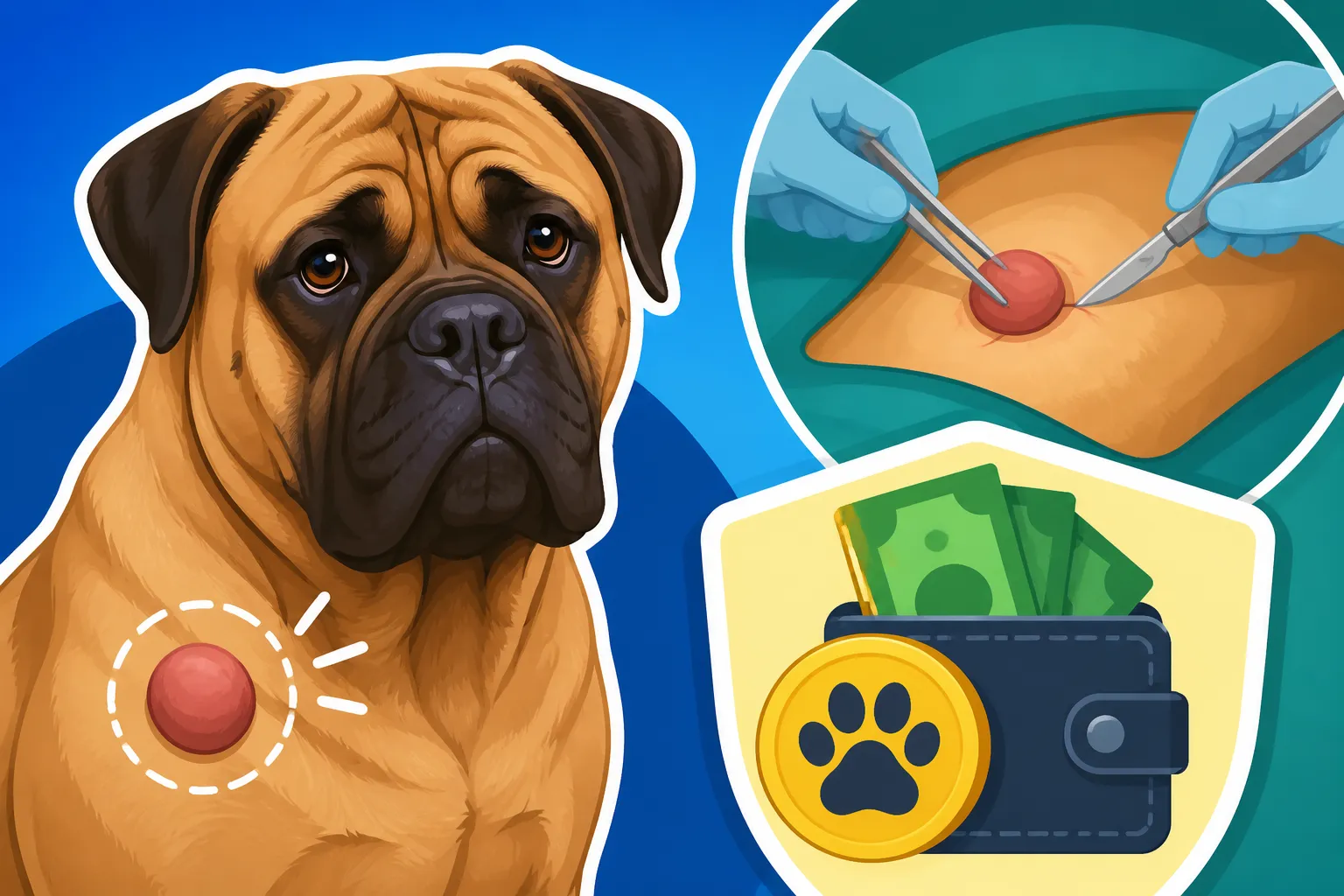
A mast cell tumor originates from mast cells, which are part of your dog's immune system. They’re found throughout the body, so these tumors can pop up just about anywhere – on the skin, under the skin, or even on internal organs. On a Bullmastiff, you might find them as a raised, red, sometimes ulcerated mass on the skin, but they can also feel like a soft lump underneath, deceivingly similar to a benign lipoma. The tricky part is that mast cell tumors can change size and appearance quite rapidly, sometimes appearing to shrink or grow unpredictably, which can lull owners into a false sense of security. Because they can release histamine and other inflammatory chemicals when disturbed, they can also cause localized swelling, redness, and itching, sometimes making them look like an allergic reaction.
The urgency stems from their potential to spread. Low-grade tumors might just be a local nuisance, but high-grade tumors can metastasize quickly to lymph nodes, spleen, liver, and bone marrow. Early detection is paramount because a smaller, less invasive tumor removal generally translates to a simpler, less costly surgery and a much better prognosis for your Bullmastiff. Delaying action allows the tumor to grow, potentially making the surgery far more complicated, requiring wider margins, and increasing the chance of spread, which then necessitates more expensive and extensive treatments down the road. This is why if you feel any new lump, especially on a breed like ours, you need to get it checked out quickly. You might want to refer to Mast Cell Tumors and the Lumps on a Bullmastiff for more information on what these look and feel like.
The Initial Diagnostic Steps and Their Costs
Before your vet can even think about surgery, they need to confirm what they're dealing with. This initial diagnostic phase is essential and comes with its own set of costs.
Your first step will be a trip to the vet for a thorough examination. The vet will palpate the mass, assess its size, location, and how it feels beneath the skin. They'll also check other areas, like lymph nodes, for any signs of spread. This initial consultation fee is usually a standard office visit charge.
The most common and least invasive diagnostic tool for a suspicious lump is a Fine Needle Aspirate (FNA). During an FNA, your vet will use a very thin needle to collect a small sample of cells directly from the lump. This process is usually quick, and most Bullmastiffs tolerate it well with minimal restraint, often without the need for sedation. The collected cells are then smeared onto a slide and examined under a microscope, either by your vet in-house or sent to an external pathology lab. The cost for an FNA typically includes the procedure itself and the lab analysis fee. While an FNA can often confirm the presence of mast cells, it might not always give a definitive grade of the tumor, which is crucial for prognosis.
If the FNA is inconclusive, or if the vet strongly suspects an MCT and needs more information for grading, they might recommend a biopsy. A biopsy involves surgically removing a small piece of the tumor (incisional biopsy) or the entire tumor (excisional biopsy) for more detailed histological examination. This is a more involved procedure, usually requiring sedation or general anesthesia, and therefore costs more than an FNA. The sample is then sent to a specialized veterinary pathologist who can provide a definitive diagnosis and grade the tumor (Grade I, II, or III), which guides treatment decisions. The cost here will include the procedure, anesthesia, and the pathology lab fee. Remember, veterinary practice costs can vary significantly by region and clinic, so what you pay in a rural setting might be different from a big city.
The Core Cost: Mast Cell Tumor Removal Surgery
Once a mast cell tumor is confirmed, and especially if it's deemed operable, surgery becomes the primary treatment. This is where the bulk of the expense typically lies, and it's also the most critical step in giving your Bullmastiff the best chance at a healthy future.
Factors Influencing Surgical Costs
The price tag on mast cell tumor removal isn't a one-size-fits-all figure. Several key factors play a significant role in determining the final cost:
- Tumor Size and Location: A small, superficial tumor on a limb is generally easier and less costly to remove than a large tumor on the trunk, face (like near an eyelid or nostril), or in a challenging area with less spare skin. Tumors on the paws or head often require more delicate and precise surgery, potentially escalating costs. Even more complex are internal mast cell tumors (e.g., on the spleen), which require extensive abdominal surgery.
- Need for Wide Margins: This is paramount for mast cell tumors. To maximize the chance of complete removal and prevent recurrence, vets aim to take "wide surgical margins"—meaning they remove the tumor itself plus a significant amount of healthy-looking tissue surrounding it. For Bullmastiffs, with their substantial size, sometimes these margins can be quite large. The wider the margin, the more complex the reconstruction of the skin might be, sometimes even requiring skin flaps. This directly impacts surgical time, the amount of supplies used, and the surgeon's fee.
- Anesthesia Considerations for Bullmastiffs: Our Bullmastiffs are known for their brachycephalic (short-nosed) characteristics, which can make anesthesia more of a concern. They can be more prone to breathing difficulties during and after sedation, necessitating closer monitoring, specialized intubation techniques, and potentially longer recovery times. This increased level of care and vigilance, often involving dedicated veterinary technicians monitoring vital signs throughout the procedure, adds to the anesthesia cost. You can learn more about this in Whether a Bullmastiff Tolerates Anesthesia.
- Surgeon's Expertise: For straightforward, low-grade tumors, your general practice veterinarian may be perfectly capable of performing the surgery. However, for large, high-grade, or awkwardly located tumors, or those requiring advanced reconstructive techniques, your vet might recommend referral to a board-certified veterinary surgeon. While a specialist's fees are typically higher, their expertise can significantly improve the outcome for complex cases. An oncology referral, as described in What a Bullmastiff's Oncology Referral Costs, can be an important initial step.
- Hospitalization: Many simple removals are day surgeries, meaning your Bullmastiff comes home the same day. However, for more extensive surgeries, or if your dog needs close monitoring post-anesthesia, an overnight stay or even a few days of hospitalization might be necessary. This will add daily boarding and medical care charges to your bill.
- Pre-surgical Bloodwork and Imaging: Before any surgery, your Bullmastiff will need pre-anesthetic blood tests to ensure their organs are functioning properly and they can safely undergo anesthesia. Additionally, if the tumor is high-grade or large, your vet might recommend chest X-rays (to check for lung metastasis) and/or abdominal ultrasound (to check internal organs like the spleen and liver for spread). These imaging studies are vital for "staging" the cancer and are an additional cost. The general workup for cancer can be substantial, as seen in What Staging a Bullmastiff's Lymphoma Costs.
What the Surgical Bill Typically Includes
When you receive the invoice for your Bullmastiff's mast cell tumor removal, you'll likely see a breakdown of several components:
- Anesthesia: This covers the anesthetic drugs themselves, the equipment used, and the continuous monitoring by a veterinary professional during the entire procedure. For a Bullmastiff, expect thorough monitoring due to their breed-specific risks.
- Surgeon's Fee: This is the primary charge for the actual removal of the tumor, reflecting the skill, time, and complexity involved.
- Surgical Supplies: This includes everything from sterile drapes and gowns to scalpels, sutures, and other medical consumables used during the operation.
- Pain Management: Post-operative pain relief is crucial. This portion covers injectables given in the clinic and often oral pain medications sent home with your Bullmastiff.
- Hospitalization/Recovery Care: If your Bullmastiff stays for recovery, this covers their bed, food (if applicable), and nursing care. Even for day surgeries, there's usually a recovery room charge for monitoring until they are awake and stable.
- Histopathology: After the tumor is removed, it's almost always sent to a veterinary pathologist. This expert examines the tissue under a microscope to confirm the type of tumor, determine its grade, and critically, assess if the surgical margins are "clean" (meaning no cancer cells are present at the edges of the removed tissue). This report is essential for determining if further treatment is needed and predicting prognosis, and it comes with a separate lab fee.
It's clear that the costs add up quickly, especially given the size and specific needs of our big dogs.
Post-Surgical Costs and Long-Term Management
The journey doesn't necessarily end when your Bullmastiff wakes up from surgery. There are often follow-up appointments, medications, and sometimes, even more extensive treatments needed to ensure the best possible outcome. Preparing for these potential additional expenses is part of responsible Bullmastiff ownership.
Follow-Up Care and Medications
Once your Bullmastiff is home, the immediate focus shifts to comfort and healing. Your vet will prescribe pain medication to keep your dog comfortable during recovery. These are typically oral medications given for several days to a week. If there was any risk of infection, or if the surgical site is particularly large or in an area prone to contamination, antibiotics might also be prescribed. The cost of these medications will be added to your initial bill or purchased separately from a pharmacy.
You'll also need to bring your Bullmastiff back for post-operative check-ups. These appointments allow the vet to inspect the incision site, ensure proper healing, and typically include the removal of sutures or staples if they aren't dissolvable. These follow-up visits might have a reduced consultation fee or sometimes be included in the overall surgical package, but it's important to clarify.
Beyond the immediate recovery, ongoing monitoring is vital, particularly with mast cell tumors. You'll need to remain vigilant, checking your Bullmastiff regularly for any new lumps or bumps. How Often a Bullmastiff Should Be Checked for Cancer is an excellent resource for establishing a routine. Your vet may recommend periodic check-ups to palpate lymph nodes and ensure no signs of recurrence or new tumor development. These regular visits incur standard consultation fees.
Potential Adjuvant Therapies If Necessary
Sometimes, surgery alone isn't enough, especially if the mast cell tumor was high-grade, had incomplete margins (meaning cancer cells were found at the edges of the removed tissue), or had already spread. In these situations, your Bullmastiff might need additional therapies, often called "adjuvant" therapies:
- Chemotherapy: For aggressive or metastatic mast cell tumors, chemotherapy might be recommended. This can involve oral medications given at home or intravenous treatments administered at the vet's office. A common chemotherapy protocol for mast cell tumors, similar in cost structure to those used for lymphoma, can involve multiple visits over several weeks or months. What a Bullmastiff's Lymphoma Chemotherapy Protocol Costs can give you an idea of the significant financial commitment involved. Each chemotherapy session involves the cost of the drugs, administration fees, and often bloodwork to monitor your Bullmastiff's health and tolerance. While our big dogs can handle chemo, it's an extensive undertaking.
- Radiation Therapy: This is less common for mast cell tumors but might be considered for tumors that are difficult to remove surgically (e.g., on the face) or if surgical margins are incomplete. Radiation therapy requires specialized equipment and multiple treatment sessions, often requiring daily sedation, making it a very costly option, usually only performed at specialty oncology centers.
- Targeted Therapies/Newer Drugs: There are some newer oral medications specifically targeting mast cell tumors that might be recommended, particularly for non-operable or recurrent cases. These can be quite expensive on an ongoing basis.
- Dietary Changes and Supplements: While not a "treatment" in the same vein as surgery or chemo, some owners choose to incorporate specialized diets or supplements thought to support immune health or fight cancer. Consulting with a veterinary nutritionist is advisable, and the cost of prescription diets or high-quality supplements can add to your monthly expenses. Brands like Chewy and Ollie often carry specialized veterinary diets or can help you source supplements.
The Role of Pet Insurance in Managing Costs
The unexpected costs of cancer treatment can be overwhelming, and this is precisely where pet insurance can be a lifesaver. Ideally, your Bullmastiff would have been insured from a young age, well before any health issues arose. Why a Bullmastiff Should Be Insured From Eight Weeks is crucial reading on this topic.
Most pet insurance policies work on a reimbursement basis: you pay the vet bill upfront, and then submit a claim to your insurance company for reimbursement. Here's what to consider:
- Waiting Periods: Nearly all pet insurance policies have waiting periods before coverage for accidents or illnesses kicks in. This means if you sign up today and your Bullmastiff is diagnosed with a mast cell tumor next week, it likely won't be covered. This is why early enrollment is so important.
- Pre-existing Conditions: No pet insurance policy will cover pre-existing conditions. If your Bullmastiff had a lump diagnosed or treated before you enrolled, any future issues related to that lump (or a recurrence) would likely be excluded.
- Deductibles, Reimbursement Rates, and Annual Limits: You'll choose a deductible (the amount you pay first), a reimbursement rate (e.g., 70%, 80%, 90% of eligible costs), and an annual limit (the maximum the policy will pay out in a year). For a Bullmastiff, who can face significant health challenges, a higher reimbursement rate and a generous annual limit are often recommended. What Annual Limit a Bullmastiff's Policy Needs helps you think through these critical choices.
- Specifics for Cancer: Most comprehensive accident and illness policies cover cancer treatment, including diagnostics, surgery, chemotherapy, and radiation, as long as it's not a pre-existing condition. However, always read the fine print of your policy.
Providers like Healthy Paws are often recommended for their comprehensive coverage and straightforward reimbursement process. While a policy won't cover 100% of the costs, it can significantly reduce your out-of-pocket expenses for something as costly as cancer treatment, allowing you to focus on your Bullmastiff's care rather than agonizing over every dollar.
Navigating the Financial Burden of Bullmastiff Cancer
Facing a cancer diagnosis for your Bullmastiff is emotionally taxing, and the financial stress can compound that. It's a sad reality that sometimes, despite our best intentions, the costs can be prohibitive. However, there are ways to approach this challenge, from careful planning to seeking support, ensuring your Bullmastiff receives the best possible care within your means.
Seeking Multiple Opinions and Cost Estimates
Don't be afraid to be an advocate for your Bullmastiff, especially when significant costs are involved. If you're looking at extensive surgery or advanced treatments, it's perfectly acceptable, and often advisable, to seek multiple opinions. Different veterinarians, especially specialists, might offer slightly different treatment plans or cost structures.
- General Practice vs. Specialty Clinic: Your general vet might be able to handle many cases, but for very complex or aggressive tumors, they may refer you to a veterinary oncologist or a board-certified surgeon. These specialty clinics often have more advanced equipment and expertise, but their costs are typically higher. Get clear, itemized quotes from each.
- Veterinary Teaching Hospitals: If you live near a university with a veterinary teaching hospital, they can be an excellent resource. They often have state-of-the-art facilities, access to cutting-edge research, and a team of specialists. While not always cheaper, they can sometimes offer more options or even participate in clinical trials that might reduce costs for specific treatments.
When getting estimates, ask for a detailed breakdown of all potential charges, including diagnostics, surgery, anesthesia, hospitalization, medications, and pathology. This helps you compare apples to apples and avoid unexpected fees.
Financial Assistance Options
If pet insurance isn't an option or doesn't cover enough, don't despair immediately. There are several avenues for financial assistance:
- Payment Plans with Your Vet: Many veterinary clinics understand the burden of unexpected large bills and offer in-house payment plans. These might require an initial deposit and then monthly installments. It never hurts to ask!
- Veterinary Credit Cards: Specific credit cards like CareCredit are designed for healthcare expenses, including veterinary bills. They often offer deferred interest periods, allowing you to pay off the balance over several months without incurring interest, provided you meet the terms.
- Non-Profit Organizations: There are numerous non-profit organizations dedicated to helping pet owners with veterinary bills, especially for life-saving treatments like cancer. Organizations such as The Pet Fund, RedRover, and breed-specific rescues might offer grants or assistance. A quick online search for "pet financial aid for cancer" or "Bullmastiff rescue financial aid" could yield resources.
- Crowdfunding: Platforms like GoFundMe or other social media campaigns can be incredibly effective. Sharing your Bullmastiff's story and outlining the costs can rally friends, family, and even strangers to help.
Prioritizing Your Bullmastiff's Comfort and Quality of Life
This is perhaps the most important, and often the hardest, conversation to have. While we want to do everything possible for our Bullmastiffs, sometimes the most expensive, aggressive treatment path isn't necessarily the best for their quality of life, especially with a breed whose median lifespan is around The Median Bullmastiff Lives Eight and a Half Years.
It's vital to have an open and honest discussion with your veterinarian about your Bullmastiff's prognosis, the expected side effects of treatment, and what their quality of life will look like throughout the process. For some, extensive chemotherapy or radiation might prolong life but diminish its quality. In such cases, palliative care might be a more compassionate and realistic option. Palliative care focuses on managing pain and discomfort, keeping your Bullmastiff as happy and comfortable as possible for the time they have left. This can involve pain medications, anti-inflammatory drugs, and supportive care, which often comes with a different, and generally lower, cost structure than aggressive curative treatments. What Palliative Care Costs for a Bullmastiff explores this option further.
Ultimately, the decision is deeply personal, balancing your Bullmastiff's well-being, the emotional toll, and your financial realities. What matters most is that your Bullmastiff feels loved and cared for, no matter the path you choose.
Cost Breakdown for Mast Cell Tumor Management
Here's a general idea of the cost components you might encounter, keeping in mind that actual figures vary widely.
| Cost Component | Description | Typical Impact on Bill | Notes for Bullmastiffs |
|---|---|---|---|
| Initial Vet Visit & Exam | Consultation fee, palpation of the mass, general health check. | Low to Moderate | Standard charge. |
| Fine Needle Aspirate (FNA) | Cell collection from lump and lab analysis. | Low to Moderate | Often done without sedation. |
| Biopsy (Incisional/Excisional) | Surgical removal of tissue for definitive diagnosis and grading. | Moderate | Requires sedation/anesthesia; higher lab fee than FNA. |
| Pre-Surgical Bloodwork | Checks organ function for anesthesia safety. | Low to Moderate | Essential for safety, especially in large breeds. |
| Imaging (X-rays/Ultrasound) | Chest X-rays for lung spread, abdominal ultrasound for internal organs. | Moderate to High | Crucial for staging high-grade tumors. |
| Anesthesia | Drugs, equipment, and monitoring during surgery. | Moderate to High | Higher monitoring costs for brachycephalic Bullmastiffs. |
| Surgical Removal | Surgeon's fee, surgical supplies, operating room time. | High | Significantly impacted by tumor size, location, and margins. |
| Histopathology | Lab analysis of removed tumor for grading and margin assessment. | Moderate | Non-negotiable for proper prognosis and treatment planning. |
| Post-Op Medications | Pain relief, antibiotics, anti-inflammatories. | Low to Moderate | Sent home; usually a week or two's supply. |
| Follow-Up Visits | Incision checks, suture removal. | Low | May be included in surgical package or a reduced fee. |
| Chemotherapy | Drugs and administration for multiple sessions. | Very High (Ongoing) | If tumor is aggressive or metastasized; can be thousands. |
| Radiation Therapy | Multiple sessions at a specialty center. | Extremely High | Rarest, but most costly option; often 5-figure range. |
| Palliative Care | Pain management, quality of life support. | Variable (Ongoing) | Focuses on comfort; can be managed at home or with vet visits. |
This table illustrates the wide range of potential costs, highlighting why it's so important to have a clear understanding from your vet at each stage.
Disclaimer
This article is for general informational purposes only and does not constitute professional advice. Laws, prices and regulations vary by location and change over time. Consult a qualified professional for guidance on your specific situation.