Whether a Bullmastiff Fits in a Sedan
Bringing a Bullmastiff into your life is an incredible joy, but it also means navigating the practicalities of a dog that can easily outweigh a grown human. One of the most common questions new and prospective owners ponder is how on earth to transport such a magnificent creature, particularly if a trusty sedan is your primary mode of transportation. It’s not just about cramming them in; it’s about their safety, comfort, and your peace of mind. This guide will delve deep into the realities of fitting a Bullmastiff into a sedan, exploring the challenges, safety concerns, and practical solutions to help you make informed choices for your giant companion.
The Sheer Challenge of Fitting a Bullmastiff into a Sedan
Let's be honest, Bullmastiffs are not small dogs. They are substantial, both in height and weight, and their presence fills a room – and certainly a car – with ease. The idea of a hundred-plus-pound dog gracefully navigating the confines of a standard sedan can feel like a comedic scene, but in reality, it's a serious consideration for their well-being and your convenience.
Assessing the Physical Dimensions of Your Bullmastiff
When we talk about whether a Bullmastiff fits, we're not just considering a single measurement. It's a combination of their height at the shoulder, their length from nose to tail base, and their sheer bulk. A male Bullmastiff can stand up to 27 inches at the shoulder and easily weigh over 120 pounds, sometimes significantly more. Females are a bit smaller but still command impressive physical presence. Imagine a dog the size of a small person, but with four legs, a wagging tail, and an unyielding desire to be close to you.
Their solid, muscular build means they don't fold up neatly. They are broad in the chest and deep in the body, which immediately creates challenges for anything less than a wide-open space. This isn't like fitting a wiry Greyhound or a compact Bulldog; it's about accommodating a truly giant breed. Their mass isn't just weight; it's volume, and that volume requires specific dimensions of space to move, sit, or lie down comfortably. Trying to squeeze a dog of this magnitude into a cramped space can lead to a really unpleasant experience for them, and potentially even injury over time.
Interior Car Space: Where Sedans Fall Short
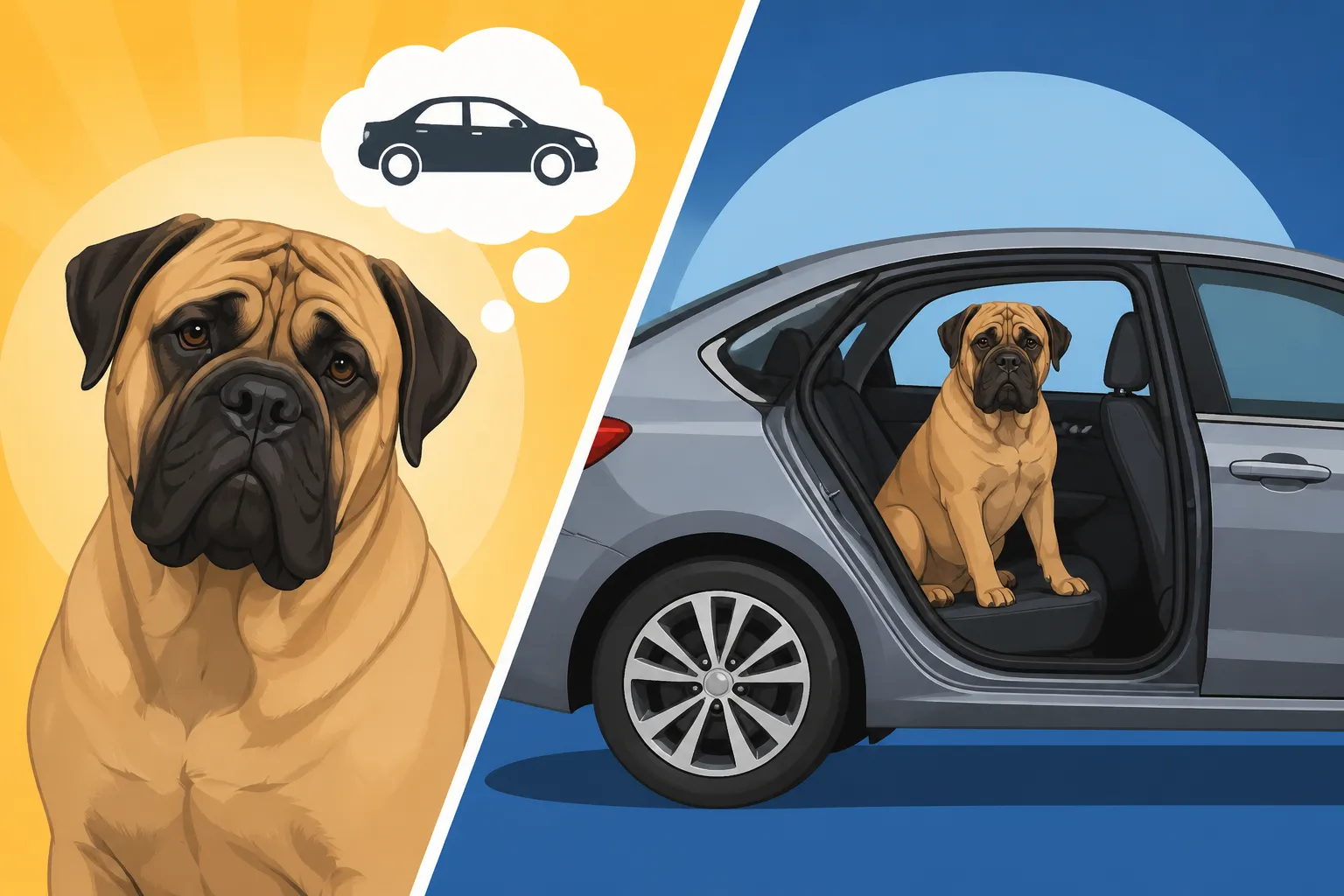
The typical sedan's back seat, while designed for human passengers, often falls short for a Bullmastiff. Think about the legroom – or lack thereof. Your Bullmastiff needs enough space to stretch out, turn around, and lie down without being perpetually curled into a tight ball. For a dog that can take up half a sofa, a back seat bench is often barely enough for them to sit upright, let alone recline. Headroom is another overlooked factor; if they can't even stand to adjust themselves without hitting their head on the ceiling, it's not a comfortable environment.
Then there's the actual process of getting them in and out. Sedan doors are designed for humans, not massive dogs with thick necks and broad shoulders. It can be an awkward dance of coaxing, lifting, and pushing, often resulting in scraped paws, bumped heads, or even damage to your car's interior. The threshold of the door, the height of the seat, and the limited opening angle all conspire against a smooth entry and exit. This is where tools like What a Car Ramp for a Bullmastiff Costs become crucial, but even a ramp needs space to deploy, and a sedan often doesn't offer a wide enough or low enough entry point. The more difficult entry is, the more likely your Bullmastiff is to associate car rides with discomfort or stress, making future journeys even harder.
The Luggage Conundrum: Bullmastiff vs. Your Gear
Even if you manage to fit your Bullmastiff into the back seat, what about everything else you might need for a trip? Whether it's a weekend getaway or just a long day out, a Bullmastiff comes with its own set of necessities: a large bag of food, a substantial water bowl, toys, a sturdy leash, perhaps a travel bed, and medication if they're older or have specific needs. Caring for an Aging Bullmastiff often means extra supplies.
If your Bullmastiff occupies the entire back seat (which is likely), your trunk becomes the sole repository for all human and canine luggage. Sedan trunks, while often deep, usually have a relatively small opening and limited vertical space. Trying to fit a large bag of dog food, a week's worth of clothes, and a cooler into a sedan trunk alongside a giant breed's essentials can quickly become a game of Tetris you can't win. This means compromises on what you bring, or resorting to strapping things to the roof, which adds another layer of complication and cost. It's a logistical challenge that many owners don't consider until they're packing for their first road trip with their Bullmastiff.
Prioritizing Safety and Comfort for Car Travel
Beyond just fitting, the real question is safely and comfortably fitting your Bullmastiff. Their sheer size dictates specific safety protocols, and their brachycephalic (short-nosed) nature makes them prone to overheating, especially in enclosed spaces. Ignoring these factors isn't just uncomfortable for your dog; it can be downright dangerous.
Securing Your Giant Passenger: Why It Matters
An unrestrained Bullmastiff in a vehicle is a significant safety hazard, both for the dog and for human occupants. In the event of a sudden stop or collision, a 120-pound dog becomes a projectile with immense force. Even a minor accident could result in serious injury to your Bullmastiff or to anyone in the car. Beyond crash safety, an unsecured dog can be a major distraction to the driver, leaning into the front seat, blocking mirrors, or even interfering with controls.
For these reasons, securing your Bullmastiff is non-negotiable. While specialized seatbelt harnesses are available for larger dogs, finding one that comfortably and safely fits a Bullmastiff's massive chest and neck can be a challenge. You’ll need to seek out brands that cater specifically to giant breeds and check their crash test ratings. Another option is a travel crate, but this circles back to the space issue: What a Giant Crate for a Bullmastiff Costs and the reality of fitting it into a sedan are often incompatible. Even if a crate can fit, it usually means sacrificing all passenger space and potentially obscuring your rear view. Consider checking online pet retailers like Chewy for a variety of robust, large-dog restraints and crates, but always measure your Bullmastiff and your car's interior carefully. Should an accident occur with an unrestrained pet, your pet insurance provider, such as Healthy Paws, may have specific clauses regarding coverage, emphasizing the importance of securing your companion properly.
Temperature Control and Airflow: A Bullmastiff's Vulnerability
Bullmastiffs are notoriously susceptible to overheating. Their short muzzles, dense coats, and large body mass make it difficult for them to efficiently regulate their body temperature. A sedan, especially on a sunny day or during warmer months, can quickly turn into a dangerous hotbox. Even with the air conditioning running, the airflow to the back seat might be insufficient, creating a stagnant, hot pocket of air where your Bullmastiff is struggling. This is compounded by the fact that Why a Bullmastiff's Short Muzzle Cannot Cool It means they are already at a disadvantage.
It’s not just about comfort; it's about life-threatening heatstroke. You might think opening a window is enough, but at highway speeds, it can be too much draft, or not enough cool air, or even a safety risk if your Bullmastiff tries to stick their head too far out. When considering How Fast a Bullmastiff Overheats in a Car, you'll realize that even a quick errand can become perilous. Always ensure ample air conditioning, monitor your dog for signs of distress (heavy panting, drooling, lethargy), and consider adding a battery-operated fan in the back seat to boost circulation.
Preventing Motion Sickness and Anxiety
Some Bullmastiffs take to car rides like seasoned travelers, while others develop motion sickness or anxiety. Squeezing into a tight space, dealing with inadequate airflow, and the general confinement of a sedan can exacerbate these issues. Signs of car sickness often include excessive drooling, lethargy, whining, lip-licking, or even vomiting. Anxious dogs might pace, pant excessively, or try to escape.
To mitigate these problems, it's essential to create a positive association with the car. Start with short, positive trips, perhaps just to a fun destination like the park, rather than only to the vet. Ensure they have enough room to settle in a comfortable position. If they're prone to an upset stomach, offering a light, easily digestible snack before the journey, or even choosing a high-quality, specialized dog food like those from Ollie, might help. Gradual desensitization, coupled with positive reinforcement, can turn a fearful car rider into a confident one. If severe anxiety or motion sickness persists, your veterinarian can often recommend medications or natural calming aids to make travel more tolerable.
Navigating Sedan Travel: Tips and Practical Considerations
So, you have a Bullmastiff and a sedan. All hope is not lost for occasional trips, but it will require careful planning and the right tools. Making the experience as seamless and comfortable as possible for your giant companion means investing in smart accessories and understanding the limitations of your vehicle.
Smart Accessories for Sedan-Bound Bullmastiffs
If you absolutely must transport your Bullmastiff in a sedan, there are accessories that can improve the situation significantly. Heavy-duty, waterproof seat covers are a must-have, not just for drool and shedding, but for protecting your upholstery from claws and accidental mishaps. Backseat hammocks can create a barrier to the front seat, preventing your Bullmastiff from trying to join you up front, and also provide a slightly more secure, level surface for them to lie on, preventing them from slipping into the footwell.
A good quality car ramp is almost essential for preserving your dog's joints and preventing injury during entry and exit. It prevents the high impact of jumping down from the seat and reduces strain during climbing in. As we discussed, What a Car Ramp for a Bullmastiff Costs can be an investment, but it's a small price to pay for joint health. For cooling, consider portable, battery-operated fans that clip onto the seat or headrest, directing airflow to your Bullmastiff. Collapsible water bowls and a ready supply of fresh water are also non-negotiable for any trip, no matter how short. Many of these essential large-dog car accessories can be found on sites like Chewy, offering a wide selection designed to withstand the rigors of Bullmastiff travel.
Optimizing the Journey: Short Trips vs. Long Hauls
The distinction between short errands and long road trips is critical when transporting a Bullmastiff in a sedan. For a quick five-minute drive to the vet or a local park, a sedan might suffice, provided your Bullmastiff is well-trained and secured. However, anything longer than 30-45 minutes typically begins to strain the limits of comfort and safety in a smaller vehicle.
Extended journeys demand frequent stops for potty breaks, stretching, and water. A Bullmastiff crammed into a back seat for hours on end can develop stiffness, discomfort, and anxiety. They need to get out, walk around, and relieve themselves much more often than a human passenger. Consider the implications of stopping every hour or two on a long drive; it adds significant time to your journey. This is where the limitations become undeniable, leading many owners to conclude that Whether a Bullmastiff Needs a Bigger Vehicle isn't a luxury, but a necessity for anything beyond the most basic of commutes. It’s about recognizing when the vehicle simply can't provide adequate comfort for the duration of the trip.
Training for a Smooth Ride
Regardless of the vehicle, proper training is fundamental to successful car travel with a Bullmastiff. Given their size and strength, you cannot physically force a reluctant Bullmastiff into a car. They need to be willing participants. Start early by teaching them to calmly enter and exit the vehicle on command, perhaps using a ramp from puppyhood. Practice the "stay" command so they remain settled during the ride and don't try to jump out prematurely when the door opens.
Desensitizing them to the car itself – the sound of the engine, the movement, other traffic – is also key. Positive reinforcement, with treats and praise, will make the car a happy place. For a breed known for its thoughtful, sometimes stubborn nature, consistency and patience are paramount. Training a Bullmastiff That Weighs More Than You Do means that once they're adults, controlling them in a confined space requires their cooperation, not just your strength. If you encounter significant behavioral issues or extreme anxiety, don't hesitate to seek guidance from a professional dog trainer who specializes in large breeds and car behavior.
When the Sedan Isn't the Answer: Looking Beyond
Sometimes, despite your best efforts, a sedan just won't cut it for the regular transport of your Bullmastiff. It's a tough realization, but prioritizing your dog's long-term health, safety, and comfort often means reevaluating your vehicle choices. This isn't just about convenience; it's about the cumulative impact on their well-being throughout their life.
The Benefits of SUVs, Wagons, and Minivans
For Bullmastiff owners, vehicles like SUVs, station wagons, and minivans offer significant advantages that directly address the challenges posed by sedans. The most obvious benefit is the increased cargo space, which can comfortably accommodate a large crate, providing a much safer and more secure environment. With a dedicated cargo area, your Bullmastiff has ample room to stand, turn, and lie down without feeling cramped. Rear hatches make for much easier entry and exit, especially with a ramp, as the lip is often lower and the opening much wider.
Many larger vehicles also offer better ventilation to the rear, which is crucial for preventing overheating in brachycephalic breeds like the Bullmastiff. The ability to install strong cargo barriers or tie-downs for crates further enhances safety. While these vehicles might come with a higher price tag or different fuel efficiency, the peace of mind knowing your Bullmastiff is traveling safely and comfortably is often worth the trade-off. It’s about creating a truly dog-friendly travel experience, not just squeezing them in.
Long-Term Health and Well-being
The choice of vehicle isn't just about a single trip; it has long-term implications for your Bullmastiff's health and well-being. Consistently being forced into an awkward position in a cramped sedan can put undue stress on their joints and spine. Bullmastiffs are already prone to joint issues such as hip and elbow dysplasia, so minimizing strain is vital. Articles like Hips and Elbows Under a Hundred and Thirty Pound Bullmastiff highlight the importance of protecting their large, heavy frames. Chronic discomfort in the car can lead to increased pain, exacerbating existing conditions or contributing to the early onset of arthritis. Furthermore, the psychological stress of uncomfortable travel can affect their overall temperament, leading to anxiety or aversion to car rides.
Investing in a vehicle that accommodates their size and allows for proper joint support – perhaps with an orthopedic bed or mat – can significantly contribute to their quality of life. Why a Bullmastiff Needs Orthopedic Foam in their home bed applies equally to their travel accommodations. Considering that The Median Bullmastiff Lives Eight and a Half Years, every year of their life, especially as they age, benefits from thoughtful care that supports their physical structure and mental comfort. Making choices that prevent discomfort and injury throughout their life can genuinely impact their longevity and happiness.
Making the Right Choice for Your Family and Your Bullmastiff
Ultimately, deciding whether a Bullmastiff fits into your sedan is a multifaceted decision that involves more than just physical dimensions. It’s about balancing your lifestyle, financial considerations, and, most importantly, the specific needs of your giant companion. For some, a sedan might work for occasional, very short trips to familiar places, with all the right accessories and training. For others, particularly those who travel frequently or go on longer journeys, upgrading to a larger vehicle becomes a necessary part of responsible Bullmastiff ownership.
The cost of owning a Bullmastiff is substantial, and that includes factoring in appropriate transportation. What a Bullmastiff Costs Over Its Lifetime encompasses everything from food and vet bills to the practicalities of housing and transport. It’s a big decision, but one that ensures you can share adventures and everyday life with your Bullmastiff in a way that is safe, comfortable, and stress-free for everyone involved. Your Bullmastiff deserves to travel in comfort, and finding the right vehicle is a key part of providing that.
| Feature | Sedan for Bullmastiff | Larger Vehicle (SUV/Wagon/Minivan) for Bullmastiff |
|---|---|---|
| Space | Extremely limited; dog likely cramped, minimal turning room. | Ample room for standing, turning, lying down; space for crate. |
| Entry/Exit | Difficult, awkward, potential for injury to dog/car. | Easier, wider openings, lower cargo lip, ideal for ramps. |
| Safety (Unsecured) | High risk of projectile injury in accident, driver distraction. | Still a risk, but more space to install barriers/crates. |
| Safety (Secured) | Challenging to secure large harness, crate often won't fit. | Easy to secure large crate or heavy-duty safety harness. |
| Ventilation | Often poor in rear cabin, high overheating risk. | Generally better airflow, easier to cool cargo area. |
| Comfort | Low for dog on longer trips, can lead to joint strain/anxiety. | High comfort for dog, supports joint health, reduces stress. |
| Gear Storage | Trunk quickly overwhelmed, difficult to fit dog and gear. | Ample space for dog, crate, food, and all travel essentials. |
| Cost Implication | Lower initial vehicle cost, but potential for vet bills from injury/strain. | Higher initial vehicle cost, but better long-term health/safety investment. |
Disclaimer
This article is for general informational purposes only and does not constitute professional advice. Laws, prices and regulations vary by location and change over time. Consult a qualified professional for guidance on your specific situation.