How Often a Bullmastiff’s Ears Need Cleaning
Those adorable, floppy ears are one of the hallmarks of our beloved Bullmastiffs, aren't they? But while they add to their charming, soulful expression, they can also be a hidden source of frustration and discomfort for both you and your furry companion if not properly cared for. Many Bullmastiff owners find themselves wondering just how often they should be peering into those deep ear canals, or if they're even doing it right. This guide is here to unravel the mystery, helping you understand the unique challenges of Bullmastiff ear health and providing a clear roadmap for effective, gentle ear cleaning to keep those magnificent ears happy and healthy.
Why Bullmastiff Ears Are Prone to Trouble
It’s easy to look at a Bullmastiff's majestic head and simply admire those soft, V-shaped ears that lay close to their cheeks. But from a practical, health-focused perspective, their ear structure presents a few challenges that owners need to be aware of. Understanding why their ears can be problematic is the first step in preventing issues.
The Anatomy of a Bullmastiff's Ear
Unlike breeds with erect, "prick" ears that allow for plenty of air circulation, our Bullmastiffs have heavy, pendulous ear flaps. Think of them like curtains drawn over a window – they effectively seal off the ear canal from the outside world. This design means that airflow into the ear canal is naturally restricted. Without good airflow, moisture can get trapped inside, creating a warm, humid environment that's just begging for trouble.
Beyond the external flap, the internal ear canal of a Bullmastiff can also be quite narrow and convoluted. It’s not a straight shot down; rather, it often has a bend or two that can make it harder for debris and foreign invaders to exit naturally. This combination of a floppy ear flap and a potentially twisty canal means that anything that gets into the ear – water from a bath, pollen, dust, or even just natural ear wax – has a harder time getting out. This creates a perfect little petri dish for bacteria and yeast to flourish. You can begin to see why simply ignoring those ears until a problem arises isn't a viable strategy for a Bullmastiff owner.
Common Ear Problems in Bullmastiffs
Because of this anatomical predisposition, Bullmastiffs are unfortunately susceptible to several common ear ailments. The most frequent culprits are bacterial and yeast infections, which often go hand-in-hand. You might notice a strong, pungent odor coming from the ear, often described as a yeasty or sweet smell, sometimes accompanied by a dark, waxy, or pus-like discharge. The skin inside the ear might appear red and inflamed, or even thickened and crusty in chronic cases. Your Bullmastiff might start shaking their head vigorously, scratching at their ears with their hind paws, or rubbing their head along furniture or the carpet. Sometimes, they'll even hold their head at a tilt, clearly indicating discomfort.
Ear mites are another possibility, though perhaps less common in adult Bullmastiffs unless they've been in contact with an infested animal. These tiny parasites cause intense itchiness and often result in dark, crumbly, coffee-ground-like discharge. Allergies, both environmental and food-related, can also manifest as ear irritation and recurrent infections. If you notice persistent redness, itchiness, or any discharge, it's really crucial to understand that these aren't just minor annoyances. These are clear signs that something is wrong, and they require prompt attention. Ignoring these signals can lead to chronic Ear Infections in a Bullmastiff, which are not only painful for your dog but also much harder and more expensive to treat in the long run.
How Often Should You Really Clean Your Bullmastiff's Ears?
This is the million-dollar question, isn't it? And like so many things in dog ownership, the answer isn't a simple one-size-fits-all. It really comes down to paying close attention to your individual dog and their unique circumstances.
The "It Depends" Factor: Individual Needs and Environment
While a general guideline might suggest checking your Bullmastiff's ears weekly and cleaning them as needed, the "as needed" part is where the nuance lies. Some Bullmastiffs might have naturally cleaner ears and only require a quick wipe-down once a month or even less frequently. Others, particularly those prone to allergies or who love to swim, might need weekly or even bi-weekly attention.
Think about your Bullmastiff's lifestyle:
- Humidity: Do you live in a warm, humid climate? That moisture in the air can contribute to the internal dampness of their ear canals, making them more prone to issues.
- Swimming: Is your Bullmastiff a water lover? If they regularly take a dip in the pool, lake, or even get a thorough bath, water can easily get trapped in those floppy ears, necessitating immediate and thorough drying and perhaps a gentle cleaning with a drying solution.
- Allergies: Does your Bullmastiff suffer from environmental allergies, manifesting as itchy skin or paws? Often, ear infections are a secondary symptom of underlying allergies. If this is the case, you might find yourself needing to clean their ears more proactively as part of a broader management plan.
- History of Infections: Has your Bullmastiff had recurrent ear infections? If so, your vet might recommend a more frequent, preventative cleaning schedule to keep things under control.
The key here is observation. Incorporate a quick ear check into your regular grooming routine. When you're giving them a good scratch behind the ears, take a moment to lift the flap and sniff. Does it smell neutral, or do you detect that tell-tale yeasty odor? Look inside – is the skin a healthy pink, or is it red, swollen, or producing excessive discharge? This proactive observation is far more valuable than blindly sticking to an arbitrary schedule.
When Not to Clean Their Ears (and When to See the Vet)
This is perhaps the most critical piece of advice: never attempt to clean an ear that is already red, swollen, painful, emitting a strong odor, or has a noticeable discharge. While your intention might be good, trying to clean an infected ear can actually do more harm than good. You could push debris and bacteria deeper into the ear canal, exacerbate the inflammation, or even cause your Bullmastiff significant pain, making them associate ear handling with a negative experience. This can make future veterinary examinations or necessary cleanings a struggle.
If you observe any of these signs, your first and only step should be to call your veterinarian. They will need to perform an examination, often using an otoscope to look deep into the ear canal, and likely take a swab for cytology (examining under a microscope) to identify whether bacteria, yeast, or mites are present. They'll then prescribe the appropriate medication, which might include medicated ear drops or oral antibiotics. Sometimes, a professional deep cleaning by the vet under sedation is necessary if the infection is particularly severe or the canal is very inflamed. Understanding What a Bullmastiff's Annual Checkup Costs is important for budgeting for these routine but crucial health assessments, which include ear checks. Only after the infection is under control, and with your vet's guidance, should you resume a regular, preventative cleaning schedule.
Gathering Your Ear Cleaning Arsenal
Alright, so you've determined your Bullmastiff's ears are due for a cleaning, or perhaps you're setting up for a routine check-up after a swim. Just like any good project, preparation is key! Having all your tools ready will make the process smoother, quicker, and less stressful for everyone involved.
Choosing the Right Ear Cleaner
This isn't an area where you want to cut corners or use homemade concoctions. Always opt for a veterinary-approved ear cleaner specifically formulated for dogs. These cleaners are typically pH-balanced, gentle on the delicate ear skin, and often contain ingredients that help dry the canal, dissolve wax, and discourage the growth of yeast and bacteria.
What to avoid:
- Alcohol: While it dries quickly, alcohol can be incredibly irritating and painful, especially if there's any broken skin or inflammation.
- Hydrogen Peroxide: This can be too harsh and bubbly, potentially pushing debris further in or causing irritation.
- Strong Astringents or Antiseptics: Unless specifically prescribed by your vet, steer clear of solutions not designed for canine ears.
Many excellent over-the-counter options are available. Look for ingredients like salicylic acid, malic acid, or boric acid, which are common in gentle, drying, and acidifying ear cleansers. You'll find a wide selection from reputable brands on retailers like Chewy or Amazon. It's always a good idea to chat with your vet about their recommendations, especially if your Bullmastiff has sensitive skin or a history of ear issues. They might suggest a specific brand or type of cleaner that they've found particularly effective.
Essential Tools for a Smooth Cleaning Session
Beyond the ear cleaner itself, a few other items will make your cleaning experience much more manageable:
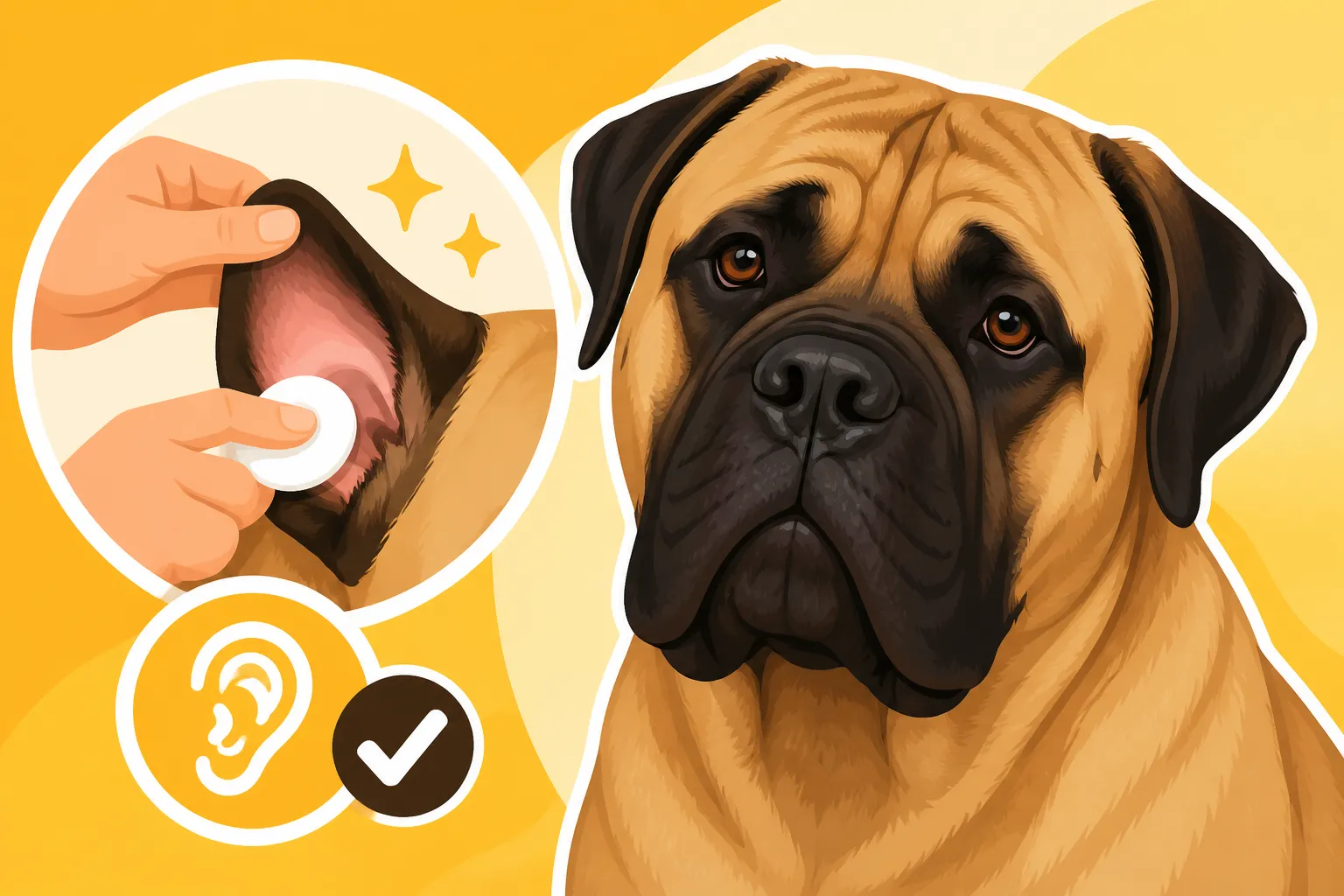
- Cotton Balls or Gauze Pads: These are your primary wiping tools. Choose soft cotton balls or square gauze pads. The absolute golden rule here is NEVER use Q-tips or cotton swabs in your Bullmastiff's ear canal. Their ear canal is L-shaped, and trying to insert a Q-tip will likely just push wax and debris deeper, compacting it against the eardrum. This can lead to pain, damage to the eardrum, and make infections even worse. Save Q-tips for cleaning the visible folds of the outer ear flap only, if even then.
- Towels: Cleaning Bullmastiff ears can be a messy business! Your dog will instinctively want to shake their head once the liquid is in their ears, and that's perfectly normal and even helpful for dislodging debris. Have a towel ready to protect your clothes, furniture, or walls from flying ear cleaner.
- Plenty of High-Value Treats: This isn't just a suggestion; it's a necessity, especially when you're first introducing your Bullmastiff to ear cleaning. Positive reinforcement will make the experience much more tolerable, and even enjoyable, for them. Think small, delicious morsels they absolutely adore.
- A Helper (Optional but Recommended): Especially for large breeds like Bullmastiffs, an extra set of hands can be invaluable. One person can gently hold and reassure the dog, offering treats, while the other focuses on the cleaning itself. This makes it safer and less stressful for everyone. Early positive experiences with handling, like those recommended for The First Year With a Bullmastiff Puppy, can make this much easier.
Remember, the goal is not just to clean, but to make the process as stress-free as possible, ensuring your Bullmastiff remains cooperative for future cleanings.
The Step-by-Step Guide to Cleaning Bullmastiff Ears
Now that you've got your supplies, it's time to get down to business. Approach this task with patience and a calm demeanor. Your Bullmastiff will pick up on your energy, so try to keep it relaxed and positive.
Getting Your Bullmastiff Ready (and Making it Positive)
If you're starting with a puppy, begin desensitization early. Gently touch their ears, lift the flaps, and give a treat. Make it a game, not a chore. Even with adult Bullmastiffs, positive reinforcement is absolutely crucial.
- Choose the Right Time and Place: Pick a time when your Bullmastiff is relaxed, perhaps after a walk or a cuddle session. Choose a location that's easy to clean, like a bathroom, kitchen, or even outside. Lay down a towel to catch any splashes.
- Positioning: For a large dog like a Bullmastiff, you might sit on the floor with them between your legs, or have them stand comfortably while you kneel beside them. If you have a helper, one person can gently hold the dog, providing comfort and treats, while the other focuses on the ear.
- Positive Association: Before you even open the ear cleaner, let your Bullmastiff sniff the bottle, then immediately give a treat. Repeat a few times. Gently lift an ear flap, treat. Touch the inside of the ear, treat. The more positive associations you build, the easier the actual cleaning will be. This is similar to how you would introduce Teaching a Bullmastiff to Have Its Feet Handled.
The Cleaning Process
Once your Bullmastiff is relaxed and ready, proceed with the cleaning:
- Lift the Ear Flap: Gently hold the ear flap up and back, exposing the entrance to the ear canal. This helps to open up the canal and makes it easier to apply the cleaner.
- Apply the Cleaner: Carefully insert the tip of the ear cleaner bottle into the ear canal. Squeeze the bottle to fill the ear canal with the cleaning solution. You'll likely need to give a good squeeze to get enough liquid in there – don't be shy, but don't force it either. The amount will depend on the size of your dog's ear, but usually, a good squirt or two is sufficient.
- Massage the Ear Base: Once the cleaner is in, gently but firmly massage the base of your Bullmastiff's ear for about 20-30 seconds. You should hear a squishing sound as the liquid moves around and breaks up any wax or debris. This massaging action is vital for dislodging gunk from deeper in the canal.
- Allow Them to Shake: Step back and let your Bullmastiff shake their head. This is instinctual and a good thing! It helps to propel loosened debris and excess solution out of the ear. Have that towel ready for this moment!
- Wipe the Visible Areas: After the shaking, take a clean cotton ball or gauze pad and gently wipe the visible parts of the outer ear, including the inside of the ear flap and the folds around the opening of the ear canal. Do not dig deep into the canal itself with the cotton ball. You're just cleaning up what has come to the surface. Use fresh cotton for each wipe until no more debris comes out.
- Reward, Reward, Reward! As soon as you're done with one ear, heap on the praise and treats! Make it a celebration. Then, move on to the other ear if needed, following the same steps.
Post-Cleaning Care and Observation
After both ears are cleaned, continue to offer praise and make it a positive experience. Keep a close eye on their ears over the next few hours or days.
- Check for Irritation: A little residual moisture or redness from the cleaning itself is normal, but it should subside quickly. If you notice persistent redness, pawing, or head shaking after cleaning, consult your vet.
- Monitor for Signs of Trouble: Even with regular cleaning, sometimes issues can still arise. Continue to periodically check their ears, especially if you notice any unusual behavior like increased scratching or a change in temperament. Remember, catching potential problems early is key to preventing them from becoming serious.
Common Mistakes and How to Avoid Them
Even with the best intentions, it's easy to fall into common pitfalls when it comes to Bullmastiff ear care. Being aware of these mistakes can help you provide the best possible preventative maintenance for your gentle giant.
Over-Cleaning vs. Under-Cleaning
One of the trickiest aspects of ear care is finding that perfect balance.
- The Problem with Over-Cleaning: While it might seem like more is better, cleaning your Bullmastiff's ears too frequently can actually cause irritation. The ear canal has a delicate natural environment, and constantly introducing liquid can disrupt its pH balance, strip away beneficial natural oils, and even lead to excessive moisture, ironically making it more susceptible to infections. Think of it like washing your hair too often – it can dry out your scalp and make it flaky. For Bullmastiff ears, this can manifest as dry, itchy skin or even secondary bacterial overgrowth due to constant dampness.
- The Dangers of Under-Cleaning: On the flip side, neglecting their ears entirely is a recipe for disaster, especially with a breed prone to ear issues. Leaving wax, debris, and moisture to build up creates the ideal breeding ground for yeast and bacteria. An under-cleaned ear can quickly go from slightly waxy to a full-blown, painful infection requiring veterinary intervention. This is why regular checks, as discussed earlier, are paramount.
Finding the Balance: The key is proactive observation and responsiveness. Don't clean just because "it's been a week." Clean when you see or smell a need. If their ears look and smell clean, a quick check and maybe a dry wipe are sufficient. If there's a bit of waxy build-up or they've been swimming, then a full cleaning is appropriate. Your vet can help you establish a routine tailored to your Bullmastiff's specific needs, especially if they are prone to issues. This might be a topic to discuss during their annual check-up, alongside conversations about How Often a Bullmastiff's Teeth Need Cleaning.
Ignoring Signs of Infection
Perhaps the most dangerous mistake an owner can make is to ignore the subtle (or not-so-subtle) signs that an ear infection is brewing. It's tempting to think, "Oh, he's just scratching a bit," or "It'll clear up on its own." However, with a Bullmastiff's ear anatomy, very rarely do ear infections spontaneously resolve.
- The Consequences of Waiting: Untreated ear infections can lead to a host of much more severe problems. The inflammation can become chronic, causing the ear canal lining to thicken and narrow, making future cleaning and medication delivery incredibly difficult. In some cases, severe infections can even rupture the eardrum, leading to pain and potential hearing loss. Persistent head shaking due to irritation can cause a hematoma, where blood vessels burst within the ear flap, creating a painful, swollen pocket that often requires surgical drainage.
- The Importance of Early Intervention: If you notice any of the classic signs – redness, swelling, discharge, odor, pain, head shaking, or scratching – call your vet promptly. Early diagnosis and treatment are far more effective, less invasive, and generally less costly than dealing with a raging, long-standing infection. Think of it as investing in your Bullmastiff's immediate comfort and long-term health, saving you from a much bigger headache (and vet bill) down the line. It's a prime example of why being vigilant about signs a Bullmastiff is not thriving is so crucial.
Taking care of your Bullmastiff's ears is a regular but manageable part of their overall care. With patience, the right tools, and a keen eye, you can help ensure those beloved floppy ears stay healthy and comfortable for years to come.
| Symptom | Possible Cause | Recommended Action |
|---|---|---|
| Mild wax, no odor/redness | Normal buildup | Routine cleaning |
| Yeasty smell, brown discharge | Yeast infection | Vet visit for diagnosis and medication |
| Pungent odor, pus-like discharge, pain | Bacterial infection | Immediate vet visit |
| Coffee-ground debris, intense itching | Ear mites | Vet visit for diagnosis and treatment |
| Redness, swelling, constant scratching, no discharge | Allergy, foreign body, irritation | Vet visit (could be allergy or something stuck deep) |
| Head tilting, loss of balance | Severe infection, inner ear issue | Urgent vet visit |
| Pawing at ears after cleaning | Irritation from cleaner | Discontinue cleaner, consult vet for alternative |
Disclaimer
This article is for general informational purposes only and does not constitute professional advice. Laws, prices and regulations vary by location and change over time. Consult a qualified professional for guidance on your specific situation.