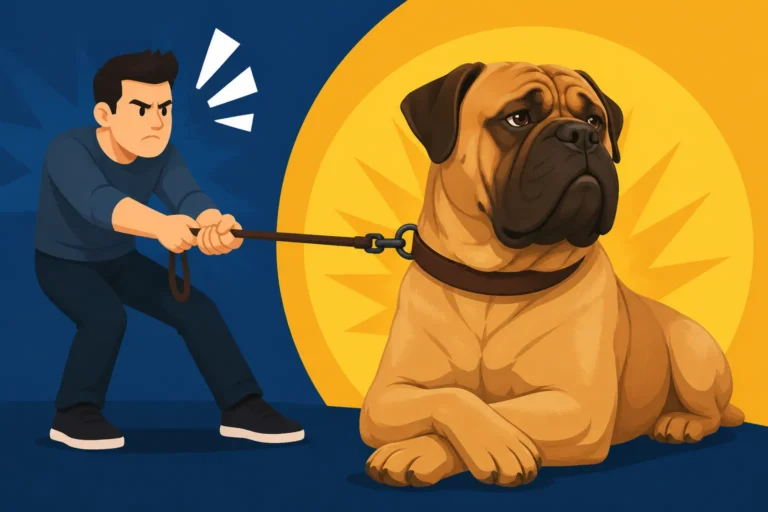
What a Bullmastiff’s Bite Force Is
It’s a natural concern when you're considering a giant breed like a Bullmastiff: what happens if this powerful dog, weighing upwards of a hundred pounds, uses its strength in an unwanted way? Many people hear intimidating statistics about bite force for various breeds and immediately worry about the potential for harm. This guide will delve into what Bullmastiff bite force really means, separating fact from sensationalism, and equipping you with the knowledge to understand your Bullmastiff’s capabilities and, more importantly, its natural disposition and how to manage it safely.
Understanding Bite Force in Large Breeds
When we talk about a dog's "bite force," it often conjures images of powerful jaws clamping down with immense pressure. While Bullmastiffs certainly possess the physical attributes for a strong bite, it's essential to understand what these numbers truly represent and how they relate to the actual behavior of a dog. The conversation around bite force can often be reductive, overlooking the nuanced factors that contribute to a dog's actions.
What "Bite Force" Really Means for a Dog
Bite force is typically measured in pounds per square inch (PSI), which is a measure of pressure. In scientific settings, this often involves specialized equipment that a dog is encouraged to bite down on, providing a quantitative measurement of the pressure their jaws can exert. This figure is influenced by several biological factors: the size and strength of the jaw muscles, the shape and alignment of the teeth, and the overall bone structure of the skull. For a Bullmastiff, their broad, powerful head and substantial musculature certainly contribute to a high potential PSI reading.
However, a raw PSI number alone doesn't tell the whole story. It measures potential, not necessarily application. Think of it like a car's top speed: a car might be capable of going 200 mph, but it rarely, if ever, reaches that speed in daily driving. Similarly, a dog's maximum bite force might be incredibly high, but they rarely, if ever, exert that full force in every interaction, even when defending themselves. The type of bite – a warning nip, a inhibited bite, or a full-force defensive bite – will vary dramatically in pressure.
Why Raw Numbers Can Be Misleading
The problem with focusing solely on PSI figures is that they are often gathered in controlled, laboratory-like settings and then sensationalized without crucial context. These measurements don't account for the dog's intent, the emotional state of the animal, or the circumstances surrounding a potential bite. A Bullmastiff, known for its calm and deliberate nature, is far less likely to engage in a full-force, uninhibited bite than a dog driven by fear, pain, or aggression. The sheer power of their jaws is undeniable, but their temperament often dictates a more restrained approach.
Furthermore, direct comparisons between breeds based purely on bite force can be highly misleading. While some breeds might have slightly higher or lower measured PSI, the practical difference in the severity of an actual bite can be negligible if the intent is to cause harm. What truly matters more is the individual dog's temperament, training, socialization, and the owner's ability to manage them. A dog with a "lower" PSI but an aggressive disposition is arguably more dangerous than a Bullmastiff with a high PSI but a stable, well-managed temperament.
The Bullmastiff's Physical Jaw Structure
The Bullmastiff's head is one of its most defining features: broad, powerful, and squarely built. This structure is a direct result of its ancestry, combining the strength and bone of the Mastiff with the tenacity and gripping ability of the Bulldog. Their strong, well-developed jaws are equipped with a full complement of large, strong teeth, designed for holding. Their bite is typically described as a level bite or a slightly undershot bite, both allowing for a firm, vice-like grip.
This physical setup, combined with deep-set chewing muscles, indeed grants them significant crushing power. However, it's crucial to remember that this formidable physical attribute was historically paired with a specific job: apprehending poachers on large estates. The aim was not to shred or maim, but to hold them until the gamekeeper arrived. This historical role has imprinted a tendency for control and restraint, making their bite force more about securing and holding than about inflicting damage. Understanding this historical context helps to frame the Bullmastiff's powerful jaws within the reality of their intended and inherent behavior.
The Bullmastiff's Intent vs. Capacity
It’s one thing for a dog to have the physical capacity for a powerful bite, and quite another for them to choose to use it. With Bullmastiffs, their historical purpose and inherent temperament lean strongly towards restraint rather than aggression, making their intent far more critical to consider than their raw strength. The capacity for power is always there, but their history and breed traits guide how and why that power might ever be deployed.
Bred for Holding, Not Hurting
The Bullmastiff's origins are fascinating and directly inform their unique approach to defense. Developed by English gamekeepers in the 19th century, their primary role was to catch and hold poachers silently and without causing severe injury. A gamekeeper didn't want to find a mauled individual on their land, but rather someone securely held until they could be apprehended. This required a dog that was large, fast, powerful, and, most importantly, disciplined enough to 'pin' or 'hold' a person without biting. They were the "Night Dog," working under the cover of darkness.
This selective breeding created a dog with immense physical presence and strength, combined with an inherent gentleness and control in its guarding work. When a Bullmastiff corners or confronts, its instinct is often to use its formidable weight to knock down and hold, or to stand as an immovable barrier. Their powerful jaws were developed for a secure grip, not for tearing or shaking. This means that while they possess significant bite force, their genetic predisposition is to de-escalate rather than to aggressively attack, a truly remarkable trait for a dog of their size and protective nature. As we explored in A Bullmastiff Was Bred to Hold a Man, Not Bite Him, this holding instinct is fundamental to the breed.
Factors Influencing a Bullmastiff's Bite Behavior
While their breed history points to restraint, no dog is a robot. A Bullmastiff's behavior, including the likelihood of a bite, is shaped by a complex interplay of factors:
- Socialization: This is paramount. A Bullmastiff puppy needs early and consistent exposure to a wide variety of people, places, sounds, and other friendly, well-behaved dogs. This helps them develop confidence and good judgment, reducing fear-based reactions. A Bullmastiff that is isolated or not properly socialized might become wary or fearful, increasing the risk of a defensive bite if they feel threatened.
- Training: Consistent, positive reinforcement training is non-negotiable for a breed this size and power. Obedience commands aren't just for tricks; they establish clear communication and a hierarchy that the Bullmastiff respects. A well-trained Bullmastiff understands boundaries and responds to commands, making them far safer and more manageable. For tips on managing their size and strength, you might find Training a Bullmastiff That Weighs More Than You Do helpful.
- Environment: A stable, predictable home environment reduces stress and anxiety for any dog. Constant chaos, neglect, or exposure to threatening situations can negatively impact a Bullmastiff's temperament over time.
- Individual Temperament: Even within a well-bred litter, individual personalities vary. Some Bullmastiffs might be more naturally outgoing, while others are more reserved. A responsible owner understands their dog's unique traits and adjusts management accordingly.
- Pain or Fear: A dog in pain or extreme fear can bite regardless of breed or training. Always approach an injured or frightened dog with caution, even your own.
These factors together determine whether a Bullmastiff will rely on its inherent restraint or resort to a bite out of fear, pain, or perceived threat.
Recognizing Warning Signs and Preventing Bites
The good news is that most dogs, including Bullmastiffs, give clear signals before resorting to a bite. Learning to recognize these warning signs is crucial for preventing incidents. Ignoring subtle cues can lead to escalation.
Look for:
- Stiffening of the body: The dog becomes rigid, tense, and might stop moving.
- Hard stare: Direct eye contact without blinking, often accompanied by a lowered head.
- Lip licking or yawning: These can be displacement behaviors indicating stress, especially if the dog isn't eating or tired.
- Growling: A clear, audible warning. Never punish a growl, as it's your dog communicating discomfort. Punishing it teaches them to bite without warning.
- Lip lifting/showing teeth: An obvious sign of a threat.
- Tail tucked or held stiffly: Indicates fear or tension.
- Ears flattened back: Another sign of fear or anxiety.
If you see these signs, it's time to create distance and diffuse the situation. Remove your dog from the stressful environment, redirect their attention, or simply give them space. Understanding What Would Make a Bullmastiff Attack can help you proactively avoid triggers. For instance, if your Bullmastiff shows discomfort with a specific type of interaction or person, avoid putting them in that situation, or work with a professional trainer to desensitize them safely. Prevention through keen observation and proactive management is always the best strategy.
Mitigating Risk and Promoting Safety
Owning a powerful breed like a Bullmastiff comes with a serious responsibility. While their temperament is generally stable and reserved, their sheer size and strength mean that prevention and careful management are not just recommended, but essential. Proactive steps, from the moment they are puppies, can ensure a harmonious and safe life together.
Essential Early Socialization and Training
The foundation of a well-adjusted Bullmastiff begins with comprehensive socialization and consistent training during their formative years. A puppy isn't born knowing how to interact with the human world; they need to be taught.
- Exposure to Novelty: From eight weeks onwards, safely expose your Bullmastiff puppy to a wide range of experiences. This includes different people (children, adults, people in hats or uniforms), sounds (vacuum cleaners, traffic, sirens), surfaces (grass, pavement, stairs), and environments (parks, stores where dogs are allowed, friends' homes). The goal is positive experiences, building confidence rather than fear.
- Puppy Classes: Enroll in a well-run puppy class. These classes offer controlled environments for puppies to interact with each other and people, while also beginning basic obedience. It's a fantastic way to start building good habits and addressing potential issues early.
- Positive Reinforcement: Bullmastiffs respond best to kind, consistent training methods that use rewards (treats, praise, toys) rather than harsh corrections. They are sensitive dogs, and force can damage their trust and lead to resentment or fear. Gentle guidance and clear expectations will go a long way in shaping their behavior.
- Online Resources: For those who might not have access to in-person classes, or who want supplemental training, online programs can be incredibly valuable. Companies like BAXTER & Bella offer comprehensive online puppy and dog training programs that cover everything from basic obedience to socialization tips, all from the comfort of your home. These platforms often provide structured lessons and support, helping owners navigate the critical early months. The First Year With a Bullmastiff Puppy highlights how important these early stages are.
Management Strategies in and Out of the Home
Even the best-trained Bullmastiff needs thoughtful management to ensure safety for everyone, both inside and outside the home. Their size alone dictates a certain level of vigilance.
- Leash Manners: A Bullmastiff that pulls on the leash is a hazard, both to themselves and their owner. Invest in strong, reliable walking equipment. A comfortable, well-fitting harness that discourages pulling can be invaluable. Many options are available on platforms like Amazon, from front-clip harnesses to no-pull designs. Consistent training, starting with short walks and rewarding loose-leash walking, is essential. How to Walk a Bullmastiff That Outweighs You truly emphasizes the need for this.
- Secure Containment: A large, powerful dog requires secure fencing at home. A Bullmastiff can easily jump or push through flimsy barriers. When they are outdoors, they should always be supervised, even in a fenced yard, to prevent accidental escapes or unwanted interactions.
- Supervision with Children and Strangers: While Bullmastiffs are generally good with children, their sheer size means accidental knocks are possible. Always supervise interactions between dogs and young children. Teach both children and dogs how to behave respectfully. Similarly, when guests come over, manage the situation. Some Bullmastiffs might need to be crated or kept in a separate room until they are comfortable, or until they've been properly introduced. Don't force interactions if your dog seems uncomfortable.
- "Place" Command: Teaching your Bullmastiff to go to a designated "place" (like their bed or mat) and stay there until released is an incredibly useful management tool, especially when visitors arrive, or during meal times.
The Role of Responsible Breeding
The journey to a well-behaved Bullmastiff starts long before they even come home – it begins with the breeder. A responsible breeder is paramount in ensuring a healthy, well-tempered dog.
- Temperament First: Ethical breeders prioritize temperament as much as, if not more than, physical conformation. They breed dogs with stable, confident, and friendly dispositions. They avoid breeding dogs that show signs of aggression, excessive shyness, or anxiety.
- Health Screening: A good breeder will conduct extensive health screenings on their breeding stock for common Bullmastiff ailments like hip and elbow dysplasia, heart conditions (like subaortic stenosis), and eye issues. While not directly related to bite force, healthy parents are more likely to produce healthy, well-adjusted puppies. A dog in chronic pain or discomfort due to health issues is more prone to irritability and defensive behaviors. Which Health Tests a Bullmastiff Breeder Should Run offers more insight here.
- Early Environment: Responsible breeders also ensure their puppies are raised in a stimulating, clean, and social environment during their first critical weeks. They handle the puppies frequently, expose them to household sounds, and begin early socialization, setting the stage for good behavior in their new homes.
- Guidance and Support: A reputable breeder will be a lifelong resource, offering advice and support to their puppy buyers. They often require buyers to sign contracts agreeing to responsible ownership practices, sometimes including clauses about returning the dog if it cannot be kept. This commitment to their puppies' well-being speaks volumes about their dedication.
Living Peacefully with a Powerful Breed
Bringing a Bullmastiff into your home means committing to a lifestyle that respects their size, strength, and unique temperament. It's about building a relationship based on trust and mutual understanding, ensuring that their immense power is always channeled positively.
Building a Strong Bond and Mutual Respect
A Bullmastiff thrives on a strong, loving bond with their human family. They are deeply loyal and form intense connections, but this bond must be built on mutual respect, clear communication, and consistent leadership.
- Consistency is Key: Dogs, especially intelligent and sensitive ones like Bullmastiffs, need to know what to expect. Consistent rules, routines, and training methods help them feel secure and understand their place within the family unit. If one day they're allowed on the couch and the next they're not, it creates confusion and can lead to frustration.
- Clear Communication: Learn to "speak dog" by understanding their body language and responding appropriately. Conversely, ensure your commands are clear and consistently used. A Bullmastiff might be deliberate in their response, as noted in Why a Bullmastiff Pauses Before Obeying, but they will respond to clear, consistent cues.
- Positive Leadership: Being a leader for your Bullmastiff doesn't mean dominance or force. It means being the calm, confident provider of resources, structure, and safety. Your Bullmastiff should see you as a reliable source of guidance, not as a threat. This builds trust, which is the cornerstone of preventing fear-based reactions or defensive behaviors. They want to please you and follow your lead, given the right direction.
Continuous Training and Mental Stimulation
Training isn't a one-time event that ends when your Bullmastiff is a year old. It's an ongoing process that benefits both dog and owner, keeping their minds sharp and reinforcing good behavior throughout their lives. For a breed that matures slowly, often not until three years of age, ongoing guidance is particularly important.
- Refresher Sessions: Even adult Bullmastiffs benefit from short, regular training refreshers. Practicing basic commands like sit, stay, come, and heel keeps them sharp and reinforces their understanding. These sessions don't need to be long or arduous; even five to ten minutes a day can make a difference.
- Mental Enrichment: Bullmastiffs are not high-energy dogs, but they are intelligent and benefit greatly from mental stimulation. Puzzle toys, like those found on Amazon, that dispense treats, or interactive games, can keep their minds engaged and prevent boredom, which can lead to destructive behaviors. Teaching new tricks or participating in dog sports like obedience or rally can also provide excellent mental workouts. What Mental Work a Bullmastiff Needs emphasizes this aspect of their care.
- Social Outings: Continued positive exposure to the world helps maintain their confidence. Controlled walks in new environments, visits to dog-friendly stores, or supervised playdates with known, friendly dogs can all contribute to a well-rounded and socially adept Bullmastiff.
Understanding the Breed's Unique Temperament
Ultimately, living peacefully with a Bullmastiff means embracing their unique personality and appreciating them for who they are. They are not high-strung or overly reactive dogs; rather, they are known for their calm demeanor and quiet presence.
- The "Silent Guard": Bullmastiffs are often called "The Silent Guard" for a reason. They are not prone to excessive barking and prefer to observe and assess situations quietly. This calm, watchful nature makes them excellent deterrents, often preventing trouble without having to raise an alarm or resort to aggression. The Silent Guard: Why a Bullmastiff Barks So Little delves deeper into this fascinating characteristic.
- Patient and Tolerant: With proper socialization, Bullmastiffs can be incredibly patient and tolerant, especially with their family members. They are known for being gentle giants who enjoy being close to their people.
- Protective Instincts: Their protective instinct is inherent, but it's typically a discerning and measured response. They are devoted to their families and will stand ready to defend them if truly necessary, but they are not looking for trouble. They are truly guardians, not aggressors, and understanding this distinction is key to a fulfilling relationship.
Living with a Bullmastiff is a deeply rewarding experience. By understanding their history, respecting their power, and committing to consistent training and responsible ownership, you can ensure that your Bullmastiff is a well-loved, well-behaved, and incredibly safe member of your family, their impressive bite force remaining a potential capacity rather than a behavioral concern.
| Factor | Impact on Bite Behavior (General) | Bullmastiff Specifics |
|---|---|---|
| Bite Force (PSI) | Reflects physical capacity to inflict damage. | High due to powerful jaw structure and musculature. |
| Breed History | Can indicate natural tendencies or working roles. | Bred for holding poachers without serious injury; emphasizes restraint and controlled apprehension. |
| Temperament | Innate personality traits (e.g., reactivity, confidence). | Generally calm, deliberate, reserved, and loyal. Not typically prone to unprovoked aggression. |
| Socialization | Determines comfort level with diverse stimuli. | Crucial for building confidence and reducing fear-based reactions; poorly socialized dogs are riskier regardless of breed. |
| Training | Shapes behavior, establishes communication and control. | Essential for managing a powerful breed; positive reinforcement builds trust and compliance. |
| Environment | Influence of living conditions on stress and behavior. | Stable, predictable environments foster security; chaotic or threatening settings can increase stress and defensive tendencies. |
| Health Status | Pain or discomfort can lead to defensive behaviors. | Healthy dogs are less likely to be irritable; regular vet checks and good breeding practices mitigate pain-related aggression. |
| Warning Signals | Communication of discomfort or intent to bite. | Bullmastiffs typically provide clear warning signs (growling, stiffening) if uncomfortable before resorting to a bite. |
Disclaimer
This article is for general informational purposes only and does not constitute professional advice. Laws, prices and regulations vary by location and change over time. Consult a qualified professional for guidance on your specific situation.