Whether the Old Bulldog Was the Modern Bulldog
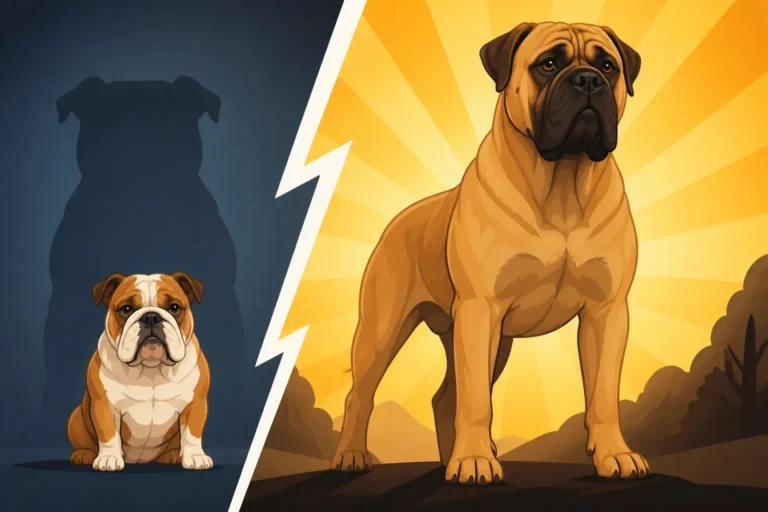
When you delve into the rich history of the Bullmastiff, it's easy to get a little confused about the "Bulldog" part of its heritage. We see the modern Bulldog today, with its distinctive squat build, massive head, and deeply wrinkled face, and we naturally wonder if that was the powerful, agile dog that helped create the Bullmastiff. The truth is, the Bulldog of yesteryear, the one that lent its courage and tenacity to the Bullmastiff, was a very different animal indeed. This guide will help clear up that historical confusion, showing you just how much the Bulldog has changed and what that means for understanding our beloved Bullmastiffs.
The Bullmastiff's Ancestral Blend: More Than Just Two Breeds
Understanding the Bullmastiff's origins means understanding the specific needs of the English gamekeepers who developed them. They weren't just mixing two dogs on a whim; they had a very particular job in mind: to catch and hold poachers without mauling them, often under the cloak of darkness. This required a unique combination of strength, silence, speed, and a firm grip.
Sixty Percent Mastiff, Forty Percent Bulldog
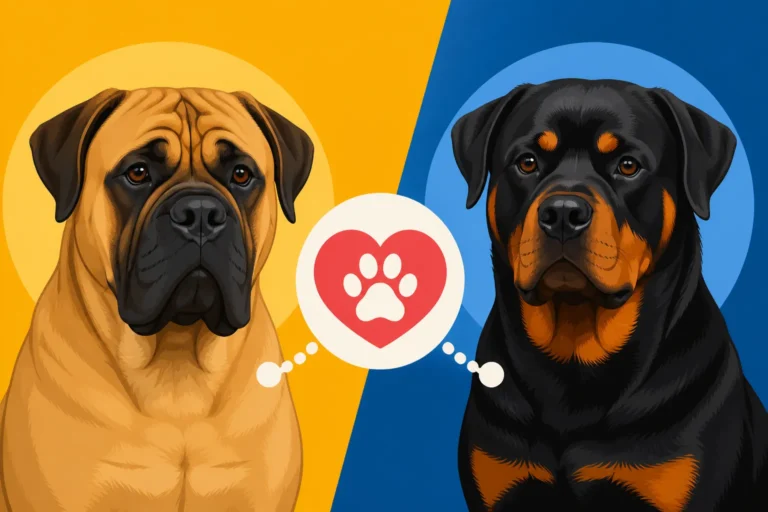
The generally accepted formula for the Bullmastiff's creation was indeed "sixty percent Mastiff and forty percent Bulldog." The Mastiff brought the sheer size, power, and intimidating presence needed to deter and hold a man. A full-grown Mastiff, with its imposing bulk, was certainly a formidable deterrent. However, these massive dogs could be slow, sometimes too ponderous for the swift pursuit and apprehension of a fleeing poacher. They also weren't always known for their silent approach.
This is where the Bulldog came in. The gamekeepers needed a dog that could inject agility, courage, and a powerful, tenacious grip into the Mastiff's impressive frame. They wanted a dog that was fast enough to run down an intruder, brave enough to confront them, and possessive of a strong, broad muzzle capable of holding a man down without causing grievous injury. This particular skill set was exactly what the "old" Bulldog was famous for, but it’s crucial to remember that this wasn't the contemporary Bulldog we recognize today. The Bullmastiff needed those traits to fulfill its role as The Bullmastiff Was Built to Catch Poachers in the Dark.
The Role of the "Old English Bulldog"
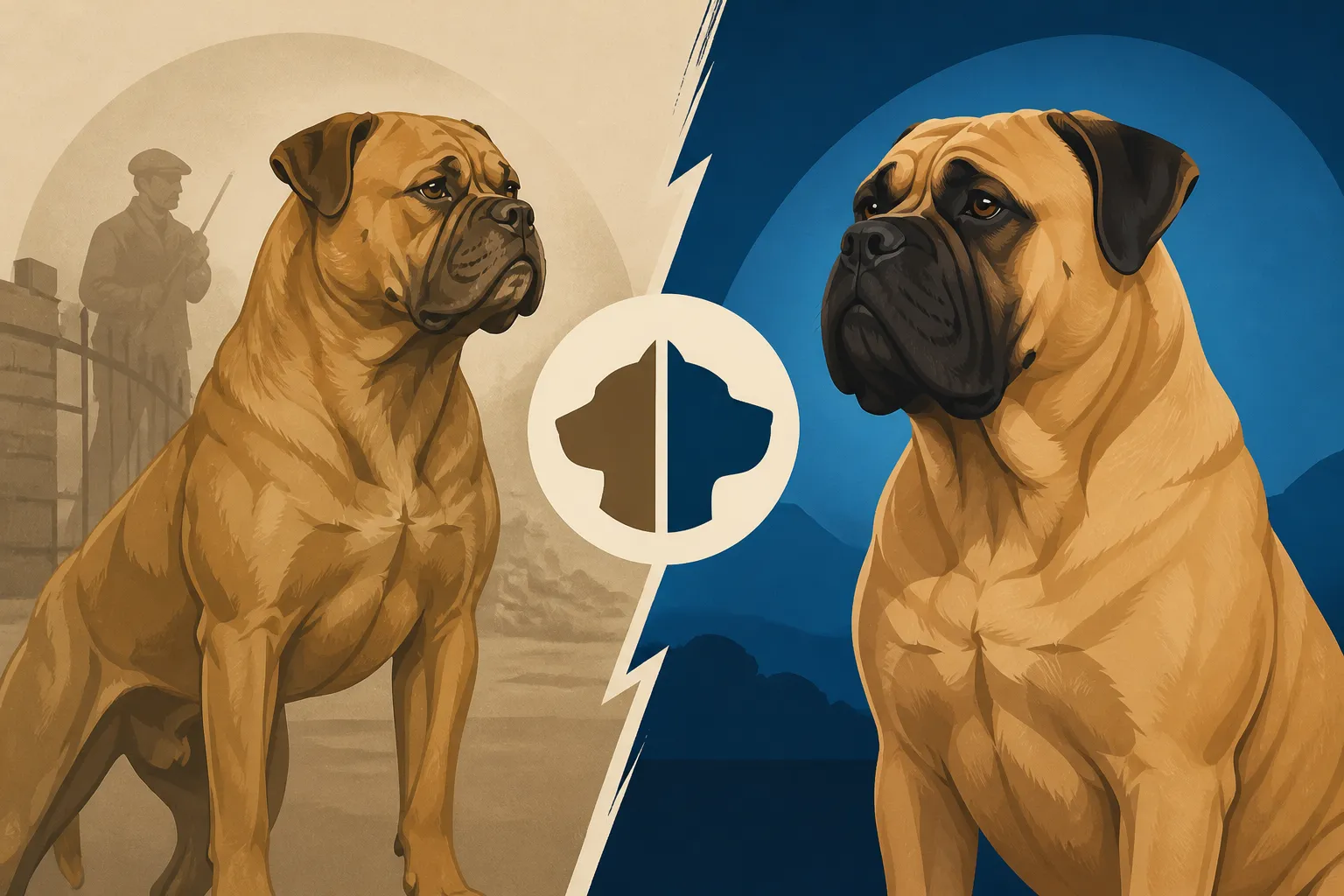
When we talk about the "Bulldog" contributing to the Bullmastiff, we are specifically referring to a type of dog known as the "Old English Bulldog." This breed, now extinct in its original form, was fundamentally different from its modern descendant. It was primarily bred for bull-baiting, a brutal sport that demanded incredible athleticism, courage, and a very specific physique designed for grappling and holding. These dogs were legends in their time for their unwavering grip and fearlessness.
They were working dogs, bred for a very tough, physically demanding task. Their job required them to be able to move quickly, withstand considerable pressure, and maintain a vice-like hold. This made them invaluable for the gamekeepers looking to create a dog capable of apprehending human intruders. The tenacity and grip, in particular, were key characteristics that the Mastiff often lacked, and it's these traits that the old Bulldog brought to the Bullmastiff's genetic makeup.
What the "Old Bulldog" Looked Like: A Glimpse into the Past
Imagine a dog that shared some ancestral roots with the modern Bulldog, but looked much more like an athletic, well-muscled pit bull type than the heavy-set dog we know today. The Old English Bulldog was a testament to function over exaggerated form, built for endurance and power rather than show-ring aesthetics.
A More Athletic Build
The Old English Bulldog possessed a far more athletic and balanced build than its modern counterpart. Picture a medium-sized dog, usually weighing somewhere in the range of 40-70 pounds, with longer legs that allowed for speed and agility. Its frame was muscular, compact, and powerful, but not in an overly cumbersome way. It had a deep chest, enabling it to sustain vigorous activity, and its overall proportions were much more harmonious. It could run, jump, and pivot with surprising grace, all essential qualities for a dog that needed to latch onto a bull and hold on for dear life.
Contrast this with the modern Bulldog, which is designed for a shorter, wider, and lower-to-the-ground silhouette. The old Bulldog wasn't bred to waddle; it was bred to move with purpose and strength. This athleticism was precisely what the gamekeepers sought to blend with the Mastiff's raw power to create the ideal "night dog" – one that could cover ground quickly and subdue a person effectively.
Different Head and Muzzle
Perhaps the most striking difference between the Old English Bulldog and the modern version lay in its head and muzzle. While it had a broad skull, it lacked the extreme brachycephalic (short, pushed-in) face that is characteristic of today's Bulldog. Its muzzle was noticeably longer, allowing for better airflow and more efficient breathing, which was critical for prolonged physical exertion and, in the context of bull-baiting, gripping an animal without suffocating. The underbite, while present, was not nearly as pronounced as it is in the modern breed; it was more functional, designed for a powerful bite, rather than an extreme cosmetic feature.
The modern Bulldog's exaggerated short muzzle and severe underbite, while endearing to many, would have been a significant hindrance to the Old English Bulldog's original purpose. It simply wouldn't have been able to breathe effectively or maintain a powerful, sustained grip on a large animal if its respiratory system was compromised. The Bullmastiff, while having a shorter muzzle than many working breeds, still has a far more proportionate and functional head than the modern Bulldog, reflecting its heritage from that older, more athletic type of canine.
The "Modern Bulldog" Emerges: A Shift in Purpose
The evolution of the Bulldog from a fierce working dog to the beloved companion animal we know today is a fascinating story, but it’s a story of significant transformation, driven by changing societal values and breeding preferences.
From Working Dog to Companion
The primary catalyst for the Bulldog's transformation was the outlawing of blood sports like bull-baiting in the mid-19th century. Once its original function disappeared, breeders began to focus on other attributes. Instead of selecting for athleticism, tenacity, and a functional bite, they started breeding for traits that would appeal to pet owners and conformation judges. The emphasis shifted dramatically from working ability to a specific aesthetic, often prioritizing unique physical characteristics that might have been considered faults in earlier generations.
This is why the modern Bulldog often carries an air of amiable stolidity; it was bred to be a charming, robust companion rather than a formidable worker. Its easygoing nature and distinctive appearance made it popular in urban homes where its ancestral athleticism was no longer required or desired. This shift from a gritty, agile athlete to a more relaxed, unique-looking pet fundamentally altered its genetic direction and physical form.
Exaggerated Features and Health Concerns
Over generations, selective breeding for these new aesthetic ideals led to the exaggerated features we see in the modern Bulldog. Their legs became shorter, their chests wider and more barrel-like, and their heads grew disproportionately large with increasingly flattened faces and deeper skin folds. The characteristic "rose ears" and pronounced underbite were amplified. While these traits became iconic and instantly recognizable, they also brought with them a host of health challenges.
The extreme brachycephaly, for instance, often results in breathing difficulties, particularly in warm weather or during exercise. Modern Bulldogs are notoriously prone to overheating and require careful management of their activity levels. Their heavy build can predispose them to joint issues, and the numerous skin folds, while giving them a charmingly grumpy expression, can become breeding grounds for infections if not meticulously cleaned. Many modern Bulldog owners know the drill: regular cleaning with wipes like those from Chewy and careful monitoring of their unique physical needs. This stands in stark contrast to the old Bulldog, whose conformation was a direct result of its demanding work, minimizing such health complications.
Why the Distinction Matters for the Bullmastiff
Understanding the difference between the Old English Bulldog and the Modern English Bulldog isn't just a historical footnote; it's crucial for truly appreciating the Bullmastiff. It helps us understand the fundamental traits, both physical and temperamental, that make Bullmastiffs who they are.
Inheriting the "Old" Temperament and Drive
The Bullmastiff inherited the courage, tenacity, and unwavering resolve of the Old English Bulldog, not the often placid and sometimes less driven nature of the modern breed. When a Bullmastiff faces a perceived threat, that deep-seated instinct to hold its ground, to confront with steadfast determination, and to use its body and presence to control a situation comes directly from its gamekeeper ancestry. This isn't a dog that was bred to look intimidating and then curl up on the sofa; it was bred to be capable of action, even if that action is usually a silent, powerful assertion of presence. That quiet confidence and willingness to engage, if necessary, is a direct echo of the old Bulldog's fighting spirit.
This legacy also explains the Bullmastiff's famous "holding" instinct. Unlike many guard dogs bred to bite and release, the Bullmastiff was developed to apprehend a human and hold them without inflicting serious injury. This required a tremendous amount of control, power, and a calm, unshakeable temperament – all traits cultivated in the Old English Bulldog, which needed to grip a bull without panicking or letting go. A Bullmastiff Was Bred to Hold a Man, Not Bite Him is not just a saying; it's a historical fact rooted in its Bulldog ancestry.
Physical Traits and the Bullmastiff Standard
While the Bullmastiff clearly takes its imposing size and general structure from the Mastiff side, the Bulldog influence is evident in its slightly broader skull, powerful neck, and the definition of its jaw. Crucially, however, its muzzle is still considerably longer and more functional than that of a modern Bulldog. The Bullmastiff is not considered a severely brachycephalic breed, which means it generally breathes more easily and tolerates exercise better than a modern Bulldog, though still requires careful management in heat due to its size and shorter muzzle compared to other breeds. Why Eighty Degrees Is Dangerous for a Bullmastiff highlights this.
The Bullmastiff's athletic capabilities, such as its ability to run swiftly for a short burst and to maintain powerful movements, directly reflect the more athletic build of the Old English Bulldog. Its compact, powerful body, designed for strength and agility rather than extreme bulk or exaggerated features, aligns perfectly with the functional requirements of its gamekeeping past. This balanced conformation, aiming for both power and capability, is a direct inheritance from the utilitarian "forty percent Bulldog" aspect of its lineage.
Understanding the Legacy: Appreciating the Bullmastiff
Taking the time to understand the Bullmastiff's unique lineage, particularly the specific type of Bulldog that contributed to its creation, truly enriches our appreciation for this magnificent breed. It's more than just a historical tidbit; it's key to appreciating the dog standing right beside you.
The Enduring Impact on the Breed
The physical and temperamental blueprint left by the Old English Bulldog is indelibly stamped on every Bullmastiff. It’s what gives them their unique blend of imposing power and surprising agility. It contributes to their deep loyalty and courageous spirit, their willingness to protect their family, and their innate sense of calm self-assurance. When your Bullmastiff silently observes a stranger, assesses the situation, and then perhaps offers a deep, rumbling "woof" to signify their presence, you're witnessing the culmination of generations of selective breeding from dogs like the Old English Bulldog, whose job was to be effective and efficient. This heritage helps us understand Why a Bullmastiff Was Bred to Work Silently and its protective instincts.
The fact that the Bullmastiff has maintained a more functional physique, with a muzzle that allows for proper respiration and a body capable of powerful movement, is a testament to the fact that its early breeders chose wisely from the Bulldog type available at the time. They were aiming for a working dog, and that purpose-driven breeding has largely preserved the more athletic and balanced traits that were lost in the modern Bulldog.
Appreciating Breed History
As owners and admirers of Bullmastiffs, delving into this historical context allows us to appreciate the true essence of the breed. It helps us understand why they are built the way they are, why they sometimes exhibit certain behaviors, and why they require specific types of care. When you see your Bullmastiff's powerful jaw, its confident stance, or its quiet watchfulness, you're not just seeing a large dog; you're seeing a living legacy of two distinct working breeds, carefully combined for a very specific and demanding job.
Knowing that the Bullmastiff's Bulldog ancestry comes from a brave, athletic dog rather than the more conformation-focused modern Bulldog can also help new owners set realistic expectations. While often calm and gentle, a Bullmastiff is still a powerful dog with protective instincts, requiring consistent training and socialization from a young age. Its history underscores the importance of a well-structured environment and early experiences for a The First Year With a Bullmastiff Puppy.
Here's a comparison to help visualize the differences between the Old English Bulldog and the Modern English Bulldog:
| Feature | Old English Bulldog | Modern English Bulldog |
|---|---|---|
| Purpose | Bull-baiting, athletic tasks, working dog | Companion, show dog |
| Build | Athletic, muscular, agile, longer legs | Compact, heavy-set, low to the ground, shorter legs |
| Muzzle | Longer, wider, allowing for better breathing | Very short, flattened, brachycephalic, breathing challenges |
| Underbite | Present but functional, less exaggerated | Highly pronounced, a key breed characteristic |
| Head Size | Proportionate to body | Disproportionately large |
| Skin Folds | Minimal | Numerous and deep, requiring regular cleaning |
| Temperament (original) | Tenacious, courageous, driven, active | Calm, amiable, relatively low energy |
| Agility | High, capable of quick movements and grappling | Low, prone to overheating and physical exertion limits |
Disclaimer
This article is for general informational purposes only and does not constitute professional advice. Laws, prices and regulations vary by location and change over time. Consult a qualified professional for guidance on your specific situation.