What Poaching Meant on a Victorian Estate
When we talk about the history of the magnificent Bullmastiff, the phrase "poacher's dog" often comes up. But it's easy to romanticize or misunderstand what that truly meant in the harsh reality of Victorian England. It wasn't just about a simple cat-and-mouse game; it was a matter of life and death, deeply intertwined with the social structure, poverty, and law enforcement of the era. This guide will pull back the curtain on the desperate world of Victorian poaching and the vital role our beloved Bullmastiffs played in it.
The Lifeblood of the Victorian Estate: Game and Its Value
To truly grasp the significance of poaching, you have to understand just how crucial "game" was to the identity and economy of a Victorian estate. This wasn't just about bagging a few rabbits for dinner; it was a cornerstone of aristocratic power, wealth, and social standing.
More Than Just Food: Status and Sport
For the landed gentry, their sprawling estates were not merely land; they were carefully managed ecosystems designed to produce an abundance of wild game. Picture vast woodlands, carefully cultivated pheasant covers, and open fields where deer, partridges, and hares thrived. These animals were more than just potential meals; they represented a visible symbol of the landowner's prosperity and influence. A successful hunt, particularly one yielding a large bag of pheasants or a stag, was a grand social event, a spectacle that reinforced the owner's status among their peers and impressed guests. It was a sport, yes, but also a display of wealth and control over nature.
The game birds and animals from these estates weren't always destined for the landowner's table alone. Often, they were sold, either through established markets or discreetly, to provide a significant income stream for the estate. This revenue contributed to the upkeep of the estate, the employment of its staff, and the maintenance of the aristocratic lifestyle. Losing game to poachers wasn't just a slight; it was a tangible financial hit, cutting into the very fabric of the estate's economic viability. This economic value often meant the difference between comfortable living and financial strain for the landowner.
The Legal Framework and Its Harsh Penalties
To protect this invaluable asset, Victorian England had incredibly strict and often brutal game laws. These laws heavily favored the landowners, making it explicitly illegal for anyone without property rights or a specific license to hunt game. The system was designed to safeguard the interests of the wealthy, leaving the vast majority of the rural population with no legal means to acquire wild game, even if it meant their families went hungry.
The penalties for poaching were severe, reflecting the importance placed on property rights and the owner's investment in their game stocks. A first offense might result in a hefty fine or a short stint in the local jail. However, repeat offenders or those caught in organized poaching rings faced much harsher sentences. These could include years of hard labor, public flogging, or even transportation to distant penal colonies like Australia, effectively banishing them from their homes and families forever. The legal system was often stacked against the accused, and a gamekeeper's testimony was frequently enough to secure a conviction.
The sheer imbalance of power created an environment of tension and resentment. While landowners saw poachers as thieves encroaching on their property and stealing their valuable resources, many in the working class viewed poaching as a desperate act of survival or a reclamation of common resources. This legal backdrop created the perfect storm, setting the stage for clandestine operations and dangerous confrontations between gamekeepers and poachers in the dead of night.
The Desperate Act: Why People Poached
While some poaching was undoubtedly for profit, to understand the Bullmastiff's origins, it's vital to recognize that for many, poaching wasn't a criminal enterprise driven by greed but a desperate gamble against starvation.
Hunger and Poverty: The Primary Motivators
Rural Victorian England was a place of immense hardship for the working class. Wages for laborers were often incredibly low, barely enough to sustain a family, especially in lean times or during harsh winters. With little to no social safety net, losing a job, falling ill, or having too many mouths to feed could quickly plunge a family into abject poverty. For these families, the sight of abundant game on a wealthy landowner's estate, while their own children cried from hunger, was an unbearable torment.
Poaching, therefore, often became a last resort for survival. It was a risky endeavor, but the potential reward—a rabbit stew to feed hungry children or a pheasant to bring a few precious shillings—outweighed the terrifying risks of capture and punishment. It wasn't about getting rich; it was about staving off starvation. Imagine a freezing winter night, with no food in the larder, and the only hope of sustenance lies beyond a fence, guarded by watchful eyes and formidable dogs. The desperation drove individuals to take incredible chances, sometimes with dire consequences for their freedom and families.
The Lure of the Black Market
Beyond mere subsistence, there was indeed an established black market for poached game, which could tempt those seeking to supplement their meager incomes. A skilled poacher, or a group of them, could catch a significant amount of game, which would then be sold discreetly to local inns, unscrupulous butchers, or middlemen who transported it to larger urban markets. The demand for game meat, even illegally obtained, was always present, especially in towns and cities where people craved variety in their diets and didn't ask too many questions about provenance.
This black market provided a more substantial, though still incredibly dangerous, income opportunity compared to traditional labor. The profits, while perhaps not making someone wealthy by today's standards, could represent several weeks' wages for a laborer. The allure of this quick, albeit perilous, money was strong, creating organized poaching gangs who were often well-versed in the landscape and the gamekeeper's patrols. These groups were often better equipped and more determined, posing a much greater challenge to the estate's defenses.
The Gamekeeper's Burden: Protecting the Estate's Assets
In the complex ecosystem of the Victorian estate, the gamekeeper occupied a unique and often unenviable position. They were the frontline defense, the vigilant protectors of the landowner's valuable game, and their life was one of constant watchfulness and danger.
A Life of Vigilance and Danger
The gamekeeper's role was far more encompassing than simply shooing away trespassers. They were responsible for managing the entire game population, which included everything from rearing young birds, monitoring breeding grounds, and ensuring a healthy stock, to meticulously patrolling vast stretches of land. This often meant spending countless hours alone in the wilderness, in all weather conditions, day and night. Their shifts were long and grueling, characterized by an unceasing vigilance for any sign of intruders.
But perhaps their most critical, and certainly most dangerous, task was preventing poaching. This put them in direct opposition to desperate and sometimes violent individuals or organized gangs. Confrontations were not uncommon and could quickly escalate. A gamekeeper had to be tough, resourceful, and utterly committed to their duty, knowing that failure meant a direct financial loss to their employer and potentially their own job. They were often isolated figures, respected by their employers but sometimes resented by the local populace who saw them as enforcers of an unjust system. Their unwavering loyalty was to the landowner, a loyalty that demanded personal risk.
Tools of the Trade: Traps, Guns, and Dogs
To effectively carry out their duties, gamekeepers employed a range of tools and strategies. They would set snares and traps, not always to catch poachers directly, but sometimes to protect their game from other predators, or even to create deterrents in key areas. Firearms were a standard part of their equipment, primarily for self-defense or to dispatch injured animals, rather than for direct engagement with poachers, though their presence served as a potent warning. However, the most vital and active tool in their arsenal was undoubtedly their dogs.
Early on, gamekeepers experimented with various dog breeds. They needed animals that were strong enough to tackle a grown man, intelligent enough to follow commands in the dark, and above all, quiet. A barking dog would give away their position, alerting poachers to their presence. Thus began the search for a specialized canine partner. They certainly weren't picking up a big bag of specialized large breed kibble or joint supplements from a place like Chewy for their canine companions; every resource was precious and often scarce. Their dogs relied on the gamekeeper's ingenuity for their sustenance and care, a stark contrast to how we pamper our Bullmastiffs today. The evolution of these working dogs led directly to the development of the Bullmastiff, specifically bred for these demanding and dangerous night patrols.
The Silent Guardian: How the Bullmastiff Fit In
The very specific challenges faced by gamekeepers in Victorian England created a unique demand for a canine partner unlike any other. They needed a dog that combined power, agility, stealth, and a very particular temperament—a blend that would ultimately define the Bullmastiff.
The Need for a Specialized Dog
Imagine the scene: a moonless night, the rustle of leaves, and the distant snap of a twig. A gamekeeper's life depended on stealth, and so did the effectiveness of his dog. Traditional guard dogs, while intimidating, were often too vocal, their barking announcing their presence long before they were needed. Hunting dogs, on the other hand, were bred to track and retrieve, often lacking the physical presence or the specialized temperament required to apprehend a human intruder. The ideal dog needed to be a silent shadow, capable of tracking without sound, moving swiftly through the terrain, and most crucially, capable of restraining a potentially armed and desperate man without inflicting grievous harm.
This was a tall order, indeed. The dog needed to be formidable enough to deter, and if necessary, physically stop an adult male, but without the instinct to bite and tear like a fighting dog. The goal was capture, not maiming. The legal ramifications of a gamekeeper's dog severely injuring a poacher could be immense, leading to charges against the gamekeeper and their employer. This ethical, yet practical, constraint further refined the requirements for the "perfect" poacher's dog. This nuanced requirement for a dog that could enforce without excessive aggression truly sets the Bullmastiff apart and is why A Bullmastiff Was Bred to Hold a Man, Not Bite Him.
From Crossbreed to Breed: The Bullmastiff's Purpose
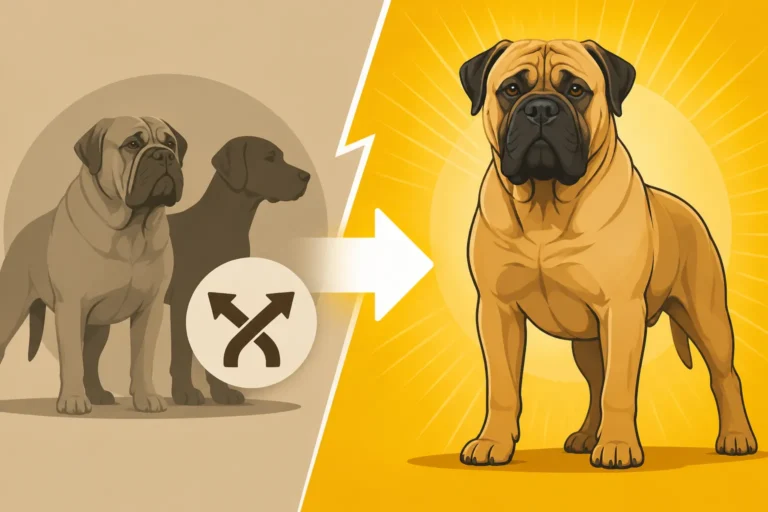
This specific need led to the deliberate crossbreeding of two formidable dogs of the era: the Mastiff and the Bulldog. The Mastiff contributed immense size, power, and a natural guarding instinct, making for an imposing presence. However, the Mastiff could sometimes be a bit too slow and not always as agile as needed for rapidly catching a fleeing poacher. That's where the Bulldog came in. The Bulldog of the Victorian era was a much different animal than the stocky, brachycephalic breed we know today. It was leaner, more athletic, and possessed incredible tenacity, courage, and a powerful "holding" bite, though it was smaller. The goal was to combine the Mastiff's bulk with the Bulldog's drive and agility. This careful calculation led to the recognized standard we know today: The Bullmastiff Is Sixty Percent Mastiff and Forty Percent Bulldog.
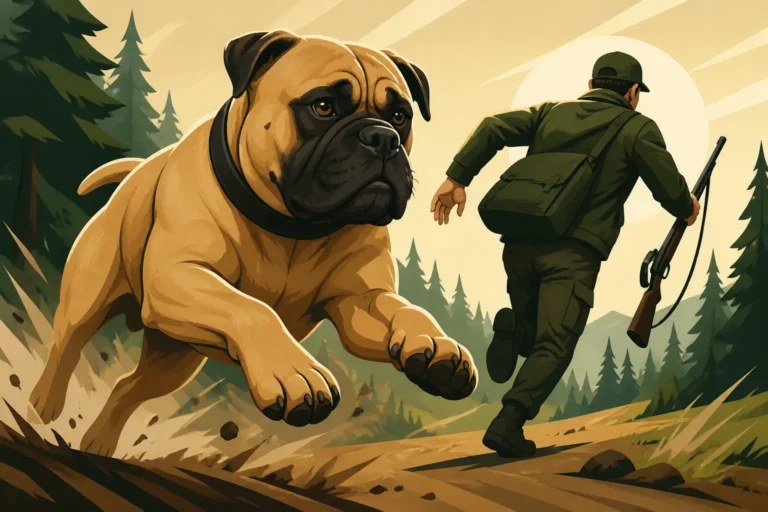
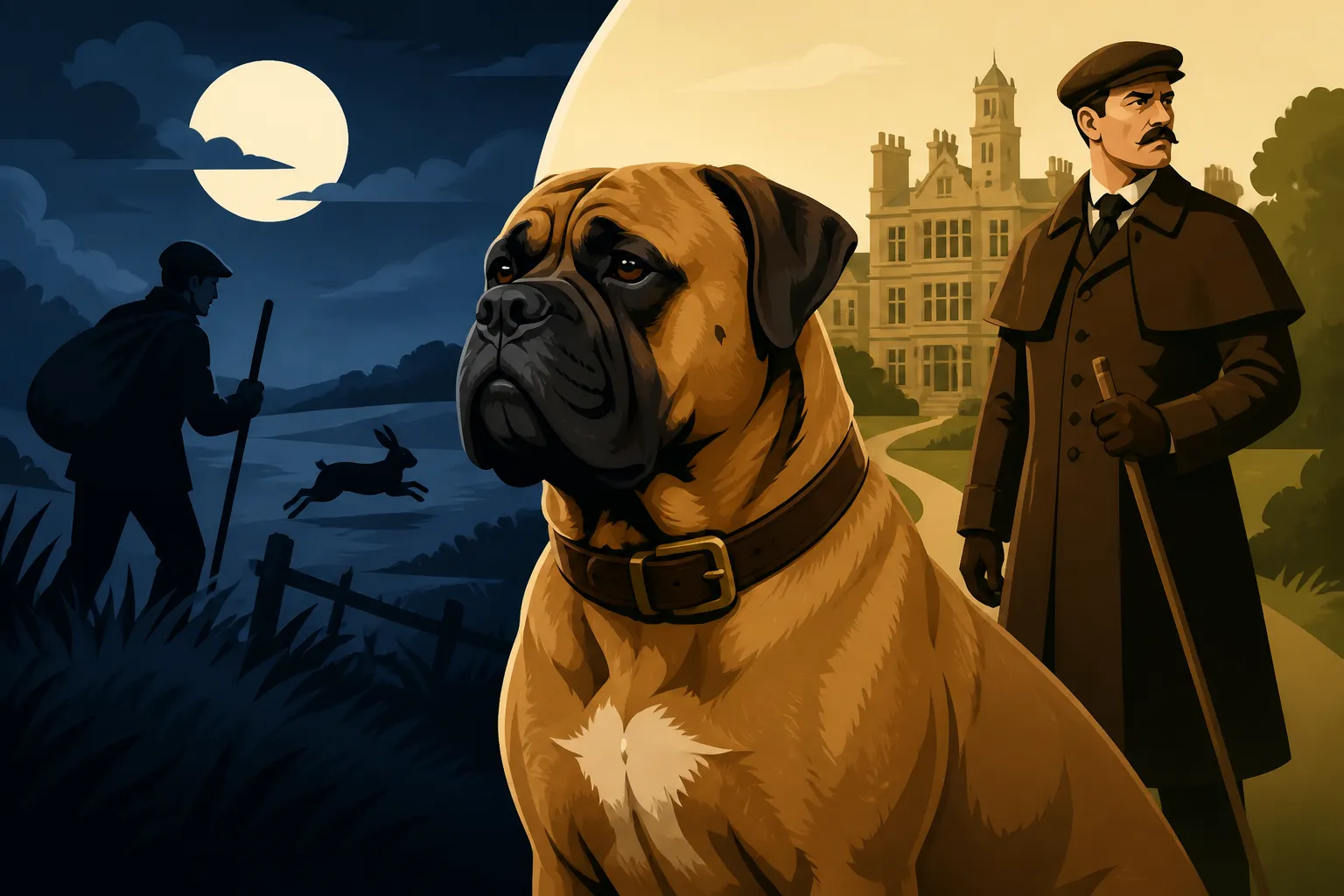
The resulting cross, which would eventually be formalized as the Bullmastiff, embodied the perfect blend. They were large and powerful, capable of knocking a man down and holding him down by leaning on him or pinning him, often without biting. Their dark brindle coats, originally the preferred color, provided excellent camouflage in the dim light of night patrols; hence, Why Dark Brindle Hid a Bullmastiff at Night. The gamekeepers would train these dogs to work quietly, tracking by scent and sight, then, upon locating a poacher, to rush forward, knock them off balance, and pin them to the ground, holding them until the gamekeeper arrived. The silence and effectiveness of these "night dogs" made them invaluable, truly earning the Bullmastiff its reputation as The Bullmastiff Was Built to Catch Poachers in the Dark. This specialized role, born out of necessity, shaped the Bullmastiff into the protective, confident, and somewhat deliberate breed we cherish today.
Here's a quick look at the contrasting realities:
| Aspect | Poacher's Reality | Gamekeeper's Reality |
|---|---|---|
| Motivation | Hunger, poverty, supplemental income | Duty to landowner, job security, protecting assets |
| Risk | Imprisonment, hard labor, transportation, injury | Injury, loss of job, loneliness, potential violence |
| Resources | Meager, improvised tools, stealth, local knowledge | Estate support, firearms, specialized dogs |
| Goal | Obtain game for food or sale, evade capture | Prevent poaching, apprehend intruders |
| Dog Interaction | Evade or confront | Employ and direct |
Disclaimer
This article is for general informational purposes only and does not constitute professional advice. Laws, prices and regulations vary by location and change over time. Consult a qualified professional for guidance on your specific situation.