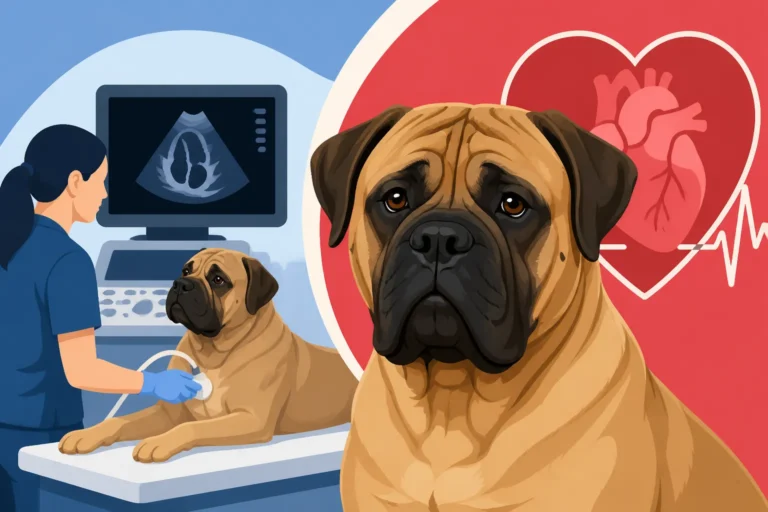
Why Some Bullmastiffs Die at Five
It's an utterly heartbreaking reality for many Bullmastiff owners: the devastating loss of their beloved companion at an age that feels far too young. While we all hope for a long, happy life with our dogs, some Bullmastiffs tragically succumb to health issues around the five-year mark, leaving families reeling. This guide aims to shed light on the complex reasons behind why some Bullmastiffs die at five, offering insights into the breed's predispositions and what owners can do.
The Unspoken Truth: Bullmastiffs and Their Short Lifespan
When you bring a Bullmastiff into your home, you're welcoming a magnificent, gentle giant. You dream of years of loyalty, slobbery kisses, and comfortable snoring by the fireplace. The thought of their life being cut short, especially around middle age, is a tough pill to swallow. Yet, the sad truth is that the Bullmastiff breed, like many large and giant breeds, faces a significantly shorter average lifespan compared to smaller dogs. This reality often catches new owners off guard, and for those who experience an early loss, the grief is compounded by the feeling that they were robbed of precious time.
Understanding the Breed's Predisposition to Health Issues
Bullmastiffs are bred for impressive size and strength, but this very characteristic comes with inherent health challenges. Their rapid growth as puppies and their sheer bulk as adults place considerable stress on their developing bodies and mature systems. From orthopedic issues to cardiac conditions and, most notably, a high incidence of aggressive cancers, the Bullmastiff's genetic blueprint unfortunately includes predispositions to several serious ailments. It's not a fault of breeding in many cases, but rather an accumulation of genetic factors that affect large breeds. Understanding these predispositions isn't about fear-mongering, but about empowering owners to be vigilant and proactive. The median Bullmastiff lives eight and a half years, but this median is heavily influenced by those who don't even make it that far.
The stark reality is that many of the health conditions that plague Bullmastiffs aren't minor inconveniences; they are often life-threatening and progress quickly. Owners frequently find themselves navigating complex diagnoses and difficult treatment decisions much earlier than they ever anticipated. This can be financially draining and emotionally exhausting, and it highlights the immense responsibility that comes with owning such a special, albeit vulnerable, breed. Knowing that your dog is at a higher risk for certain conditions allows you to work closely with your veterinarian from day one.
The Impact of Size and Rapid Growth
There's a well-documented correlation between a dog's size and its lifespan – generally, the larger the dog, the shorter its life. A Bullmastiff can easily weigh over 100 pounds, with males often pushing 130 pounds or more. This massive size means their hearts have to work harder, their joints bear immense weight, and their cellular regeneration cycles might be accelerated, potentially leading to a higher risk of abnormal cell growth. The sheer physics of maintaining such a large body takes its toll over time, and for some, that toll becomes apparent far too early.
Furthermore, Bullmastiff puppies experience incredibly rapid growth. They transform from small, cuddly bundles into imposing adolescents in a matter of months. This accelerated development isn't always smooth sailing. Improper nutrition during this critical phase, or excessive exercise that puts strain on still-developing growth plates, can contribute to long-term orthopedic problems. While these joint issues may not be immediately fatal, they can significantly impact a Bullmastiff's quality of life and, in severe cases, necessitate difficult decisions if pain cannot be managed. It's a delicate balance to manage their growth to support their future health.
Cancer: The Primary Culprit in Early Bullmastiff Deaths
For Bullmastiffs, cancer isn't just a concern; it's an undeniable specter that haunts the breed. It is, tragically, the leading cause of death for these noble dogs, and for many, it strikes with cruel swiftness in their prime, often around the age of five. This prevalence and aggressive nature of cancer in Bullmastiffs is a topic that every potential and current owner must confront, as it dictates much of their health journey.
Lymphoma: A Devastatingly Common Diagnosis
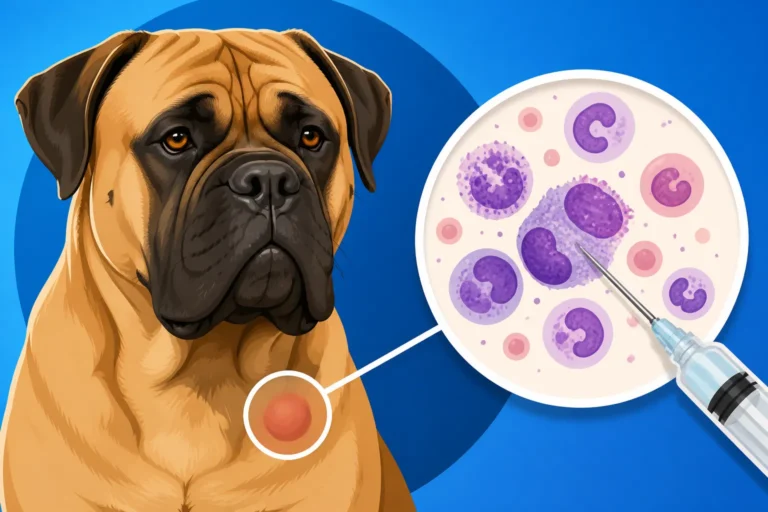
Among the various forms of cancer, lymphoma stands out as particularly devastating for Bullmastiffs. This type of cancer originates in the lymphocytes, a type of white blood cell, and can manifest in lymph nodes, spleen, liver, bone marrow, and other organs. The unfortunate reality is that Lymphoma Kills More Bullmastiffs Than Anything Else. It's not uncommon for a seemingly healthy, energetic five-year-old Bullmastiff to suddenly develop palpable lumps or exhibit subtle signs of illness that, upon investigation, reveal an aggressive form of lymphoma. The speed with which this cancer can spread and impact a dog's health is often shocking.
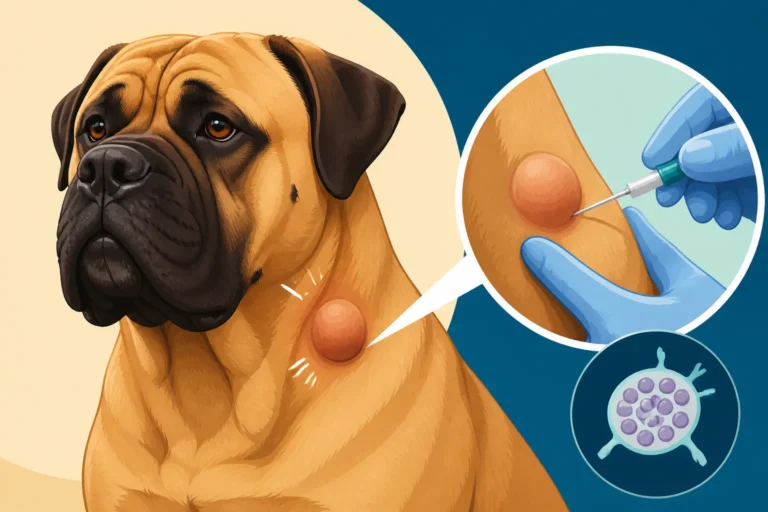
Owners might notice general lethargy, a loss of appetite, or unexpected weight loss. However, the most common first indicator is often swollen lymph nodes, which can be felt in areas like the neck, armpits, or behind the knees. Learning to recognize Signs a Bullmastiff Has Lymphoma is crucial for early detection. The heartbreaking truth is that The Age Lymphoma Appears in a Bullmastiff often falls right within that five-year window, catching families off guard and forcing them to make difficult choices about extensive, costly treatments. Even with chemotherapy, the prognosis can be guarded, and the disease often recurs.
Other Aggressive Cancers
While lymphoma is a major concern, it's far from the only cancer that can cut a Bullmastiff's life short. These powerful dogs are also disproportionately affected by other highly aggressive cancers that can rapidly diminish their health and lead to early demise. Two particularly concerning types are hemangiosarcoma and osteosarcoma.
Hemangiosarcoma in a Bullmastiff is a malignant tumor of the cells that line blood vessels. It often develops silently in internal organs like the spleen or heart, with symptoms not appearing until the tumor has grown large or ruptured, causing internal bleeding. A sudden collapse, weakness, or pale gums can be the first, terrifying signs, often indicating a critical emergency where time is of the essence. This cancer is notoriously difficult to detect early and has a very poor prognosis once diagnosed. Similarly, Osteosarcoma in a Bullmastiff, a highly aggressive bone cancer, is another major threat. Due to their large bone structure, Bullmastiffs are unfortunately predisposed. This cancer often presents as lameness or swelling in a limb, which can initially be mistaken for an injury. However, the pain often escalates rapidly, and the cancer metastasizes quickly to other parts of the body, particularly the lungs. Understanding Which Other Cancers a Bullmastiff Gets is vital for any Bullmastiff owner to be aware of the range of threats their beloved pet faces.
Cardiac Conditions and Other Serious Health Threats
Beyond the pervasive shadow of cancer, Bullmastiffs can also fall victim to serious cardiac conditions and other acute health emergencies that can lead to a premature end. These issues, while perhaps less common than cancer, are equally devastating when they occur, often striking suddenly and leaving little time for intervention.
Subaortic Stenosis: A Hidden Danger
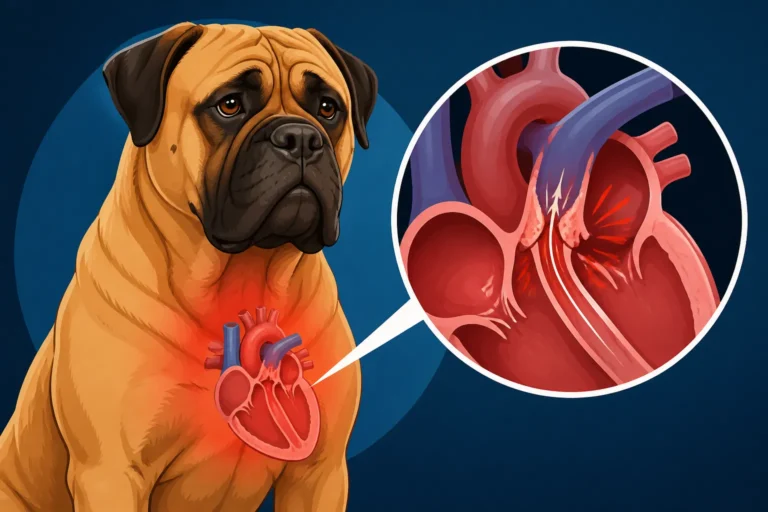
One of the most insidious cardiac issues affecting Bullmastiffs is subaortic stenosis (SAS). This inherited condition involves a narrowing (stenosis) of the aorta just below the aortic valve, forcing the heart to work harder to pump blood to the body. Often, a puppy is born with this condition, and Subaortic Stenosis Is There Before a Bullmastiff's First Birthday. While some dogs may have a mild form and live relatively normal lives, a moderate to severe case can lead to significant complications, including sudden cardiac death.
The challenge with SAS is that a dog may appear perfectly healthy for years, sometimes showing no outward symptoms until a critical point. Owners might only learn of it during a routine vet visit if a heart murmur is detected, or tragically, when their seemingly healthy Bullmastiff collapses or dies suddenly during exercise or excitement. What Subaortic Stenosis Does to a Bullmastiff is essentially a progressive strain on the heart, leading to eventual heart failure or arrhythmia. This silent killer is a stark reminder of the importance of cardiac screening, especially for a breed known to carry this genetic predisposition.
Bloat and Emergency Situations
Another acute and terrifying threat that can lead to an early death in Bullmastiffs is Gastric Dilatation-Volvulus (GDV), commonly known as bloat. This condition occurs when the stomach fills with gas and twists on itself, trapping both food and gas, and cutting off blood supply to the stomach and other organs. It is a true veterinary emergency that progresses rapidly and is fatal if not treated immediately. Bullmastiffs, with their deep chests, are statistically at a higher risk for bloat than many other breeds.
An owner might notice their dog trying to vomit without success, pacing, drooling excessively, or having an obviously distended abdomen. These Signs a Bullmastiff Is Bloating demand immediate action; every minute counts. Without emergency surgery to untwist the stomach and often tack it to the abdominal wall (gastropexy), the dog's chances of survival plummet. Even with surgery, bloat carries a significant mortality rate. This terrifying condition often strikes without warning, turning a normal day into a frantic race against time, and can easily claim a Bullmastiff's life within hours, regardless of their age. Bloat in a Bullmastiff is a risk factor that all owners must be acutely aware of.
Lifestyle Factors and Preventative Measures
While some health issues are genetically predisposed and largely unavoidable, there are crucial lifestyle factors and preventative measures that owners can implement to support their Bullmastiff's health and potentially extend their years. Being a proactive and informed owner is one of the best ways to combat the unfortunate trend of early Bullmastiff deaths.
The Role of Weight and Diet
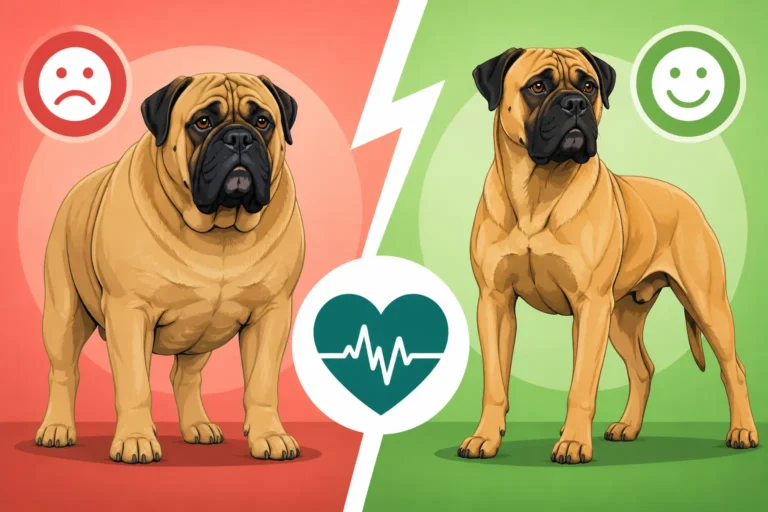
One of the most impactful things an owner can do for their Bullmastiff's long-term health is to manage their weight meticulously. Keeping a Bullmastiff Lean Is the Best Thing You Can Do for their joints, heart, and overall longevity. Excess weight places an incredible strain on their large joints, exacerbating conditions like hip and elbow dysplasia, which can lead to chronic pain and reduced mobility. Beyond orthopedics, obesity contributes to a host of other health problems, including increased risk of certain cancers, heart disease, and diabetes. It's a silent killer that slowly chips away at their health.
Proper nutrition from puppyhood is also critical. Feeding a Bullmastiff Puppy So It Grows Slowly is paramount to prevent musculoskeletal issues. Large breed puppy foods are specifically formulated with controlled calcium and phosphorus levels to support steady, not rapid, growth. As adults, portion control, appropriate caloric intake, and a balanced diet are essential. Regular checks of their body condition score, ensuring you can easily feel their ribs but not see them, should be a routine part of their care. Even a few extra pounds can make a significant difference in their quality of life and health trajectory.
The Importance of Early and Regular Veterinary Care
Establishing a strong relationship with a veterinarian experienced in large breeds from the moment you bring your Bullmastiff home is incredibly important. Regular veterinary check-ups are not just for vaccinations; they are an opportunity for early detection of subtle health changes that could indicate the onset of serious illness. How Often a Bullmastiff Needs a Wellness Exam often increases as they age, becoming biannual in their senior years. These visits allow your vet to perform thorough physical examinations, listen to their heart, check for lumps, and discuss any behavioral or physical changes you've observed.
Beyond routine exams, discussing preventative screenings, such as blood work, is crucial. Whether a Bullmastiff Needs Bloodwork Yearly is a question worth exploring with your vet, as annual blood panels can reveal underlying organ dysfunction or early signs of disease before clinical symptoms appear. Given the high incidence of cancer and cardiac issues in the breed, proactive screening can literally be a lifesaver. It’s also wise to consider pet insurance, like policies offered by Healthy Paws, early in your Bullmastiff's life. Serious health events like cancer treatment or emergency bloat surgery can incur costs running into the thousands, and having a reliable pet insurance plan can ease the financial burden, allowing you to focus on getting your dog the best possible care without compromising due to cost concerns. Healthy Paws is just one option, but investing in insurance when your Bullmastiff is young and healthy ensures that pre-existing conditions won't be an issue if a serious illness strikes later.
Proactive Management of Breed-Specific Risks
Understanding and proactively managing the breed's specific health risks can significantly impact a Bullmastiff's longevity. For instance, being vigilant about lumps and bumps on their body and promptly having any new growths checked by a vet is essential due to their cancer predisposition. Familiarize yourself with the signs of bloat and know the location of the nearest emergency veterinary clinic. Discuss options like prophylactic gastropexy surgery with your vet to potentially prevent GDV.
For cardiac conditions like SAS, responsible breeders should screen their breeding stock. However, even with the best breeding practices, issues can arise. Regular cardiac check-ups, especially if a murmur is detected, are vital. Investing in health-tested parents and ongoing veterinary care helps ensure that your Bullmastiff has the best possible chance at a full and healthy life, even with the challenges inherent to their magnificent breed. When considering costs, remember that while pet insurance from providers like Healthy Paws can help with unexpected illnesses, routine care, preventative measures, and screenings are often out-of-pocket expenses that are worth every penny for peace of mind.
Here is a table summarizing some of the most common serious health issues affecting Bullmastiffs and their typical age of onset or critical impact:
| Health Issue | Description | Typical Age of Impact | Severity | Preventative/Mitigation |
|---|---|---|---|---|
| Lymphoma | Cancer of white blood cells, affecting lymph nodes and organs. | 5-8 years | High | Regular vet check-ups, palpate for lumps, early detection. |
| Hemangiosarcoma | Aggressive cancer of blood vessel lining, often internal (spleen, heart). | 6-10 years | Very High | Difficult to prevent; focus on early detection (bloodwork, ultrasound). |
| Osteosarcoma | Aggressive bone cancer, particularly in large breeds. | 6-10 years | Very High | Monitor for lameness/swelling, prompt veterinary evaluation. |
| Subaortic Stenosis | Congenital narrowing below aortic valve, leading to heart strain. | Birth (detected in puppyhood or leads to sudden death later) | High | Breeder screening, cardiac exams in puppies, careful exercise management if diagnosed. |
| Gastric Dilatation-Volvulus (Bloat) | Stomach fills with gas and twists; life-threatening emergency. | Any age, common in middle-aged | Very High | Feed smaller meals, rest after eating, prophylactic gastropexy. |
| Hip/Elbow Dysplasia | Malformation of hip/elbow joints, causing arthritis and pain. | Puppyhood (symptoms often by 1-2 years) | Moderate | Responsible breeding, slow growth diets, weight management, appropriate exercise. |
The journey of owning a Bullmastiff, while incredibly rewarding, often comes with the heartache of a shorter lifespan compared to many other breeds. When some Bullmastiffs die at five, it’s usually due to aggressive cancers like lymphoma or hemangiosarcoma, or acute emergencies such as bloat, compounded by underlying cardiac conditions like subaortic stenosis. While we can’t guarantee a long life, by being informed, vigilant, and providing exceptional care—including maintaining a lean body weight, feeding appropriate large-breed diets, and prioritizing regular, proactive veterinary check-ups—we can strive to give our gentle giants the healthiest, happiest lives possible, for however long they are with us. The love they give in their years, no matter how few, is truly immeasurable.
Disclaimer
The information provided in this article is for general informational purposes only and is not a substitute for professional veterinary advice. Always consult with a qualified veterinarian regarding your Bullmastiff's health and treatment options.