Hemangiosarcoma in a Bullmastiff
Finding out your beloved Bullmastiff has been diagnosed with hemangiosarcoma is one of the most heartbreaking and sudden challenges a dog owner can face. This aggressive cancer often strikes quickly and silently, leaving us feeling blindsided and helpless. This guide aims to shed light on hemangiosarcoma in Bullmastiffs, helping you understand what it is, recognize its signs, navigate diagnosis, and explore treatment options to give your loyal companion the best possible care during such a difficult time.
Understanding Hemangiosarcoma in Bullmastiffs
When we talk about cancer in Bullmastiffs, most owners immediately think of lymphoma, and rightly so, as Lymphoma Kills More Bullmastiffs Than Anything Else. However, hemangiosarcoma is another devastating disease that frequently impacts our strong, gentle giants, often with little warning. It’s a cancer that originates from the cells lining blood vessels, making it inherently insidious as it can appear almost anywhere in the body. Because it's a cancer of the blood vessels, it means it grows and spreads by creating its own blood supply, and unfortunately, it's known for being highly metastatic, meaning it likes to travel to other organs quickly.
What Exactly Is Hemangiosarcoma?
At its core, hemangiosarcoma is a malignant tumor of endothelial cells, which are the cells that form the inner lining of blood vessels. Think of it like this: your dog's entire body is crisscrossed with a vast network of blood vessels. This cancer can essentially sprout from any point within that network. What makes it so dangerous is its ability to grow rapidly and form fragile, blood-filled masses. These masses are prone to rupture, leading to sudden, severe internal bleeding. This is often the first, terrifying sign for many owners that something is gravely wrong, often resulting in an emergency trip to the vet where a grim diagnosis is delivered.
This cancer isn't discriminatory, but certain breeds, including our beloved Bullmastiffs, are predisposed to it, much like how Why Bullmastiffs Carry So Much Lymphoma Risk points to genetic vulnerabilities in our breed. The fact that it grows from blood vessel cells explains why it can spread so effectively throughout the body, making early detection incredibly challenging and overall prognosis often guarded.
Why Bullmastiffs Are at Higher Risk
It's a cruel reality that certain breeds carry a higher genetic burden for specific diseases. While the exact genetic markers for hemangiosarcoma in Bullmastiffs are still under active research, veterinary oncologists and breeders have long observed an elevated incidence in the breed. This isn't just bad luck; it points to an underlying genetic predisposition. Other breeds like German Shepherds, Golden Retrievers, and Portuguese Water Dogs also share this unfortunate susceptibility. For Bullmastiff owners, this heightened risk means vigilance is paramount. We can't prevent every illness, but understanding these predispositions helps us be more aware and proactive in seeking veterinary attention for even the slightest changes in our dog's health. It underscores the importance of choosing a reputable breeder who screens their lines diligently and shares health information openly, though hemangiosarcoma often appears without a clear family history in many cases.
Common Locations for Hemangiosarcoma
Hemangiosarcoma is a master of disguise because it can pop up in various locations, with some being far more common and dangerous than others. The most frequent sites are typically internal, making them harder to spot until the disease has progressed significantly.
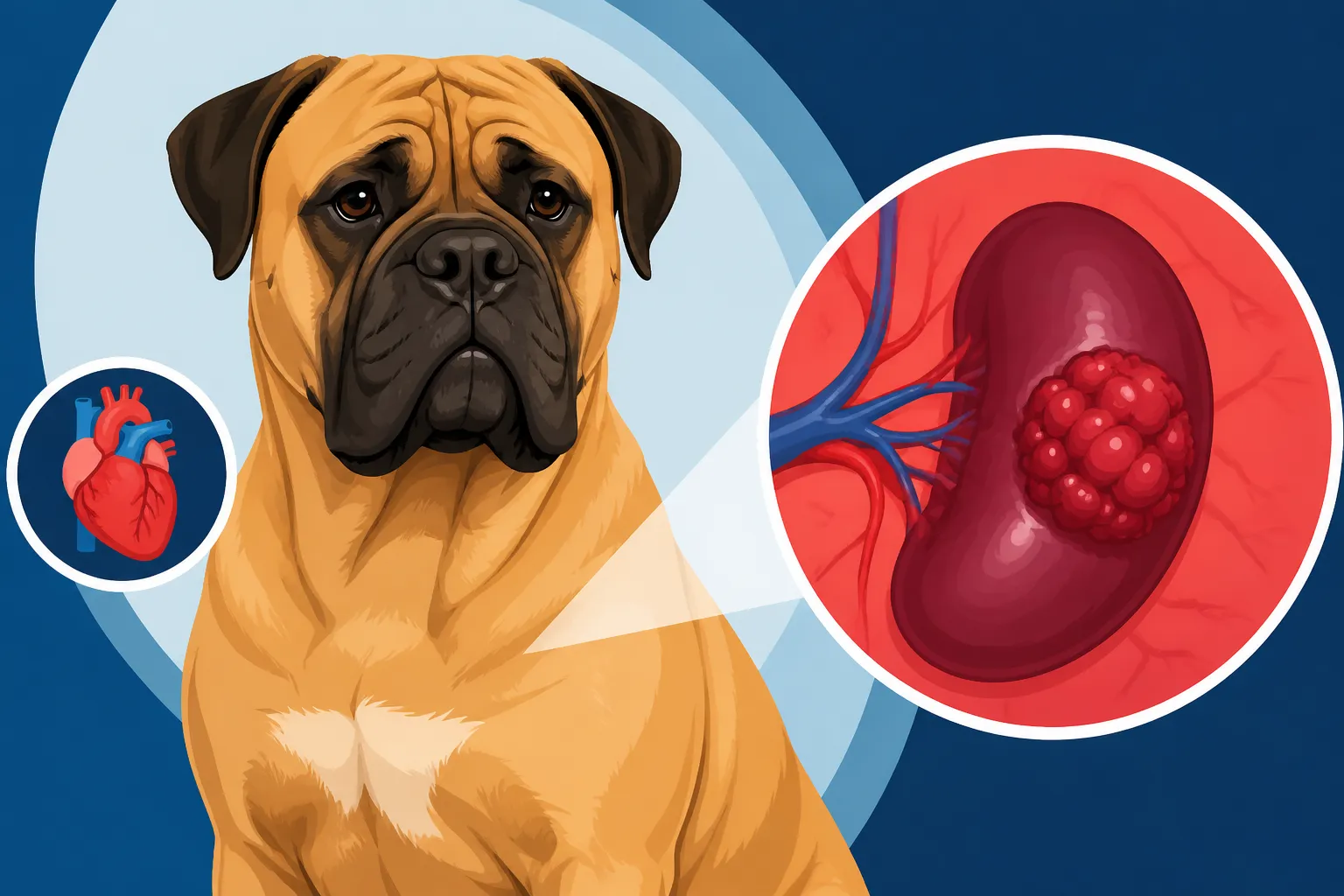
- Spleen: This is perhaps the most common site for hemangiosarcoma. The spleen is a blood-rich organ, and tumors here can grow quite large before symptoms appear. Often, the first sign is a splenic mass that ruptures, causing acute internal bleeding, which manifests as sudden weakness or collapse.
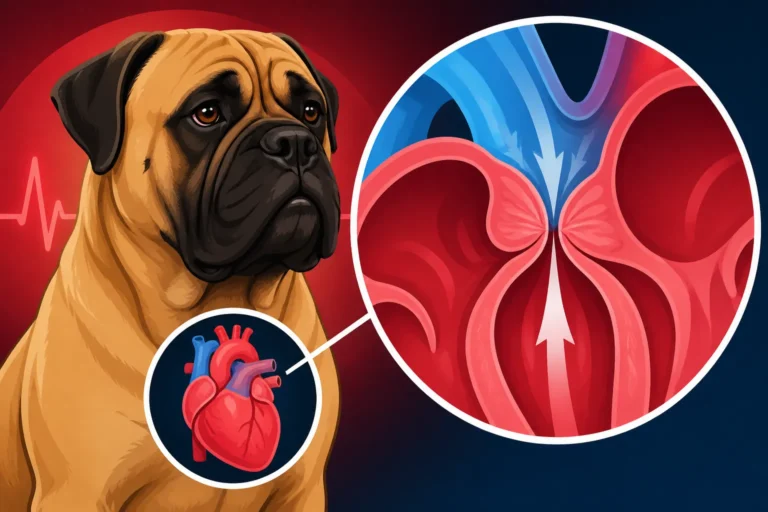
- Heart (Right Atrium): Cardiac hemangiosarcoma is equally devastating. Tumors growing on the right side of the heart can lead to fluid accumulation around the heart (pericardial effusion), restricting its ability to pump blood effectively. This can cause symptoms like lethargy, weakness, and eventually, collapse.
- Liver: Another highly vascular organ, the liver is a frequent target. Similar to splenic tumors, liver hemangiosarcomas can grow silently and rupture, leading to internal hemorrhage.
- Skin and Subcutaneous Tissue (Cutaneous and Subcutaneous): While less common internally, hemangiosarcoma can also appear on or under the skin. These are often dark red or black masses, sometimes resembling bruises or blood blisters. While potentially less immediately life-threatening than internal forms, they are still aggressive and require prompt veterinary attention to assess for internal spread. They can also appear as Mast Cell Tumors and the Lumps on a Bullmastiff often do, making visual identification alone unreliable.
- Other locations: Less commonly, hemangiosarcoma can be found in the lungs, kidneys, muscle, bone, or even the central nervous system. Its ability to appear virtually anywhere underscores the challenge of early detection.
This varied presentation makes it a truly frightening diagnosis, as the symptoms can be vague until a crisis hits.
Recognizing the Subtle Signs of Hemangiosarcoma
One of the most frustrating aspects of hemangiosarcoma is its "silent killer" reputation. Many Bullmastiff owners report that their dogs seemed fine until a sudden, catastrophic event. However, in hindsight, there were often subtle, often dismissed, clues. Learning to recognize these faint whispers can make a critical difference, especially for a breed like the Bullmastiff where Why a Bullmastiff's Lymphoma Is Found Late highlights the challenge of early cancer detection.
Early, Vague Symptoms
Before a major crisis, a Bullmastiff with internal hemangiosarcoma might show signs that could easily be attributed to aging, a minor upset stomach, or just a "dog day." It's these seemingly innocuous changes that we need to pay closest attention to.
- Lethargy and Weakness: Your normally active (for a Bullmastiff!) dog might be a bit more tired, reluctant to go for walks, or just seems "off." They might sleep more or seem less enthusiastic about playtime. This isn't just typical senior dog behavior; it could be due to chronic, low-level blood loss.
- Decreased Appetite or Pickiness: A Bullmastiff who usually cleans their bowl might start leaving food, or become unusually picky. This could indicate general malaise or discomfort.
- Pale Gums: This is a crucial sign. Healthy dog gums are typically pink. If your Bullmastiff's gums appear paler than usual, it can be a sign of anemia due to internal blood loss. This is one of those "check daily" habits that could literally save a life.
- Mild Abdominal Distension: If the tumor is in the spleen or liver and slowly bleeding, there might be a subtle swelling of the abdomen that's easily missed, especially in a large, deep-chested breed.
- Weight Loss: Unexplained weight loss, even if gradual, should always prompt a vet visit. It's a common sign across many serious illnesses, including cancer.
These symptoms, individually, might not seem alarming. But when observed together, or if they persist, they warrant immediate veterinary consultation. Don't dismiss them, especially in a Bullmastiff approaching or past middle age, generally considered around six years old, as discussed in Caring for a Bullmastiff Past Six.
Sudden, Acute Symptoms (Rupture)
This is often how internal hemangiosarcoma tragically announces itself: a sudden, life-threatening emergency. These acute symptoms are usually a result of a tumor rupturing and causing significant internal hemorrhage.
- Collapse and Sudden Weakness: Your Bullmastiff might suddenly collapse, be unable to stand, or be extremely weak. This is a direct result of rapid blood loss and plummeting blood pressure.
- Distended or Swollen Abdomen: The abdomen might become noticeably swollen and firm due to the accumulation of blood. This is often accompanied by pain when touched.
- Difficulty Breathing: Internal bleeding can put pressure on the diaphragm or lead to fluid in the chest cavity, causing labored breathing.
- Rapid Heart Rate and Shallow Breathing: The body tries to compensate for blood loss by increasing the heart rate.
- Extremely Pale Gums: In an acute crisis, the gums will be very pale, almost white, indicating severe anemia.
- Lethargy or Unresponsiveness: The dog may become extremely lethargic, disoriented, or even unresponsive.
If you observe any of these severe signs, it is an emergency. Your Bullmastiff needs immediate veterinary attention. Time is absolutely critical in these situations.
Skin (Cutaneous) Hemangiosarcoma Symptoms
While less common, hemangiosarcoma can also affect the skin. These forms are often visually identifiable, giving owners a better chance for earlier detection, though they are still aggressive.
- Lumps, Bumps, or Masses on the Skin: These can appear as single or multiple lesions. They might be firm or soft to the touch.
- Dark Red or Bluish-Black Coloration: Due to their vascular origin, these tumors often have a dark, bruised appearance. They might look like blood blisters.
- Bleeding or Ulceration: As the tumors grow, they can become fragile, bleed, or ulcerate, leading to open sores that don't heal. This can be particularly noticeable on areas with less fur, like the belly or inner thighs.
- Rapid Growth: Any new skin lump on your Bullmastiff that grows quickly or changes in appearance should be evaluated by a vet. Remember, How to Check a Bullmastiff for Lumps is a routine you should practice regularly.
Even if a skin tumor seems benign, it's vital to have your vet examine it. A needle aspirate or biopsy is necessary to determine if it's hemangiosarcoma or another type of growth, such as a benign fatty tumor or a mast cell tumor.
Diagnosis and Staging Hemangiosarcoma
Receiving any cancer diagnosis for your Bullmastiff is daunting, but with hemangiosarcoma, the speed and accuracy of diagnosis are especially critical. The diagnostic process aims not only to confirm the presence of the cancer but also to determine its extent, or stage, which is crucial for guiding treatment decisions and understanding the prognosis.
Initial Veterinary Examination and Bloodwork
When you bring your Bullmastiff to the vet with suspicious symptoms, the initial steps are a thorough physical examination and routine blood tests.
- Physical Exam: Your veterinarian will perform a comprehensive physical exam, palpating the abdomen for any masses or tenderness, checking gum color for anemia, and listening to the heart for abnormalities. If skin lesions are present, they will be carefully examined.
- Complete Blood Count (CBC): A CBC will assess red blood cell count, white blood cell count, and platelet count. Low red blood cells (anemia) are a common indicator of internal bleeding. Abnormal platelet counts can also be seen.
- Chemistry Panel: This evaluates organ function (kidney, liver) and electrolyte balance, which can be affected by illness or bleeding.
- Coagulation Profile: Blood clotting times might be checked, especially if internal bleeding is suspected, as hemangiosarcoma can sometimes interfere with normal clotting.
These initial tests provide a picture of your Bullmastiff's overall health and can point towards internal bleeding or other systemic issues that warrant further investigation. They are often part of the general Whether a Bullmastiff Needs Bloodwork Yearly recommendations anyway, so these initial costs may be familiar.
Imaging Techniques
Once suspicion of internal bleeding or a mass arises, advanced imaging is indispensable.
- Abdominal Ultrasound: This is often the go-to diagnostic tool for suspected splenic or liver hemangiosarcoma. A skilled sonographer can identify masses on these organs, assess their size, and look for free fluid (blood) in the abdomen. An abdominal ultrasound can confirm the presence of a tumor and internal bleeding, but it cannot definitively diagnose hemangiosarcoma without a biopsy. The procedure itself usually takes an hour or so, and the cost for What an Ultrasound Costs on a Bullmastiff can vary widely by region and clinic.
- Chest X-rays (Radiographs): Chest X-rays are crucial to check for metastasis to the lungs, a common site for hemangiosarcoma to spread. They can also reveal any fluid around the heart if cardiac hemangiosarcoma is suspected. Given how fast this cancer can spread, clear lungs are a hopeful sign, but unfortunately, microscopic spread may not be visible.
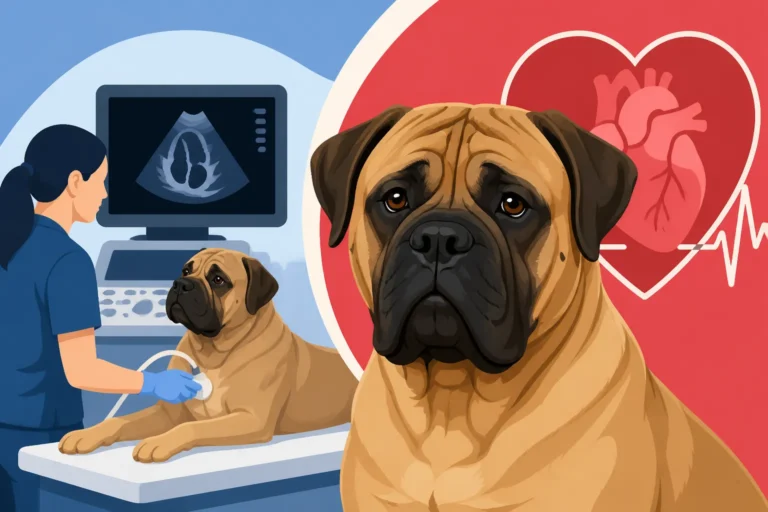
- Echocardiogram: If heart-based hemangiosarcoma is suspected (due to a murmur or symptoms of heart failure), an echocardiogram (ultrasound of the heart) is performed by a veterinary cardiologist to visualize the heart chambers, valves, and surrounding structures, including any masses.
- CT Scan/MRI: In some cases, particularly for tumors in less accessible areas or to get a more detailed view of internal structures and potential spread, a CT scan or MRI might be recommended. These provide incredibly detailed cross-sectional images.
Biopsy and Histopathology
While imaging can pinpoint a mass, only a biopsy followed by histopathology (microscopic examination of tissue) can provide a definitive diagnosis of hemangiosarcoma.
- Fine Needle Aspirate (FNA): For superficial skin masses, an FNA might be performed, where cells are drawn out with a needle and examined under a microscope. However, due to the bloody nature of hemangiosarcoma, FNAs are often not definitive for internal tumors, as they can mostly collect blood rather than diagnostic cells.
- Surgical Biopsy: For internal tumors, a surgical biopsy is often necessary. This might involve removing a portion of the tumor or, in the case of a splenic mass, performing a full splenectomy (removal of the spleen). This is often done at the same time as exploratory surgery if internal bleeding is present. The tissue is then sent to a veterinary pathologist for analysis. The pathologist confirms the type of cancer and its grade, providing crucial information.
Staging the Disease
Once hemangiosarcoma is diagnosed, staging is the process of determining if and where the cancer has spread. This is a critical step in deciding the most appropriate course of action, as outlined in What Staging a Bullmastiff's Lymphoma Involves for another common Bullmastiff cancer. Hemangiosarcoma is categorized into three stages:
- Stage I: A localized tumor without rupture or evidence of metastasis. This is rarely seen due to the silent nature of the disease.
- Stage II: A localized tumor that has ruptured, or a tumor with evidence of microscopic metastasis.
- Stage III: A tumor with gross evidence of metastasis (visible spread) to distant sites like the lungs, liver, or other organs.
Staging usually involves a combination of chest X-rays, abdominal ultrasound, and potentially other imaging or diagnostics like lymph node aspirates if suspicious lymph nodes are found. The stage profoundly impacts the prognosis and treatment recommendations.
Treatment Options and Prognosis
Discovering your Bullmastiff has hemangiosarcoma can feel like a punch to the gut. The prognosis is often guarded, but understanding the available treatment options can help you make informed decisions for your cherished companion. This is where having a robust pet insurance plan, perhaps from a provider like Healthy Paws, can be an absolute lifesaver, allowing you to focus on care rather than insurmountable vet bills.
Surgical Intervention
Surgery is the cornerstone of treatment for many forms of hemangiosarcoma, especially when the primary tumor is in an accessible location like the spleen or a subcutaneous area.
- Splenectomy (Spleen Removal): If the tumor is on the spleen and has not overtly spread, removing the entire spleen (splenectomy) is often the first line of defense. This procedure can be life-saving, particularly if the tumor has ruptured and is causing acute bleeding. While Bullmastiffs can live without their spleen, it's a major surgery that comes with risks. After spleen removal, the tissue is sent for histopathology to confirm the diagnosis and assess tumor margins. Even if surgery is successful in removing the visible tumor, the likelihood of microscopic cells having already spread is high, which brings us to the next step.
- Tumor Removal (Other Sites): For cutaneous or subcutaneous hemangiosarcomas, surgical removal with wide margins is crucial to try and get all cancerous cells. For liver tumors, partial liver lobectomy may be an option, but often more challenging due to the liver's role and structure. Heart tumors are often inoperable due to their location and delicate nature.
Surgery provides immediate relief from bleeding and removes the primary mass, but it is rarely a cure for internal hemangiosarcoma due to its aggressive metastatic nature.
Chemotherapy
Chemotherapy is almost always recommended after surgical removal of internal hemangiosarcoma, even if no visible spread was found during surgery. The goal of chemotherapy is to target and destroy any microscopic cancer cells that have already spread throughout the body, delaying recurrence and improving survival times.
- Common Protocols: The most common chemotherapy drug used for hemangiosarcoma is Doxorubicin, often in combination with other drugs like Cyclophosphamide or Vincristine. These protocols aim to maximize efficacy while minimizing side effects.
- Effectiveness: While chemotherapy is not a cure, it can significantly extend the median survival time for dogs with hemangiosarcoma. For example, dogs undergoing splenectomy alone might only live 1-3 months, but with the addition of chemotherapy, survival can be extended to 4-7 months, or even longer in some cases.
- Side Effects: Like in humans, chemotherapy in dogs can have side effects, but they are generally less severe. Common side effects include mild nausea, vomiting, diarrhea, or temporary suppression of bone marrow (leading to low white blood cell counts). Most Bullmastiffs tolerate chemotherapy quite well, as noted in How a Bullmastiff Tolerates Chemotherapy. Your veterinary oncologist will monitor your dog closely and adjust treatments as needed. The cost of chemotherapy can be significant, making options like pet insurance, for example, from Healthy Paws, an important consideration.
Palliative Care and Comfort Measures
When curative options are no longer viable, or if an owner chooses not to pursue aggressive treatments, palliative care becomes paramount. The focus shifts entirely to maintaining the Bullmastiff's comfort and quality of life for as long as possible.
- Pain Management: Hemangiosarcoma can be painful, especially if tumors are large or pressing on organs. Medications like NSAIDs, gabapentin, or even stronger opioids might be used to keep your dog comfortable.
- Steroids (Prednisone): Prednisone can temporarily reduce inflammation, improve appetite, and provide a sense of well-being, though it is not a direct anti-cancer treatment. It might be used alone in cases where chemotherapy is not an option, but its effect is generally short-lived, as described in Whether Prednisone Alone Helps a Bullmastiff.
- Anemia Management: If chronic bleeding leads to severe anemia, blood transfusions might be considered to provide temporary relief and improve energy levels.
- Nutritional Support: Ensuring your Bullmastiff continues to eat is crucial. This might involve appetite stimulants or offering highly palatable foods.
- Monitoring and Support: Regular check-ups with your vet to monitor symptoms and adjust medications are vital. Providing a comfortable, warm, and quiet environment at home helps immensely. This kind of dedicated care, though not curative, can significantly enhance your Bullmastiff's remaining time, and understanding What Palliative Care Costs for a Bullmastiff is an important part of the financial planning.
Prognosis and Realistic Expectations
This is the hardest part for any Bullmastiff owner to hear: the prognosis for hemangiosarcoma is generally poor, reflecting the cancer's aggressive nature and tendency to spread rapidly.
- Short Survival Times: For internal hemangiosarcoma (spleen or heart), even with aggressive treatment combining surgery and chemotherapy, the median survival time is typically only 4-7 months. Some dogs may exceed this, but many do not.
- Impact of Location and Stage: Tumors on the heart generally have a poorer prognosis than those on the spleen. Higher stages (with visible metastasis) also significantly shorten survival. Cutaneous hemangiosarcomas, if caught very early and removed with wide margins before internal spread, can sometimes have a better prognosis, but even these can be aggressive.
- Quality of Life Focus: Given the limited lifespan post-diagnosis, the focus often shifts from cure to maximizing quality of life. This means making decisions that prioritize your Bullmastiff's comfort and happiness, even if it means foregoing more aggressive treatments with severe side effects. The short lifespan of Bullmastiffs, with The Median Bullmastiff Lives Eight and a Half Years, means that diseases that strike in middle age or senior years can feel particularly unfair and abrupt.
It's a devastating reality, but with dedicated veterinary care and unwavering love, you can provide your Bullmastiff with comfort and dignity through their journey. Having financial support from a company like Healthy Paws can truly make a difference in your ability to pursue every possible treatment avenue without added financial stress during an already emotionally taxing time.
Here's a quick overview of common locations and typical outcomes:
| Location of Tumor | Common Initial Signs | Typical Treatment Approach | Median Survival Time (Approximate) |
|---|---|---|---|
| Spleen | Lethargy, weakness, pale gums, sudden collapse | Splenectomy + Chemotherapy | 4-7 months |
| Heart (Right Atrium) | Weakness, lethargy, difficulty breathing, collapse | Often palliative (medication), sometimes surgery if feasible | 1-3 months (less with rupture) |
| Liver | Similar to spleen; abdominal distension, lethargy | Surgery (if possible) + Chemotherapy | 2-6 months |
| Skin/Subcutaneous | Dark red/black lumps, bleeding, rapid growth | Wide surgical excision + (sometimes) Chemotherapy | 6-12+ months (if no metastasis) |
Considering the Financial Realities
The cost of diagnosing and treating hemangiosarcoma can be staggering. From emergency visits, diagnostics like ultrasounds and X-rays (see What a Bullmastiff's Cancer Workup Costs), to surgery and months of chemotherapy, the bills can quickly accumulate. This is precisely why many Bullmastiff owners find peace of mind in pet insurance. A comprehensive plan, perhaps from a provider like Healthy Paws, can cover a significant portion of these costs, allowing you to prioritize your dog's health without the added stress of financial strain. It allows you to say "yes" to necessary treatments without hesitation, knowing you're supported.
No one ever wants to face a hemangiosarcoma diagnosis, especially with a beloved Bullmastiff. While the prognosis is challenging, arming yourself with knowledge and understanding the treatment options available can help you advocate for your dog and provide them with the best possible care during this difficult journey.
Disclaimer
Please remember that the information provided in this guide is for informational purposes only and does not constitute veterinary medical advice. Always consult with a qualified veterinarian for any health concerns or before making any decisions about your Bullmastiff's medical care. Every dog's situation is unique, and personalized advice from a professional is essential.