Hypothyroidism in a Bullmastiff
It’s incredibly disheartening when your beloved Bullmastiff starts showing subtle changes that just don't feel right, but you can’t quite put your finger on what’s wrong. Maybe they're gaining weight despite no change in diet, their beautiful coat looks dull, or they seem a little less enthusiastic about their morning walk. These vague symptoms can be incredibly frustrating to pinpoint, leaving you worried and searching for answers. This comprehensive guide will walk you through everything you need to know about hypothyroidism in Bullmastiffs, from understanding what it is and recognizing its signs to navigating diagnosis, treatment, and long-term care, helping you advocate effectively for your gentle giant.
Understanding Hypothyroidism in Bullmastiffs
Hypothyroidism is one of the most common endocrine disorders affecting dogs, and unfortunately, our big, beautiful Bullmastiffs are among the breeds particularly susceptible to it. Essentially, it means your dog's thyroid gland isn't producing enough thyroid hormone. This hormone, primarily thyroxine (T4), is like the master regulator of metabolism for every cell in their body. When levels drop, everything slows down, leading to a cascade of often confusing and varied symptoms that can be tough to connect to a single cause. It’s not just about a dog being a bit chunky; it’s a systemic issue that impacts everything from their energy levels to their skin health.
The Thyroid Gland and Its Role
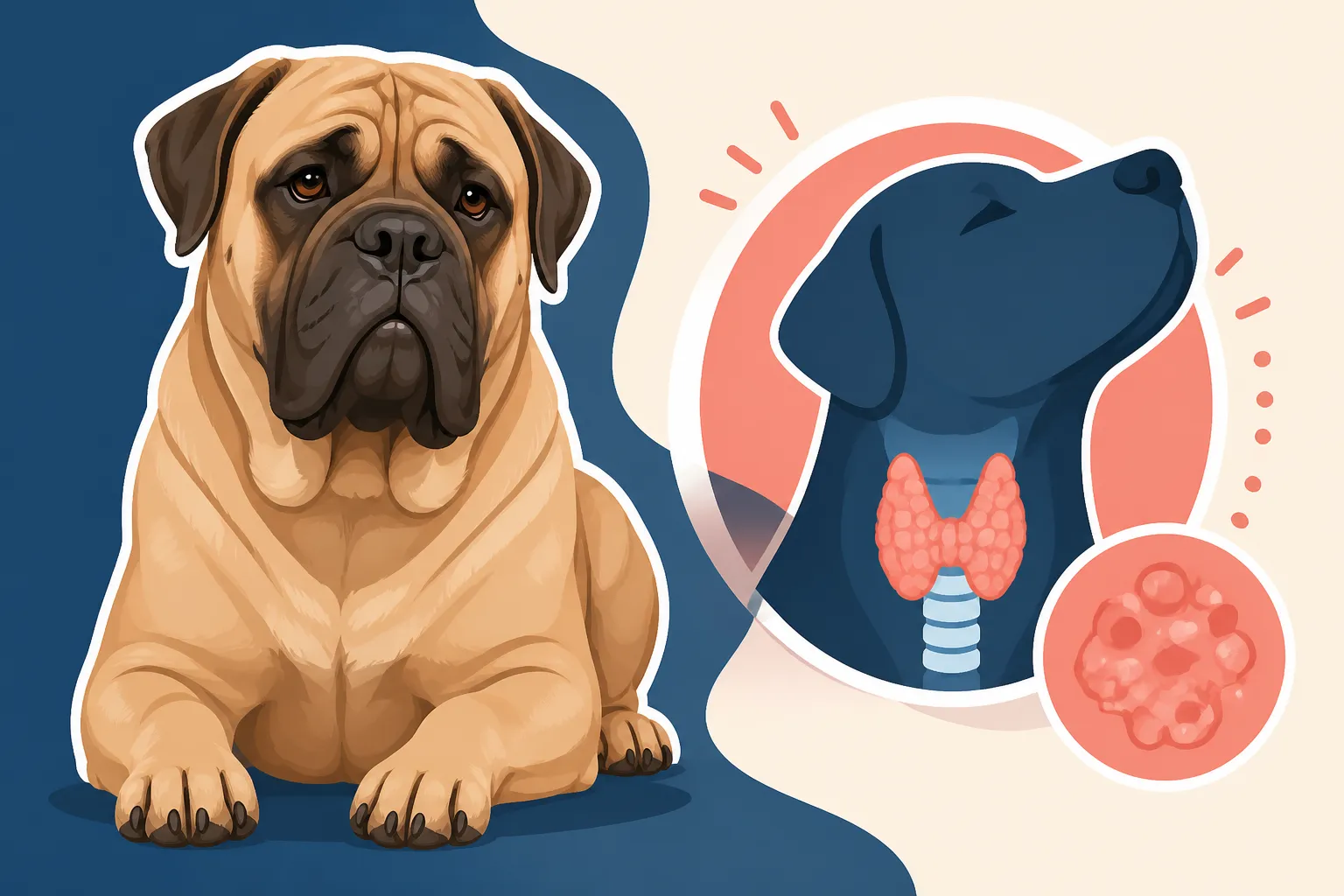
To really grasp hypothyroidism, it helps to understand the thyroid gland itself. Imagine two tiny, butterfly-shaped glands nestled in your Bullmastiff's neck, just below their voice box. These aren't just decorative; they are powerhouses. They produce two main hormones, thyroxine (T4) and triiodothyronine (T3), which are vital for regulating your dog's metabolism. Think of these hormones as the throttle on a car engine – they control how fast or slow a Bullmastiff's body converts food into energy, how quickly cells grow and repair, and even how their heart beats. Without enough of these hormones, every bodily function can become sluggish, much like a car sputtering along on too little fuel. This metabolic slowdown is what ultimately causes the wide range of clinical signs we see in hypothyroid dogs.
Why Bullmastiffs Are Prone to This Condition
It’s a sad reality that some breeds carry a higher genetic predisposition to certain health issues, and for Bullmastiffs, hypothyroidism is one of them. While not every Bullmastiff will develop it, their genetic makeup puts them at an elevated risk compared to many other breeds. The exact genetic markers are still a subject of ongoing research, but it’s widely accepted in veterinary circles that the breed has a strong inherited component. This means that if your Bullmastiff comes from a line where hypothyroidism has been prevalent, their chances of developing it are significantly higher. This isn't a reflection of poor breeding in all cases, but rather a characteristic that has unfortunately become somewhat entrenched in the breed's genetic blueprint over generations. Responsible breeders will often track thyroid health in their lines and be transparent about any history of the condition.
Autoimmune Thyroiditis: The Most Common Culprit
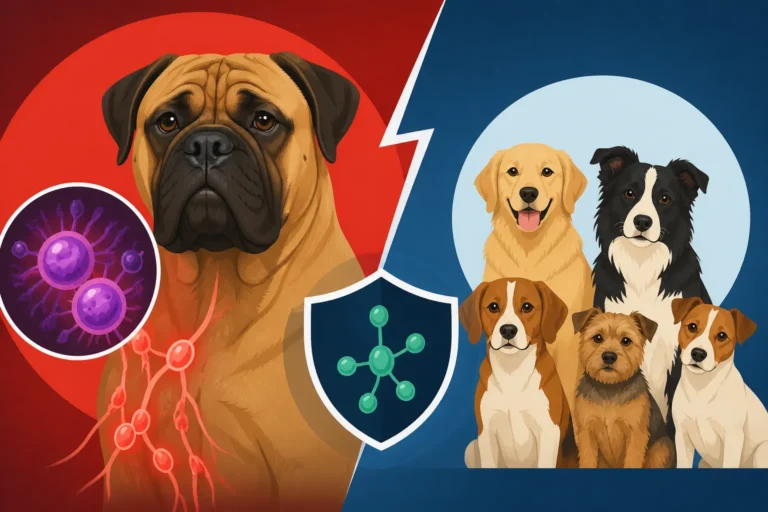
In the vast majority of hypothyroid Bullmastiffs, the underlying cause isn't just a mysteriously failing gland; it's an autoimmune disease called lymphocytic thyroiditis, often just referred to as autoimmune thyroiditis. This condition is essentially the body turning on itself. For reasons not fully understood, the immune system mistakenly identifies the thyroid gland as a foreign invader and begins to attack and destroy its cells. Over time, as more and more thyroid tissue is damaged, the gland loses its ability to produce adequate levels of T4 and T3. This destructive process can be slow and insidious, sometimes taking months or even years to manifest with noticeable clinical signs, which is why early detection can be so challenging. Less commonly, hypothyroidism can be due to idiopathic atrophy, where the gland simply shrinks for no apparent reason, or very rarely, a tumor.
Recognizing the Subtle Signs of Hypothyroidism
One of the most frustrating aspects of hypothyroidism in Bullmastiffs is how subtly it often begins. You might notice a slight dip in energy, a bit of weight creep, or a coat that just doesn't shine like it used to. These aren't usually sudden, dramatic changes, but rather a slow, creeping accumulation of symptoms that can easily be mistaken for normal aging or just a "lazy day." It’s this gradual onset that makes it so difficult for owners to pinpoint the problem and often leads to delays in diagnosis. As observant owners, it's crucial to pay close attention to any changes, no matter how minor they seem, because early recognition can make a significant difference in managing the condition and improving your Bullmastiff's quality of life. Owners might initially dismiss these signs, thinking perhaps their "Bullmastiff is slowing down with age" or simply being "more sedentary."
Physical Changes: Beyond Just Weight Gain
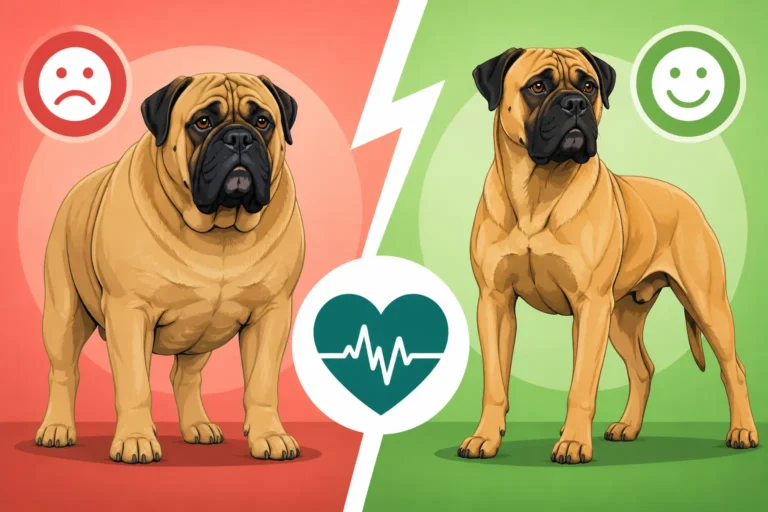
While weight gain is one of the classic signs of hypothyroidism, it’s far from the only physical manifestation, and it often occurs even without an increase in food intake. You might notice your Bullmastiff becoming distinctly pudgier, especially around the chest and belly, even if you’ve been diligent about keeping your Bullmastiff lean. But look beyond just the scales. Many owners report that their dogs seem unusually cold-sensitive, seeking out warm spots more often, or even shivering in temperatures that previously didn't bother them. Their heart rate might also be noticeably slower than usual, a symptom a vet can pick up during a routine examination. Some Bullmastiffs might develop a "tragic" or droopy facial expression, due to changes in muscle tone, or even swelling in the face or limbs. These are all indicators that their body's internal thermostat and metabolic processes are out of whack.
Another common physical sign, often overlooked, is a general lethargy or reduced activity level. Your previously playful Bullmastiff might be less interested in walks or even short romps in the yard, preferring to nap more frequently. This isn't just "laziness"; it's a genuine lack of metabolic energy. They might struggle to rise or move around, not due to joint pain directly, but because their muscles are simply not functioning at full capacity. This can be particularly confusing since so many Bullmastiffs naturally have a calm disposition. Owners might also notice signs a Bullmastiff's thyroid has failed, such as unexplained weakness or an intolerance to exercise that was once routine.
Behavioral Shifts and Mental Dullness
Hypothyroidism isn't just a physical ailment; it can profoundly affect a Bullmastiff's mental state and behavior, which can be one of the most distressing changes for owners. You might observe a subtle "dulling" of their personality. They may seem less alert, less responsive to commands, and generally less engaged with their surroundings or family interactions. Their once keen intelligence might appear diminished, making them seem more stubborn or forgetful during training sessions. This isn't because they're being difficult; it's a genuine cognitive slowdown due to the metabolic impact on brain function.
Some Bullmastiffs might also exhibit increased anxiety, irritability, or even aggression in situations where they were previously calm and confident. A gentle giant might become surprisingly reactive or easily startled. This change in temperament can be particularly alarming and often leads owners to seek behavioral consultations before the underlying medical cause is identified. It's a testament to how deeply interwoven physical health and mental well-being are, especially in a breed known for its stable temperament. If you've noticed your Bullmastiff becoming uncharacteristically withdrawn or short-tempered, it's definitely something to discuss with your vet.
Skin and Coat Woes: The Silent Telltales
The skin and coat are often the most telling indicators of hypothyroidism, though these signs can also be insidious. One of the most common issues is a dull, dry, and brittle coat that lacks its usual luster. You might also notice increased shedding, or areas of thinning hair, particularly on the flanks, tail, and neck, which often appears symmetrical. This isn't just cosmetic; the hair might be slow to regrow after clipping, or never fully grow back. In some cases, the coat might even feel unusually coarse to the touch.
Beyond the hair itself, the skin can also suffer. Bullmastiffs might develop recurrent skin infections, often bacterial or yeast-related, due to a compromised immune system and changes in skin health. Their skin might become flaky, excessively oily, or develop hyperpigmentation – a darkening of the skin, especially in friction areas like the armpits and groin. These issues are often accompanied by intense itching, leading to more scratching, licking, and secondary infections. If your Bullmastiff is battling persistent skin allergies in a Bullmastiff or ear infections that just won’t clear up, despite various treatments, it's worth asking your vet to consider a thyroid check. A tell-tale sign is often a "rat tail" – a sparsely haired tail that looks thin and bare.
The Diagnostic Journey: Unraveling the Mystery
Diagnosing hypothyroidism in a Bullmastiff isn't always a straightforward "yes" or "no" answer based on a single blood test. Because the symptoms can be so varied and mimic other conditions, and because certain medications or non-thyroidal illnesses can affect thyroid hormone levels, your veterinarian will often need to take a comprehensive approach. This journey can sometimes feel frustrating, requiring multiple tests and careful interpretation, but it's essential to get an accurate diagnosis to ensure your Bullmastiff receives the correct treatment. It's not uncommon for owners to feel a sense of relief when they finally get an answer after months of puzzling symptoms.
Initial Suspicions and Veterinary Consultation
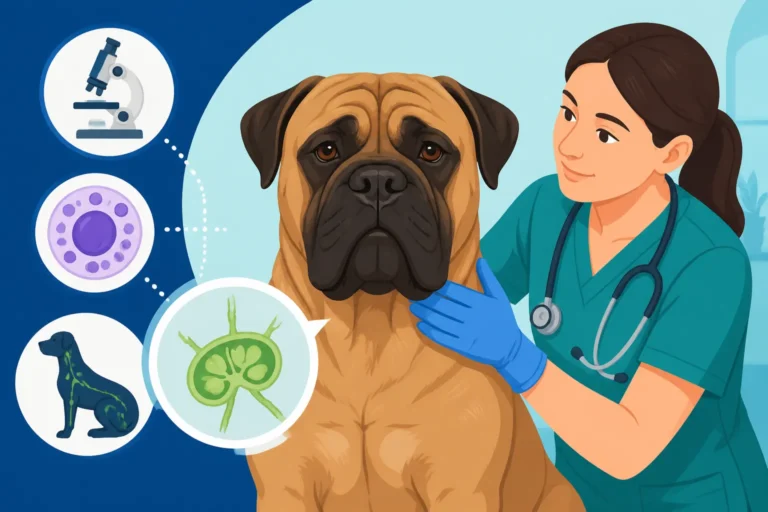
The diagnostic process usually begins with your observations as the owner, coupled with your vet’s clinical examination. If you've noticed a combination of the physical or behavioral changes mentioned above – lethargy, weight gain, dull coat, skin issues, or a personality shift – it's crucial to share these detailed observations with your veterinarian. During the physical exam, your vet will look for classic signs like a slow heart rate (bradycardia), low body temperature, changes in skin and coat quality, and any signs of obesity. They will also rule out other conditions that might present similarly, such as heart disease, kidney disease, or other metabolic disorders. This initial consultation is vital, as it frames the entire diagnostic approach and helps your vet decide which tests are most appropriate. Don't be shy about listing every minor change you've noticed; sometimes the smallest detail can be the biggest clue.
Comprehensive Blood Work: TSH, T4, and Free T4
Once hypothyroidism is suspected, the next step is usually a series of blood tests. The primary test measures total T4 (thyroxine) levels in the blood. A low T4 level is a strong indicator, but it’s not always definitive on its own. Other factors, like certain medications (steroids, sulfa antibiotics) or severe non-thyroidal illnesses, can temporarily suppress T4 levels, leading to what’s called "euthyroid sick syndrome." Therefore, your vet will often recommend additional tests to get a clearer picture.
One of the most important follow-up tests is canine TSH (Thyroid Stimulating Hormone). In dogs with primary hypothyroidism (the most common form), the pituitary gland tries to compensate for the underactive thyroid by releasing more TSH, signaling the thyroid to produce more hormone. So, a low T4 combined with a high TSH is a classic diagnostic pattern for hypothyroidism. However, not all hypothyroid dogs will have an elevated TSH, particularly in the early stages, making interpretation tricky. This is why a thorough thyroid panel is crucial to effectively determine how a Bullmastiff's lymphoma is diagnosed.
The Importance of a Full Thyroid Panel
To overcome the limitations of individual tests, your vet might recommend a full thyroid panel, which often includes total T4, free T4 (fT4), and TSH. Free T4 is particularly valuable because it measures the unbound, biologically active form of thyroxine, which is less affected by non-thyroidal illnesses or medications than total T4. Some advanced panels also include autoantibodies against thyroglobulin (TgAA). If these autoantibodies are present, it strongly suggests autoimmune thyroiditis, even if the thyroid hormone levels are still within the low-normal range. This is often the earliest indicator that the immune system is attacking the thyroid.
A comprehensive thyroid panel provides the most complete picture and helps differentiate true hypothyroidism from other conditions that might mimic it. It also helps detect subclinical hypothyroidism, where the gland is under attack but not yet severely dysfunctional. Because Bullmastiffs are a high-risk breed, your vet might even recommend when a Bullmastiff's thyroid should be tested, even if symptoms are mild, especially if there's a family history. Getting a clear, accurate diagnosis ensures that you don't unnecessarily medicate your dog or miss the opportunity to address another underlying health issue.
Managing Hypothyroidism: Lifelong Treatment and Care
Receiving a diagnosis of hypothyroidism can feel overwhelming at first, but the good news is that it is a highly manageable condition. Unlike some other chronic diseases, treating hypothyroidism is relatively straightforward, though it does require a lifelong commitment to medication and regular monitoring. The primary goal of treatment is to replace the missing thyroid hormone, bringing your Bullmastiff's metabolism back into balance and alleviating their symptoms. This isn't a cure, but it effectively manages the condition, allowing your Bullmastiff to live a full and healthy life.
The Role of Thyroid Hormone Replacement Medication
The cornerstone of treatment for hypothyroidism is daily oral medication, typically a synthetic form of levothyroxine, which is essentially synthetic T4. This medication acts exactly like the natural hormone your Bullmastiff's thyroid gland would normally produce. It’s given as a tablet, usually once or twice a day, depending on your vet’s recommendations and your dog’s specific needs. It's incredibly important to administer the medication consistently at the same time each day, ideally on an empty stomach, about 30-60 minutes before food, to ensure optimal absorption. Missing doses or giving it inconsistently can lead to fluctuating hormone levels and less effective management of symptoms. Your vet will prescribe a starting dose based on your Bullmastiff’s weight and the severity of their condition.
Many owners are initially concerned about giving their large dog medication for the rest of their life, but most Bullmastiffs tolerate levothyroxine extremely well with virtually no side effects when properly dosed. This medication simply replaces a naturally occurring hormone, so it’s not adding anything unnatural to their system. The biggest challenge often lies in remembering daily doses and ensuring your Bullmastiff takes their pill, which can sometimes be hidden in a treat or a small amount of food if necessary.
Adjusting Dosage and Monitoring Progress
Finding the perfect dose of levothyroxine is often a process of careful adjustment. Your vet will typically schedule a recheck blood test about 4-8 weeks after starting medication to evaluate how your Bullmastiff is responding. This test measures the T4 levels approximately 4-6 hours after their morning pill (the "peak" level), as well as TSH levels. The goal is to get the T4 levels into the upper half of the normal reference range, and the TSH levels to normalize. Based on these results, your vet will either maintain the current dose, increase it, or in some cases, slightly decrease it if levels are too high.
This monitoring phase is crucial to prevent both under-dosing (where symptoms might persist) and over-dosing (which can lead to hyperthyroidism, characterized by restlessness, increased thirst, and weight loss). Once a stable dose is achieved and your Bullmastiff's symptoms have significantly improved, follow-up blood tests are usually recommended every 6-12 months, or sooner if new symptoms arise. It’s a bit of a dance, but your vet will guide you through each step to ensure your Bullmastiff receives the optimal treatment. This careful titration is key to understanding whether thyroid medication is lifelong for a Bullmastiff and how to manage it.
What to Expect During the Initial Weeks of Treatment
Once your Bullmastiff starts thyroid hormone replacement, you should begin to see improvements, though not all symptoms will resolve at the same rate. Often, the first changes you’ll notice are an increase in energy and a brighter, more alert demeanor, typically within a week or two. Your Bullmastiff might seem more enthusiastic about walks and playing, and their overall activity level will pick up. Behavioral improvements, such as reduced anxiety or irritability, often follow soon after.
Physical changes, especially those related to the skin and coat, tend to take longer. Hair regrowth can be a slow process, sometimes taking several months to become fully noticeable, as new hair follicles need to grow in. Skin issues, like dryness or recurrent infections, should gradually improve as their immune system strengthens and skin metabolism normalizes. Weight loss, if your Bullmastiff was overweight, will also be gradual and will be aided by a healthy diet and increased activity. It's important to be patient and remember that it took time for the condition to develop, and it will take time for your Bullmastiff's body to fully rebalance. Celebrate the small victories, like a renewed spark in their eyes or a wagging tail that seems a little more energetic.
Living with a Hypothyroid Bullmastiff: Long-Term Outlook
Life with a Bullmastiff diagnosed with hypothyroidism doesn't have to be dramatically different from life with a healthy one, once the condition is properly managed. With consistent medication and regular veterinary oversight, most Bullmastiffs lead completely normal, happy, and long lives. The key is understanding that this is a chronic condition, similar to diabetes in humans, requiring ongoing commitment. It's about integrating their medication and health monitoring into your daily routine, much like you already do for their food, exercise, and affection.
Maintaining a Healthy Weight and Diet
Even with thyroid medication, maintaining a healthy weight remains critical for your Bullmastiff. While the medication helps why a hypothyroid Bullmastiff gains weight, it's still possible for them to become overweight if their diet and exercise aren't properly managed. Work with your vet to determine the ideal caloric intake for your now-metabolically-balanced Bullmastiff, taking into account their age, activity level, and any other health conditions. Opt for high-quality large breed dog food that provides balanced nutrition.
Regular, moderate exercise remains important, not just for weight management but also for overall physical and mental well-being. Daily walks, supervised playtime in a secure yard, or even mental stimulation games can contribute significantly. Remember, a Bullmastiff should not grow fast as a puppy, and the principle of slow and steady growth extends to maintaining a healthy adult weight. Keeping them lean will not only help manage their hypothyroidism but also protect their joints and contribute to their overall longevity.
Regular Veterinary Check-ups and Blood Tests
Regular veterinary check-ups are paramount for a Bullmastiff with hypothyroidism. After the initial stabilization phase, your vet will typically recommend blood tests every 6 to 12 months to ensure the medication dosage remains appropriate. These tests allow your vet to monitor T4 and TSH levels and make any necessary adjustments. It’s also an opportunity to discuss any new or recurring symptoms you might be observing, or any concerns about their overall health.
Beyond thyroid monitoring, these visits are essential for addressing other age-related issues or potential complications. As Bullmastiffs enter their senior years, around six years of age, their needs change. Regular check-ups help with caring for a Bullmastiff past six, including managing arthritis, dental health, and screening for other conditions common in the breed. Your vet will also likely recommend how often a Bullmastiff needs a wellness exam and whether a Bullmastiff needs bloodwork yearly to catch any other developing issues early, ensuring your gentle giant receives comprehensive care throughout their life.
Potential Complications and What to Watch For
While treatment for hypothyroidism is generally very successful, it's wise to be aware of potential complications, though they are rare with proper management. The biggest concern is either insufficient dosing, leading to a recurrence of symptoms, or over-dosing, which can induce iatrogenic hyperthyroidism. Symptoms of hyperthyroidism include increased thirst and urination, restlessness, excessive panting, and unexplained weight loss despite a good appetite. If you notice any of these signs, contact your vet immediately, as their medication dose will need to be adjusted.
In very rare and severe, untreated cases of long-term hypothyroidism, a condition called myxedema coma can occur, which is a life-threatening emergency characterized by severe lethargy, weakness, low body temperature, and collapse. This is almost exclusively seen in undiagnosed or severely non-compliant cases and is highly unlikely if your Bullmastiff is receiving consistent treatment. Maintaining open communication with your veterinarian and promptly reporting any changes in your Bullmastiff’s health or behavior will ensure you can address any concerns quickly and effectively.
Debunking Myths and Common Misconceptions
When dealing with any chronic health condition in your beloved pet, it's easy to get caught up in misinformation, especially with the sheer volume of advice available online. Hypothyroidism in Bullmastiffs is no exception, and there are several myths and misconceptions that can lead to confusion or even hinder proper treatment. As responsible Bullmastiff owners, it's important to separate fact from fiction and rely on evidence-based information from your veterinarian. Let's clear up some common misunderstandings.
Diet and Hypothyroidism: What Really Helps
A widespread misconception is that a special diet can cure or significantly manage hypothyroidism without medication. While nutrition plays a vital role in overall health, and feeding a high-quality, balanced diet is always recommended for your Bullmastiff, no specific food, supplement, or "thyroid diet" can replace the need for synthetic thyroid hormone. Some owners explore raw feeding a Bullmastiff or grain-free diets, believing they will naturally support thyroid function. While there might be individual benefits to certain diets for overall well-being or specific allergies, they do not provide the essential hormones that a failing thyroid gland cannot produce.
What a proper diet can do, however, is support overall health, aid in weight management, and provide essential nutrients for skin and coat health, which might be compromised by hypothyroidism. For example, ensuring adequate omega-3 fatty acids might help with skin and coat quality. But it's crucial to understand that diet is complementary to, not a replacement for, prescription medication. Discuss any dietary changes or supplements with your vet to ensure they don't interact negatively with your Bullmastiff's medication or exacerbate other health issues.
Genetic Predisposition vs. Environmental Factors
Another common myth revolves around the cause of hypothyroidism. While it’s true that Bullmastiffs have a strong genetic predisposition, meaning it's often inherited, this doesn't mean environmental factors play no role. However, the idea that specific environmental toxins or singular events cause hypothyroidism in genetically predisposed dogs is largely unproven. Autoimmune thyroiditis, the primary cause in Bullmastiffs, is a complex interaction of genetics and potentially unknown environmental triggers, but it's not typically something that could have been easily prevented by avoiding a single factor.
Similarly, there are often discussions around whether early neutering affects a Bullmastiff's cancer risk or other endocrine issues. While the timing of spaying/neutering has been linked to other health outcomes in large breeds, its direct causal link to hypothyroidism in Bullmastiffs isn't definitively established as a primary factor influencing whether a dog with genetic susceptibility develops the condition. The most significant factor remains the inherited predisposition. If your Bullmastiff comes from a line with a history of hypothyroidism, regular screening from a young age might be more beneficial than trying to control a multitude of environmental variables.
Hypothyroidism and Other Health Issues in Bullmastiffs
Sometimes owners incorrectly attribute all their Bullmastiff’s health issues to hypothyroidism, or conversely, assume that because their Bullmastiff has one chronic condition, they can't possibly have another. It's important to remember that Bullmastiffs, unfortunately, are prone to several health challenges. While hypothyroidism can cause a range of symptoms, not every issue your Bullmastiff experiences will be related to it. For example, if your Bullmastiff struggles to rise, it could be due to pain from hip dysplasia in a Bullmastiff or arthritis, rather than just lethargy from low thyroid.
It's also not uncommon for Bullmastiffs to develop multiple health issues over their lifespan. A Bullmastiff can have hypothyroidism and also develop mast cell tumors and the lumps on a Bullmastiff, or other conditions such as dilated cardiomyopathy in a Bullmastiff, which affects the heart. Therefore, it's vital that your veterinarian continues to perform thorough examinations and diagnostic tests for any new or unexplained symptoms, rather than simply assuming they are residual effects of hypothyroidism. A holistic approach to your Bullmastiff's health, considering all potential factors, is always the best path forward.
The Financial Realities of Managing Hypothyroidism
Let's be realistic: owning a Bullmastiff comes with significant financial responsibilities, and adding a chronic condition like hypothyroidism to the mix can certainly amplify those costs. While managing hypothyroidism isn't as astronomically expensive as, say, chemotherapy for lymphoma, it's a lifelong commitment that does add up over time. Understanding the financial realities upfront can help you budget appropriately and ensure your Bullmastiff receives consistent, uninterrupted care. This isn't about scaring you, but rather preparing you for the commitment involved.
Cost of Diagnosis and Initial Medications
The initial diagnostic phase can be the most expensive part of managing hypothyroidism. A comprehensive thyroid panel, including T4, free T4, and TSH, can range from $150 to $400 or more, depending on your geographic location and the specific lab used. If your vet needs to run additional tests to rule out other conditions, such as a complete blood count (CBC) or chemistry panel, those will add to the initial bill. An initial vet consultation, of course, is also a factor.
Once diagnosed, the cost of the initial course of medication will depend on your Bullmastiff's weight (larger dogs need higher doses) and the specific formulation prescribed. For a large Bullmastiff, a month's supply of levothyroxine can range from $20 to $60, sometimes more for higher doses or specific brands. This first round of medication is usually followed by a recheck blood test within 4-8 weeks, which adds another $150-$400 for the blood work alone, plus the consultation fee for your vet to interpret the results and adjust the dosage. These initial costs can feel like a punch to the gut, but remember, this is about setting your Bullmastiff up for long-term health.
Ongoing Medication and Monitoring Expenses
After the initial diagnostic and stabilization phase, the costs settle into a more predictable routine. The primary ongoing expense will be the levothyroxine medication itself. Given that a Bullmastiff typically needs a higher dose due to their significant weight, the monthly cost of medication will be on the higher end of the spectrum for canine thyroid treatment. You can often purchase medication in larger quantities (e.g., a 3-month supply) from your vet or through online pharmacies to potentially save money, but always ensure you're using a reputable source.
Beyond daily medication, regular monitoring blood tests are essential, usually every 6-12 months once the condition is stable. Each of these follow-up blood tests, combined with a vet consultation, can cost between $150 and $400. Over the lifespan of your Bullmastiff, these annual or semi-annual checks and medication refills definitely add up. This makes understanding what a Bullmastiff's medication costs by weight crucial for financial planning. It's a testament to the fact that while a Bullmastiff's bills come early, they also continue consistently throughout their life.
The Value of Pet Insurance for Chronic Conditions
This is where pet insurance can truly shine, especially for a breed like the Bullmastiff that is prone to several chronic health issues. While pet insurance won't cover pre-existing conditions (meaning if your Bullmastiff is diagnosed with hypothyroidism before you get insurance, it likely won't be covered), if you enroll your Bullmastiff as a puppy, a good policy can provide invaluable financial relief. Many reputable providers, such as Healthy Paws, offer comprehensive plans that cover chronic conditions like hypothyroidism, including the ongoing costs of medication and diagnostic testing, once your waiting period is over and the condition is not considered pre-existing.
When choosing a policy, it's essential to understand the terms: look at deductibles, reimbursement percentages (e.g., 80%, 90%), and annual limits. A higher annual limit is often advisable for Bullmastiffs given their propensity for chronic health concerns. While what insuring a Bullmastiff costs a month might seem like another recurring expense, it can prevent significant financial strain down the line, particularly if your Bullmastiff develops multiple health challenges over their lifetime. It’s an investment in peace of mind, knowing you won't have to choose between your Bullmastiff's health and your wallet. Checking whether insurance covers a Bullmastiff's chemotherapy or other major illnesses is also a good indicator of the breadth of their coverage.
Disclaimer
This article is intended for informational purposes only and is not a substitute for professional veterinary advice, diagnosis, or treatment. Always seek the advice of your veterinarian or other qualified animal health provider with any questions you may have regarding a medical condition. Never disregard professional veterinary advice or delay in seeking it because of something you have read in this article.