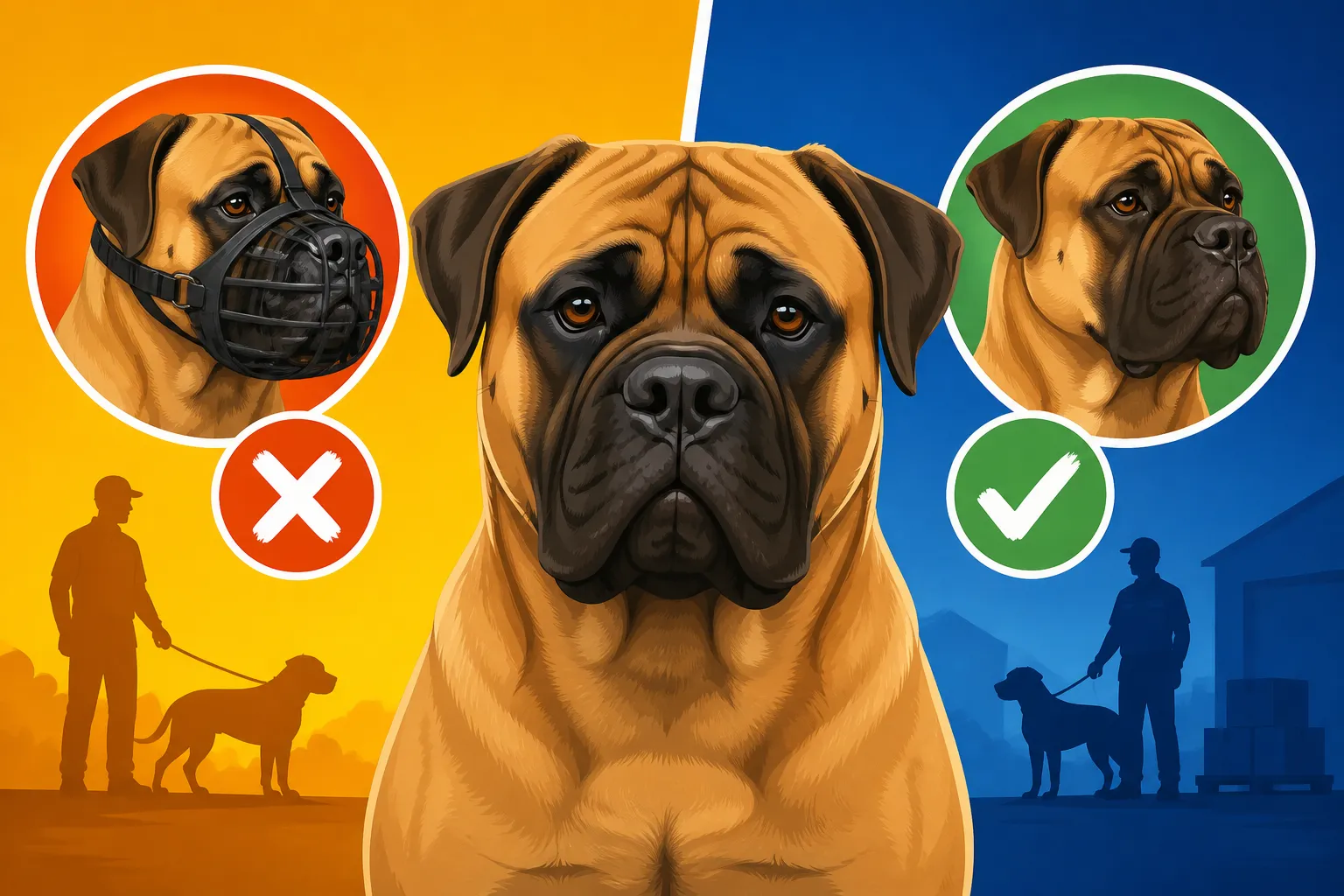
Whether a Bullmastiff Was Muzzled at Work
It’s natural to wonder about the realities of a Bullmastiff’s original "work"—apprehending poachers in the dark. Given their immense strength and formidable presence, many people often ask whether these powerful dogs were muzzled during their duties. This guide delves into the historical context, practical considerations, and the inherent nature of the Bullmastiff to shed light on this intriguing aspect of their past.
Understanding the Bullmastiff's Original Role
To understand why muzzling was likely not part of a working Bullmastiff's gear, we first need to truly grasp what these dogs were bred to do. They weren't guard dogs in the sense of simply deterring intruders with barks; they had a very specific, dangerous, and highly skilled job on the vast estates of England.
The Gamekeeper's Need for a Silent Guard
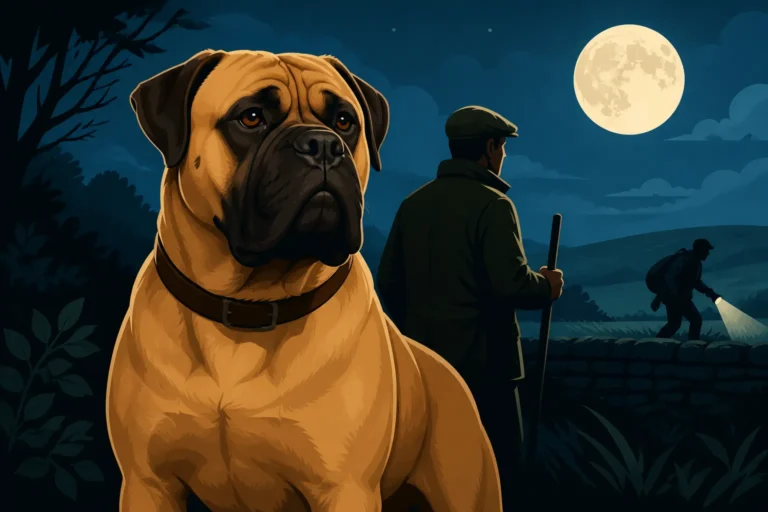
Imagine the scene: a sprawling, wealthy estate in Victorian England, guarded by a few gamekeepers against poachers who were often desperate and sometimes armed. These gamekeepers needed a dog that could track, locate, and, most crucially, apprehend a human intruder without attracting undue attention. A barking dog would give away its position and the gamekeeper's presence, defeating the purpose of a stealthy patrol. This is why the Bullmastiff was known as the "Silent Guard." Their job was to operate under the cover of darkness, moving quietly with their handler. You can learn more about What a Gamekeeper Needed a Night Dog For.
The requirements for this role were immense. The dog needed to be large and powerful enough to stop a fully grown man, but also agile and quiet. It had to possess a keen sense of smell and sight, being able to detect a human presence in challenging conditions. The silent aspect was paramount; the element of surprise was a gamekeeper’s greatest asset. Any gear that might clang, rustle, or otherwise impede silence would have been immediately discarded.
The "Hold, Not Harm" Doctrine
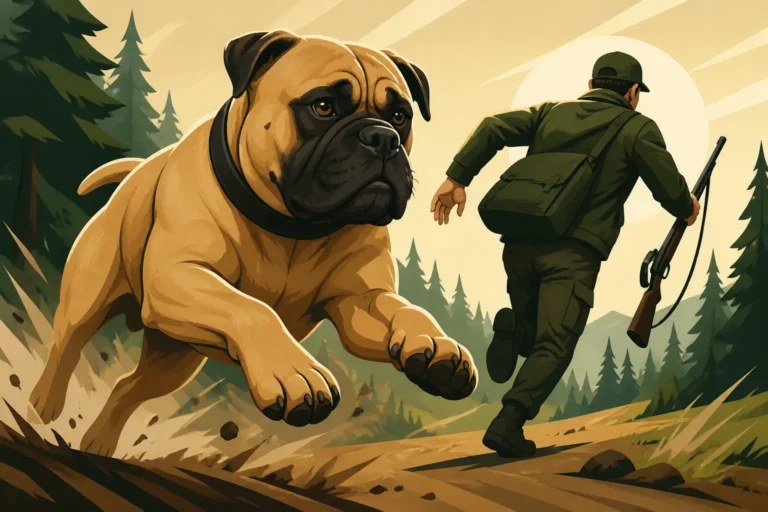
Perhaps the most defining characteristic of the working Bullmastiff was its mandate to "hold, not harm." Unlike other breeds used for protection that might be trained to bite aggressively, the Bullmastiff’s role was to subdue a poacher by physically holding them down, often by seizing an arm, pinning them, or body-blocking them until the gamekeeper arrived. This was a direct command from the estate owners, who, while wanting to protect their property, generally did not want their dogs to inflict severe, disfiguring injuries that could lead to costly lawsuits or public outcry.
This "holding" action required immense strength, control, and a very specific bite inhibition. The dogs were trained to apply pressure, to prevent movement, but not to maul. This nuanced approach meant that the dog had to be acutely aware of its own power and capable of self-control even in high-stress situations. A muzzle, by its very nature, would entirely prevent this crucial holding action, rendering the dog largely ineffective for its primary purpose. If the dog couldn't physically engage and hold, it couldn't do its job.
Historical Evidence and Practical Considerations of Muzzling
When we look at historical records, accounts, and the practical realities of the Bullmastiff's work, the idea of them being muzzled quickly fades from logic.
The Lack of Historical Muzzling Accounts
Digging through historical texts, old breed standards, and anecdotes from the early days of the Bullmastiff, there is a striking absence of any mention of muzzles being standard equipment for these working dogs. Breeders and gamekeepers of the era focused on temperament, strength, and the unique ability to "hold." Their descriptions of the dog's role emphasize its physical interaction with the poacher, not passive deterrence. This silence is often telling. If muzzles were used, especially given the dog's size and potential, it would likely be a point of discussion or instruction.
Consider the environment: night patrols, often through rough terrain, brambles, and uneven ground. A gamekeeper and his dog were working as a unit, relying on instinct and close coordination. Attaching, adjusting, or dealing with a displaced muzzle in the dead of night, potentially during an encounter with a struggling poacher, would have been an unnecessary complication and a liability. The focus was on functionality and efficiency in a dangerous, uncontrolled setting.
Why a Muzzle Would Have Been Counterproductive
The core function of the Bullmastiff was to physically incapacitate a poacher, preventing their escape without causing grievous bodily harm. This involved using their powerful jaws to grip, their heavy body to pin, and their sheer presence to intimidate. A muzzle, whether a basket muzzle or a softer fabric one, would directly impede these actions.
- Basket Muzzle: While allowing the dog to pant and drink, a basket muzzle would prevent the dog from effectively gripping a poacher's arm or clothing. The dog would be reduced to bumping or pushing, which would not be sufficient to hold down a determined individual. The metal or strong plastic could also cause significant impact injuries, ironically potentially leading to more severe harm than the controlled "hold" the Bullmastiff was trained for.
- Fabric Muzzle: These muzzles are designed to keep a dog's mouth shut, preventing bites entirely. This would make the Bullmastiff utterly useless for its primary task. A fabric muzzle is typically used for short periods during vet visits or grooming, not for active, strenuous work where the dog needs full use of its mouth for its specific duty.
Furthermore, the gamekeepers were intimately familiar with their dogs. They understood the importance of the dog's discretion and ability to gauge a situation. The breed's development was focused on selective breeding for a stable temperament that could execute a controlled hold. How a Bullmastiff Was Sent After a Poacher highlights this partnership and the trust involved. Muzzling would imply a lack of trust in the dog's training and inherent disposition, which goes against the very philosophy of the breed's working purpose.
The Bullmastiff's Temperament and Control Mechanisms
The success of the Bullmastiff as a working dog rested not on equipment, but on careful breeding, intense training, and the innate qualities of the individual dog.
Innate Temperament and Training
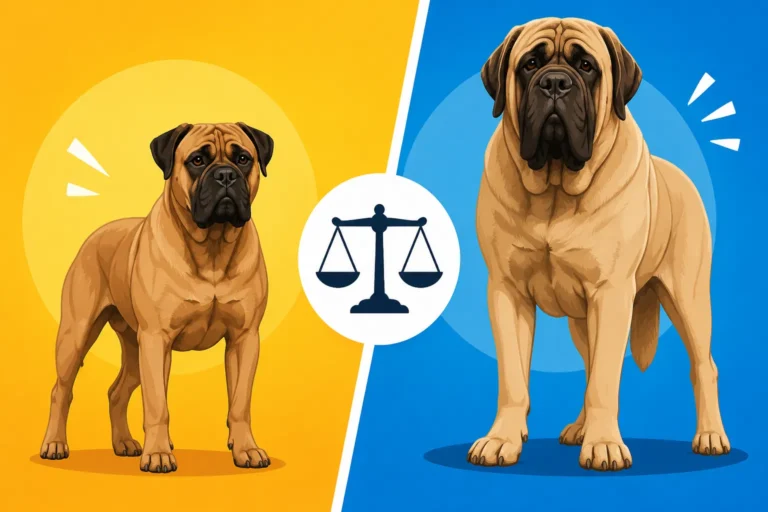
The Bullmastiff was a product of crossing the Mastiff's size and protective instincts with the Bulldog's tenacity and athleticism. This blend created a dog that was physically imposing, naturally protective, but crucially, had a stable and trainable temperament. The Bullmastiff Is Sixty Percent Mastiff and Forty Percent Bulldog describes this foundation. Gamekeepers weren't looking for a wild, uncontrollable beast, but a formidable partner that could be directed and trusted.
From a young age, these dogs would have undergone rigorous training. This wasn't just about obedience, but about developing their specific working skills. They would have learned to differentiate between an innocent passerby and a genuine threat. They would have been taught the precise level of force to apply during a "hold." This training would have been continuous, reinforcing the "hold, not harm" principle through simulated scenarios. The dogs were expected to be calm, discerning, and extremely reliable under pressure. This deep level of training and trust in the dog's judgment made a muzzle redundant, as it undermined the very essence of their specialized skill.
The Handler's Control and Dog's Discretion
The gamekeeper and his Bullmastiff worked as an incredibly close-knit team. The handler was the ultimate authority, and the dog was expected to respond instantly to commands. However, the nature of working at night, often out of direct sight of the gamekeeper for brief moments, meant the dog also needed a degree of independent discretion. It had to be able to assess a threat, initiate the "hold," and maintain it until the gamekeeper arrived to take over. How a Bullmastiff Decides Someone Is a Threat touches on this intelligence.
The dog's ability to act with discernment was a key factor. A well-trained Bullmastiff understood the nuances of its role, knowing when to engage and when to simply observe. This wasn't a dog that indiscriminately attacked; it was a thinking partner. The gamekeeper’s primary control was through vocal commands and the dog's ingrained training, not through a piece of equipment that restricted its actions. The reliance was on the dog's intellect and temperament, honed by generations of careful breeding and dedicated training.
Modern Perspectives on Muzzling and Responsible Ownership
While historical Bullmastiffs likely didn't wear muzzles for work, there are certainly modern scenarios where a muzzle is a responsible tool for Bullmastiff owners.
When Modern Bullmastiffs Might Be Muzzled
Today's Bullmastiffs are beloved family companions, far removed from the estate patrols of their ancestors. However, there are still situations where muzzling can be a very sensible and responsible choice for owners. It's not about aggression in most cases, but about safety and adherence to regulations.
- Veterinary Visits: Even the most gentle Bullmastiff can become stressed or anxious at the vet, especially if they are in pain. A muzzle can prevent accidental bites during examinations, injections, or painful procedures, protecting both the veterinary staff and the dog itself from unnecessary stress or injury.
- Grooming: Some dogs, even those who tolerate regular brushing, might not enjoy nail trims, ear cleaning, or certain grooming procedures. A muzzle ensures everyone's safety during these potentially uncomfortable moments.
- Public Transportation or Specific Public Spaces: Some cities or public transport systems have breed-specific regulations or general rules requiring all large dogs to be muzzled. It’s always best to check local ordinances.
- Training and Reactivity Management: For Bullmastiffs that might exhibit reactivity towards other dogs or people, a muzzle can be a vital safety tool during training sessions. It allows the owner to work on desensitization and counter-conditioning without the risk of an accidental bite. This isn't a cure, but a management tool.
- Injury or Illness: A dog in pain might snap defensively. If your Bullmastiff is injured or suddenly unwell, a muzzle can be used to safely transport them or administer first aid until professional help is available. How a Bullmastiff Hides Pain is a good read on how they often mask discomfort, making unexpected reactions a possibility.
Choosing the Right Muzzle for a Bullmastiff
If you find yourself needing a muzzle for your Bullmastiff, choosing the right type and ensuring a proper fit is crucial. A poorly fitting muzzle can cause discomfort, chafing, or even interfere with breathing, especially for a breed with a shorter muzzle like the Bullmastiff.
There are generally two main types of muzzles:
- Basket Muzzles: These are often made of wire, plastic, or sometimes leather. They allow the dog to pant, drink, and even take treats, which is essential for comfort and for using positive reinforcement during training. They are ideal for longer wear times, such as during walks or extended vet visits. When considering a basket muzzle, ensure there's enough room for your Bullmastiff to open its mouth fully to pant, as this is how dogs regulate their body temperature. You can find a wide array of options at pet supply retailers like
Chewy, which offer different materials and sizes. - Soft Muzzles (Fabric Muzzles): These are typically made of nylon or similar soft materials and wrap tightly around the dog's muzzle, holding its mouth shut. They are generally only suitable for very short periods, such as a quick vet exam, because they restrict panting, making them unsuitable for exercise or hot weather. They are not for long-term wear.
Regardless of the type, the fit is paramount. You'll need to measure your Bullmastiff's muzzle circumference and length carefully. It should be snug enough not to slip off but loose enough to avoid rubbing or digging into the skin. Look for muzzles with multiple adjustment straps and secure buckles. Investing in a good quality, well-fitting muzzle is an act of responsible ownership, ensuring the safety and comfort of your Bullmastiff and those around them. Consider asking your veterinarian or a professional trainer for recommendations on fit and style for your specific dog.
Here's a quick comparison of historical Bullmastiff "work" vs. modern Bullmastiff "pet" needs regarding muzzles:
| Feature | Historical Working Bullmastiff | Modern Pet Bullmastiff |
|---|---|---|
| Purpose | Apprehend poachers by holding them down | Safety during vet visits, grooming, reactivity management |
| Muzzle Use? | Highly unlikely; counterproductive to role | Occasionally necessary for safety/regulations |
| Primary Control | Extensive training, handler's commands, dog's discretion | Positive reinforcement, training, leash, sometimes a muzzle |
| Temperament | Bred for controlled, deliberate "hold" | Gentle family companion, but powerful |
| Equipment Focus | Durability, stealth, freedom of movement | Comfort, fit, breathability, specific safety needs |
It's truly fascinating how a breed's history informs our understanding of their capabilities and needs today. While the idea of a muzzled working Bullmastiff doesn't align with their historical purpose, understanding why that is helps us appreciate their unique heritage and make informed decisions about their care in modern times.
Disclaimer
This article is for general informational purposes only and does not constitute professional advice. Laws, prices and regulations vary by location and change over time. Consult a qualified professional for guidance on your specific situation.