How Many Weeks a Bullmastiff’s Chemotherapy Runs
When you get the devastating news that your beloved Bullmastiff has lymphoma, one of the first questions that floods your mind, after "How can this be happening?", is "What does treatment even look like, and for how long?" The sheer uncertainty can be overwhelming. This guide will walk you through the typical timeline for Bullmastiff chemotherapy protocols, helping you understand the commitment involved and what to expect during the weeks and months ahead.
Understanding Bullmastiff Lymphoma and Its Urgency
Hearing the word "cancer" for your Bullmastiff is a moment that stops your heart. It’s a diagnosis no pet parent ever wants to receive, especially with a breed as prone to certain aggressive cancers as our Bullmastiffs. Lymphoma is unfortunately a common and aggressive cancer in Bullmastiffs, often making the need for swift and decisive action clear.
The Initial Diagnosis: A Heavy Blow
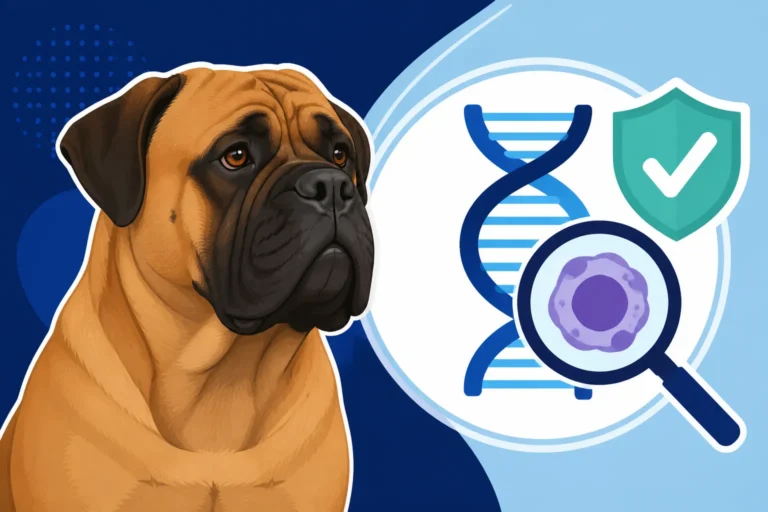
The initial diagnosis of lymphoma is a heavy blow. You might have noticed a swollen lymph node, a slight change in appetite, or just a general "off" feeling in your big, sweet companion. For many Bullmastiff owners, the reality sinks in quickly: this isn't just a benign lump. It's a serious illness. Bullmastiffs, sadly, have a significantly higher risk of developing lymphoma compared to many other breeds, with some studies suggesting their risk is five times that of a mixed breed's. This breed-specific predisposition means that when we talk about lymphoma, we're discussing a very real and prevalent concern within the Bullmastiff community. It's a cruel fact that Lymphoma Kills More Bullmastiffs Than Anything Else, often far too early in their lives.
Why Immediate Action Matters
Lymphoma in Bullmastiffs is generally an aggressive cancer. It's not something that tends to linger quietly. It affects the lymphatic system, which is essentially the body's immune surveillance network, meaning it can spread rapidly throughout the body, impacting lymph nodes, spleen, liver, and even bone marrow. This widespread nature is part of What Lymphoma Does to a Bullmastiff and why veterinarians often recommend starting treatment quickly once a diagnosis is confirmed and staged. The longer you wait, the more opportunity the cancer has to progress, potentially making treatment less effective or requiring more intensive protocols. It’s a race against time, and while it feels like a marathon for you emotionally, the cancer often operates at a sprinter's pace.
The Standard Chemotherapy Protocols for Bullmastiffs
When it comes to treating lymphoma in Bullmastiffs, just like in humans, there isn't a single magic pill. Instead, veterinarians typically recommend a multi-agent chemotherapy protocol designed to tackle the cancer cells from various angles. The goal is to achieve remission, which means reducing or eliminating the detectable cancer cells, giving your dog the best possible quality of life for as long as possible.
The CHOP Protocol: The Gold Standard
The most common and often most effective chemotherapy protocol for canine lymphoma, including in Bullmastiffs, is known as the CHOP protocol. This isn't an acronym for some fancy new diet; it stands for a combination of powerful drugs:
- Cyclophosphamide: An oral or injectable alkylating agent that interferes with DNA replication, primarily given in cycles.
- Hydroxydaunorubicin (more commonly referred to as Doxorubicin): A potent injectable antibiotic chemotherapy drug that intercalates DNA, often considered one of the most effective drugs for lymphoma.
- Oncovin (Vincristine): An injectable plant alkaloid that inhibits cell division.
- Prednisone: An oral corticosteroid that helps reduce inflammation and has direct anti-cancer effects on lymphoma cells.
This multi-drug approach works synergistically, meaning the drugs are more effective together than they would be individually. It targets cancer cells at different stages of their life cycle, increasing the chances of successful remission. Your veterinary oncologist will carefully explain each drug, its purpose, and potential side effects, helping you feel more prepared for the journey ahead.
Typical Duration and Cycles
The CHOP protocol is not a one-and-done treatment; it's a marathon, typically running for a period of 16 to 25 weeks, with many common protocols falling into the 19 to 25-week range. This involves a rotating schedule of injectable medications administered by your vet, usually on a weekly basis, along with oral medications (like Prednisone and Cyclophosphamide) that you'll administer at home.
Imagine a schedule where one week your Bullmastiff receives Doxorubicin, the next week Vincristine, and the third week Cyclophosphamide (often with a week off or a different oral regimen). Prednisone is usually given daily, with the dose tapering over time. Each "cycle" of these drugs typically lasts three to four weeks, and the full protocol involves multiple cycles. This structured approach is what makes it effective but also a significant commitment of time, effort, and resources. You’ll find yourself becoming very familiar with your vet's office, as How Many Chemotherapy Visits a Bullmastiff Needs can add up quickly over these months.
Factors Influencing Treatment Length
While the 16-25 week timeframe is a good general guideline, it’s important to understand that the actual duration can be influenced by several factors:
- Stage of Cancer: Lymphoma is staged from I to V. Dogs with earlier stages (I or II) might respond more quickly or be candidates for slightly shorter modified protocols, though this is less common with CHOP. More advanced stages (III, IV, V) often require the full, standard course.
- Dog's Tolerance to Treatment: Some Bullmastiffs tolerate chemotherapy remarkably well, sailing through the weeks with minimal side effects. Others might experience more significant gastrointestinal upset, lethargy, or drops in blood cell counts, requiring dose adjustments, temporary pauses in treatment, or additional supportive medications. If a Bullmastiff has severe or persistent side effects, the oncologist might decide to extend the breaks between doses or switch to a different drug, which can, in turn, slightly extend the overall duration of the protocol.
- Owner's Resources and Wishes: Let's be real—chemotherapy is a significant financial and emotional undertaking. The cost of chemotherapy for a Bullmastiff can be substantial, and sometimes owners make the difficult decision to pursue a shorter, less intensive, or palliative-only protocol due to these constraints. For instance, some owners might opt for a modified protocol that focuses on maintaining comfort rather than aggressive remission, which could have a different timeline. The duration of treatment often reflects the balance between maximizing efficacy and maintaining the Bullmastiff's quality of life, alongside the family's capacity to continue treatment.
Navigating Chemotherapy: What to Expect During the Weeks
Embarking on a chemotherapy journey with your Bullmastiff is a unique experience. It’s a demanding period, but understanding the weekly rhythm and how to manage potential challenges can make it more manageable for both you and your gentle giant.
The Weekly Schedule and Vet Visits
For most Bullmastiffs on a CHOP protocol, the schedule involves weekly trips to the veterinary oncologist's office, or sometimes bi-weekly depending on the specific drug rotation. Each visit is crucial and typically involves several steps:
- Physical Examination: Your Bullmastiff will get a thorough check-up, including temperature, heart rate, respiration, and palpation of lymph nodes to assess any changes in size or consistency. The vet will also be looking for any signs of discomfort or illness.
- Blood Work: Before administering any chemotherapy drug, blood tests are almost always performed. This is primarily to check your Bullmastiff’s white blood cell count, particularly neutrophils, which are critical for fighting infection. Chemotherapy drugs can suppress bone marrow function, leading to a drop in these cells, making your dog vulnerable. If the counts are too low, the treatment might be delayed for a few days or a week to allow them to recover.
- Drug Administration: Once your Bullmastiff is deemed healthy enough, the scheduled chemotherapy drug (like Doxorubicin or Vincristine) will be administered. These are usually given intravenously, often through a catheter, to ensure safe and accurate delivery. This process can take anywhere from a few minutes to an hour, depending on the specific drug and your dog's temperament.
- Discussion and Next Steps: Before you leave, the veterinary team will discuss how your Bullmastiff has been feeling, any side effects observed at home, and provide detailed instructions for oral medications, potential side effect management, and the schedule for the next visit. Consistency is key, so adhering to this schedule is vital for the protocol's success.
Managing Side Effects at Home
One of the biggest anxieties for owners is the fear of severe side effects. The good news is that veterinary chemotherapy is generally designed to prioritize quality of life, and most Bullmastiffs tolerate it much better than humans often do. That said, side effects can occur, and it's important to be prepared:
- Gastrointestinal Upset: Nausea, vomiting, and diarrhea are the most common side effects. These usually occur within 2-5 days post-treatment. Your vet will likely prescribe anti-nausea medications, anti-diarrhea drugs, or appetite stimulants to have on hand. Don’t hesitate to use them if needed, and always communicate any severe or persistent symptoms to your oncology team.
- Lethargy: It’s normal for your Bullmastiff to be a bit more tired or subdued for a few days after a chemotherapy dose. They might want to sleep more, and their usual enthusiasm for walks or play might be reduced. Providing a quiet, comfortable space and allowing them to rest is important.
- Decreased Appetite: Some Bullmastiffs might go off their food temporarily. Offering bland, appealing foods (like boiled chicken and rice), warming their food slightly, or using appetite stimulants can help.
- Hair Loss: While less common in dogs compared to humans, some breeds with continually growing hair (like Poodles or certain terriers) can experience hair thinning. Bullmastiffs, with their short, dense coats, rarely experience noticeable hair loss, though their whiskers might thin.
Remember, the goal is to manage these side effects proactively. Your vet will provide clear instructions on what to look for and when to call them. Most side effects are mild and manageable, ensuring that How a Bullmastiff Tolerates Chemotherapy is often surprisingly good, especially compared to what we imagine from human experiences.
The Emotional and Financial Toll Over Weeks
Let's be candid: chemotherapy is a marathon, not a sprint. The weeks turn into months, and while you're focused on your Bullmastiff's health, the emotional and financial strain can be significant.
Emotionally, it's a rollercoaster. You'll celebrate good weeks where your dog is happy and energetic, and then brace yourself for weeks when they might feel a bit unwell. The constant worry, the regular vet visits, and the meticulous administration of home medications can be draining. It's crucial to lean on your support system, whether that's family, friends, or online communities of Bullmastiff owners going through similar experiences.
Financially, the costs can accumulate rapidly. The initial diagnostic workup, including ultrasounds and biopsies, can be substantial. Then, the chemotherapy drugs, weekly blood tests, and vet visits themselves add up. What a Bullmastiff's Lymphoma Chemotherapy Protocol Costs can range from several thousand dollars for a basic protocol to $10,000 or more for complex cases or if unexpected complications arise. This long-term financial commitment is why many owners find themselves asking, "How will I afford this?" This is where pet insurance, like a policy from Healthy Paws, can be an absolute lifesaver. Having robust pet insurance coverage can alleviate much of the financial stress, allowing you to focus solely on your Bullmastiff's care without constantly worrying about whether your budget can handle the next bill. It’s worth exploring Whether Insurance Covers a Bullmastiff's Chemotherapy well in advance, ideally before any diagnosis, to understand coverage limits and deductibles.
Beyond the Initial Protocol: Maintenance and Relapse Considerations
Completing the initial chemotherapy protocol for lymphoma in your Bullmastiff is a huge milestone, a testament to your dedication and your dog's resilience. However, the journey often doesn't end there. Understanding what comes next, including monitoring and the possibility of relapse, is crucial for long-term management.
Post-Protocol Monitoring and Follow-Up
Once your Bullmastiff finishes the active 16-25 weeks of chemotherapy, the hope is that they are in complete remission. This means all signs of the cancer are undetectable. But remission doesn't mean the cancer is "cured" in most cases of canine lymphoma; it means it's dormant. Regular monitoring is essential to catch any signs of recurrence early.
Typically, your veterinary oncologist will recommend follow-up visits, often initially monthly, then possibly every two to three months. These visits will usually involve a physical exam, careful palpation of all lymph nodes, and sometimes blood tests to check for subtle changes. For some types of lymphoma, additional diagnostics like an ultrasound might be recommended periodically. The goal here is vigilance, to maximize How Long Remission Lasts in a Bullmastiff. While it's wonderful to have a break from weekly treatments, staying on top of these follow-up appointments gives you the best chance of managing any potential return of the disease.
What Happens During a Relapse?
Despite the best efforts, lymphoma does relapse in a significant number of Bullmastiffs. It's a heartbreaking reality, but it doesn't mean the fight is over. If your Bullmastiff's lymphoma returns, the veterinary oncologist will reassess the situation.
A relapse might manifest as visibly enlarged lymph nodes again, a return of lethargy, or other general signs of illness. What a Bullmastiff's Lymphoma Relapse Looks Like can vary, but often it mirrors the initial symptoms. At this point, several options might be considered:
- Rescue Protocols: These are different chemotherapy drug combinations used when the first protocol fails. They might involve different drugs, or different combinations, given weekly or less frequently. While the goal is still remission, the duration and efficacy of rescue protocols can be more variable than the initial CHOP protocol.
- Targeted Therapies: Newer drugs that target specific pathways in cancer cells, like Tanovea-CA1 (Rabacfosadine) or Laverdia-CA1 (Verdinexor), might be considered. These can sometimes offer different side effect profiles and may be given on a different schedule.
- Palliative Care: If aggressive treatment isn't an option, or if your Bullmastiff's quality of life is declining, the focus might shift to palliative care. This aims to keep your dog comfortable and happy for as long as possible, using medications like Prednisone alone to control symptoms and slow progression.
The decision of Whether a Bullmastiff Gets Lymphoma Twice is often complex, balancing the dog's current health, previous treatment responses, and your emotional and financial capacity. Your oncologist will guide you through these difficult choices, always prioritizing your Bullmastiff’s well-being.
Palliative Care and Quality of Life
Sometimes, the full chemotherapy protocol might not be right for your Bullmastiff, either due to their age, other health conditions, or if the cancer is too advanced. In these situations, or during a relapse where further aggressive treatment isn't chosen, palliative care becomes the focus.
Palliative care is all about maintaining a good quality of life. For lymphoma, this often involves the use of corticosteroids like Prednisone. Whether Prednisone Alone Helps a Bullmastiff is a common question, and the answer is yes, it can. Prednisone has direct anti-cancer effects on lymphoma cells and can significantly reduce inflammation, decrease lymph node swelling, and improve appetite and energy levels. While it rarely achieves long-term remission on its own, it can provide weeks to months of good quality life, often with minimal side effects. This approach is far less intensive than multi-agent chemotherapy, usually involving daily oral medication at home, and can be a compassionate choice when the goal shifts from cure to comfort.
It’s important to remember that throughout this entire journey, you are your Bullmastiff’s advocate. Open and honest communication with your veterinary oncology team about your dog's symptoms, your concerns, and your capacity to continue treatment is paramount. They are there to support you and help you make the best decisions for your beloved companion.
Here’s a summary of typical chemotherapy durations and influencing factors:
| Protocol Type | Typical Duration | Key Components | Primary Goal | Influencing Factors |
|---|---|---|---|---|
| CHOP Protocol | 16-25 weeks (average 19-25 weeks) | Cyclophosphamide, Doxorubicin, Vincristine, Prednisone | Achieve and maintain remission | Cancer stage, dog's tolerance to drugs, owner's financial/emotional capacity, specific oncologist's protocol variations |
| Rescue Protocols | Variable | Different drug combinations (e.g., CCNU, L-Asparaginase) | Re-induce remission after relapse | Type of relapse, previous treatment, dog's health status, drug availability, side effects |
| Palliative (Prednisone Only) | Weeks to months | Prednisone (oral) | Improve comfort, quality of life, symptom control | Advanced disease, poor prognosis for aggressive treatment, owner preference, comorbidities |
| Other Targeted Therapies | Variable | Specific novel drugs (e.g., Tanovea, Laverdia) | Remission or disease control | Specific lymphoma type, availability, cost, dog's response to previous treatments |
This table provides a general overview, but always consult with your veterinary oncologist for a personalized treatment plan for your Bullmastiff.
Disclaimer
The information provided in this article is for general informational purposes only and does not constitute veterinary medical advice. Always consult with a qualified veterinary professional for any health concerns or before making any decisions related to your Bullmastiff's health and treatment. Individual outcomes can vary.