Ear Infections in a Bullmastiff
Few things are as frustrating for a Bullmastiff owner as the tell-tale head shaking, ear scratching, and that unmistakable yeasty smell signaling an ear infection. Our big, lovable lugs, with their wonderful dropped ears, are unfortunately prone to these uncomfortable ailments, leaving both them in distress and us scrambling for solutions. This comprehensive guide aims to shed light on why Bullmastiffs often battle ear infections, how to spot the signs early, and most importantly, how to treat and prevent them effectively, bringing relief to your beloved companion.
Understanding Why Bullmastiffs Are Prone to Ear Infections
It’s easy to feel like you’re doing something wrong when your Bullmastiff keeps getting ear infections, but the truth is, a lot of it comes down to their unique anatomy and certain predispositions. Understanding these factors is the first step in breaking the cycle of discomfort for your furry friend. It's not just bad luck; there are real, physical reasons at play that make their ears a perfect breeding ground for trouble.
The Anatomy of a Bullmastiff's Ear
Bullmastiffs possess those classic drop ears, or pendulous ears, which are a hallmark of the breed's imposing yet gentle appearance. While charming, this ear type is a significant contributor to infection risk. Unlike breeds with upright ears where air circulates freely, the Bullmastiff's heavy ear flaps hang down, essentially covering the ear canal. This creates a warm, dark, and humid environment—a veritable spa for bacteria and yeast to thrive. The natural shape of their ear canal also plays a role; it often has a more convoluted, "L-shaped" structure which can trap debris, moisture, and microbes, making it harder for natural drainage to occur.
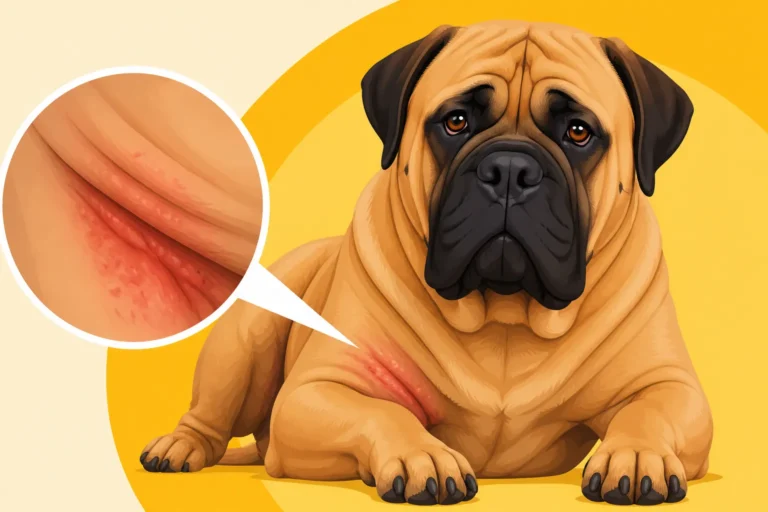
Adding to this, many Bullmastiffs have a fair amount of loose skin and wrinkles around their head and neck, which can further restrict airflow to the ear canal. This combination of factors means that even a little bit of moisture from a bath or a humid day can quickly turn into a breeding ground for infection. It’s a constant battle against nature’s design, and knowing this helps us approach their ear care with the necessary vigilance. You can dive deeper into this specific challenge by reading about Why a Bullmastiff's Ears Trap Moisture.
Common Causes and Triggers
Beyond the anatomical predisposition, several common factors can trigger or exacerbate ear infections in Bullmastiffs. Allergies are a massive culprit, often manifesting as skin issues, and frequently, ear infections are the first or most persistent symptom. These can be environmental allergies (like pollen, dust mites) or food allergies, leading to inflammation within the ear canal, making it itchy and red, and paving the way for secondary bacterial or yeast infections. Just like people with hay fever often get stuffy noses, dogs with allergies often get itchy, inflamed ears. For more information on this, consider exploring Skin Allergies in a Bullmastiff.
Another significant trigger is moisture. If your Bullmastiff enjoys swimming, or if you're not diligent about drying their ears thoroughly after baths, that trapped water can quickly lead to problems. Parasites, such as ear mites, while less common in adult Bullmastiffs, can certainly cause irritation and lead to infection, especially in puppies. Foreign bodies, like grass awns or seeds, can also work their way into the ear canal, causing severe irritation and infection. Even underlying conditions like Hypothyroidism in a Bullmastiff can sometimes manifest with chronic or recurrent ear issues due to changes in skin and immune function, making a comprehensive veterinary check-up crucial if infections keep coming back.
Recognizing the Signs of an Ear Infection in Your Bullmastiff
Spotting an ear infection early is key to a quicker, less complicated recovery for your Bullmastiff. These dogs are incredibly stoic and might not always show obvious signs of pain until an infection is quite advanced. Learning to recognize subtle cues and doing regular checks can make all the difference in catching an issue before it escalates.
Behavioral Clues and Physical Symptoms
One of the most common behavioral signs of an ear infection is persistent scratching at the ear or rubbing the head against furniture or the ground. You might notice your Bullmastiff shaking its head frequently, sometimes violently, as if trying to dislodge something. They may tilt their head to one side, or seem generally agitated and uncomfortable. If the infection is particularly painful, they might become sensitive to touch around the head and ears, even snapping if you try to examine them, which is very out of character for our typically gentle giants.
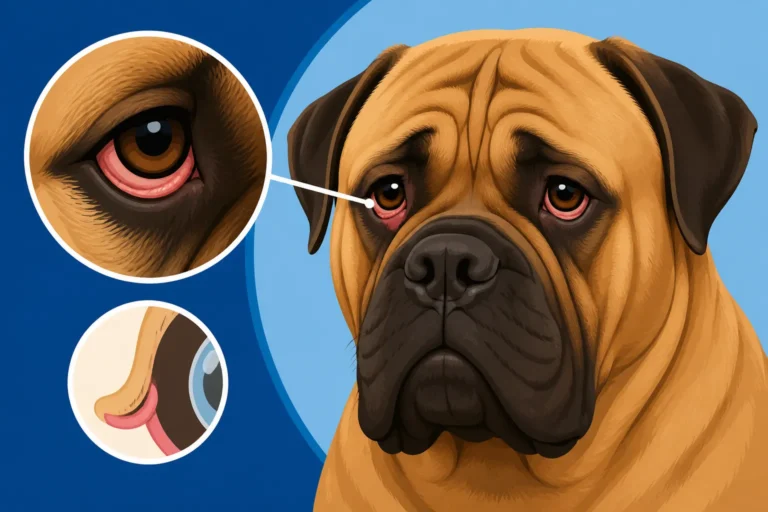
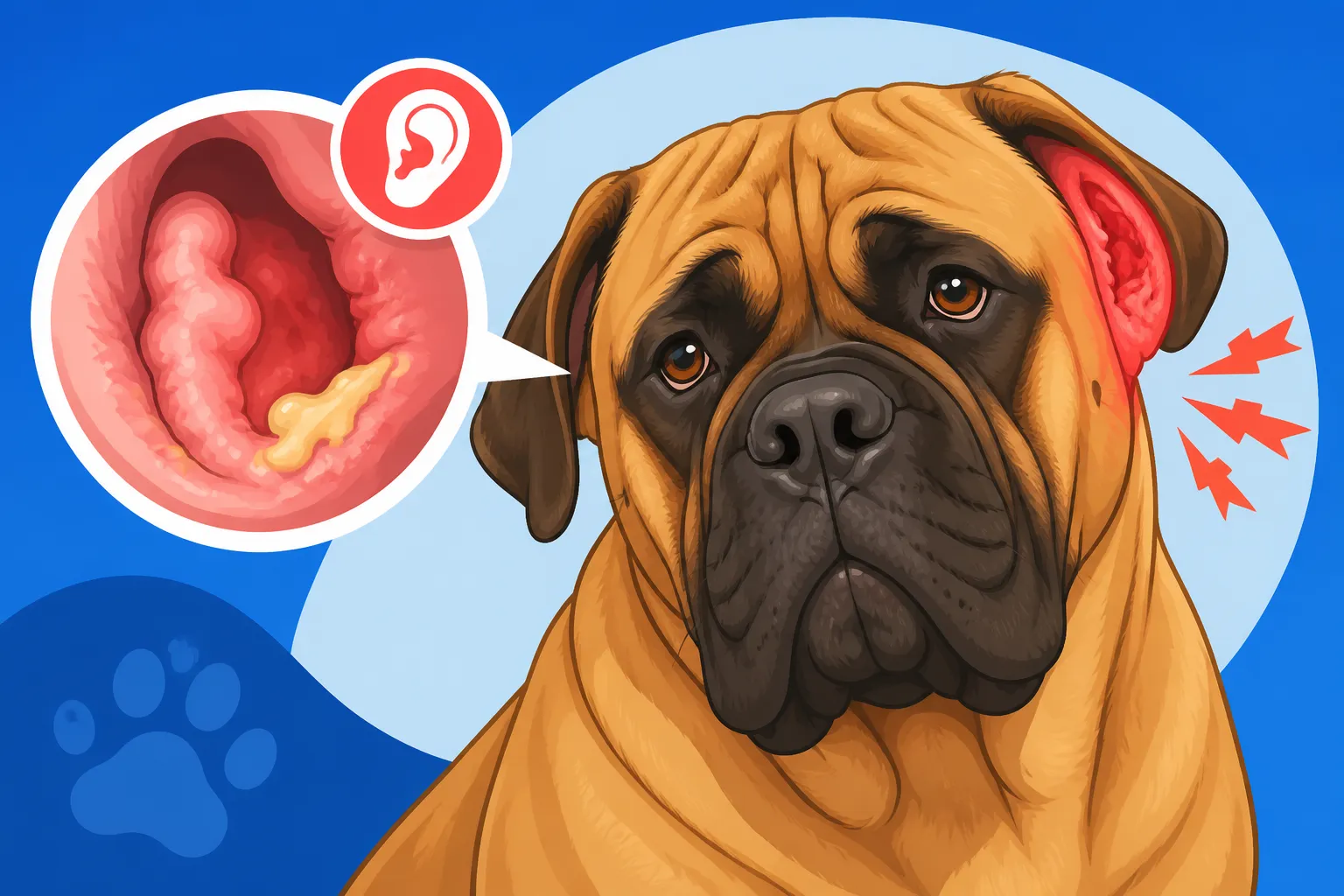
Physically, a quick peek inside the ear can reveal a lot. The ear canal might appear red or inflamed, and you might notice a discharge. This discharge can vary in color and consistency: it could be dark and waxy (often indicative of yeast), yellow or greenish (suggesting bacterial infection), or even bloody. A strong, unpleasant odor emanating from the ear is a huge red flag – often described as sweet, yeasty, or foul, it's a sure sign that something is amiss. You might also notice hair loss around the ear due to scratching, or scabbing if the skin is broken. If the infection has been going on for a while, the ear flap itself might become thickened or swollen due to chronic inflammation.
When to Call the Vet
While it's tempting to try at-home remedies for what seems like a minor ear irritation, it's always best to consult your veterinarian when you suspect an ear infection in your Bullmastiff. Self-treating can sometimes make the problem worse, mask symptoms, or delay proper diagnosis, potentially leading to chronic issues or even permanent damage. If you notice any of the signs mentioned above—head shaking, scratching, discharge, odor, redness, or sensitivity—it's time to make that appointment.
Immediate veterinary attention is especially crucial if your Bullmastiff is showing signs of severe pain, disorientation, loss of balance, or if the ear appears severely swollen and hot to the touch. These could indicate a more serious infection, possibly affecting the middle or inner ear, which requires prompt and aggressive treatment. Even if you've dealt with ear infections before, each episode can be different, and getting a professional diagnosis ensures your Bullmastiff receives the most appropriate and effective care. An annual checkup can also help catch underlying issues before they become full-blown problems, and you can learn more about What a Bullmastiff's Annual Checkup Costs.
Effective Treatment and Management Strategies
Once you've identified an ear infection, getting the right treatment from your vet is paramount. Treating ear infections in a large dog like a Bullmastiff can sometimes feel like a monumental task, but with patience and adherence to your vet's instructions, you can help them find relief.
Veterinary Diagnosis and Treatment Options
When you bring your Bullmastiff to the vet for an ear infection, the first step will be a thorough examination. Your vet will use an otoscope to look deep into the ear canal, checking for inflammation, discharge, foreign bodies, or damage to the eardrum. This visual inspection is crucial, but it’s just the beginning. The vet will almost certainly take a sample of the ear discharge for cytology—a microscopic examination. This test helps identify whether the infection is caused by bacteria, yeast, or a combination of both, and sometimes even parasites like ear mites. Knowing the specific culprit is essential for choosing the correct medication.
Based on the cytology results, your vet will prescribe appropriate ear drops or ointments, which typically contain antibiotics, antifungals, and/or anti-inflammatory medications. Sometimes, oral medications (antibiotics, antifungals, or steroids) are also necessary, especially for severe or deep-seated infections. In chronic or particularly stubborn cases, your vet might recommend a culture and sensitivity test, which helps pinpoint the exact type of bacteria and which antibiotics will be most effective against it. In very rare, severe, chronic cases where medical treatment has failed and the ear canal is irreparably damaged, surgical options, such as a total ear canal ablation (TECA), might be discussed, though this is a last resort. Remember that veterinary care can be costly, and pet insurance from providers like Healthy Paws can be a real lifesaesaver for these kinds of recurrent health issues.
At-Home Care and Follow-Up
The success of treatment often hinges on consistent and correct at-home care. Your vet will likely clean your Bullmastiff's ears thoroughly at the clinic, which is often a huge relief for the dog. They will then instruct you on how to administer the prescribed ear medication. This usually involves gently cleaning the ear at home (often with a specific cleaner provided by the vet) before applying the drops or ointment. It's incredibly important to follow the dosage and duration instructions precisely, even if the ear seems to improve quickly. Stopping medication too early is a common reason for infections to recur.
Administering ear drops to a large, possibly uncomfortable Bullmastiff can be a challenge. Try to make it a positive experience with plenty of praise and treats. Gently hold the ear flap up, squeeze the medication into the ear canal, and then massage the base of the ear to help distribute the medicine. For tips on ear cleaning techniques, you might find guidance in What to Clean a Bullmastiff's Ears With. Follow-up appointments are just as crucial. Your vet will want to recheck the ear to ensure the infection has cleared and to perform another cytology to confirm there are no lingering bacteria or yeast. This is vital because a seemingly clear ear might still harbor enough pathogens to cause a relapse.
Proactive Prevention: Keeping Those Ears Healthy
Prevention is always better than cure, especially when it comes to the recurring discomfort of ear infections. While you can't completely eliminate the risk for a Bullmastiff, you can significantly reduce the frequency and severity of these episodes with a consistent preventative care routine.
Routine Cleaning and Maintenance
Regular ear cleaning is perhaps the most powerful tool in your prevention arsenal. How often you need to clean your Bullmastiff's ears depends on individual factors like their activity level, how much moisture they encounter, and any predisposition to allergies. Some Bullmastiffs might need their ears checked and wiped weekly, while others might be fine with a monthly cleaning. A good rule of thumb is to check them regularly, at least once a week, and clean them as needed. You can find more detailed advice on How Often a Bullmastiff's Ears Need Cleaning.
Use a veterinarian-approved ear cleaner, specifically designed for dogs, which helps break down wax and debris without causing irritation. Never use cotton swabs deep inside the ear canal, as this can push debris further in and potentially damage the eardrum. Instead, use cotton balls or gauze pads to gently wipe the visible parts of the ear and the entrance to the canal. After bathing or swimming, always make sure to thoroughly dry your Bullmastiff’s ears, gently wiping away any excess moisture from the ear canal opening. This simple step can prevent the damp, warm environment that fungi and bacteria love.
| Symptom | Possible Cause | Action Needed |
|---|---|---|
| Head Shaking / Ear Scratching | Ear Infection (bacterial/yeast), Ear Mites, Allergy | Vet visit for diagnosis and treatment. |
| Redness / Inflammation | Infection, Allergy, Irritation | Vet visit; regular cleaning if mild irritation is suspected. |
| Foul/Yeasty Odor | Bacterial or Yeast Infection | Vet visit immediately for specific treatment. |
| Dark, Waxy Discharge | Yeast Infection, Ear Mites | Vet visit for confirmation and medication. |
| Yellow/Green Discharge | Bacterial Infection | Vet visit for antibiotic ear drops. |
| Swelling of Ear Flap (Pinna) | Hematoma (from head shaking), Severe Infection | Urgent vet visit; may require drainage. |
| Sensitivity to Touch | Pain, Severe Infection | Vet visit to alleviate pain and treat infection. |
Environmental and Dietary Considerations
If your Bullmastiff experiences recurrent ear infections, it’s worth investigating potential underlying causes beyond just trapped moisture. Allergies are often a root cause, and addressing them can drastically reduce ear problems. This might involve working with your vet on an elimination diet trial to identify food allergies or discussing environmental allergy management strategies, such as antihistamines, allergy shots, or simply reducing exposure to known allergens. Investing in a good quality air purifier can also help reduce airborne allergens in your home, which may benefit your Bullmastiff’s overall allergic burden.
Consider the environment your Bullmastiff spends time in. If they frequently play in tall grass or wooded areas, check their ears carefully afterwards for foreign bodies like grass seeds. For Bullmastiffs who love water, consider using ear protection designed for dogs, or at the very least, ensure meticulous drying. Regular preventative care and keeping a close eye on your Bullmastiff's overall health can make a significant difference. Many owners find that once they've had a few experiences with ear infections, they become much more attuned to the subtle early signs, enabling them to act quickly and prevent severe discomfort. Maintaining good hygiene and a healthy immune system through proper nutrition and regular vet check-ups can also go a long way in supporting their natural defenses. If you're looking into ways to mitigate future health costs, remember that pet insurance, such as a plan from Healthy Paws, can help cover diagnostic tests and treatments for recurrent conditions like ear infections.
Disclaimer
This article is intended for informational purposes only and does not constitute professional veterinary advice. Always consult with a qualified veterinarian for any health concerns or before making any decisions about your Bullmastiff's medical care.