Whether Mixed Breeding Adds Years to a Bullmastiff
It's a heartbreaking truth for many Bullmastiff lovers: our gentle giants often have shorter lifespans than we wish. The desire to give them more years, to spend every possible moment with their loyal companionship, is perfectly natural. This deep longing often leads people to wonder if mixing breeds might unlock a secret to a longer, healthier life. This guide will delve into the complex genetics and realities behind the idea that mixed breeding inherently adds years to a Bullmastiff's life, helping you understand the factors truly at play and how to best support your beloved companion.
The Idea of "Hybrid Vigor" and Its Limitations
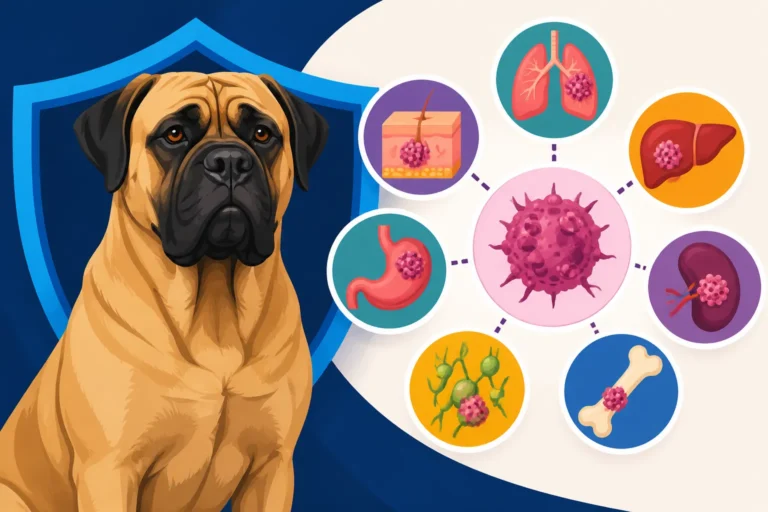
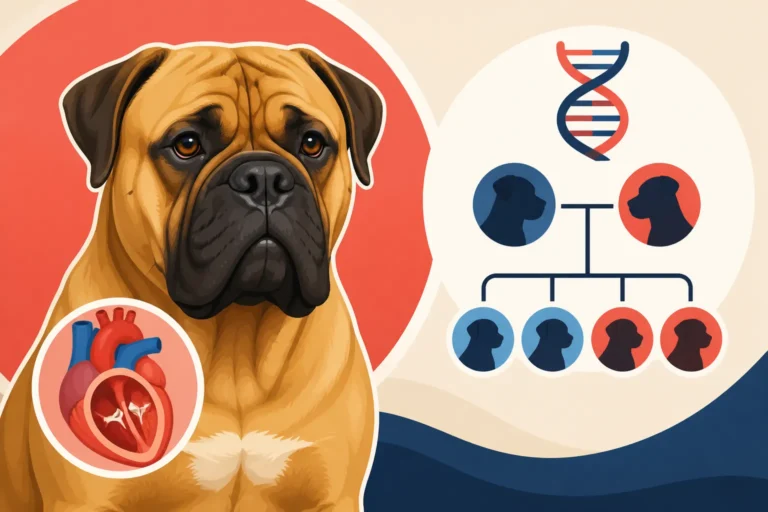
When we talk about mixed breeding, a term that often comes up is "hybrid vigor" or heterosis. The theory here is that when you breed two genetically diverse individuals, especially from different breeds, the offspring will be healthier, stronger, and more robust than either purebred parent. This is often because it reduces the chances of inheriting two copies of a specific recessive gene that might cause a genetic disease, simply by introducing a wider gene pool. For breeds like the Bullmastiff, which are known to have certain predispositions, such as a higher risk of diseases like lymphoma or subaortic stenosis, it's easy to see why this concept holds such appeal.
However, the reality isn't always as straightforward as the theory suggests. While broadening the gene pool can certainly be beneficial in reducing the incidence of some inherited conditions, it doesn't create a magic shield against all health problems. Think about it: a mixed breed dog isn't suddenly immune to all canine ailments; it just means the specific genetic lottery is shuffled differently. The parent breeds still carry their individual genetic blueprints, and these don't simply vanish when combined. It's a bit like hoping that by mixing two decks of cards, you'll eliminate all the low-value cards. You might reduce the concentration of certain low cards, but they're still in the deck. The median Bullmastiff lives eight and a half years, and this lifespan is often impacted by these inherited conditions.
For Bullmastiffs, a purebred dog from a responsible breeder will already have parents screened for common issues like Subaortic Stenosis, a condition that can be present before a Bullmastiff's first birthday, or orthopedic problems such as Hip Dysplasia in a Bullmastiff. While hybrid vigor might dilute the risk percentage of certain breed-specific issues, it doesn't guarantee their absence, nor does it prevent the introduction of new genetic predispositions from the other parent breed. It's not uncommon for people to think that a Bullmastiff cross automatically lives longer, simply because it's not "purebred," but it's a much more nuanced picture.
The Unpredictable Nature of Mixed Breed Health
The core challenge with relying on mixed breeding for improved health or an extended lifespan is the sheer unpredictability of genetic inheritance. When you breed a purebred Bullmastiff to another breed, you're not selectively removing only the "bad" genes from the Bullmastiff line and introducing only "good" genes from the other. You're simply combining two sets of genes, and the outcome is a roll of the dice. Your mixed-breed pup might inherit the best traits from both parents, or it might, unfortunately, inherit the health predispositions from both.
Consider a hypothetical Bullmastiff-Labrador mix. While the Labrador is generally a healthy breed, they are also prone to certain genetic conditions, such as elbow dysplasia, certain eye diseases, and even some types of cancer. If a Bullmastiff parent carries a predisposition for lymphoma and the Labrador parent carries a predisposition for elbow dysplasia, their offspring could potentially inherit a higher risk for both. It's not a simple case of one canceling out the other. This is a critical point that many prospective owners overlook. The notion that Why a Bullmastiff's Lymphoma Risk Is Five Times a Mixed Breed's can be misleading if the mixed breed parent also carries significant health risks.
This unpredictability underscores the vital role of responsible breeding, regardless of whether you're looking at a purebred or a carefully planned mixed breed. Reputable breeders, whether of purebred Bullmastiffs or specific designer crosses, will conduct extensive health screening on both parent dogs. This means checking for cardiac health, hip and elbow evaluations, and potentially DNA tests for other known genetic conditions relevant to the breeds involved. Without this kind of diligent screening, a mixed-breed puppy's health status is largely unknown, and you could be walking into a situation with as many, or even more, potential health challenges than a purebred from a less-than-stellar breeder. Organizations like the Orthopedic Foundation for Animals (OFA) and the Canine Health Information Center (CHIC) provide databases for these vital health clearances. When considering any dog, purebred or mixed, always ask What a Bullmastiff Breeder Should Have Screened, and look for certifications.
| Factor | Common Perception of Mixed Breeding | Realistic Outcome for Lifespan/Health |
|---|---|---|
| Hybrid Vigor | Guarantees superior health/longer life | Can reduce incidence of specific recessive issues, but not a magic bullet. |
| Genetic Inheritance | "Best of both worlds" genes | Unpredictable; can inherit predispositions from either or both parents. |
| Specific Breed Risks | Diluted/eliminated | May still manifest, or new risks from the other breed are introduced. |
| Breeder Responsibility | Less critical for mixes | Crucial for health screening in both purebred and mixed-breed parents. |
| Overall Lifespan | Always longer than purebreds | Varies greatly; depends on genetic luck, environment, and care. |
Maximizing Your Bullmastiff's Lifespan: Beyond Genetics
While genetics undeniably play a significant role in a dog's potential lifespan, they are far from the only factor. Many elements within an owner's control contribute just as much, if not more, to how long and how well a Bullmastiff lives. This holds true for both purebred Bullmastiffs and any mixed-breed dog.
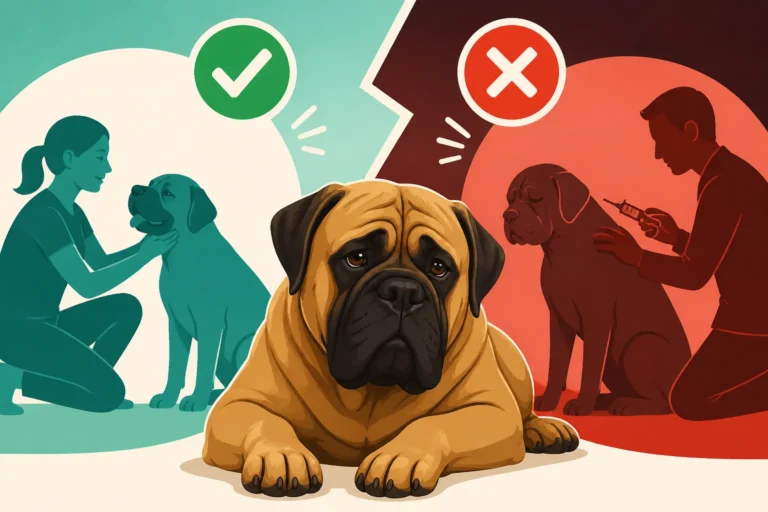
First and foremost is exceptional veterinary care throughout their life. From that initial Why a Bullmastiff Puppy Needs a Cardiac Exam to routine annual check-ups, early detection and intervention for health issues can make a world of difference. Regular wellness exams, vaccinations, parasite prevention, and prompt attention to any signs of illness are cornerstones of longevity. Investing in comprehensive pet insurance from companies like Healthy Paws can be a game-changer here, as it helps alleviate the financial burden of unexpected illnesses or accidents, allowing you to focus on getting your dog the best possible care without added stress. This is particularly important for large breeds like Bullmastiffs, whose treatments can be more expensive due to their size.
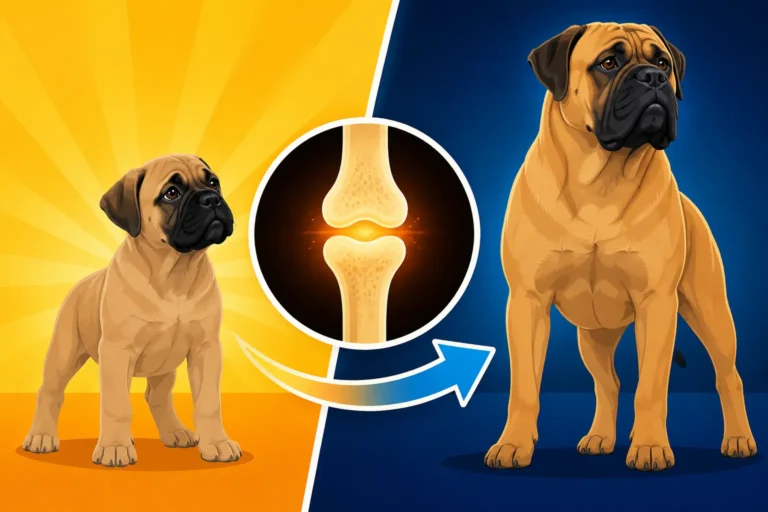
Nutrition and weight management are also critical. Keeping a Bullmastiff Lean Is the Best Thing You Can Do for their joints and overall health. Obesity significantly exacerbates issues like arthritis, heart disease, and even some cancers, potentially shaving years off their life. Feeding a high-quality diet appropriate for large breeds and carefully monitoring their caloric intake is paramount. Regular, appropriate exercise without overdoing it, especially during their growth phases, helps maintain muscle mass and joint health. Knowing When a Bullmastiff Should Be X Rayed for joint issues early can also guide their activity levels and preventative care.
Environmental factors, such as a safe home environment, protection from extreme weather (Why Eighty Degrees Is Dangerous for a Bullmastiff, for instance), and plenty of mental stimulation, all contribute to a dog's well-being and, by extension, their lifespan. An enriched environment reduces stress, which can positively impact physiological health. The age a Bullmastiff is considered senior often comes sooner than we'd like, usually around six years old, so establishing these good habits early on is crucial for their golden years. Remember, even with the best genetic makeup, a lack of proper care can drastically shorten a dog's life. Healthy Paws is there to help cover the costs of these crucial veterinary interventions, whether it's routine preventative care (if your plan covers it) or unexpected emergencies.
Making Informed Decisions for Your Bullmastiff's Future
Ultimately, the goal for any dog owner is to provide their beloved companion with the longest, happiest, and healthiest life possible. When it comes to the question of whether mixed breeding adds years to a Bullmastiff's life, the answer is nuanced: it's not a guaranteed shortcut to longevity, and it introduces its own set of variables and uncertainties. The "hybrid vigor" effect is real for certain traits and conditions, but it's not a universal antidote to all genetic predispositions.
If you're considering a Bullmastiff, whether purebred or a mixed breed, the most impactful choices you can make revolve around responsible sourcing and diligent care. For a purebred Bullmastiff, seek out breeders who are transparent about their dogs' health clearances and pedigrees, actively participating in breed health programs, and openly discuss the health of their lines. Always ask Which Health Tests a Bullmastiff Breeder Should Run. For a mixed-breed dog, whether from a planned cross or a rescue, try to gather as much information as possible about the parentage and any known health history. A reputable rescue organization will often have done extensive health checks on their dogs and can provide valuable insights into their temperament and potential needs.
No matter the genetic background, providing consistent, high-quality care is the single greatest predictor of a dog's health and longevity. This means regular veterinary check-ups (How Often a Bullmastiff Needs a Wellness Exam), a balanced diet tailored to their needs, appropriate exercise, maintaining a healthy weight, and a loving, stimulating home environment. As your Bullmastiff ages, adapting their care to their changing needs, like for Caring for an Aging Bullmastiff, becomes even more important. Having a strong financial plan, perhaps including a robust pet insurance policy like those offered by Healthy Paws, can ensure you're always prepared to give your Bullmastiff the best medical attention they deserve, regardless of what unexpected health challenges may arise. The joy and companionship they bring are immeasurable, and by making informed choices, you can truly maximize the precious time you have together.
Disclaimer
Please note that the information provided in this article is for general informational purposes only and does not constitute veterinary advice. Always consult with a qualified veterinarian for any health concerns or before making any decisions about your pet's care.