How a Bullmastiff Behaves at a Front Door
The moment a doorbell rings or a knock sounds, many Bullmastiff owners find themselves bracing for impact. It's a common, often overwhelming, experience when your otherwise gentle giant transforms into a formidable sentinel at the front door, making every delivery or visitor feel like an impending confrontation. This guide will walk you through the typical Bullmastiff behavior at the front door, help you understand the "why" behind their actions, and offer practical strategies to ensure a calmer, safer, and more welcoming entryway for everyone involved.
Understanding the Bullmastiff's Front Door Ethos
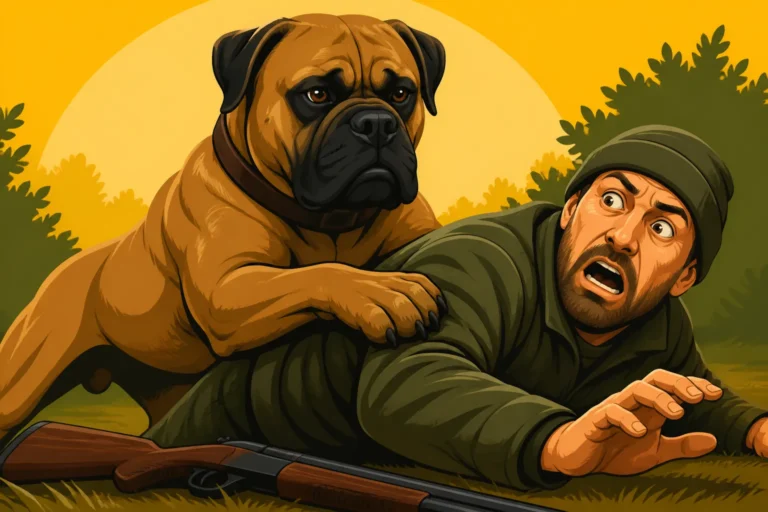
To truly grasp why your Bullmastiff acts the way they do when someone approaches the door, you have to remember their historical roots. These magnificent dogs weren't just bred to look imposing; they were meticulously developed to be the "Gamekeeper's Night Dog" in 19th-century England. Their job? To silently track and hold poachers without mauling them. This isn't just a fun historical tidbit; it's imprinted in their very DNA and directly influences their behavior in your home.
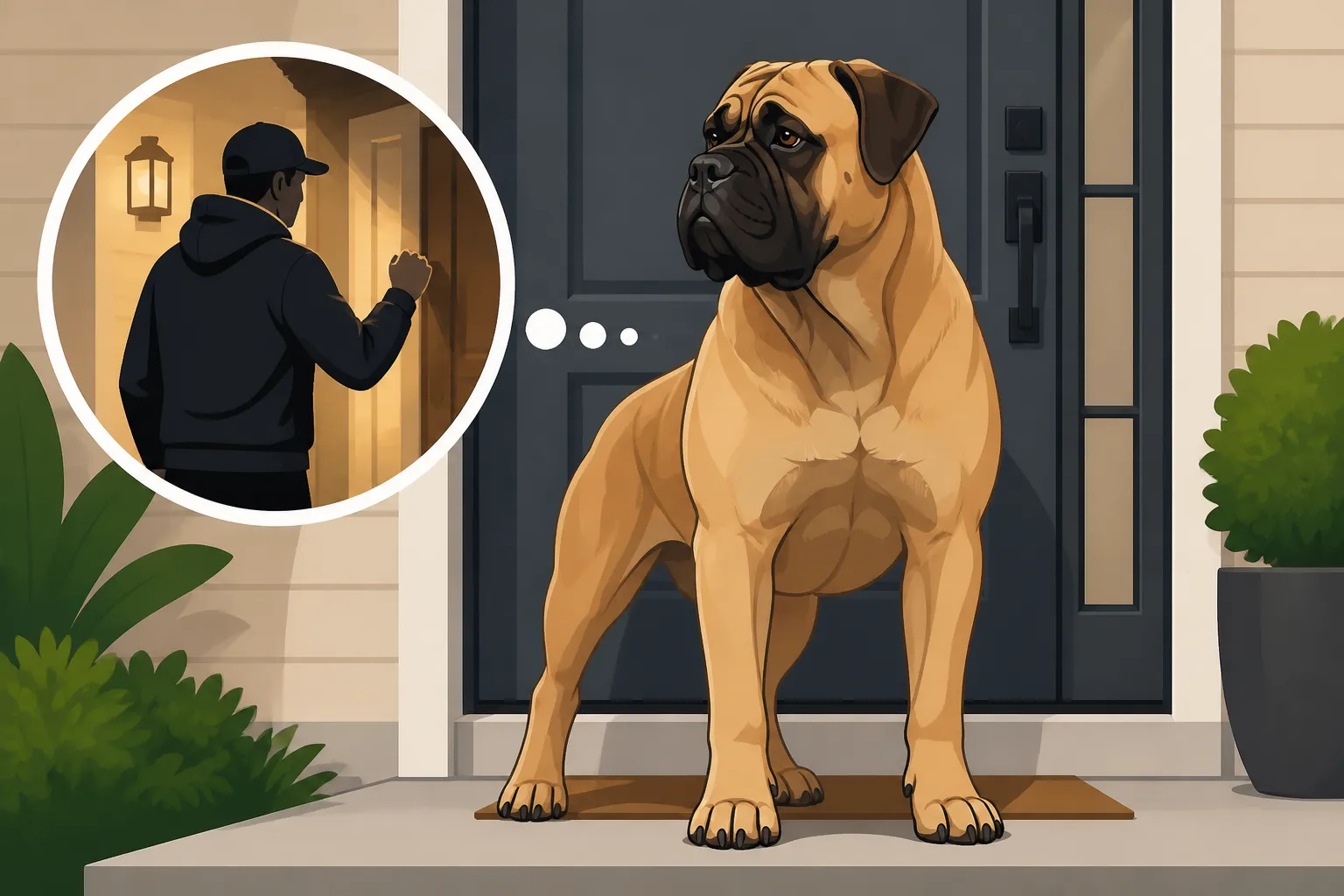
When a delivery person or a visitor approaches, your Bullmastiff isn't necessarily thinking, "Oh, a new friend!" or "Time for a walk!" Their primary instinct, often latent but always present, is to assess, guard, and potentially deter. They are incredibly territorial creatures, and your home, especially the front door, is their perceived boundary. They see it as their duty to patrol and protect this threshold. This deep-seated protective nature means they are often highly alert to anything or anyone entering their perceived space. It's not about aggression for aggression's sake; it's about their ingrained job description, even if that job now means protecting you from the mail carrier. This is also why many Bullmastiffs aren't big barkers in general, as their original purpose required them to work The Silent Guard: Why a Bullmastiff Barks So Little.
The Instinct to Guard and Protect
The Bullmastiff's history is crucial here. They were bred for a very specific type of guarding – one that involved intelligence, discernment, and a strong holding instinct rather than outright attack. This means their reaction at the door might not be a frenzied bark-fest, but more of a deliberate, sometimes intense, presence. They might plant themselves squarely in front of the door, blocking access, or stand rigid with an unblinking stare. This "body blocking" is a classic Bullmastiff maneuver, stemming from their original role of holding a poacher. They are literally placing their immense body between the perceived intruder and their family.
This guarding instinct isn't something you can train out of them entirely, nor would you necessarily want to. It's a fundamental part of who they are. What you can do, however, is manage it and channel it appropriately. Their response is often a mixture of protection and suspicion, sometimes tinged with excitement if they anticipate a friendly face or a treat. But even then, that initial moment of assessment at the door is paramount. Understanding How Protective a Bullmastiff Is helps frame their door behavior as a natural, albeit sometimes inconvenient, extension of their breed characteristics.
Why the Front Door is a Flashpoint
Think about it from your Bullmastiff's perspective. The front door is a portal to their world. Sounds come from outside – footsteps, voices, vehicles – often without visual cues. Then, suddenly, a person appears. This sudden appearance, combined with their territorial nature, can trigger an immediate, strong reaction. The auditory cues alone can be enough to put them on high alert.
For many dogs, the front door is also associated with arrival and departure, which can heighten their emotional state. If you leave frequently, they might associate the door with separation. If new people always bring excitement or chaos, they learn to escalate their own behavior. The front door is essentially a high-traffic, high-stimulus area, making it a natural flashpoint for any dog, but especially for one with the Bullmastiff's protective instincts and impressive physical presence. This is why consistent training from a young age is so critical, helping them understand what's expected of them when visitors arrive.
Common Bullmastiff Behaviors at the Door
When the doorbell rings, your Bullmastiff's reaction can vary, but there are several common behaviors that owners experience. These aren't necessarily "bad" behaviors, but they can certainly be challenging to manage due to the sheer size and power of the breed.
One of the most immediate reactions you'll notice is their physical presence. A Bullmastiff isn't subtle. They will likely be at the door in a flash, often placing themselves directly in the line of sight, or even physically leaning against the door or a person. This "leaning" behavior is often misinterpreted as simply being affectionate or clumsy, but it also has roots in their body blocking instinct. They are literally putting their weight into the situation, asserting their presence.
Beyond the physical, you might hear a low, rumbling growl, or a deep, resonant bark. While they are known for being quiet guardians, a sudden arrival can certainly prompt vocalizations. Some Bullmastiffs might not bark at all, instead opting for an intense, fixed stare, which can be even more intimidating to an unsuspecting visitor. And then there's the excitement: vigorous tail wags, jumping, and trying to push past you to greet (or investigate) the newcomer. All of these are part of the Bullmastiff's complex response system.
The Initial Rush and Barrier
The moment the bell rings or a knock sounds, many Bullmastiffs launch themselves towards the door. This isn't always aggressive; sometimes it's pure, unadulterated excitement, especially if they anticipate someone they know or associate positive experiences with. However, even friendly excitement can be overwhelming when it comes from a dog weighing over a hundred pounds. This initial rush can create a significant barrier, both physically and emotionally, for anyone trying to enter your home.
Imagine a delivery driver, perhaps a smaller individual, suddenly confronted by a massive Bullmastiff body-blocking the door, snorting and grunting with anticipation. Even if your dog has no ill intent, the sheer size can be alarming. It's this surge of energy and immediate positioning that makes door manners so important. Without proper training, this initial rush can escalate into jumping on guests, pawing, or even accidentally knocking someone over. Teaching a Bullmastiff to "wait" or "settle" before the door opens is paramount, not just for good manners, but for safety.
Barking, Growling, or Silent Stares
While Bullmastiffs are not typically considered "barkers," the front door is a notable exception. A sudden, unexpected stimulus like a doorbell can trigger a deep, booming bark that resonates through the house. This bark serves as an alert to you, and a warning to the visitor, that this territory is occupied. Some Bullmastiffs might let out a series of barks, while others might offer a single, profound "woof" followed by silence and intense observation.
More subtle, but equally potent, can be a low growl. This is often a warning signal, indicating discomfort or suspicion. It's not a sign of imminent attack in most cases, but rather a request for the perceived threat to back off. Then there are the silent guardians, those Bullmastiffs who forgo vocalizations entirely. Their response is a fixed, unwavering stare, often with their body held rigid and ears alert. This quiet intensity can be incredibly unnerving, as the lack of sound makes their formidable presence even more pronounced. Understanding How a Bullmastiff Decides Someone Is a Threat can help you interpret these signals and respond appropriately.
Jumping and Pushing Past You
Even a well-behaved Bullmastiff can forget their manners when the adrenaline of a front-door arrival hits. Jumping up is a common problem, often exacerbated by a dog's desire to greet or investigate face-to-face. A Bullmastiff on its hind legs can easily tower over most people, and even a playful jump can cause injury or fear. Their powerful paws can leave scratches or bruises, and their weight can knock an unsuspecting person off balance.
Beyond jumping, many Bullmastiffs will try to push past you, eager to get outside or get closer to the visitor. This is particularly dangerous as it could lead to your dog escaping, or placing them in a situation with someone who is uncomfortable or afraid of large dogs. Controlling their physical movement at the door is crucial for safety and courtesy. This means teaching a solid "stay" or "wait" command that holds up even in high-distraction environments. Consistency, especially in those early puppy months, is vital for Training a Bullmastiff That Weighs More Than You Do.
Managing and Training Front Door Manners
Effective management of your Bullmastiff's front door behavior is a blend of proactive training, environmental control, and understanding your dog's instincts. It's not about stifling their natural protective drives, but rather teaching them how to express those drives in an acceptable way within your home and society. The goal is to create a predictable routine where your Bullmastiff understands their role and expectations when the doorbell rings, leading to a calmer and more controlled experience for everyone.
One of the most important first steps is to establish clear boundaries long before a visitor even arrives. This might involve using physical barriers, such as a sturdy baby gate or a crate, to manage their access to the front door. This gives you control of the situation and prevents your Bullmastiff from rehearsing unwanted behaviors. Positive reinforcement is key here – rewarding calm behavior, even if it's just a moment of quiet focus, will reinforce the desired response. Remember, you're training a dog that is both intelligent and deliberate, so patience and consistency are your best friends.
Establishing a "Place" or "Stay" Protocol
Teaching your Bullmastiff a solid "place" or "stay" command is probably the single most effective tool for managing door behavior. This means designating a specific spot – a dog bed, a mat, or even their crate – that they must go to and remain on until released, especially when the front door is in use. Start practicing this in low-distraction environments, gradually adding more distractions, including simulated doorbells or knocks.
When a real visitor arrives, direct your Bullmastiff to their "place" before you open the door. Reward them generously for staying put. If they break position, calmly lead them back. The repetition and consistency are vital. For a breed that can be quite opinionated, like the Bullmastiff, making this a non-negotiable routine will eventually pay off. You can find excellent resources for systematic training, like those offered by BAXTER & Bella, which can guide you through these steps with positive, encouraging methods. The ultimate goal is for your Bullmastiff to view the "place" command as their job when the door is active, giving you the space and control to handle guests.
Using Physical Barriers and Management Tools
Sometimes, training alone isn't enough, or you need an immediate solution while you're still working on those manners. This is where physical barriers and management tools become invaluable. A heavy-duty baby gate can be placed a few feet back from the front door, creating a buffer zone that prevents your Bullmastiff from lunging or body blocking. This also keeps them safely contained while you answer the door, giving you peace of mind.
Crats are another excellent tool, especially if your Bullmastiff is crate-trained and views their crate as a safe, comfortable den. Asking them to go to their crate when the doorbell rings can provide a secure and calm space for them, and for your visitors. For an extra layer of control, a good quality leash and collar or a front-clip harness can be kept near the door. Even if they are usually off-leash indoors, having them on a leash for door greetings allows you to gently guide and control their movements. You can find durable options for large breeds on platforms like Amazon, ensuring you have the right gear to manage your powerful companion. Remember, these tools are not punishments; they are management strategies to set your Bullmastiff up for success.
Desensitization and Counter-Conditioning
For Bullmastiffs who react strongly to the doorbell or knocking, desensitization and counter-conditioning can be incredibly helpful. This involves gradually exposing them to the trigger (the sound of the doorbell or a knock) in a controlled way, while simultaneously creating a positive association. Start by playing a recording of a doorbell at a very low volume, so low that your Bullmastiff barely notices it. The moment they hear it, give them a high-value treat. Repeat this many times.
Slowly increase the volume, always pairing the sound with a treat. The idea is to change their emotional response from "intruder alert!" to "yay, treat time!" Do the same with knocking. Eventually, you can graduate to having someone actually ring the bell or knock at the door, still rewarding for calm behavior. This process requires patience and consistency, but it can significantly reduce anxiety and reactivity at the door. Remember, the goal isn't to make them ignore the sound, but to change their interpretation of it into something positive.
Tips for Welcoming Guests with a Bullmastiff
When guests arrive, having a plan will make all the difference. If your Bullmastiff is still learning, consider having them on a leash with you before you open the door. This allows you to maintain control. Ask your guests to ignore your Bullmastiff initially – no eye contact, no reaching out – until your dog has settled down. Once your Bullmastiff is calm, you can then invite them to greet the guest politely, reinforcing gentle interactions.
If your Bullmastiff is prone to jumping, turn your back as they jump and only reward them with attention when all four paws are on the floor. For those who lean, a gentle redirection or a "sit" command can help. Always keep training sessions short and positive. Some Bullmastiffs might take longer to warm up to new people. Respect their pace and don't force interactions. How a Bullmastiff Takes to Warm to a Visitor can vary, so observe your dog's comfort level. Over time, with consistent, positive reinforcement, your Bullmastiff will learn that polite door manners lead to good things, and your front door will become a much less stressful place.
Table of Bullmastiff Door Behavior & Solutions
Here's a quick summary of common front door behaviors and the strategies you can employ to manage them effectively:
| Behavior at Front Door | Why it Happens | Recommended Solution | Key Training Focus |
|---|---|---|---|
| Initial Rush/Body Block | Instinct to guard territory, excitement | "Place" command away from the door, physical gate | Stay, Wait, Go to Place |
| Excessive Barking/Growling | Alerting to perceived threat, territoriality | Desensitization to sounds, counter-conditioning with treats | Quiet, Settle, associating doorbell with positive |
| Jumping on Guests | Over-excitement, seeking attention, greeting | "Four Paws on the Floor" rule, ignore jumping, reward calm greeting | Sit, Down, Off (for jumping) |
| Pushing Past Owner/Escaping | Curiosity, desire to greet, lack of boundary training | Leash control, gate at door, strict "Wait" command | Wait, Stay (at threshold), Door Manners |
| Intense Staring/Rigidity | Assessment of threat, protective instinct | Redirect attention with a "look at me" command, controlled greetings | Look at Me, Relax, Gentle leash guidance |
This table offers a snapshot, but remember that each Bullmastiff is an individual. What works perfectly for one might need slight adjustments for another. The underlying principles of patience, consistency, and positive reinforcement, however, remain universal for this magnificent breed.
Disclaimer
This article is for general informational purposes only and does not constitute professional advice. Laws, prices and regulations vary by location and change over time. Consult a qualified professional for guidance on your specific situation.