Whether Neighbors Hear a Bullmastiff
Bullmastiff barking habits and neighbor noise concerns explained, detailing quiet guard traits, history, and common alert triggers.
Work with the temperament you have.
House-training and crate work, recall, leash manners, separation anxiety, and the behaviors this breed is wired for.
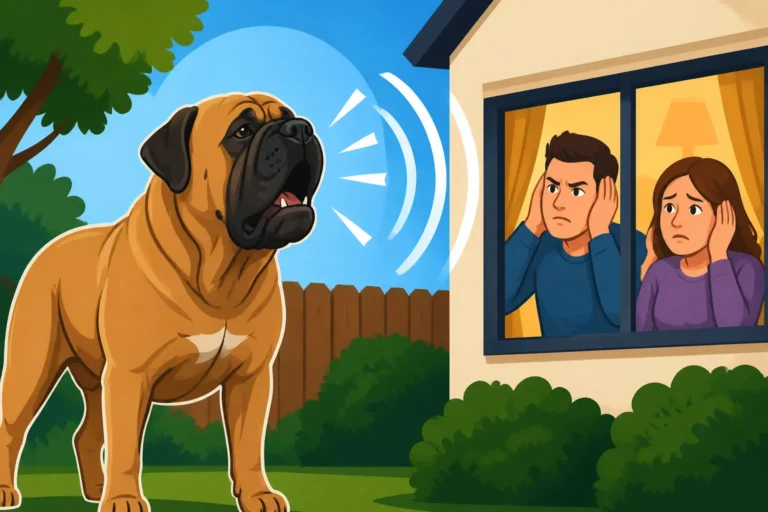
Bullmastiff barking habits and neighbor noise concerns explained, detailing quiet guard traits, history, and common alert triggers.

Bullmastiff growls communicate play, discomfort, or resource guarding rather than always signaling imminent aggression or attacks.

Bullmastiff barking sounds and vocal communication styles, including deep chest tones and infrequent alarm alerts for intruders.

Bullmastiff barking behaviors stem from historical traits, protective instincts, and specific territory triggers that cause them to use their voice.

Bullmastiff barking frequency and daily vocal habits explained based on historical breeding for quietness and guard dog instincts.

Nineteenth-century gamekeepers bred the Bullmastiff to catch poachers silently, favoring physical apprehension over a loud bark.

Bullmastiff insurance classification explains why insurers label them guard breeds and offers strategies to secure homeowner coverage.

Bullmastiff size and weight over one hundred pounds create a visual deterrent, but proper training shapes reliable protective instincts.

Managing a Bullmastiff during guest visits involves understanding guardian instincts, socialization, and crating options for home safety.
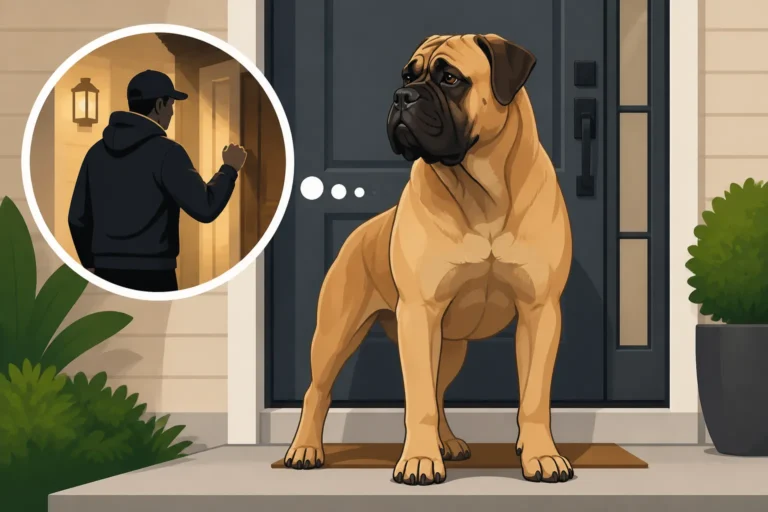
Bullmastiff front door behavior stems from historical guarding instincts, explaining why these territorial dogs patrol and protect home entryways.