Whether a Bullmastiff Accepts Guests Who Stay Over
Bullmastiff territorial instincts and protective nature explain how these dogs react to overnight houseguests staying over.
Work with the temperament you have.
House-training and crate work, recall, leash manners, separation anxiety, and the behaviors this breed is wired for.
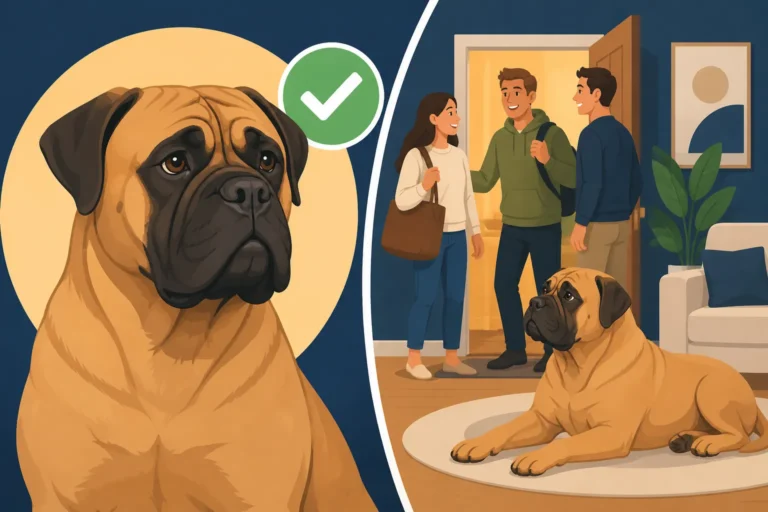
Bullmastiff territorial instincts and protective nature explain how these dogs react to overnight houseguests staying over.

Introducing a Bullmastiff to strangers requires a step-by-step approach to manage their protective nature and body language.

Bullmastiff guarding instincts and natural territorial reactions to delivery drivers help owners manage door interactions safely and calmly.

Bullmastiff bite force measurements in pounds per square inch explain jaw pressure, physical structure, and actual dog behavior.

Bullmastiff aggression triggers include hidden pain, fear, and poor socialization, explaining why this powerful dog breed might attack.
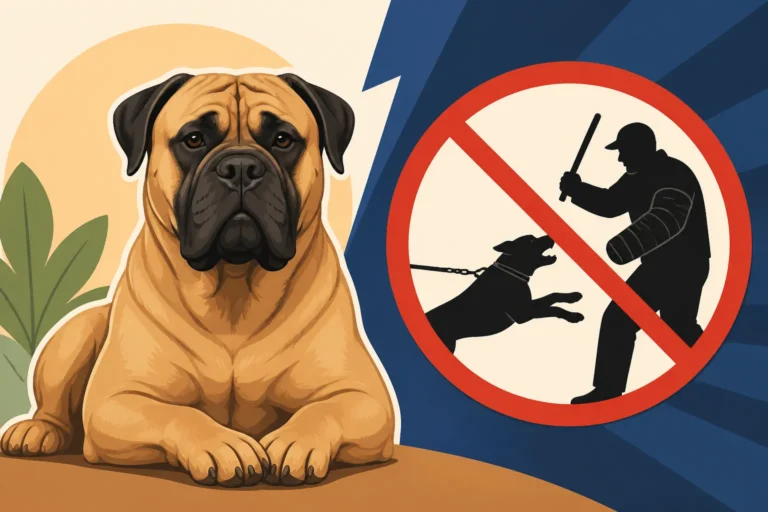
Bullmastiff guarding instincts and historical role as estate protectors make formal protection training unnecessary and risky.

Formal guard training for a Bullmastiff often increases risks because these dogs naturally pin intruders instead of biting.
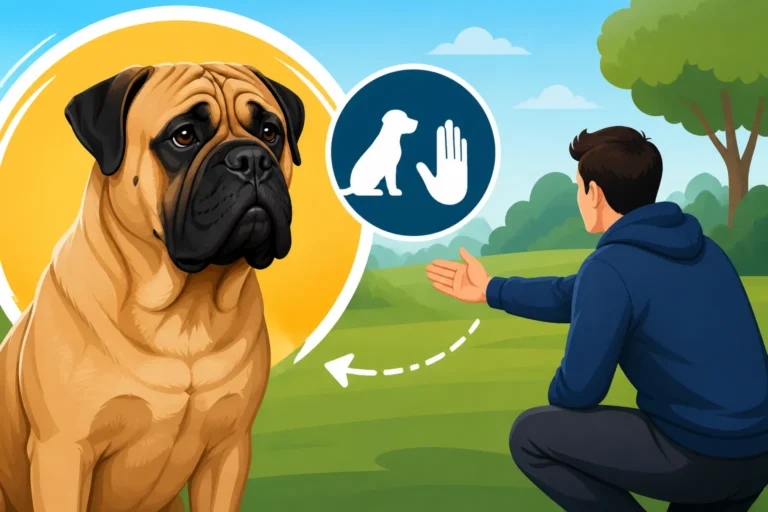
Bullmastiff recall training explains why these dogs hesitate and how to build a reliable command using high-value rewards.

Bullmastiff threat assessment involves genetic instincts, sensory cues, and quiet observation to evaluate strangers approaching property.

Bullmastiff territorial instincts stem from 19th-century gamekeeper roots to track and pin down human poachers on large estates.