Why a Bullmastiff’s Lymphoma Risk Is Five Times a Mixed Breed’s
It's an incredibly tough moment when you hear your beloved Bullmastiff might be sick, especially when you start to realize the breed carries certain risks that other dogs might not. For Bullmastiff owners, the shadow of lymphoma is a particularly heavy one, a cancer that unfortunately strikes our gentle giants with alarming frequency. This comprehensive guide will explore why Bullmastiffs face a lymphoma risk that's five times higher than mixed-breed dogs, what that really means for you and your dog, and how you can navigate this challenging reality with knowledge and preparation.
Understanding Lymphoma in Bullmastiffs: A Breed-Specific Challenge
When we talk about cancer in dogs, lymphoma often comes up, and for good reason. It's one of the most common cancers diagnosed in canines, but its presence in Bullmastiffs is disproportionately high. As a Bullmastiff parent, it’s not just a statistic; it's a terrifying possibility that can loom over your dog's life, often much earlier than you’d ever expect for such a large, seemingly robust breed.
What is Lymphoma and How Does it Affect Dogs?
Lymphoma is a cancer of the lymphocytes, a type of white blood cell that plays a crucial role in the immune system. These cells are found throughout the body in organs like the lymph nodes, spleen, bone marrow, and gastrointestinal tract. When lymphoma strikes, these lymphocytes begin to multiply uncontrollably, forming tumors and disrupting normal organ function. It’s not a single disease but rather a group of diverse cancers, each with its own characteristics and progression.
Think of your dog's immune system as a sophisticated defense network. Lymphocytes are like the patrol officers, constantly monitoring for threats. In lymphoma, these patrol officers turn rogue, multiplying without orders and crowding out the healthy cells. This can manifest in several ways: multicentric lymphoma, which affects the lymph nodes all over the body; alimentary lymphoma, which targets the gastrointestinal tract; mediastinal lymphoma, impacting organs in the chest; and extranodal lymphoma, which can appear in unusual places like the skin, eyes, or central nervous system. For Bullmastiffs, multicentric lymphoma is often the most commonly encountered form, leading to visibly swollen lymph nodes, though other types are certainly a concern. The insidious nature of this disease means that its effects can be widespread, making early detection and understanding vital.
The Alarming Statistics for Bullmastiffs
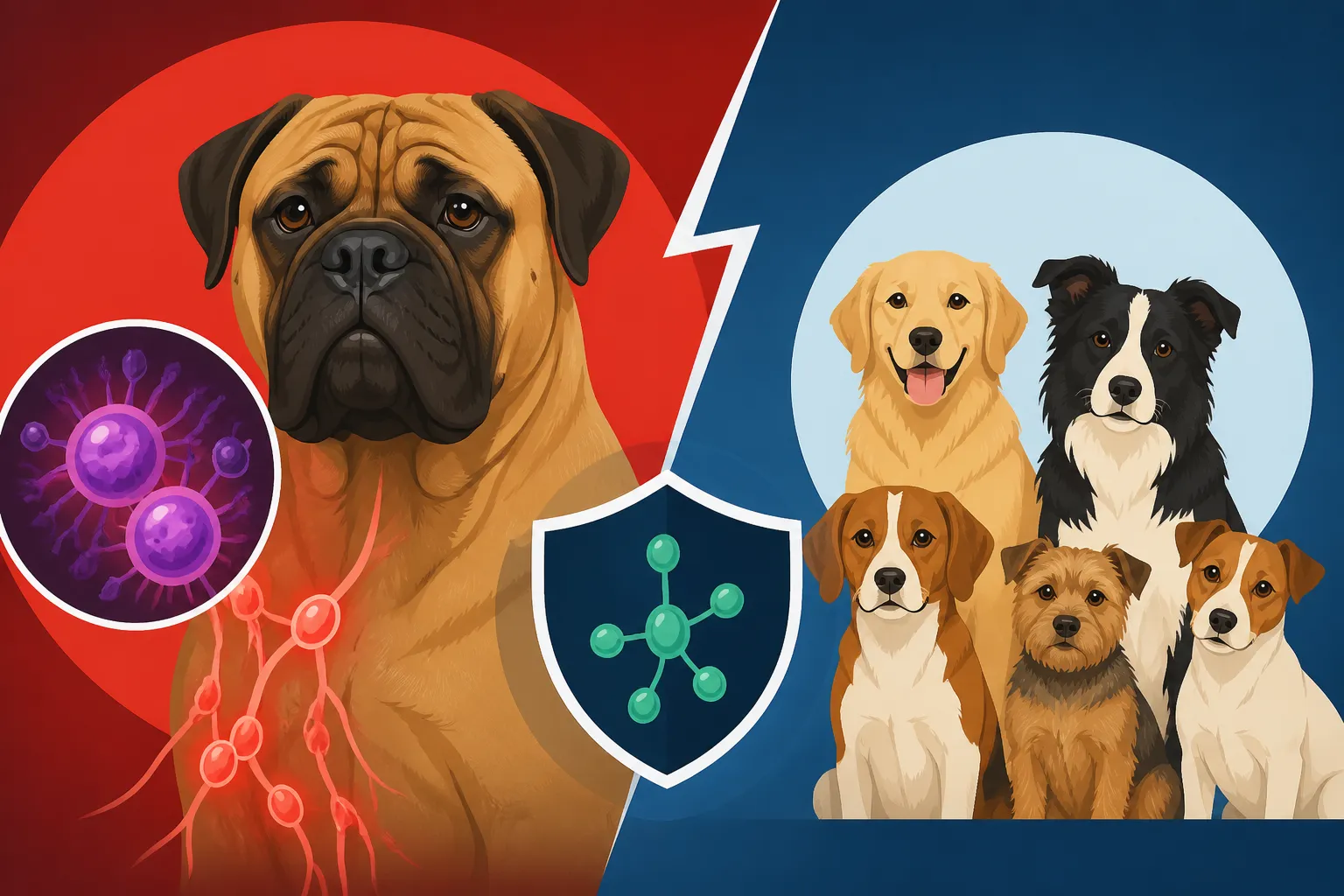
The cold, hard truth is that Bullmastiffs are at a significantly elevated risk for developing lymphoma. Studies have indicated that their risk is approximately five times higher than that of the general mixed-breed dog population. This isn't just a slight increase; it's a dramatic difference that paints a concerning picture for anyone devoted to this breed. This statistic means that if you own a Bullmastiff, the likelihood of facing a lymphoma diagnosis is a very real, very present concern, not just a distant possibility.
This heightened risk isn't just about genetics, though that plays a massive role, which we'll delve into soon. It means that while you might be diligently providing excellent care, nutrition, and exercise, your Bullmastiff inherently carries a heavier burden when it comes to this particular cancer. It's a frustration many Bullmastiff owners grapple with – doing everything "right" and still knowing this increased risk exists. It affects how you observe your dog, how often you check for changes, and the conversations you have with your veterinarian. This breeds specific vulnerability is a profound aspect of owning a Bullmastiff and one that deserves thorough understanding and proactive management. It’s a stark reminder that sometimes, even with the best intentions, our beloved companions face battles we can only prepare for as best we can. To truly grasp the gravity, it helps to understand What Lymphoma Does to a Bullmastiff at a deeper level.
Deciphering the Genetic Puzzle Behind Bullmastiff Lymphoma
It’s natural to wonder why our Bullmastiffs are so susceptible to lymphoma. Is it something we’re doing? Is it just bad luck? While environmental factors and individual circumstances can play a part, the overwhelming evidence points to a strong genetic component. This isn't a fault of individual breeders necessarily, but rather a complex consequence of how breeds are developed and maintained.
The Role of Selective Breeding in Predisposition
Modern dog breeds, including the Bullmastiff, were created through selective breeding to achieve specific traits—whether it was a particular look, temperament, or working ability. For Bullmastiffs, the goal was a powerful, silent guardian for gamekeepers. This process, while creating the magnificent dogs we love today, often involves breeding closely related individuals or using a limited gene pool to "fix" desired characteristics. Unfortunately, along with those desired traits, certain undesirable genetic predispositions, like those for lymphoma, can also become concentrated and passed down through generations.
Imagine a population where a gene that increases lymphoma risk is present at a low frequency. If breeders, unknowingly, select for other traits that happen to be linked to or co-occur with this risk gene, or if they repeatedly use popular sires who carry the gene, its frequency in the breed population can skyrocket. Over time, what might have been a rare anomaly in a diverse mixed-breed population becomes a common, devastating reality for a specific breed. This isn't to say breeders intentionally breed for cancer, but it highlights the complex challenges of breed health. Breeders have made immense strides in screening for visible, structural issues like hip and elbow dysplasia, but cancers like lymphoma are far more insidious and challenging to eliminate from a gene pool.
Current Research and Genetic Markers
The scientific community is actively working to unravel the genetic mysteries behind breed-specific cancers, including lymphoma in Bullmastiffs. Researchers are constantly looking for specific genetic markers or mutations that could indicate a higher risk. Identifying these markers would be a game-changer, allowing breeders to make more informed decisions and potentially screen puppies for their genetic predisposition.
While progress is being made, the specific "lymphoma gene" for Bullmastiffs hasn't been definitively isolated in a way that allows for a widely available, reliable commercial genetic test yet. This means breeders often rely on tracking health in pedigrees, looking at the longevity and cause of death of ancestors and siblings, which is a commendable effort but inherently retrospective. This makes the situation incredibly frustrating for both breeders and owners. If we had a simple genetic test, we could remove affected lines from breeding programs more effectively. Until then, we rely on careful observation, regular veterinary check-ups, and an understanding of the breed's history. It's a challenging, ongoing puzzle, and knowing What Research Says About Bullmastiff Lymphoma Genes can help owners understand the current state of scientific exploration.
Recognizing the Early Warning Signs and Symptoms
One of the most disheartening aspects of lymphoma, especially in a stoic breed like the Bullmastiff, is how subtly it can begin. Our dogs are masters at hiding discomfort, and by the time outward symptoms become obvious, the disease may already be advanced. This makes diligent observation and understanding the potential signs absolutely critical for any Bullmastiff owner.
The Insidious Nature of Lymphoma's Onset
Lymphoma often starts quietly, a silent enemy slowly establishing its foothold. You might notice a slight dip in your Bullmastiff's energy, a little less enthusiasm for walks, or a subtle change in appetite. These are often easy to dismiss as "just getting older," a "lazy day," or a bit of an upset stomach. And truthfully, sometimes they are. But for a breed with such a high lymphoma risk, these seemingly minor changes can be the first whispers of a serious problem. The fact that Bullmastiffs are so good at masking pain and illness complicates matters immensely. They don't typically whine or limp unless something is significantly wrong, making it easy for early, less obvious symptoms to go unnoticed.
This quiet progression is precisely Why a Bullmastiff's Lymphoma Is Found Late. By the time a swollen lymph node is easily visible or a dog is clearly ill, the cancer might have progressed to a higher stage, potentially making treatment more challenging and the prognosis less favorable. This underscores the need for proactive, regular checks and a keen awareness of your dog's normal behavior patterns. Every Bullmastiff owner needs to become an expert in their dog’s baseline, so any deviation, no matter how small, triggers an investigation.
What to Look For: Swollen Lymph Nodes and Other Indicators
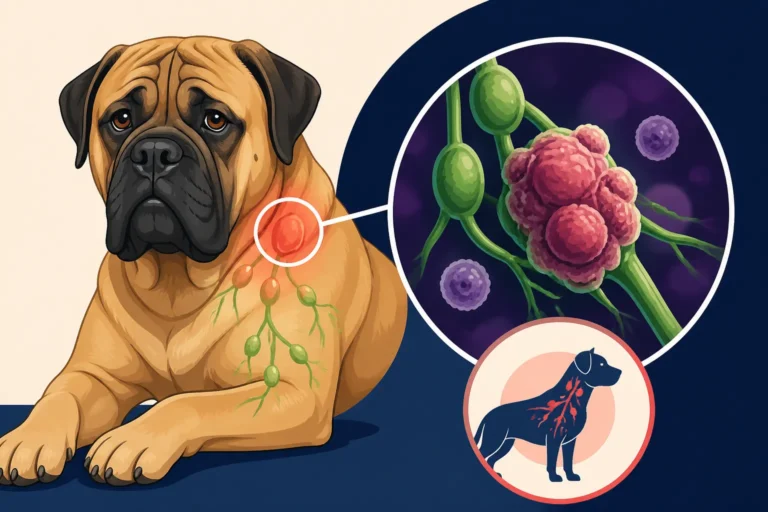
The most classic sign of multicentric lymphoma is enlarged lymph nodes. These are typically felt under the jaw, in front of the shoulders, behind the knees, and in the groin area. Healthy lymph nodes are usually small, soft, and difficult to feel. Lymphoma-affected nodes, however, can grow firm, rubbery, and range in size from a pea to a golf ball, or even larger. They are often not painful to the touch, which further contributes to their late detection.
Here's a quick guide to checking your Bullmastiff's lymph nodes regularly:
- Under the Jaw (Submandibular): Gently cup your dog's jaw and run your fingers along the underside, feeling for symmetrical, soft lumps on both sides.
- Shoulder (Prescapular): Feel in front of your dog's shoulder blade, near the base of the neck.
- Armpit (Axillary): While less commonly palpated for routine checks, you can feel in the armpit area.
- Groin (Inguinal): Feel in the crease where the hind leg meets the body, on both sides.
- Behind the Knees (Popliteal): Feel behind the stifle joint (the "knee" of the back leg).
Beyond swollen lymph nodes, other signs a Bullmastiff has lymphoma can include:
- Lethargy or decreased energy: Your normally active (for a Bullmastiff!) dog might seem unusually tired or unwilling to play.
- Weight loss or decreased appetite: Even if they're eating, they might be losing weight, or they might become pickier with food.
- Difficulty breathing or coughing: If lymphoma affects lymph nodes in the chest (mediastinal) or the lungs directly, you might notice these symptoms.
- Increased thirst or urination: Though less common, these can sometimes be present.
- Swelling in the face or legs: If lymph nodes obstruct fluid drainage, this can occur.
It's vital to remember that these symptoms can also indicate other health issues. However, given the Bullmastiff's predisposition, any combination of these signs warrants an immediate visit to your veterinarian. Being proactive and knowing Signs a Bullmastiff Has Lymphoma and Where a Bullmastiff's Swollen Nodes Are Felt First can make all the difference in catching this disease early.
The Diagnostic Journey for a Bullmastiff with Suspected Lymphoma
Hearing the word "lymphoma" from your vet is devastating, but it's just the beginning of a diagnostic journey. This process is crucial for confirming the diagnosis, determining the type of lymphoma, and assessing its stage, all of which will guide treatment decisions. It's a lot to take in, and it often feels like a whirlwind of tests and information, but each step is vital for your Bullmastiff's care.
Initial Veterinary Examination and Bloodwork
Your first stop will be your regular veterinarian, who will perform a thorough physical examination. This is where they’ll meticulously palpate all peripheral lymph nodes, check your Bullmastiff's abdomen, listen to their heart and lungs, and generally assess their overall condition. If enlarged lymph nodes are found, or if other symptoms raise suspicion, bloodwork will likely be recommended.
Routine blood tests, like a complete blood count (CBC) and a biochemistry panel, provide a general picture of your dog's health. While they don't directly diagnose lymphoma, they can reveal abnormalities like an elevated white blood cell count (sometimes, but not always, seen with lymphoma), anemia, or changes in organ function that might suggest the cancer is affecting other systems. For example, if lymphoma is impacting the liver or kidneys, the biochemistry panel might show elevated enzymes or kidney values. These initial tests help rule out other conditions and give your vet a baseline understanding before moving to more specific diagnostics. It’s the foundational step, helping to gather clues and point towards the next logical steps in the investigation.
Advanced Diagnostics: Biopsies, Ultrasounds, and Staging
If lymphoma is suspected based on the physical exam and bloodwork, more advanced diagnostics are necessary to confirm the diagnosis and determine the extent of the disease. This is where things can get a bit more involved, and often where an oncology referral might be considered.
The gold standard for diagnosing lymphoma is a biopsy, typically of an affected lymph node. Before a surgical biopsy, a less invasive procedure called a fine needle aspirate (FNA) is often performed. For an FNA, your vet will use a small needle to collect cells directly from a swollen lymph node. This procedure is quick, usually requires no sedation, and can sometimes provide an immediate preliminary diagnosis. However, an FNA only collects a small sample of cells, and sometimes, the cells aren't sufficient or characteristic enough for a definitive diagnosis or precise subtyping of the lymphoma. In such cases, What a Needle Aspirate Shows in a Bullmastiff might suggest lymphoma, but a more comprehensive sample is needed.
When an FNA is inconclusive or a more definitive diagnosis and grading are required, a lymph node biopsy is performed. This involves surgically removing a whole lymph node (or a piece of a larger mass) and sending it to a specialized veterinary pathologist. This allows for a much more detailed examination of the tissue structure and cell types, which is crucial for determining the specific type (e.g., B-cell or T-cell lymphoma) and grade of the cancer. This information is critical for guiding treatment and prognosis. Knowing When a Bullmastiff Needs a Node Biopsy is important for making informed decisions with your vet.
Staging is the process of determining how far the cancer has spread within the body. This is incredibly important for Bullmastiffs, as it dictates the treatment plan and helps predict outcomes. Staging often involves:
- Abdominal Ultrasound: To check the internal lymph nodes, spleen, and liver for involvement.
- Chest X-rays: To look for enlarged lymph nodes in the chest or signs of lung involvement.
- Bone Marrow Aspirate/Biopsy: To see if the bone marrow is affected, especially if blood counts are abnormal.
This comprehensive staging process helps your veterinary oncologist develop the most effective treatment strategy. It’s an overwhelming time, but understanding What Staging a Bullmastiff's Lymphoma Involves can help you feel more in control of the situation, even if the news is tough.
| Diagnostic Test | Purpose | Invasiveness | Typical Cost Range (USD) |
|---|---|---|---|
| Physical Exam | Initial assessment, lymph node palpation | Low | $50 – $150 |
| Complete Blood Count | General health, blood cell abnormalities | Low | $80 – $200 |
| Biochemistry Panel | Organ function, metabolic indicators | Low | $80 – $200 |
| Urinalysis | Kidney function, rule out infections | Low | $40 – $100 |
| Fine Needle Aspirate | Collect cells from swollen nodes for preliminary diagnosis | Low | $100 – $300 |
| Lymph Node Biopsy | Definitive diagnosis, subtyping, grading | Moderate | $400 – $1,000+ |
| Abdominal Ultrasound | Check internal organs and lymph nodes | Moderate | $300 – $600 |
| Chest X-rays | Check thoracic lymph nodes and lungs | Low | $150 – $300 |
| Bone Marrow Aspirate | Assess bone marrow involvement (if indicated) | Moderate | $400 – $800 |
Note: Costs are estimates and can vary significantly by region, veterinary clinic, and specific circumstances.
Treatment Options and Prognosis for Bullmastiff Lymphoma
Once a Bullmastiff has been diagnosed with lymphoma and the cancer has been staged, the conversation turns to treatment. This is often the most emotionally challenging part for owners, as the options can be complex, costly, and come with their own set of considerations for your dog's quality of life. It’s a road paved with difficult decisions, but understanding the possibilities can help you advocate for your beloved companion.
Navigating Chemotherapy Protocols
For most Bullmastiffs with multicentric lymphoma, chemotherapy is the primary treatment recommendation. The goal of chemotherapy is to induce remission, which means reducing or eliminating visible signs of cancer and improving your dog's quality of life. It's important to understand that canine lymphoma, while rarely cured, can often be managed effectively, providing good quality time.
The most common and effective chemotherapy protocol is typically a multi-agent regimen, often referred to as the "CHOP protocol." This involves a combination of different chemotherapy drugs administered on a schedule, usually weekly, for several months. For example, a typical CHOP protocol might run for How Many Weeks a Bullmastiff's Chemotherapy Runs, often around 16-25 weeks, depending on the specific drugs and the dog's response. The individual drugs work in different ways to target rapidly dividing cancer cells. While the thought of chemotherapy can be frightening, it’s often much better tolerated by dogs than by humans.
Bullmastiffs generally tolerate chemotherapy fairly well, but side effects can occur. These might include mild gastrointestinal upset (nausea, vomiting, diarrhea), temporary hair loss (though less common in short-coated breeds), or a temporary dip in white blood cell counts, making them more susceptible to infection. Your veterinary oncologist will monitor your Bullmastiff closely for these side effects and adjust dosages or provide supportive medications as needed. The key is managing these potential issues to maintain your Bullmastiff's comfort and quality of life throughout the treatment period. It’s a commitment, both emotionally and financially, but for many, it offers precious months or even years with their cherished dog. Understanding How a Bullmastiff Tolerates Chemotherapy can help ease some initial anxieties.
Palliative Care and Quality of Life Considerations
Not every Bullmastiff owner chooses or can afford the intensive route of multi-agent chemotherapy, and for some dogs, due to age or other health conditions, it might not be the best option. In these situations, palliative care becomes paramount. The focus shifts entirely to maximizing comfort and quality of life for the time they have left.
One common palliative approach is the use of oral prednisone, a corticosteroid. Prednisone can be remarkably effective at reducing the size of lymph nodes, improving appetite, and boosting energy levels, making your Bullmastiff feel much better. It can provide a good quality of life for a period, often several weeks to a few months. However, prednisone alone is not curative; it merely slows the progression of the disease without typically inducing a long-term remission. Whether Prednisone Alone Helps a Bullmastiff is a common question, and the answer is yes, it helps with comfort and can extend life, but it's generally not a long-term solution on its own.
Palliative care also involves managing any symptoms your Bullmastiff experiences, such as pain, nausea, or breathing difficulties, with appropriate medications. It's about ensuring every day is as good as it can be, prioritizing their happiness and comfort over aggressive treatments that might cause more distress than benefit. This is a deeply personal decision, made in consultation with your vet, focusing on what’s best for your individual dog and your family.
What to Expect: Remission and Relapse
The goal of chemotherapy is to achieve remission, where the cancer is no longer detectable, and your Bullmastiff appears healthy. The duration of remission can vary significantly. With a successful CHOP protocol, the median remission time for dogs is often around 6-12 months, though some dogs may achieve longer remissions. It's a joyful, yet bittersweet, time, as owners know the battle isn't truly over.
Unfortunately, lymphoma in dogs almost always relapses. This means that after a period of remission, the cancer will eventually return. How Long Remission Lasts in a Bullmastiff is unpredictable, but it is a question every owner asks. When the cancer relapses, it often becomes more aggressive and less responsive to the initial chemotherapy drugs. The signs of relapse are typically similar to the initial symptoms: re-enlargement of lymph nodes, lethargy, decreased appetite, and other signs of illness. Knowing What a Bullmastiff's Lymphoma Relapse Looks Like can help you recognize it quickly.
At relapse, owners have another set of difficult decisions to make. Options might include trying a different "rescue" chemotherapy protocol, which might be less effective or have more side effects, or focusing purely on palliative care to keep your Bullmastiff comfortable for as long as possible. It's a testament to the resilience of both Bullmastiffs and their owners that they navigate these cycles of hope and challenge with such grace.
Proactive Measures and Owner Support
Living with a Bullmastiff means accepting certain health realities, and the high risk of lymphoma is certainly one of them. While you can't entirely eliminate the genetic predisposition, there are proactive steps you can take to support your Bullmastiff's health and be better prepared should a diagnosis occur.
Working with Reputable Breeders
This is perhaps one of the most impactful decisions you can make from the very beginning. A reputable Bullmastiff breeder will be deeply invested in the health of their lines and will prioritize breeding healthy dogs with good longevity. They understand the health challenges facing the breed and actively work to mitigate them.
What should you look for? A breeder who openly discusses health issues within their pedigrees, including cancer rates and longevity of their dogs' ancestors. While there isn't a genetic test for Bullmastiff lymphoma, a conscientious breeder will track health outcomes, looking for patterns and trying to breed away from lines with consistent early-onset cancers. They will happily share information about the health screenings of the parent dogs for conditions like hip and elbow dysplasia, cardiac health, and thyroid issues, even if these don't directly prevent lymphoma, they indicate a commitment to overall health. They should also be transparent about the health and temperament of puppies from previous litters from the same parents. A breeder who truly understands Whether Bullmastiff Breeders Track Cancer in Pedigrees and acts on that information is an invaluable partner in your journey.
The Role of Diet and Lifestyle
While there's no magic diet that prevents cancer, a healthy lifestyle undeniably supports overall well-being and a robust immune system. For a large breed like the Bullmastiff, maintaining an ideal body weight is paramount. Obesity puts extra strain on joints, exacerbates other health issues, and some studies suggest it may even influence cancer risk. Keeping a Bullmastiff lean is the best thing you can do for their long-term health, as it reduces inflammation and metabolic stress.
Feed a high-quality, balanced diet appropriate for large breeds and their life stage. Discuss any dietary concerns or supplements with your veterinarian. Ensure your Bullmastiff gets regular, appropriate exercise – enough to keep them fit without over-stressing their developing joints as puppies or their aging bodies as seniors. Avoid exposure to known carcinogens where possible, such as secondhand smoke, certain lawn chemicals, and excessive sun exposure without protection if they have sparse hair in areas. Regular veterinary check-ups, especially as your Bullmastiff ages, are also crucial for early detection of any health changes. Remember, a healthy body is better equipped to fight off disease or to tolerate treatments if cancer does strike.
Financial Planning and Pet Insurance
Facing a lymphoma diagnosis in your Bullmastiff can be incredibly expensive. Chemotherapy treatments, diagnostic tests, consultations with specialists – the costs can quickly add up to thousands of dollars, placing a significant financial burden on owners who are already dealing with immense emotional stress. For many, the unexpected bill can force heartbreaking decisions.
This is where pet insurance becomes a lifeline. Comprehensive pet insurance plans can cover a substantial portion of the costs associated with cancer treatment, including diagnostics, chemotherapy drugs, and specialist visits. It's not about being cynical; it's about being prepared for the statistical reality of owning a Bullmastiff. Many owners will unfortunately find that Chemotherapy Is the Bill Most Bullmastiff Owners Face, and without insurance, these costs can be prohibitive. Consider enrolling your Bullmastiff in a good pet insurance plan like those offered by Healthy Paws when they are young, ideally before any pre-existing conditions are identified. Healthy Paws, for instance, is known for its comprehensive coverage for accidents and illnesses, including cancer treatments. This proactive step can provide immense peace of mind, knowing that if lymphoma strikes, your focus can be entirely on your Bullmastiff's care, not on the daunting financial strain. Understanding What Insurance Covers on a Bullmastiff is vital, so do your research and pick a plan that suits your needs.
Coping with a Diagnosis: Emotional Support and Resources
A lymphoma diagnosis for your Bullmastiff is a heavy blow. It’s a shock, a fear, and a sadness that can feel overwhelming. It’s important to acknowledge and process these emotions, and to understand that you don’t have to go through this alone.
The Emotional Toll on Owners
As Bullmastiff owners, we form incredibly deep bonds with our dogs. They are family members, confidantes, and sources of unconditional love. When they receive a serious diagnosis like lymphoma, it can trigger a cascade of emotions: grief, anger, guilt, fear, and profound sadness. You might feel guilty that you didn't notice symptoms sooner, angry that this happened to your dog, or simply overwhelmed by the decisions ahead. These feelings are normal and valid.
It’s easy to feel isolated during this time, especially when your friends and family might not fully grasp the depth of your bond with your Bullmastiff or the complexity of the situation. Allowing yourself to grieve, cry, and express your feelings is part of the coping process. Remember that the emotional burden of caring for a sick pet is real, and it’s okay to acknowledge how hard it is. Your Bullmastiff needs you to be strong and clear-headed, but you also need to take care of yourself.
Finding Support Groups and Veterinary Oncologists
One of the most valuable resources you can tap into during this challenging time is a support network. Connecting with other Bullmastiff owners who have navigated similar diagnoses can provide comfort, practical advice, and a sense of community. Online forums, breed-specific groups on social media, or local pet bereavement groups can offer a safe space to share your experiences and learn from others.
Equally important is assembling the right veterinary team. While your primary veterinarian is essential, a diagnosis of lymphoma often warrants a referral to a board-certified veterinary oncologist. These specialists have extensive training and experience in canine cancer, and they stay up-to-date on the latest treatments and research. They can guide you through complex chemotherapy protocols, offer clinical trial options, and help you make informed decisions about your Bullmastiff's care plan. Don't hesitate to seek out an oncologist; they are your best allies in this fight. Your regular vet can often provide a referral, or you can search for veterinary oncology centers in your area. Organizations like Healthy Paws can also be a valuable resource in connecting you to top veterinary care, as part of their commitment to supporting pet parents through difficult health challenges. Having an expert on your side makes a huge difference.
Looking to the Future: Research and Hope
While the high lymphoma risk in Bullmastiffs presents a significant challenge, it’s not a static problem. Dedicated researchers, veterinarians, and passionate breed enthusiasts are continually working towards a better future for our beloved dogs. There is always hope, fueled by scientific advancements and an ever-deepening understanding of canine health.
Advancements in Canine Cancer Treatment
The field of veterinary oncology is rapidly evolving. What was considered cutting-edge treatment a decade ago is now standard, and new therapies are constantly being developed. Researchers are exploring novel chemotherapy agents, targeted therapies that specifically attack cancer cells with fewer side effects, immunotherapy approaches that harness the dog's own immune system to fight cancer, and improved supportive care measures.
For Bullmastiffs, this means that while the prognosis for lymphoma remains guarded, the quality and duration of life that can be achieved post-diagnosis are improving. Clinical trials often offer access to these cutting-edge treatments, providing hope for dogs who might not respond to standard protocols. Discussing these options with your veterinary oncologist can open doors to new possibilities that may not have existed even a few years ago. These advancements offer a beacon of light for Bullmastiff owners facing this daunting disease.
Contributing to Breed Health Initiatives
As a Bullmastiff owner, you have a vital role to play in improving the health of the breed for future generations. Supporting breed health initiatives, even in small ways, can contribute to significant progress. This might involve participating in health surveys conducted by breed clubs, sharing your dog's health information (especially if they are diagnosed with lymphoma) with researchers (often anonymized), or considering enrolling your dog in clinical trials if appropriate.
Many national breed clubs, like the American Bullmastiff Association, have health committees dedicated to understanding and addressing breed-specific health concerns. By providing information about your Bullmastiff's health journey, you help build a larger dataset that researchers can analyze to identify genetic links, environmental factors, or treatment responses that could benefit the entire breed. Every piece of information contributes to the puzzle, pushing us closer to a future where the shadow of lymphoma might not loom so large over our magnificent Bullmastiffs. Your participation, no matter how small, helps ensure that the future of the breed is healthier and happier.
Disclaimer
Please remember that the information provided in this article is intended for educational purposes only and should not replace professional veterinary advice. Always consult with your veterinarian or a board-certified veterinary oncologist for any health concerns or before making any decisions regarding your Bullmastiff's medical care.