How Long Gamekeepers Used Bullmastiffs Before 1924
Many people today marvel at the Bullmastiff's impressive size and calm demeanor, but few truly understand the incredible story behind its origins. This magnificent breed wasn't simply "discovered" or bred on a whim; it was meticulously, albeit informally, developed over many decades by a specific group of individuals facing a very real, dangerous problem. This guide will delve into the long and vital period before 1924, exploring how English gamekeepers shaped the Bullmastiff into the silent, powerful guardian we know today.
The Gamekeeper's Predicament and the Need for a Specialized Dog
Imagine rural England centuries ago, vast estates stretching for miles, teeming with game – deer, pheasants, rabbits – all considered the property of the landowner. But where there's wealth, there's often desperation, and the temptation for local villagers to poach for food or profit was immense. This wasn't just petty theft; it was a serious crime that could ruin a landowner's income and disrupt the delicate balance of their managed forests and fields.
The Scourge of Poaching in English Estates
Poaching wasn't merely a nuisance; it was a constant, significant threat to the livelihoods of landed gentry across England. Gamekeepers, whose job it was to manage and protect these resources, were often stretched thin, covering enormous territories under the cover of night. Poachers, on the other hand, were often clever, resourceful, and sometimes even armed, making their apprehension a perilous task. The legal consequences for poaching were severe, reflecting the economic importance of game to the estates. This created a high-stakes environment where a gamekeeper needed every advantage possible to deter and catch these intruders. The cat-and-mouse game between poacher and gamekeeper drove the need for a truly effective deterrent and capture tool – a dog.
Limitations of Traditional Guard Dogs
Existing dog breeds simply weren't cutting it. The massive English Mastiff, while certainly imposing and protective, was often too slow to catch a determined poacher fleeing through dense woodland. Its sheer bulk made it less agile, and it could be cumbersome in pursuit. On the other end of the spectrum, the courageous but smaller Bulldog, though tenacious, might be too eager to fight, leading to potentially lethal outcomes for the poacher – something the landowners absolutely wanted to avoid for legal and ethical reasons. Neither breed possessed the perfect combination of speed, strength, silence, and controlled aggression needed for the specific task at hand. Gamekeepers needed a dog that could cover ground swiftly, remain undetected, overpower an adult human, and, crucially, hold them without inflicting severe injury. This was a tall order, and it set the stage for the creation of a brand new type of canine partner. Why a Mastiff Alone Was Too Slow for the Job and Why a Bulldog Alone Was Too Small for the Job explain this conundrum in greater detail.
The Emergence of the "Gamekeeper's Night Dog"
With traditional breeds falling short, gamekeepers began their own selective breeding programs, long before official kennel clubs and breed standards came into play. They weren't aiming for a beautiful show dog; they were breeding for pure utility, creating what would become known as the "Gamekeeper's Night Dog." This was a practical, hands-on approach driven by necessity, leading to the gradual emergence of a distinct type of dog that perfectly suited their unique requirements.
Blending Brawn and Agility: The Mastiff and Bulldog Cross
The genius of the early gamekeepers was in recognizing the strengths of two very different breeds and understanding how to combine them. They systematically crossed the brawn and watchful nature of the English Mastiff with the courage, tenacity, and lower center of gravity of the old-style Bulldog. This wasn't a one-off experiment; it was a continuous process over generations, with breeders carefully selecting for the desired traits in each litter. They wanted a dog that retained the Mastiff's impressive size and imposing presence but gained the Bulldog's explosive power, agility, and dogged determination. The goal was a dog that was large enough to intimidate and physically control an adult human, yet swift enough to pursue and pin them silently. This careful blend formed the genetic bedrock of the Bullmastiff.
The Silent Guardian: Prioritizing Stealth and Control
Perhaps one of the most remarkable aspects of the early Bullmastiff's development was the absolute premium placed on stealth and controlled behavior. A barking dog would give away a gamekeeper's position, alerting poachers to his presence and allowing them to escape or even set an ambush. Therefore, the dogs bred for this role had to be remarkably quiet. Their approach had to be silent, their presence felt rather than heard.
Furthermore, the "hold" was paramount, not the "bite." The gamekeeper's dog needed to track down a poacher, silently pin them to the ground using its weight and strength, and hold them there until the gamekeeper arrived. This required incredible self-control and discernment from the dog. It wasn't about mauling; it was about immobilization. This highly specialized requirement meant gamekeepers had to select for temperament, intelligence, and trainability, favoring dogs that were courageous but also biddable and capable of executing a nuanced task under stressful conditions. Why the Bullmastiff Was Bred Not to Kill sheds more light on this crucial aspect.
Decades of Field Testing and Refinement
For generations, well before 1924, these early Bullmastiff types were working dogs, their effectiveness proven not in a show ring, but in the dark, dangerous woods of England. Their breeding was a continuous cycle of real-world evaluation, where only the most effective dogs were allowed to pass on their genes. This sustained period of "field testing" honed the breed's characteristics, solidifying the traits that would eventually define the Bullmastiff.
The Art of the "Hold" Versus the "Bite"
The distinction between a "hold" and a "bite" was fundamental to the gamekeeper's mission and the Bullmastiff's development. A dog that bit indiscriminately or severely maimed a poacher was not only less effective for apprehension but could also lead to legal trouble for the gamekeeper and landowner. The ideal dog would track, corner, and then use its immense physical strength and bulk to pin a person to the ground. This often involved leaning, body-blocking, or using a broad chest to press the individual down, combined with a strong, non-injurious grip. This specific type of apprehension required a stable temperament, significant physical power, and an innate understanding of restraint. Gamekeepers would specifically select dogs that demonstrated this controlled aggression, reinforcing the behavior through training and practical experience. They needed dogs that were fearless but disciplined, understanding the line between subduing and harming. How a Gamekeeper Used a Bullmastiff on a Poacher delves into these techniques.
Breeding for Purpose: Desirable Traits
Every characteristic that we admire in the Bullmastiff today can be traced back to its working roots. Gamekeepers deliberately bred for:
- Size and Strength: To overpower an adult human.
- Agility and Speed: To pursue a fleeing poacher over varied terrain.
- Silence: To remain undetected until the moment of apprehension. Why Dark Brindle Hid a Bullmastiff at Night also speaks to this need for stealth.
- Courage and Fearlessness: To confront potentially dangerous individuals.
- Stable Temperament: Crucial for discernment and controlled apprehension, avoiding indiscriminate aggression.
- Devotion to Owner: Essential for a dog that would work closely with its handler in high-stress situations.
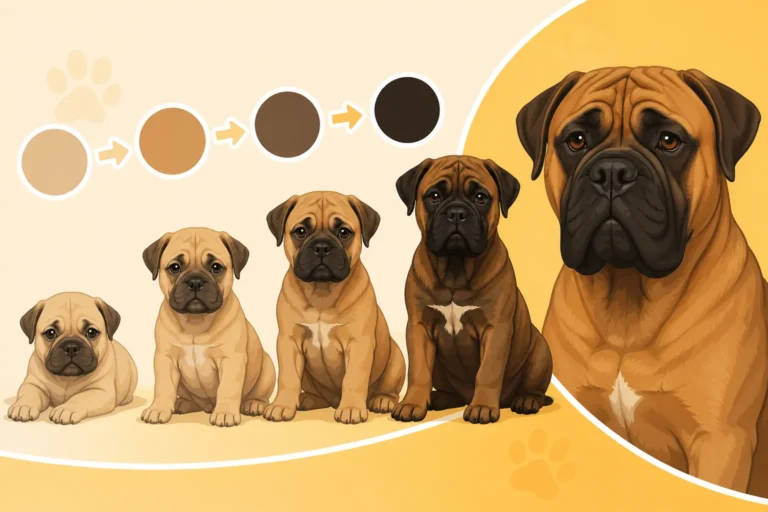
- Dark Brindle Coat: To provide camouflage in the low light of night patrols.
- Short Muzzle: Allowing for powerful gripping if needed, but not so short as to cause breathing issues during exertion.
These traits weren't accidental; they were the result of conscious, although informal, selective breeding over many decades. Each dog was a testament to the gamekeeper's need for a perfect partner in a dangerous profession. The life of these early dogs was one of constant vigilance and readiness, demanding specific physical and mental attributes that are still evident in the breed today.
The Unwritten Standard: Passed Down Knowledge
While there was no official breed standard or registry for many years, a powerful "unwritten standard" guided the gamekeepers. Knowledge about which bloodlines produced the best working dogs, which pairings resulted in optimal temperament, and the tell-tale signs of a promising puppy were passed down from one generation of gamekeepers to the next. This wasn't documented in books but in experience, observation, and reputation.
Imagine a network of gamekeepers across different estates, all facing similar challenges. They would share insights, perhaps trade puppies, and certainly recognize the traits that made a dog truly excel at its job. This informal network ensured a consistent set of desirable characteristics was reinforced, inadvertently creating a distinct breed type long before it was formally acknowledged. It was a pragmatic, results-oriented breeding program where the proving ground was the moonlit forest and the ultimate judge was the success or failure of a night's patrol. This practical "standard" meant that by the time formal recognition arrived, the Bullmastiff type was already well-established and highly functional.
The Gamekeeper's Daily Life with the Early Bullmastiff
Life with an early Bullmastiff was a far cry from the modern pet ownership experience. These dogs were not companions in the contemporary sense; they were partners in a demanding and often dangerous job. Their routines revolved around the needs of the estate and the constant threat of poaching.
Night Patrols and Ambush Tactics
The core duty of the gamekeeper's dog was to assist in night patrols. This meant long hours of silent vigilance, moving through woods and fields in the dark, often in harsh weather. The dog's keen senses – its superior hearing and smell – would be its primary tools, allowing it to detect intruders long before a human could. Once a poacher was detected, the tactics would shift. The gamekeeper and dog would use stealth, maneuvering to cut off escape routes or to catch the poacher by surprise.
The dog's role in an apprehension was immediate and decisive. It would burst from cover, often at the gamekeeper's silent command, to physically deter or pin the poacher. This sudden appearance of a massive, silent dog in the dark was often enough to cause a poacher to surrender. If not, the dog's trained ability to hold without serious injury would come into play. This was a highly orchestrated dance of man and dog, relying on mutual trust, impeccable training, and the dog's inherent capabilities. Their lives were intertwined in these perilous missions, demanding unwavering loyalty and cooperation.
A Partner, Not Just a Tool
Despite their utilitarian purpose, these dogs were far more than mere tools; they were indispensable partners. The bond between a gamekeeper and his Bullmastiff was profound, forged in shared danger and mutual reliance. The gamekeeper trusted his dog with his safety, and the dog responded with unwavering loyalty and courage. This close working relationship meant the dogs were often kept indoors, living closely with their human families, which further contributed to their stable and devoted temperaments. They needed to be calm and collected in the home but instantly switch to alert and powerful guardians when on duty.
This early integration into the gamekeeper's household, living alongside family members (even children), was crucial in developing the Bullmastiff's famously gentle and protective nature towards its own people. They learned discretion and control not just in the field, but in daily life, observing the nuances of human interaction. The food they ate, the care they received (perhaps even early forms of joint support or robust nutrition from emerging brands like Chewy as the centuries progressed and pet care evolved), all contributed to keeping these magnificent animals in top working condition for their rigorous duties. The Bullmastiff Was Built to Catch Poachers in the Dark truly encapsulates this deep partnership.
Why Formal Recognition Came Later (1924 and Beyond)
It’s easy to look back and wonder why such a distinct and effective working dog wasn’t formally recognized sooner. The truth is, the world of dog breeding was very different then, and the primary focus for gamekeepers was on function, not fancy. Formal recognition in 1924 marked a pivotal shift for the Bullmastiff, transitioning it from a specialized working crossbreed to an officially recognized purebred dog with a written standard.
The Shift from Utility to Breed Standard
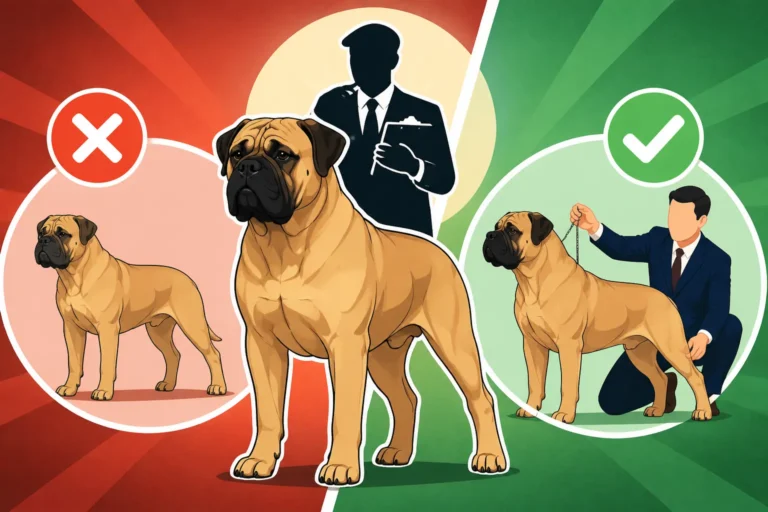
Before 1924, the Bullmastiff was widely known and respected within the gamekeeping community, but largely unknown outside of it. It was a functional type, not a "breed" in the modern sense. The formal recognition by the Kennel Club in 1924 brought with it a shift in focus. Suddenly, there was a written standard outlining ideal physical traits, temperament, and movement. This meant that breeders, who now included those outside of gamekeeping, began to focus on conformation to this standard, sometimes even at the expense of pure working utility. The brindle coat, once vital for camouflage, became one of several accepted colors.
This transition was a double-edged sword. On one hand, it brought stability to the breed, ensuring its characteristics would be preserved and promoted. On the other hand, it shifted the emphasis away from the raw, practical selection pressures that had shaped the breed for generations. Dogs that might have been excellent workers but didn't quite fit the aesthetic standard could now be overlooked. When the Kennel Club Recognized the Bullmastiff discusses this turning point in the breed's history.
The Legacy of the Gamekeeper's Work
Even as the breed transitioned into the show ring and family homes, the deep impact of its gamekeeping origins remained immutable. The Bullmastiff's characteristic silence, its powerful build, its steadfast loyalty, and its instinctive "holding" ability are all direct legacies of its past. Breeders today still strive to maintain these core traits, understanding that they are what make a Bullmastiff a Bullmastiff.
The table below summarizes how the historical needs shaped the breed we know today, showcasing the deliberate choices made by those early, practical breeders. Even if a modern Bullmastiff owner is simply seeking a loyal family guardian and not a poacher apprehension specialist, they still benefit from centuries of selective breeding that prioritized stability, courage, and controlled power. When you provide your Bullmastiff with a sturdy bed or quality large breed food from a reputable source like Chewy, you're investing in a lineage shaped by rigorous demands and a remarkable history. When the Bullmastiff Stopped Being a Crossbreed explores the journey of this working dog becoming a recognized breed.
| Trait/Need | Mastiff Contribution | Bulldog Contribution | Resulting Bullmastiff Characteristic |
|---|---|---|---|
| Intimidation/Size | Imposing presence, bulk | Compact muscle, strong bone | Formidable, powerful, agile enough to pursue |
| Apprehension | Strength to hold down | Tenacity, low center of gravity, strong grip | Non-lethal physical restraint ("the hold") |
| Stealth | Naturally quiet nature | Less prone to excessive barking | Silent approach, quiet guardian |
| Courage/Tenacity | Watchfulness, protective | Fearlessness, determination | Brave, unwavering in duty |
| Temperament | Loyalty, gentleness with family | Stamina, resilience | Devoted, stable, controllable aggression |
| Endurance/Agility | Stamina for patrol | Quick bursts of speed, athleticism | Capable of sustained effort and rapid action |
| Camouflage | Darker coat variations | (Less direct contribution) | Predominantly brindle coats for night work |
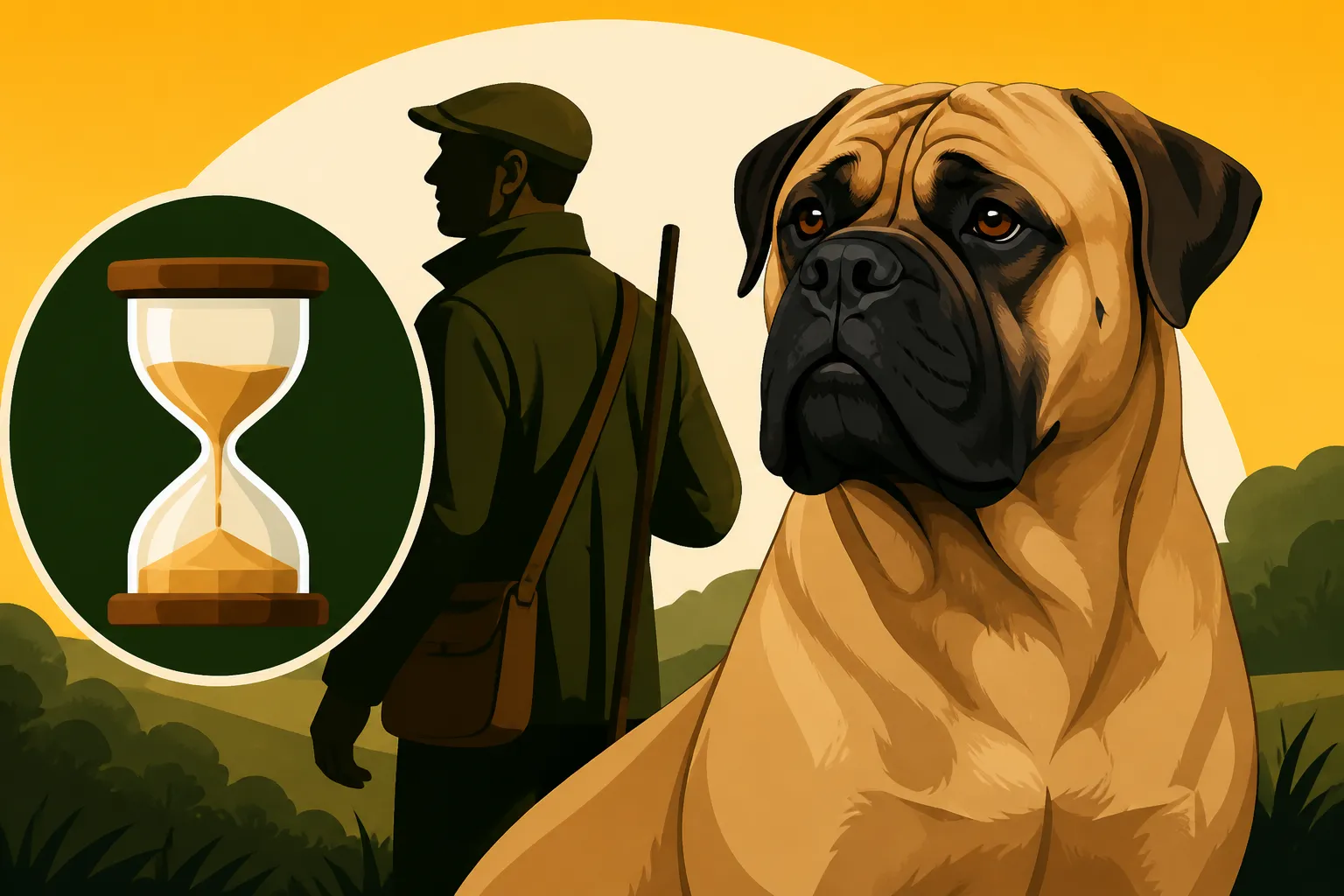
The gamekeepers used these early Bullmastiff types for well over 60 years, perhaps even closer to a century, before formal breed recognition solidified the name and standard. This long period of informal, yet highly effective, selective breeding created a dog perfectly suited for a specific, dangerous job, laying the foundation for the beloved breed we cherish today. Whether the Holding Instinct Survives in a Bullmastiff is a testament to the enduring nature of these historically significant traits.
Disclaimer
This article is for general informational purposes only and does not constitute professional advice. Laws, prices and regulations vary by location and change over time. Consult a qualified professional for guidance on your specific situation.