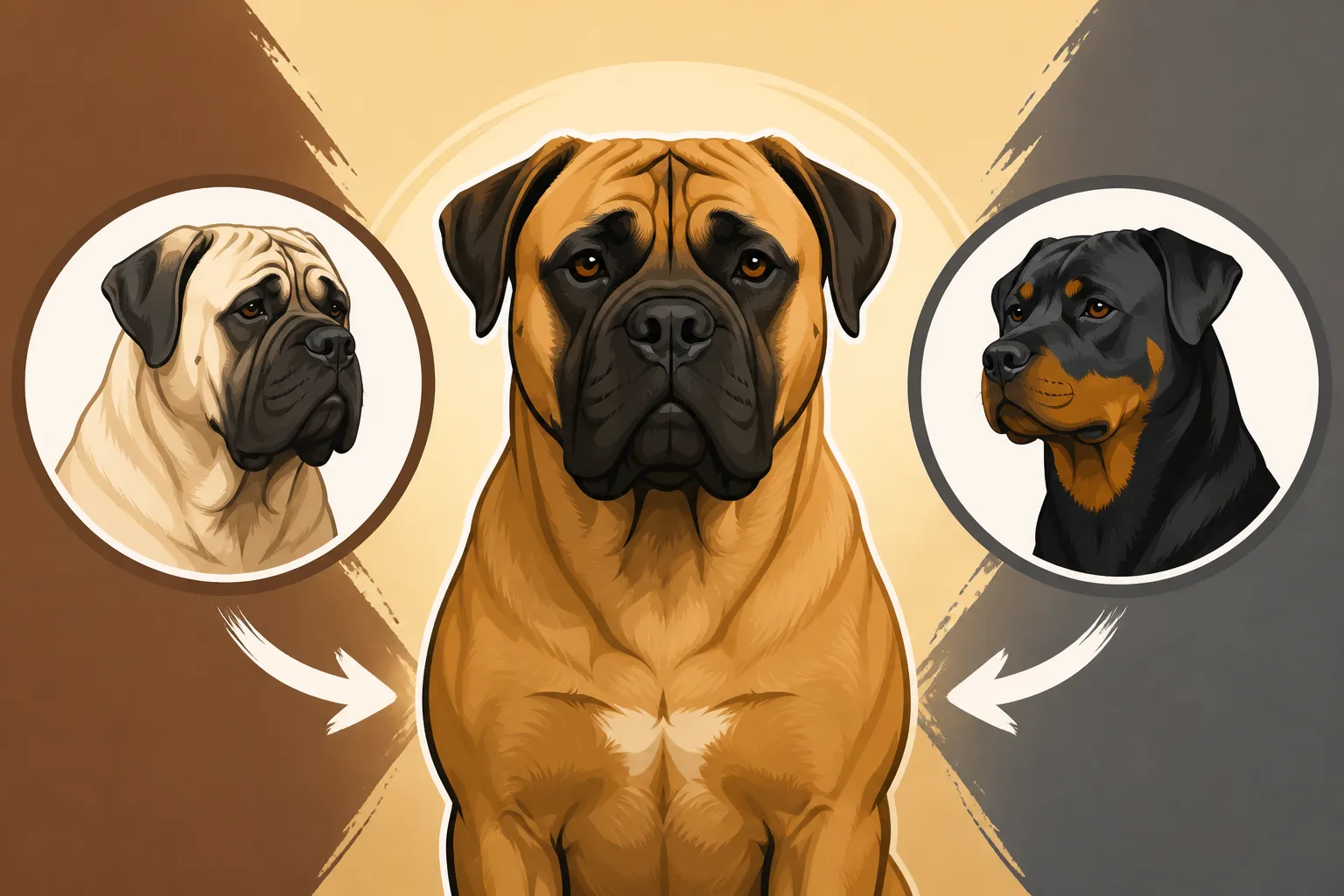
Which Breeds Went Into the Bullmastiff
It's incredibly fascinating to peel back the layers of a breed's history, especially when you encounter a dog as magnificent and purposeful as the Bullmastiff. Many folks look at these powerful, yet surprisingly gentle giants and wonder how such a unique combination of traits came to be. It's not just about their impressive size or their deep, soulful eyes; it's about understanding the specific, deliberate choices made by breeders long ago to create a dog perfectly suited for a very specific job. This guide will take you on a journey through time, exploring the foundational breeds that contributed to the Bullmastiff we know and love today, and explain why those particular genetics were so crucial.
The Genesis of a Guardian: Why the Bullmastiff Was Needed
Imagine the English countryside centuries ago, vast estates stretching for miles, often teeming with game like deer, pheasant, and rabbits. These lands were valuable, both for sport and sustenance, and protecting them from those who would poach was a serious business. Estate owners and gamekeepers faced a constant battle, and they needed a canine partner who could deter, track, and hold an intruder without resorting to lethal force. Neither the sheer power of one breed nor the agility of another was quite enough on its own, leading to a deliberate effort to create the ultimate "gamekeeper's night dog."
The Poaching Problem in Victorian England
During the 18th and 19th centuries, poaching was a rampant issue across Great Britain. It wasn't just a few individuals trying to feed their families; organized gangs often targeted valuable game, leading to significant financial losses for landowners. The penalties for poaching could be severe, but so was the desperation or opportunism that drove people to it. Gamekeepers were tasked with patrolling vast, often dark, stretches of land, and they needed a formidable deterrent. A dog that could silently accompany them, sense an intruder, track them down, and then hold them without causing grievous injury was invaluable. This specialized role demanded a blend of qualities that no single existing breed possessed perfectly. The very concept of the Bullmastiff was born out of this practical, urgent need for an effective, non-lethal guardian. The Bullmastiff Was Built to Catch Poachers in the Dark is a testament to this very origin story, highlighting the practical nature of their development.
The Shortcomings of Existing Breeds
While there were plenty of capable dog breeds around, each had its limitations when it came to the nuanced role of a gamekeeper's companion. The majestic English Mastiff, for instance, possessed immense size and a natural guarding instinct, but it was often considered too slow and ponderous for covering large distances or cornering a fleeing poacher. On the other hand, the Bulldogs of the era, while renowned for their tenacity, strength, and lower center of gravity, were simply too small to effectively deter or physically hold a determined adult man. Why a Mastiff Alone Was Too Slow for the Job and Why a Bulldog Alone Was Too Small for the Job perfectly articulate these challenges. Breeders and gamekeepers recognized this gap, understanding that a hybrid approach was necessary to combine the best attributes of both types into a single, perfectly balanced working dog. They needed a dog that was agile enough to pursue, strong enough to hold, and quiet enough to remain undetected until the moment of intervention.
The Mighty Mastiff Contribution: Size, Substance, and Serenity
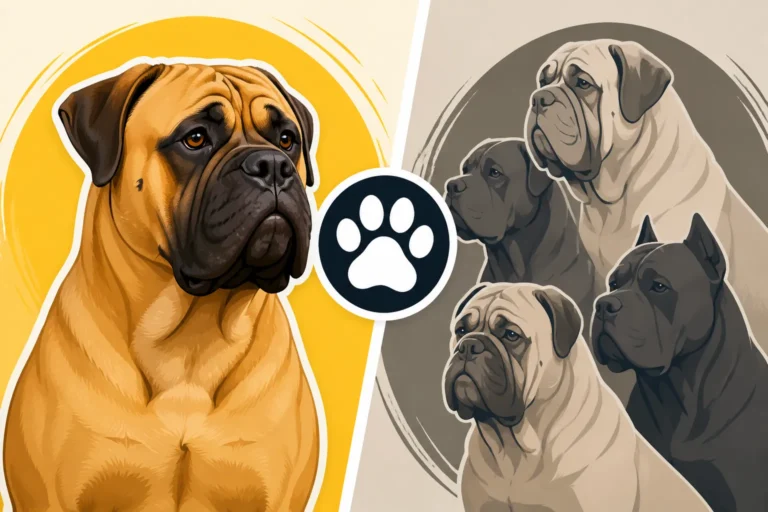
The Mastiff was the cornerstone of the Bullmastiff's creation, bringing with it a legacy of guardian work stretching back centuries. Its genetics provided the sheer scale and impressive stature that would instantly command respect, while also embedding a foundational temperament that leaned towards calm, watchful protection rather than unprovoked aggression. The influence of the Mastiff is undeniable in the Bullmastiff’s imposing build and its inherent desire to protect its family and territory.
Inheriting the Guardian Instinct
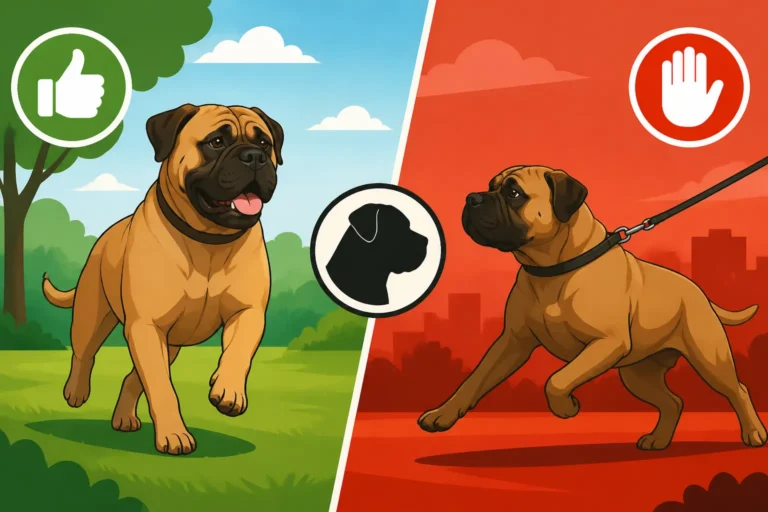
The Mastiff is renowned for its ancient lineage as a protector, guardian, and war dog. When these traits were blended into the nascent Bullmastiff, they passed on an invaluable instinct: to guard and protect without needing overt aggression. The Mastiff contribution meant that the Bullmastiff would possess an innate desire to stand between its human and perceived threat. This wasn't about being a vicious attacker; it was about being a formidable presence that would deter most challenges through sheer size and watchful intent. This calm, steady temperament, coupled with an unwavering loyalty, became a hallmark of the Bullmastiff. It’s this profound guardian instinct that still defines the breed today, making them exceptional family protectors who are often more interested in blocking and holding than biting.
The Gift of Formidable Presence
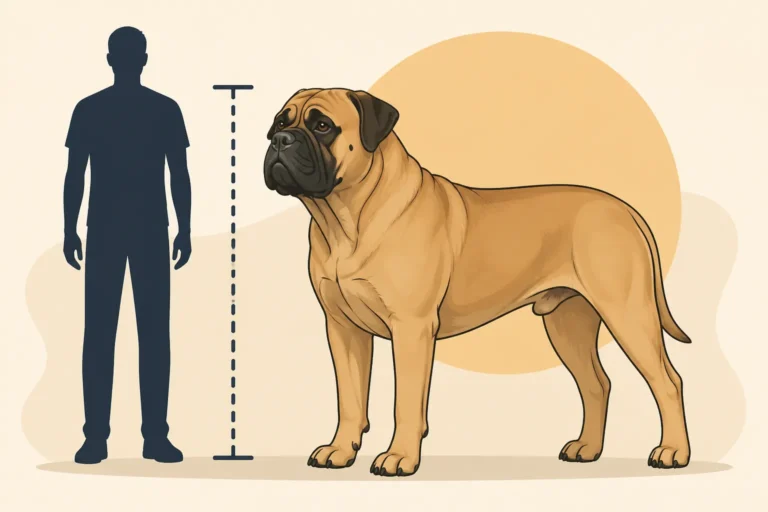
Let's be real, a hundred and thirty pounds of solid dog is a significant visual deterrent. The Mastiff genes provided the Bullmastiff with its impressive height, broad chest, and powerful frame. This formidable presence was critical for the gamekeeper's task. A poacher, confronted by such a substantial animal, would think twice before continuing their illicit activities. It wasn't just about the ability to physically hold a person; it was about the immediate psychological impact of encountering such a powerful creature in the dead of night. This intimidating silhouette, combined with a confident and steady demeanor, meant the Bullmastiff could often resolve a situation simply by existing. The deep chest and strong bone structure we admire in Bullmastiffs today are direct inheritances from their Mastiff ancestors, designed for power and endurance over long patrols.
The Bulldog's Bold Influence: Drive, Tenacity, and Athleticism
While the Mastiff brought the size and gravitas, the Bulldog infusion was absolutely essential for adding the drive, speed, and uncompromising tenacity needed to complete the gamekeeper's vision. The Bulldogs of yesteryear were different from the charming, squat companions we often see today, possessing a more athletic and driven physique that was perfect for contributing to the Bullmastiff's unique capabilities.
The "Old English Bulldog" of Yore
When we talk about the Bulldog's contribution to the Bullmastiff, it's crucial to understand that we're not referring to the modern, compact English Bulldog. The "Old English Bulldog" of the 19th century was a much different animal: taller, more athletic, and incredibly tenacious. These dogs were bred for their courage, strength, and formidable grip, traits that made them formidable in their original, albeit brutal, roles. This athletic bulldog contributed the essential "go" to the Mastiff's "stop." It instilled a powerful drive, a lower center of gravity, and a quickness that allowed the emerging Bullmastiff to be agile and responsive. Their strong, muscular build meant they could accelerate, change direction, and maintain a hold with unwavering determination—qualities that were non-negotiable for a dog tasked with catching and holding a human target. Why the Bulldog Half Was Added to the Bullmastiff delves deeper into these crucial genetic contributions.
Adding Agility and a Powerful Grip
The Bulldog's genetic blueprint brought an essential element of agility and a specific kind of strength that was vital for the Bullmastiff's job: the ability to grip and hold. A poacher on the run wouldn't simply stand still for a Mastiff to lumber up to them. The Bullmastiff needed to be able to close the distance swiftly and then apply a firm, steady hold without causing injury. This powerful grip, often described as having the strength to hold a person down, came directly from the Bulldog side of the family. It's a testament to the careful selection that breeders sought to integrate a dog known for its tenacity and physical prowess, ensuring the Bullmastiff could execute its task effectively and humanely. The compact, muscular body and formidable jaw of the Old English Bulldog laid the groundwork for the Bullmastiff's unique blend of strength and speed, making them perfectly equipped for their challenging role.
The Sixty-Forty Formula: A Perfect Blend
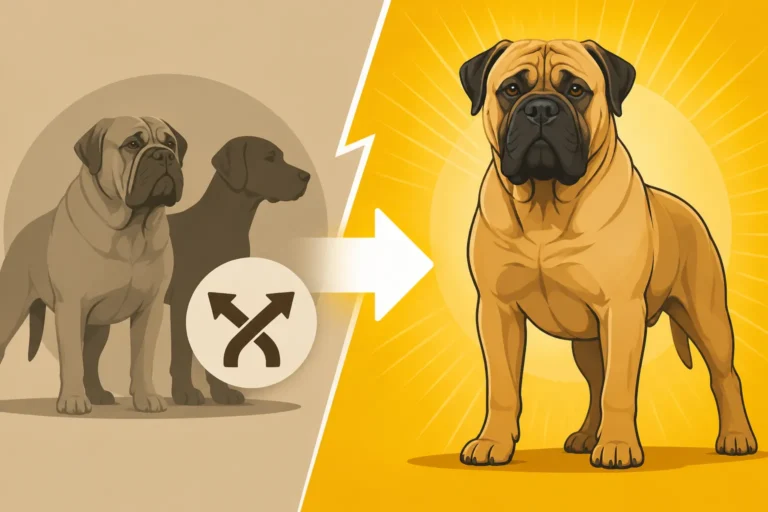
The precise combination of Mastiff and Bulldog wasn't left to chance; it was a carefully calculated genetic equation. The ratio, often cited as approximately 60% Mastiff and 40% Bulldog, was the sweet spot that allowed the emergent breed to shed the undesirable traits of its ancestors while perfectly enhancing the qualities needed for the gamekeeper's specific requirements. This formula was key to creating a dog that was neither too slow nor too small, but just right.
Balancing Power with Agility
The 60/40 ratio was chosen to achieve a delicate balance: the overwhelming power and presence of the Mastiff, tempered and made more agile by the Bulldog. Too much Mastiff, and the dog would be too slow, potentially unable to track and reach a fleeing poacher quickly enough. Too much Bulldog, and while tenacious, the dog might lack the sheer intimidating mass required to deter without a fight, or the physical substance to hold an adult male effectively. This specific genetic mix created a dog that was substantial enough to be a serious deterrent, yet nimble enough to cover ground and react swiftly. It wasn't about creating the biggest or the fastest dog, but the most effective for the job at hand. This careful balance is what truly sets the Bullmastiff apart, making it a unique example of purposeful breeding. Where the Bullmastiff's Sixty Forty Formula Came From provides a fascinating look into this precise genetic blueprint.
The Ideal Proportions for the Gamekeeper's Task
Beyond just the blend of traits, the 60/40 formula also helped define the physical proportions that would make the Bullmastiff an ideal working dog. They needed a powerful, muscular body, certainly, but also a specific weight and height range that allowed for both speed and stability. A dog that was too tall might be clumsy, while one too low to the ground might struggle with endurance over long patrols. The Bullmastiff emerged as a medium-to-large breed, heavy-boned, with a broad skull and a powerful, moderate muzzle, capable of a burst of speed and a steady, unrelenting hold.
Here's a quick comparison of the foundational traits that breeders aimed for:
| Ancestor Breed | Key Trait Contributed to Bullmastiff | How it Served the Gamekeeper |
|---|---|---|
| English Mastiff | Size, calm temperament, guarding instinct | Imposing presence, natural protector, non-aggressive deterrence |
| Old English Bulldog | Agility, tenacity, powerful grip, courage | Speed to catch, strength to hold without injury, unwavering drive |
This table illustrates how the strengths of each parent breed were carefully combined. You can see how one brought the "block" and the other brought the "hold," creating a truly specialized animal.
Refinement and Recognition: Solidifying the Breed
Once the physical and temperamental template was established by the gamekeepers, the journey of the Bullmastiff continued towards formal breed recognition. This involved standardizing the look, temperament, and health expectations, ensuring that the working qualities would be preserved for future generations, transforming the "gamekeeper's night dog" into a recognized breed with a distinct identity.
Moving Beyond the "Gamekeeper's Night Dog"
For decades, the Bullmastiff existed as a working crossbreed, valued solely for its utility on country estates. These dogs were selected based on their performance, not necessarily on strict breed purity or appearance. However, as the 20th century dawned and the need for gamekeepers to patrol estates with the same intensity lessened, enthusiasts began to recognize the distinct qualities of these animals. They saw a loyal, powerful, and intelligent dog with a unique history and a temperament that made it an excellent companion, not just a working partner. This shift in appreciation led to a concerted effort to standardize the breed, ensuring that the traits developed through generations of working selection would not be lost. They wanted to preserve the essence of What a Bullmastiff Was Bred to Do to a Poacher for posterity.
Formalizing the Standard
The official recognition of the Bullmastiff as a distinct breed was a critical step in its evolution. The English Kennel Club recognized the Bullmastiff as a purebred in 1924, followed by the American Kennel Club (AKC) in 1933. This formalization meant establishing a breed standard, a detailed description of the ideal Bullmastiff in terms of appearance, temperament, and movement. This standard helped breeders maintain consistency and focus their efforts on preserving the unique characteristics that made the Bullmastiff so special. It also encouraged responsible breeding practices, aiming to produce healthy dogs that embodied the best of both their Mastiff and Bulldog heritage. These milestones helped cement the Bullmastiff's place in canine history, moving it from a pragmatic crossbreed to a beloved and respected purebred dog. When looking for food or supplies for your Bullmastiff, resources like Chewy often categorize products by breed, making it easier to find items suited for their unique size and needs, reflecting this formal recognition.
Today, the Bullmastiff stands as a powerful testament to selective breeding, a living historical document of a bygone era. They carry the gentle steadfastness of the Mastiff and the courageous spirit of the Old English Bulldog, forming a magnificent companion whose history is as rich and deep as its bark. When you share your home with a Bullmastiff, you're not just living with a pet; you're living with a legacy.
Disclaimer
This article is for general informational purposes only and does not constitute professional advice. Laws, prices and regulations vary by location and change over time. Consult a qualified professional for guidance on your specific situation.