Whether a Bullmastiff Worked Off Leash
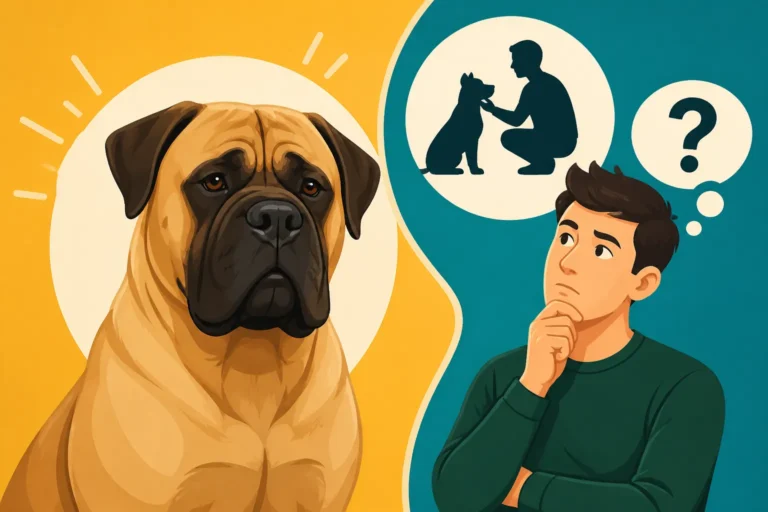
Many people, upon seeing the impressive stature and watchful demeanor of a Bullmastiff, often wonder about their historical capabilities – specifically, whether these powerful dogs were traditionally trusted to work off-leash. It's a question that gets right to the heart of their protective instincts and trainability, and understanding their original job sheds a lot of light on how they behave today. This guide will explore the historical context of the Bullmastiff's work, dissecting whether they were indeed unleashed and what that means for modern Bullmastiff ownership.
The Origins of the Gamekeeper's Dog and the Leash
To truly understand if a Bullmastiff worked off-leash, we need to travel back to the vast estates of 19th-century England. Here, gamekeepers faced a constant battle against poachers, and they needed a very specific kind of dog to help them. These dogs, the precursors to our modern Bullmastiff, were bred for a demanding, high-stakes job. They weren't meant for chasing down deer or flushing birds; their purpose was to silently track and then hold a human intruder until the gamekeeper arrived.
The Silent Approach and Holding Instinct
The original Bullmastiff was known as the "Gamekeeper's Night Dog" for a reason. Stealth was paramount. Imagine trying to catch a poacher under the cover of darkness across sprawling, silent land. A barking dog would give away its position immediately. Instead, these dogs were prized for their ability to move quietly, tracking a human scent without making a sound. The goal wasn't to maul or injure the poacher but to incapacitate them by holding them down. This required immense strength, control, and a very deliberate temperament. The holding instinct, rather than a biting or attacking one, was what gamekeepers sought, and it's a trait that has persisted in the breed. Why a Bullmastiff Was Bred Not to Maul explains this critical aspect of their design.
Working in Darkness and Dense Undergrowth
Picture a Bullmastiff working at night, navigating dense woods and open fields in near-total darkness. The terrain was often uneven, full of obstacles, and designed to conceal human movement. For a dog to reliably track and apprehend a poacher in such conditions, while also being in tune with its handler, points to a strong bond and immediate responsiveness. An off-leash dog, even one as dedicated as an early Bullmastiff, could easily lose its way, become distracted, or even encounter dangers like traps or other animals without the gamekeeper's knowledge. This practical reality often dictated how much freedom the dog was truly given.
Immediate Control: A Non-Negotiable Requirement
The primary "victim" in the Bullmastiff's original job was a human being, often armed and desperate. The situation was inherently dangerous and required the gamekeeper to have absolute and immediate control over their powerful canine partner. If the dog was off-leash, and a situation escalated unexpectedly, the gamekeeper's ability to intervene, redirect, or call off their dog could be severely compromised. This wasn't a casual stroll in the park; it was a matter of life and death, both for the poacher and potentially for the gamekeeper. This need for precision control directly influenced the training methods and working conditions.
Leash Use: An Integral Part of the Job Description
Contrary to what some might imagine – a Bullmastiff ranging freely to patrol vast lands – the reality of their historical work was much more nuanced and often involved a leash or similar restraint. The emphasis was on a partnership, not an independent hunt.
Tracking and Trailing with a Leash
Before any confrontation, the dog's first task was often to track a scent. A gamekeeper would typically work their dog on a long lead or check cord while tracking. This allowed the dog to lead the way, using its superior sense of smell, while the handler maintained directional control and could silently guide the dog through the environment. It also prevented the dog from getting too far ahead and engaging a poacher without the gamekeeper present, or from being ambushed. This collaborative tracking is essential to understanding How a Gamekeeper Used a Bullmastiff on a Poacher. This approach ensured the team worked as one, a critical component when dealing with an unpredictable human element.
Close Quarters and Containment
Once a poacher was located and apprehended, the interaction was often up close and personal. The Bullmastiff’s role was to hold the individual. This was a physical act, pinning the poacher or preventing them from fleeing. In such tight quarters, an off-leash dog could become a liability, potentially causing accidental injury or moving out of position, allowing the poacher to escape. The gamekeeper needed to be right there, issuing commands, and if necessary, physically assisting to secure the poacher. The dog acted as a deterrent and a physical restraint, under the direct supervision of its handler. It was a well-choreographed dance of control and power, not a free-for-all.
The Need for Absolute Control
Given the severe consequences of a dog biting or severely injuring a human, absolute control was not merely preferred but mandatory. A Bullmastiff was a tool, albeit a living, breathing, intelligent one, used for a specific purpose: apprehension, not assault. If a dog were to work off-leash and cause serious harm, the gamekeeper would face dire legal repercussions. Therefore, even when not actively holding a poacher, the dog needed to be kept under strict command, ready to act or halt at a moment's notice. The inherent risks of the job meant that any notion of a Bullmastiff working off-leash for extended periods was simply impractical and too dangerous. The foundation of their training was always based on strict obedience and handler dependency in crucial moments.
Here's a small table comparing historical and modern off-leash considerations for Bullmastiffs:
| Aspect | Historical (Gamekeeper's Dog) | Modern (Pet Bullmastiff) |
|---|---|---|
| Primary Goal | Apprehend and hold human poachers. | Companion, family protector, often a gentle giant. |
| Working Environment | Dark, dangerous, rural estates, unpredictable human targets. | Varied: urban parks, suburban yards, dog-friendly areas, family homes. |
| Leash Use | Common for tracking, control during apprehension, safety. | Highly recommended for public spaces, legal requirements, safety. |
| Control Priority | Absolute, immediate, due to high stakes (human interaction). | High, for public safety, managing size/strength, and responsible ownership. |
| Recall Reliability | Life-critical, direct handler control paramount. | Desired, but often challenging given breed's independent streak. Why a Bullmastiff's Recall Is Unreliable explores this in depth. |
| Temperament | Deliberate, watchful, stable, focused on the task at hand. | Calm, loyal, protective, can be stubborn or easily distracted. |
Modern Implications for Off-Leash Work and Safety
Understanding the Bullmastiff's history helps us manage their powerful presence in our lives today. While they possess a keen intelligence, their purpose was never free-ranging independence.
The Myth of the "Wild" Bullmastiff
It’s easy to look at a Bullmastiff and imagine a wild, untamed protector, but this is a far cry from their reality. They were never bred to be independent hunters or roamers. Instead, their job required a strong, albeit deliberate, bond with their human handler. This meant they were always working with someone, under direction. The idea of them being let loose to patrol alone simply doesn't align with their historical purpose or the inherent risks involved. Their formidable appearance and strength were tools for deterrence and physical containment, not for unsupervised action. The calm, observant nature of a Bullmastiff, which allowed them to work silently, also makes them quite amenable to being handled, even if they have a streak of dignified stubbornness.
Reliable Recall and Safety Today
For modern Bullmastiff owners, the question of off-leash reliability is crucial for safety. While their historical role emphasized control, their strong will and independent thought mean that a truly reliable recall is a serious undertaking. Despite their strong bond with their family, Bullmastiffs can be easily distracted by scents, sights, or the presence of other dogs or people. How Reliable a Bullmastiff's Recall Is is a constant concern for owners of these powerful dogs. A Bullmastiff weighing over a hundred pounds can cause significant damage or injury if they decide to chase something or approach an unwilling stranger, even with the best intentions. This isn't about aggression; it's about sheer size and momentum. Therefore, responsible ownership almost always dictates keeping a Bullmastiff on a leash in public spaces.
Training for Off-Leash Freedom (or Lack Thereof)
Achieving reliable off-leash control with a Bullmastiff requires a tremendous amount of consistent, positive reinforcement training, starting from puppyhood. It's not something to be taken lightly, and even then, many experienced Bullmastiff owners opt to keep their dogs leashed for safety. Basic obedience is just the beginning. Bullmastiffs need to understand that obeying a recall is always more rewarding than anything else in the environment. This takes countless repetitions, high-value treats (like those delicious morsels you can find at Chewy!), and practice in progressively distracting environments. It's a journey that can be incredibly rewarding, but it's important to be realistic about the breed's natural tendencies. Remember, Why a Bullmastiff Cannot Be Physically Made to Do Anything holds true; they must choose to obey.
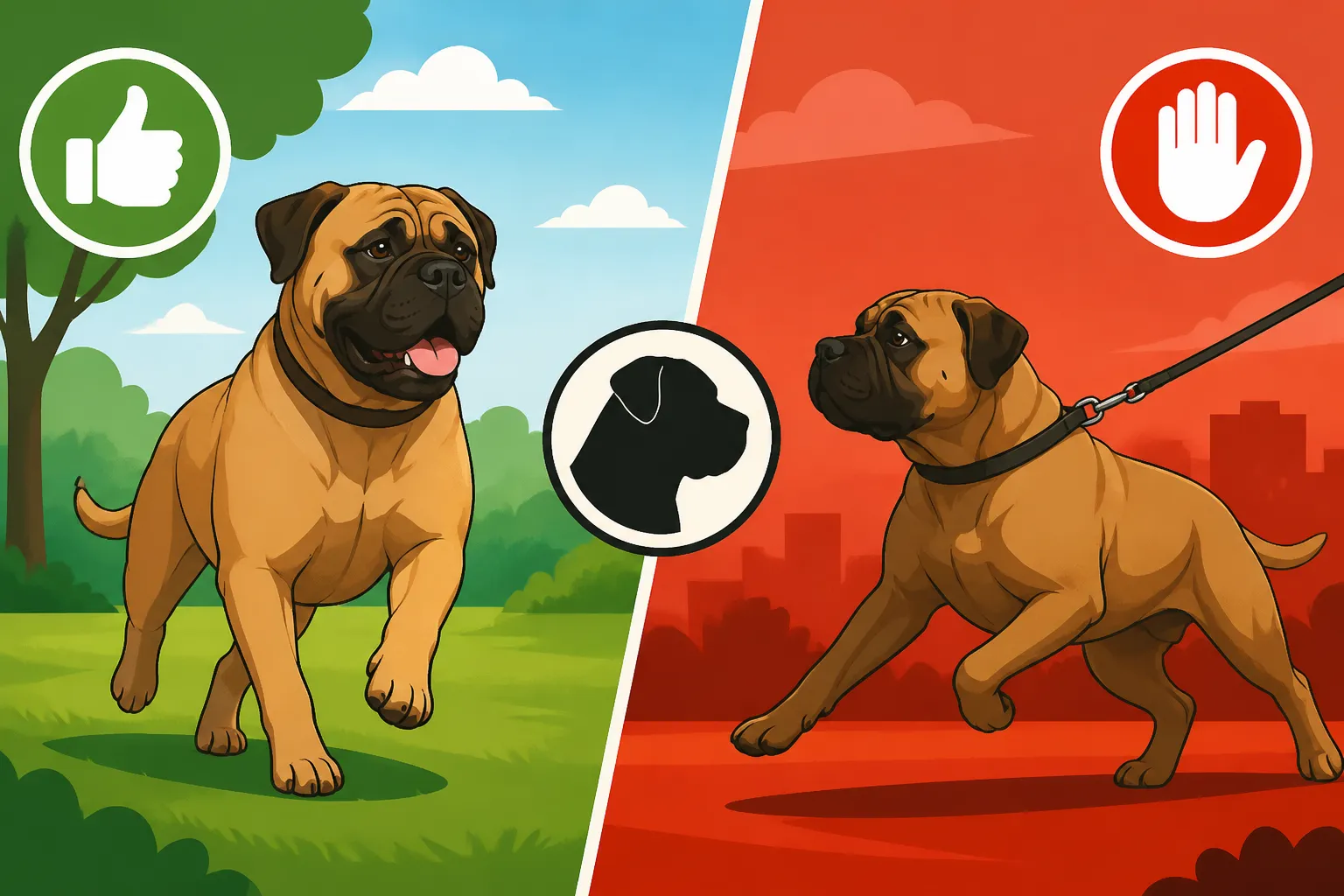
Moreover, even with impeccable training, there are often legal restrictions in many areas regarding off-leash dogs, especially large breeds. Dog parks or designated off-leash areas might seem like an option, but it's vital to assess your individual Bullmastiff's temperament and recall reliability very honestly before giving them that freedom. Their size alone can intimidate other dogs or people, and a quick, unplanned interaction can turn problematic. Whether a Bullmastiff Can Be Trusted Off Leash is a complex question, and for most, the answer in public spaces is a resounding "no" for the safety of all involved. We simply don't have the same life-or-death control over our domestic environments that a gamekeeper had on a private estate.
When considering training tools for a Bullmastiff, especially for leash manners and recall, always opt for equipment that prioritizes comfort and control. Harnesses that discourage pulling, like front-clip harnesses, or head halters can be very effective without being harsh. You can find a wide selection of these options and high-quality training treats on sites like Chewy, which can be invaluable in motivating your Bullmastiff during training sessions. The key is consistent, positive reinforcement that builds a strong foundation of trust and respect, recognizing that while they were historically very controlled, their modern pet role demands a different approach to their impressive physical capabilities.
Disclaimer
This article is for general informational purposes only and does not constitute professional advice. Laws, prices and regulations vary by location and change over time. Consult a qualified professional for guidance on your specific situation.