Signs a Bullmastiff Has Lymphoma
It's one of the hardest things as a Bullmastiff owner, isn't it? Our dogs are so stoic, so inherently tough, that they can hide serious health issues for an agonizingly long time. This is especially true with something as devastating as lymphoma, a cancer that can silently creep through their system without glaring red flags until it's quite advanced. This guide is here to equip you with the knowledge to recognize the subtle, and sometimes not-so-subtle, signs that your beloved Bullmastiff might be battling lymphoma, helping you advocate for them when every moment counts.
The Insidious Nature of Lymphoma in Bullmastiffs
Bullmastiffs are known for their calm demeanor and incredible tolerance. They're the silent guardians, often preferring to observe rather than overtly react. While this makes them wonderful, steady companions, it also means they can be masters at masking discomfort or illness. This stoicism, combined with the often vague initial symptoms of lymphoma, makes early detection a significant challenge. Owners often report that by the time they notice something is "off," the disease has already progressed further than they would have hoped.
Why Bullmastiffs Hide Illness So Well
Think about your Bullmastiff for a moment. They're not the type to whine or cry over a minor bump or bruise. They're sturdy, resilient, and bred to withstand quite a bit. This inherent toughness, while admirable, can be a double-edged sword when it comes to health. Many Bullmastiffs will continue to eat, play, and follow their routine even when they're feeling unwell, almost as if they're trying to convince you, and themselves, that everything is perfectly normal. This behavior comes from their working dog heritage, where showing weakness wasn't an option. It takes a truly observant owner, someone who knows their dog's every subtle quirk and habit, to pick up on the faint signals that something is amiss. It’s why understanding Why a Bullmastiff's Lymphoma Is Found Late is so crucial for every owner.
The Gradual Onset of Lymphoma Symptoms
Lymphoma, particularly the most common multicentric form that affects lymph nodes throughout the body, rarely announces itself with a sudden, dramatic crisis. Instead, it tends to develop gradually. You might notice a slight dip in energy, a subtle change in appetite, or perhaps a fleeting, almost imperceptible lump that seems to come and go, making you question if it was even there at all. These early, mild symptoms are easily dismissed as "just getting older," "a bad day," or even "part of being a Bullmastiff." This slow progression can unfortunately give the cancer more time to establish itself before it becomes undeniably obvious. Understanding The Age Lymphoma Appears in a Bullmastiff can also help contextualize these changes if your dog is in a susceptible age range.
Recognizing Swollen Lymph Nodes
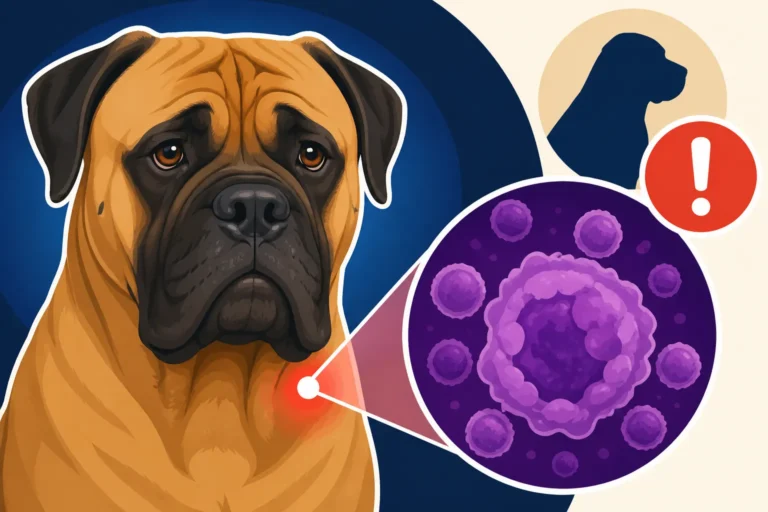
While the initial signs can be vague, the most definitive and often earliest physical sign of lymphoma in Bullmastiffs is the enlargement of their lymph nodes. These small, bean-shaped glands are part of the immune system and are distributed throughout the body. When they swell due to cancer, they become firm, non-painful lumps that you can often feel or, in some cases, even see. Regularly checking your Bullmastiff for these changes can be one of the most proactive steps you take.
Where to Feel for Swollen Lymph Nodes
Knowing where to feel for these crucial indicators is paramount. The most accessible lymph nodes to check on your Bullmastiff are typically the submandibular (under the jaw), prescapular (in front of the shoulders), and popliteal (behind the knees). Gently cup your hand around your dog's jawline, just under their ears, and feel for firm, symmetrical lumps. Move your hands to the front of their shoulders, feeling for similar bumps. Then, as your Bullmastiff is standing or lying down, feel behind their knees for any unusual masses. It's a good practice to do this regularly, perhaps once a month, so you become familiar with what feels normal for your dog. For more detailed guidance, consider reading Where a Bullmastiff's Swollen Nodes Are Felt First.
The inguinal lymph nodes, located in the groin area, and axillary lymph nodes, in the armpit region, are also important to check, although they can be harder to palpate, especially in a heavily muscled Bullmastiff. A thorough check involves feeling all these areas systematically. Make it a relaxing experience for your dog, perhaps during a cuddle session or after a gentle brush, so they associate it with positive attention.
What Swollen Nodes Feel Like
Normal lymph nodes are typically quite small, soft, and difficult to feel, often no bigger than a pea or a small bean, especially in a large breed like a Bullmastiff. However, when affected by lymphoma, they become noticeably enlarged, firm, and often rubbery to the touch. The key characteristic of cancerous lymph nodes is that they are usually not painful, which is another reason Bullmastiffs don't often show distress. If your Bullmastiff reacts with pain when you touch a swollen area, it's more likely an infection or inflammation, though still warrants veterinary attention.
Distinguishing between a swollen node due to infection and one due to cancer can be tricky without professional help. Infectious nodes might feel slightly softer or more movable, and your dog might have other signs of illness like fever. Cancerous nodes, on the other hand, tend to be more uniformly firm and often grow larger over time. The best course of action is always to consult your veterinarian if you discover any new lump or swelling. Even if it's benign, it's always better to be safe, especially given Why Bullmastiffs Carry So Much Lymphoma Risk.
The Appearance of Generalized Lymphadenopathy
Generalized lymphadenopathy refers to the widespread enlargement of lymph nodes throughout the body. While you might initially feel one or two swollen nodes, in many cases of multicentric lymphoma, multiple nodes will be affected. This can lead to a more noticeable change in your Bullmastiff's overall appearance, even if subtly. For instance, the nodes under the jaw can become so large that they change the contour of your dog’s neck, making it appear thicker or lumpy. The nodes in front of the shoulders can create visible bulges beneath the skin.
This widespread swelling is often a strong indicator of lymphoma, especially if the nodes are firm and non-painful. It’s a sign that the disease is affecting a significant portion of the lymphatic system. Observing these changes, even if slight, and tracking them over time with notes or photos can be incredibly helpful information for your veterinarian. Prompt action after noticing such changes is vital for diagnosis and treatment planning.
Beyond the Lumps: Systemic Symptoms of Lymphoma
While swollen lymph nodes are the hallmark, lymphoma is a systemic cancer that can affect your Bullmastiff's entire body, leading to a variety of less specific but equally important symptoms. These systemic signs often mimic other illnesses, making them harder to pinpoint as lymphoma without further investigation. They are, however, critical clues that your dog's health is declining and warrant immediate veterinary assessment.
Changes in Appetite and Weight Loss
One of the most common systemic signs that something isn't right is a change in your Bullmastiff's eating habits. Your dog might suddenly become less enthusiastic about mealtime, turning their nose up at food they once loved, or taking much longer to finish their bowl. This can progress to a complete loss of appetite (anorexia). Accompanying this reduced food intake, or sometimes even despite a seemingly normal appetite, you might notice unexplained weight loss.
For a powerful, muscular breed like a Bullmastiff, even a few pounds of weight loss can be significant. Their robust build can sometimes mask weight loss initially, making it harder to spot until it's quite advanced. Regularly weighing your Bullmastiff and carefully observing their eating patterns – how quickly they eat, if they leave food behind, or if they're simply less excited – can provide crucial insights. Unexplained weight loss is always a red flag that needs a vet's attention, regardless of the cause.
Lethargy and Reduced Activity Levels
Our Bullmastiffs are not known for being extreme athletes, but they certainly have a zest for life, whether it's a leisurely stroll, a rumble with a favorite toy, or a happy greeting at the door. Lethargy, or a noticeable decrease in their usual activity levels, is a significant symptom to watch for. This isn't just about sleeping more; it's about a fundamental shift in their energy. They might be less keen on walks, prefer to lie down rather than interact, or seem generally listless and uninterested in things that once excited them.
A Bullmastiff that usually greets you with a body-shaking tail wag might simply lift their head. A dog that loves to patrol the yard might spend more time napping. These changes can be subtle at first and easily attributed to aging, but sustained or worsening lethargy, especially when combined with other symptoms, should raise concerns. It points to a deep-seated fatigue that lymphoma can cause as it saps energy from the body. Owners sometimes remark, "My Bullmastiff seems to have lost their spark." This "loss of spark" is a serious indicator. You might find more relevant information by looking into Whether a Bullmastiff With Lymphoma Feels Ill at First.
Gastrointestinal Upset and Respiratory Issues
Depending on where the lymphoma manifests, you might observe gastrointestinal or respiratory symptoms. If the lymph nodes in the abdomen are affected (alimentary lymphoma), your Bullmastiff might experience chronic vomiting, diarrhea, or a distended, uncomfortable abdomen. They might strain to defecate or pass stools that look unusual. These symptoms can be intermittent, adding to the confusion.
Similarly, if the lymphoma affects the lymph nodes in the chest (mediastinal lymphoma) or spreads to the lungs, you might notice changes in their breathing. This could include coughing, wheezing, shortness of breath, or increased respiratory effort, especially after even mild exertion. Because Bullmastiffs are a brachycephalic-adjacent breed with sometimes limited airways, it's easy to dismiss minor breathing changes, but any new or worsening respiratory sign needs careful evaluation. These symptoms are a sign that something serious is impacting their internal organs. Understanding What Lymphoma Does to a Bullmastiff can provide more context on these internal effects.
Specific Forms of Lymphoma and Their Unique Signs
While multicentric lymphoma (affecting multiple lymph nodes) is the most common form in Bullmastiffs, lymphoma can appear in other specific areas of the body, presenting with distinct and often alarming symptoms. These less common forms require a keen eye and often more advanced diagnostics to identify.
Cutaneous Lymphoma and Skin Manifestations
Cutaneous lymphoma is a form of the disease that primarily affects the skin. Unlike the firm, non-painful lumps of multicentric lymphoma, cutaneous lymphoma can manifest in a variety of ways that might initially be mistaken for allergies, infections, or other dermatological conditions. You might notice dry, scaly patches on your Bullmastiff's skin, often with hair loss. These patches can be red, inflamed, or even ulcerated. Lumps or plaques may also appear on the skin, sometimes resembling warts or benign skin tags, but they tend to persist and often grow.
Sometimes, the lesions can be quite itchy, causing your Bullmastiff to scratch or lick excessively, which can further complicate the picture by leading to secondary skin infections. The key is that these skin issues are often progressive and don't respond to typical treatments for allergies or infections. Common areas for cutaneous lymphoma include the face, lips, nose, eyelids, and footpads, but it can appear anywhere on the body. If your Bullmastiff has persistent, unusual skin lesions that aren't clearing up, it's worth discussing the possibility of cutaneous lymphoma with your vet.
Mediastinal Lymphoma and Breathing Difficulties
Mediastinal lymphoma affects the lymph nodes or thymus gland located in the chest cavity, specifically in the mediastinum (the space between the lungs). Because these affected structures are within the chest, the most prominent symptoms often relate to the respiratory system. As the cancerous nodes or gland enlarge, they can press on the trachea (windpipe) or the large blood vessels around the heart.
This pressure can lead to a persistent, dry cough, labored breathing, or a general shortness of breath. You might notice your Bullmastiff struggling to catch their breath after minimal exertion, or even when resting. Their breathing might sound noisy, or they might adopt an unusual posture, like standing with their elbows out, to try and expand their chest. The fluid accumulation in the chest (pleural effusion) can also occur, further compromising lung function and leading to severe respiratory distress. Mediastinal lymphoma is particularly insidious because it's not visible externally, and by the time severe breathing issues arise, it can be quite advanced.
Alimentary Lymphoma and Digestive Distress
Alimentary lymphoma impacts the gastrointestinal tract, primarily the stomach and intestines, as well as the associated mesenteric lymph nodes within the abdomen. This form of lymphoma directly interferes with digestion and nutrient absorption, leading to a cluster of specific digestive symptoms. Your Bullmastiff might experience chronic vomiting, often after eating, and persistent diarrhea that doesn't resolve with dietary changes or standard medications. The diarrhea can sometimes be bloody or mucoid.
Weight loss is almost inevitable with alimentary lymphoma, even if your dog maintains some appetite, because their body struggles to absorb nutrients properly. You might also notice a distended or painful abdomen, and your dog might show signs of discomfort when their belly is touched. Changes in appetite can also occur, with some dogs becoming extremely fussy eaters. Diagnosing alimentary lymphoma often requires more invasive procedures like endoscopy or surgical biopsies, as the external lymph nodes may not be affected. Persistent, unexplained digestive issues, especially when combined with weight loss, should always trigger a comprehensive veterinary investigation.
When to Seek Veterinary Attention
Given the subtle nature of early lymphoma signs in Bullmastiffs and their tendency to hide discomfort, knowing exactly when to pick up the phone and call your vet can feel like a heavy burden. But truly, it's always better to err on the side of caution. If you notice any of the signs we’ve discussed, or any persistent changes in your Bullmastiff’s behavior, appetite, or physical condition, it’s time to schedule an appointment. Don’t wait for multiple symptoms to appear or for your dog to seem "really sick" before acting.
Remember, a Bullmastiff’s lifespan is already shorter than many breeds, with The Median Bullmastiff Lives Eight and a Half Years being a sad reality. Every month counts. Being proactive is especially important, and having a good pet insurance plan like one from Healthy Paws can give you peace of mind that you can pursue diagnostics without immediate financial stress.
The Importance of Early Detection
Early detection of lymphoma, while challenging, can significantly impact the prognosis and treatment options available for your Bullmastiff. Catching the disease in its earlier stages often means that treatments, such as chemotherapy, are more effective, potentially leading to longer remission periods and a better quality of life. The cancer may be less aggressive, less widespread, and your Bullmastiff might be in better overall health to tolerate treatment protocols.
Waiting until the disease is advanced often means the cancer has spread more extensively, and your dog’s general health might be compromised, making them weaker and less responsive to therapies. While Bullmastiffs are tough, fighting a serious cancer is a major undertaking for their bodies. Early diagnosis allows for a broader range of choices, from monitoring to aggressive treatment, tailored to your dog's specific needs and your family's circumstances. This proactive approach can be the difference maker. It's why regular checks, like feeling for Mast Cell Tumors and the Lumps on a Bullmastiff, are so important throughout their lives.
Preparing for Your Vet Visit
When you notice concerning signs and decide to visit the vet, coming prepared can make the appointment much more productive. Start by keeping a detailed journal of your Bullmastiff's symptoms. Note down:
- When you first noticed each symptom: Was it a week ago, a month ago, or longer?
- The nature of the symptom: Is it a lump? How big is it? Is it hard or soft? Is it painful?
- Frequency and duration: Is the vomiting daily or intermittent? Is the lethargy constant or worse at certain times?
- Any changes you’ve observed: Has the lump grown? Has the appetite worsened?
- Medications or supplements: List anything your Bullmastiff is currently taking.
- Photos/Videos: If you've observed something fleeting or hard to describe, a quick picture or video can be invaluable.
This information helps your veterinarian form a comprehensive picture and guide their examination and diagnostic recommendations. They will likely perform a thorough physical exam, feeling all accessible lymph nodes and checking for other abnormalities. They may recommend blood tests, urinalysis, and potentially a fine needle aspirate (FNA) of any suspicious lumps. Remember, diagnostics can add up, so having a robust pet insurance plan, like one from Healthy Paws, can greatly alleviate the financial stress when these decisions need to be made. Understanding What a Bullmastiff's Cancer Workup Costs, and the potential for a plan like Healthy Paws to mitigate those costs, is crucial for comprehensive care.
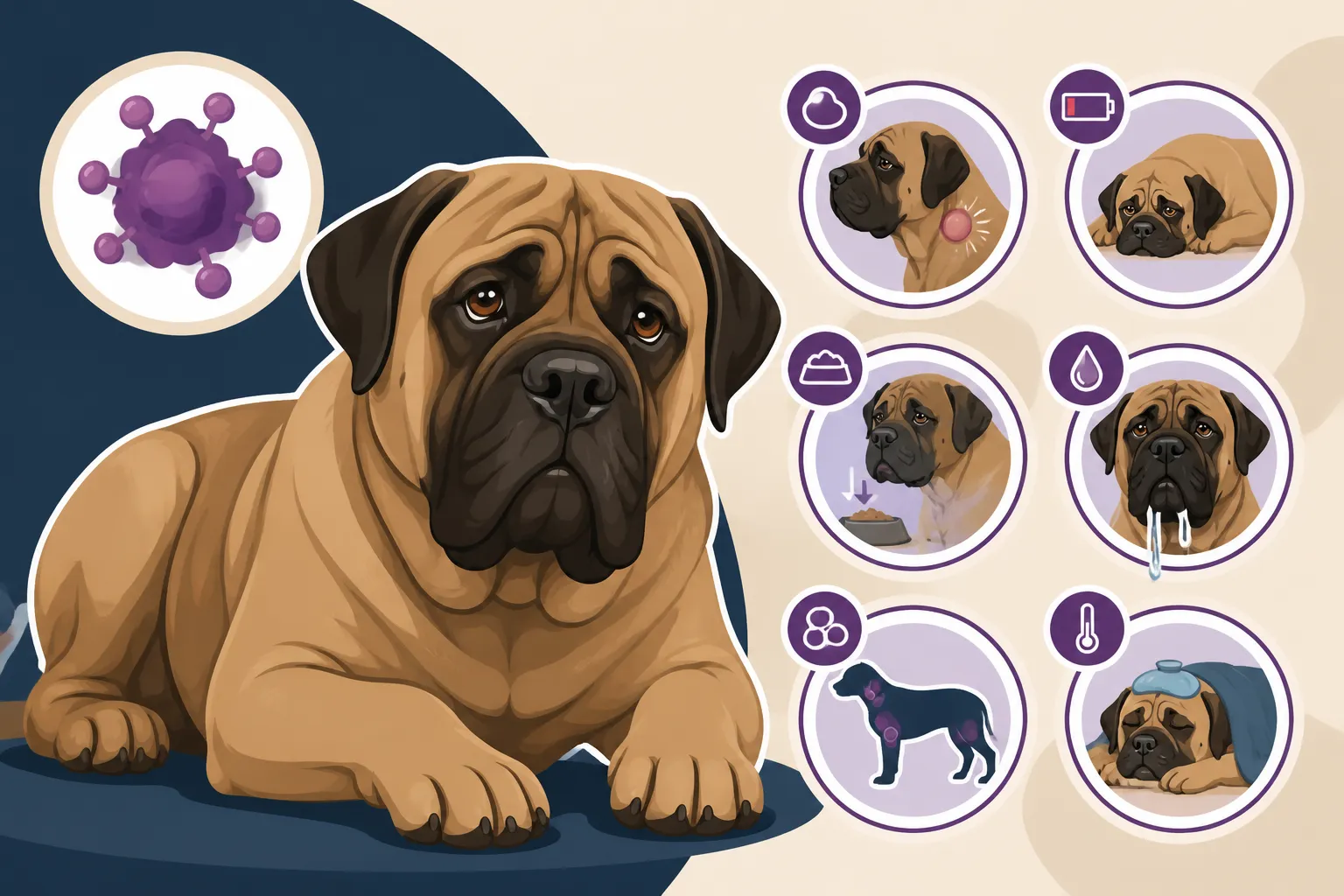
| Lymphoma Symptom Category | Specific Signs to Watch For | Where to Check/Observe |
|---|---|---|
| Physical Lumps | Swollen, firm, non-painful nodes | Under jaw (submandibular), in front of shoulders (prescapular), behind knees (popliteal), groin (inguinal), armpits (axillary) |
| General Health | Lethargy, decreased activity, increased sleeping | Overall demeanor, willingness to play/walk, interaction levels |
| Appetite & Weight | Reduced appetite, fussiness, unexplained weight loss | Food bowl habits, body condition score, regular weigh-ins |
| Digestive Issues | Chronic vomiting, diarrhea, abdominal discomfort/distention | Stool consistency, frequency of vomiting, reaction to abdominal palpation |
| Respiratory Issues | Coughing, difficulty breathing, noisy breathing, shortness of breath | Breathing rate at rest and after exertion, presence of a cough |
| Skin Changes | Scaly patches, hair loss, red lesions, persistent lumps/plaques | Entire coat, particularly face, lips, nose, eyelids, footpads |
Disclaimer
This article is intended for informational purposes only and does not constitute professional veterinary advice. If you suspect your Bullmastiff is ill, please consult with a qualified veterinarian immediately. Do not attempt to diagnose or treat your pet based solely on the information provided here.