Why Dark Brindle Hid a Bullmastiff at Night
It’s a common misconception that a Bullmastiff’s coat color is purely about aesthetics, or just a matter of breed preference. But if you’ve ever wondered why so many historical images of these magnificent dogs show them in deep, dark brindle, you’re hitting on a crucial point about their very purpose. The truth is, the dark brindle coat was less about looking good and everything to do with vanishing into the night, allowing these powerful guardians to do the job they were created for without being seen.
The Historical Canvas of the Gamekeeper's Estate
To truly understand the dark brindle Bullmastiff, we need to transport ourselves back to the sprawling, often wild, estates of 19th-century England. These were times when gamekeepers faced a constant, pervasive threat: poachers. It wasn't just about a few rabbits; organized gangs often targeted valuable deer, pheasants, and other game, threatening the livelihood and prestige of the landowners. Protecting these estates was a serious, often dangerous, business, and the Bullmastiff was bred specifically for this task.
The Crucial Need for Concealment at Night
Imagine a vast English estate at dusk, or in the dead of night. There were no floodlights, no security cameras, just the pale gleam of the moon, the dense shadows of ancient trees, and the rustle of leaves. A gamekeeper's patrol was a stealth operation, and his dog needed to be an extension of that silence and invisibility. A bright, easily spotted dog would be a liability, giving away the gamekeeper's position and allowing poachers to escape or, worse, prepare for a confrontation.
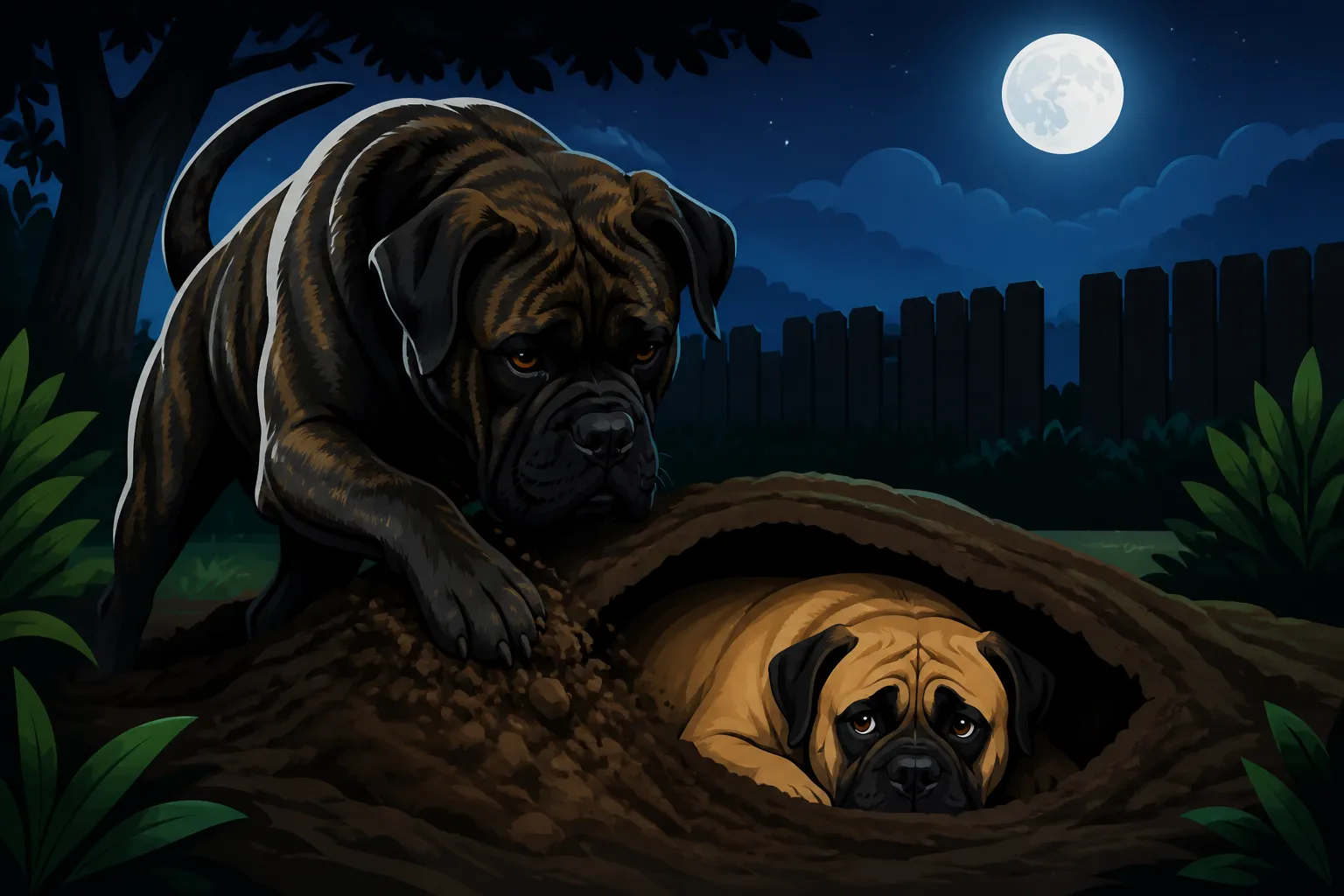
This was precisely why the "night dog" was developed. The Bullmastiff Was Built to Catch Poachers in the Dark by silently trailing and detaining intruders. The dog's ability to remain unseen until the critical moment was paramount. Poachers were often armed and desperate, and a surprise encounter could mean the difference between apprehension and a violent struggle. The dog had to be an unseen force, a shadow among shadows, before it became a physical presence. This strategic advantage was woven into the very fabric of the breed's design, and coat color played a significant role in achieving it.
The Natural Camouflage of the Victorian Landscape
The working environment for these early Bullmastiffs was far from a brightly lit kennel or a manicured urban park. It was the dense undergrowth of ancient woodlands, the uneven terrain of open fields bordering forests, and the shadowy paths that crisscrossed vast estates. Picture the deep greens of ivy and ferns, the dark browns of tree trunks and fallen leaves, and the muted grays of rocks and muddy pathways, all cast in the low light of a moonless night.
In such an environment, solid, light colors like a pale fawn or a bright red would stand out almost immediately. A dog with a uniform light coat would be like a beacon against the dark background. But a brindle coat, with its intricate pattern of stripes and swirls, could naturally mimic the dappled light and shadow effects created by moonlight filtering through branches, or the texture of rough tree bark. This wasn't about flashy markings; it was about perfectly blending into the natural palette of the English countryside at night. The very patterns that make brindle coats so striking today were originally a masterclass in natural concealment.
How Dark Brindle Perfected the Bullmastiff's Camouflage
The specific combination of dark colors and the brindle pattern made the Bullmastiff an unparalleled master of disguise in its original role. It wasn't just about being dark; it was about how that darkness was broken up and integrated into the dog's form.
Blending into the Low Light and Shadows
The dark brindle coat is essentially a pattern of black or very dark stripes over a lighter background, often fawn or red. When viewed in low light, this pattern breaks up the dog's outline, making it incredibly difficult to discern its true shape. Instead of seeing a solid, moving mass, an observer would perceive shifting patches of light and shadow, much like looking at the textured bark of an oak tree or the confusing shadows cast by a dense bush. This visual disruption was key.
This effect is similar to military camouflage, which isn't just about using green and brown, but about breaking up the distinct shape of a soldier or vehicle against the natural environment. For a Bullmastiff, those dark stripes helped them melt into the deep recesses of a wooded area or stand silently by a thicket without drawing attention. How a Bullmastiff Was Sent After a Poacher involved a degree of stealth, and the brindle pattern was a significant contributor to that. It allowed the dog to approach unnoticed, gaining precious seconds before being detected, which could be vital in preventing an escape or a potentially violent confrontation.
Why Brindle Outperformed Other Colors for Night Work
While fawn and red Bullmastiffs are beloved today, and certainly beautiful, they simply weren't as effective at disappearing into the night as their dark brindle counterparts. Imagine a pale fawn Bullmastiff standing against a dense, dark forest line under a sliver of moon. Its solid, uniform color would create a distinct silhouette, making it easily identifiable, especially if it moved. The eye would pick up the contrast immediately.
Here's a simple comparison of how different colors would have performed in the working environment:
| Bullmastiff Coat Color | Nighttime Visibility | Advantage for Gamekeepers |
|---|---|---|
| Dark Brindle | Very Low | Excellent camouflage, breaks up outline. |
| Fawn | Moderate to High | Distinct silhouette, easier to spot. |
| Red | Moderate to High | Distinct silhouette, stands out. |
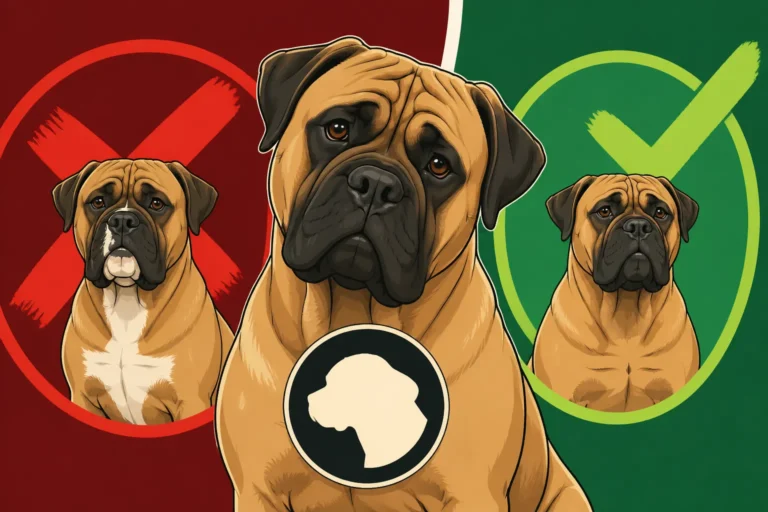
| Piebald/White (Disqualifying) | Extremely High | Would be highly visible, no historical utility. |
The brindle's irregular streaks allowed it to become part of the natural visual "noise" of the environment, whereas a solid color, even a dark one like a very deep red, still presents a more coherent, detectable form. This isn't to say other colors couldn't do the job, but the dark brindle offered a superior level of concealment, giving the gamekeeper and his canine partner the best possible tactical advantage when operating under the cloak of darkness.
The Evolution of Bullmastiff Color Preferences
Over time, as the Bullmastiff transitioned from a purely working dog on large estates to a beloved companion animal and show ring competitor, the emphasis on practical camouflage began to wane. Aesthetic appeal and breed standards became more prominent factors in color preference.
From Functional Necessity to Show Ring Aesthetics
Once the need to catch poachers under the cover of darkness became less prevalent, the original utilitarian purpose of the dark brindle coat diminished. As the breed gained recognition and moved into the world of dog shows, different color preferences started to emerge. While brindle remained, and still remains, a recognized and admired color, fawn and red became incredibly popular. These lighter, often more uniformly colored coats, showcased the Bullmastiff's impressive musculature and noble head more dramatically in the daylight of a show ring.
Breeders, no longer solely focused on a dog's ability to disappear, began to select for other traits like conformity to the written standard, temperament, and overall presence. When Fawn Bullmastiffs Became Popular marked a shift, reflecting changing priorities from field utility to domestic guardianship and exhibition. Today, whether you choose a brindle, fawn, or red Bullmastiff, you'll find them equally devoted and impressive companions, proving that while their history shaped their initial purpose, their future embraced a broader appeal. Many owners now seek out unique patterns or shades, and reputable breeders understand the importance of genetic diversity across all accepted colors.
Understanding Modern Bullmastiff Color Choices
In today's Bullmastiff world, all three recognized colors—fawn, red, and brindle—are equally accepted and cherished. The choice often comes down to personal preference. Some people love the classic, often striking look of a deep red Bullmastiff, while others are drawn to the softer, warmer tones of a fawn. Then there are those, like me, who still marvel at the intricate beauty of a brindle coat, appreciating its historical roots even if their dog's main job today is to guard the sofa.
When you're looking for a Bullmastiff puppy, you'll see a variety of these colors available. Whether you're purchasing food or supplies from a large online retailer like Chewy, or browsing breeders, you'll find examples of each. What's most important isn't the color, but the health, temperament, and responsible breeding practices behind the dog. A good breeder will prioritize these factors over mere aesthetics, ensuring you get a wonderful companion regardless of their coat. Remember that while the brindle was once a functional necessity, today it's one of three equally beautiful expressions of the breed.
Beyond Coat Color: Other Traits for the Silent Watch
While coat color was a critical component of the Bullmastiff's ability to operate undetected at night, it was far from the only trait that made them exceptional gamekeeper's dogs. Their entire physical and mental makeup was finely tuned for their demanding role.
The Importance of Quiet Movement and Alertness
A Bullmastiff's build, while powerful, was designed for agility and silence. They possessed a deep chest and muscular legs, allowing for ground-covering strides that were surprisingly quiet. Imagine a dog weighing over a hundred pounds moving through underbrush without snapping twigs or rustling leaves loudly – this required a specific conformation and training. Their pads had to be tough, their gait purposeful yet soft, ensuring that their approach was as silent as their shadow. This inherent quietness made the dark brindle coat even more effective; a dog that blends in visually but crashes through the bushes audibly is no use for stealth work.
Furthermore, their alertness was paramount. These dogs had to possess exceptional senses of smell and hearing to detect intruders long before they were seen. Gamekeepers needed a dog that could process environmental cues, differentiate between natural sounds and human intrusion, and react appropriately. They weren't bred for incessant barking; in fact, Why a Bullmastiff Was Bred to Work Silently is a topic unto itself, highlighting their preference for quiet, deliberate action over vocal alerts. This calm, discerning alertness, combined with their silent movement, completed the picture of the ultimate nocturnal guardian.
The Strategic Role of the Bullmastiff's Black Mask
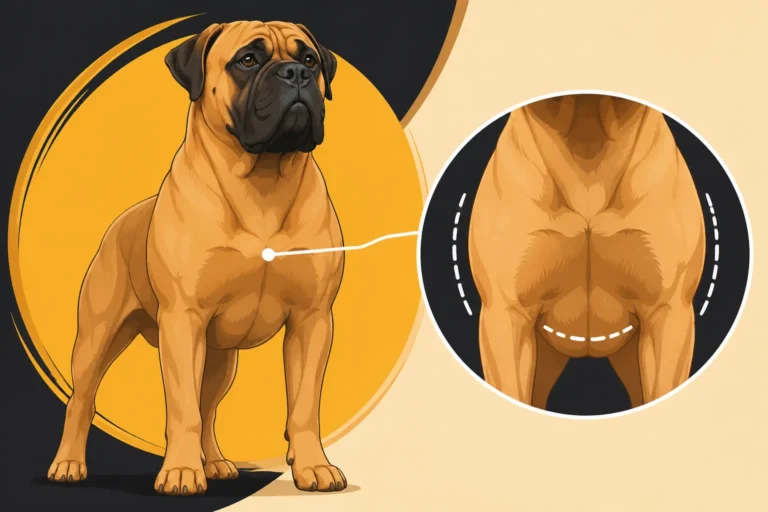
Another distinctive feature of the Bullmastiff, the black mask, also played a subtle but significant role in their night operations. While not as overtly camouflage-focused as the brindle coat, the dark mask around their eyes and muzzle served to obscure facial features in low light. In a dark environment, lighter facial markings could make a dog's head stand out, drawing attention to its most expressive features: the eyes and snout.
The solid black mask, however, created a uniform, dark area on the face, making it harder for a poacher to discern the dog's direction of gaze or its exact expression. This could add to the element of surprise and intimidation once the dog was finally spotted. It contributed to the overall impression of a dark, imposing figure emerging from the shadows. While many Bullmastiff owners today adore the dramatic contrast of the black mask, historically, it simply enhanced the dog's ability to remain a mysterious, silent, and ultimately effective presence in the dark, contributing to the powerful image of the Bullmastiff as a formidable, yet composed, guardian. Even today, when you're selecting toys or bedding for your Bullmastiff from a store like Chewy, you're appreciating a dog whose every feature, from its coat to its mask, was once honed for a specific, demanding task.
Disclaimer
This article is for general informational purposes only and does not constitute professional advice. Laws, prices and regulations vary by location and change over time. Consult a qualified professional for guidance on your specific situation.