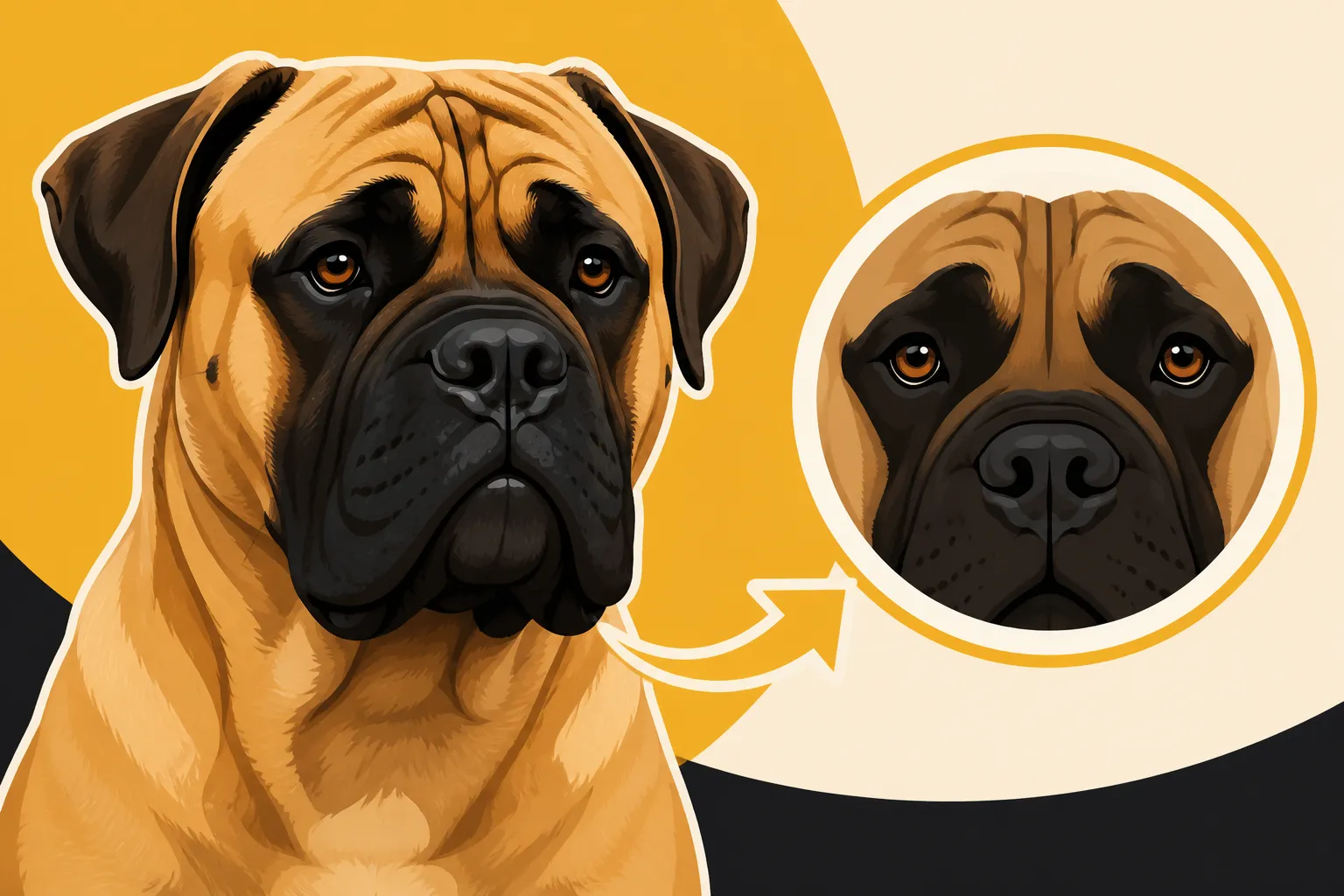
What a Bullmastiff’s Black Mask Should Look Like
It can be incredibly confusing to understand all the nuances of a purebred dog's appearance, especially when you're looking at specific features like the Bullmastiff's iconic black mask. Many new owners, or those researching the breed, often wonder what defines a "good" mask and how it should look according to breed standards, leading to uncertainty about whether their dog fits the ideal. This comprehensive guide will walk you through precisely what constitutes the Bullmastiff's black mask, its characteristics, why it's so important, and how to care for the area.
The Defining Feature: Understanding the Bullmastiff's Black Mask
The black mask is perhaps one of the most recognizable and essential features of the Bullmastiff, often being the first thing people notice about their powerful, dignified face. It's more than just a splash of dark color; it's a genetic trait that harks back to the breed's origins and plays a crucial role in its identity. When you look at a Bullmastiff, that striking dark muzzle against a fawn or red coat instantly tells you a lot about the dog's heritage and adherence to the breed's established appearance.
Historical Significance of the Mask
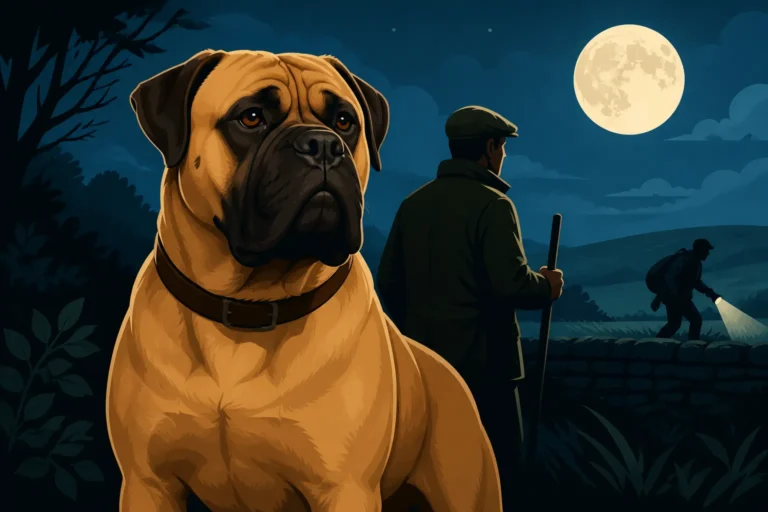
To truly appreciate the Bullmastiff's black mask, we have to journey back to its roots in 19th-century England. These magnificent dogs were developed by gamekeepers to protect vast estates from poachers. They needed a dog that was silent, powerful, and intimidating, but also able to hold a man without mauling him. The early Bullmastiffs were often dark brindle in color, blending into the shadowy nights. Over time, as fawn and red became more prevalent, the black mask served a similar purpose: it provided an element of stealth in low light, obscuring the facial features and making the dog's expression less discernible to an intruder. Think of it as natural camouflage for a night-working dog. It wasn't merely decorative; it was functional, allowing the Bullmastiff to fulfill its role as the "Gamekeeper's Night Dog." This history is why The Black Mask Every Bullmastiff Must Have is such a strong point of the breed standard.
Beyond its practical application, the black mask also symbolized the deliberate breeding efforts to create a distinct and formidable guardian. It distinguished the Bullmastiff from other Mastiff types and highlighted the strong, determined expression that was desired. For breeders, maintaining the integrity of this feature was a testament to preserving the breed's unique characteristics and ensuring that the dog's appearance reflected its purpose. It's a living piece of history on every Bullmastiff's face, connecting them directly to their ancestral job.
The Standard's Description of the Mask
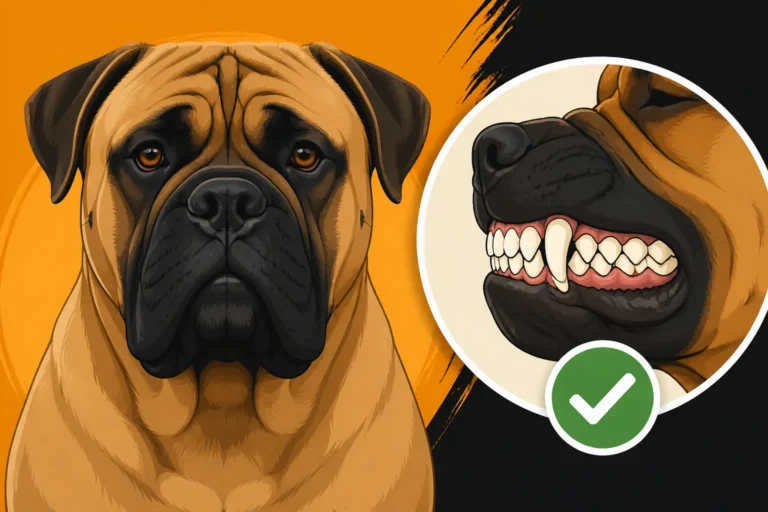
When we talk about "what a Bullmastiff's black mask should look like," we're really talking about the official breed standard. This document, put forth by kennel clubs like the American Kennel Club (AKC), outlines the ideal characteristics of the breed. For the Bullmastiff, the standard is quite specific about the mask. It explicitly calls for a "black mask on muzzle, lightening towards the eyes, with dark markings around eyes, which contribute to expression." This isn't just about the color; it's about the placement, the intensity, and how it frames the dog's face. The mask should be distinctly black and extend up the muzzle, fading somewhat as it reaches the eyes, but critically, the skin around the eyes should also be dark, creating that intense, watchful gaze.
The standard emphasizes that the mask should not extend significantly beyond the eyes. You don't want a "reverse raccoon" look where the entire skull is black; rather, it should be concentrated on the muzzle and around the immediate eye area. Any departure from this, such as a mask that is too light, absent, or extends too far up the forehead, is considered a fault. For judges in the show ring, the mask is a key indicator of correct breed type and can significantly influence a dog's placement. This strict interpretation helps ensure the preservation of the breed's signature look across generations.
Anatomy of the Ideal Black Mask
Understanding the breed standard in theory is one thing, but knowing how to interpret it on a living, breathing Bullmastiff can be another. The ideal black mask isn't just a solid block of color; it has specific boundaries, depth, and overall impact on the dog's expression. It works in conjunction with the dog's other facial features to create that signature Bullmastiff look – powerful, intelligent, and often quite serious.
Coverage and Extent of the Black Pigmentation
The ideal black mask should primarily cover the muzzle, meaning the area from the nose up to where the skull begins. It should be intense and clearly defined. Think of it as a painter's brushstroke, outlining the strength of the Bullmastiff's jaw and snout. The black pigmentation should extend from the nose to the dark eye rims, which are also part of the desired "mask" effect, ensuring the eyes stand out with a dark frame. What a Bullmastiff's Muzzle Length Should Be is important here, as the mask highlights the proportions.
However, a critical nuance of the standard is that the mask should lighten towards the eyes and not extend much beyond them. This means you shouldn't see a solid block of black reaching high onto the forehead or covering the entire side of the face. The dark markings around the eyes, which are distinct from the full mask, are what complete the intense expression. It's a balance: strong on the muzzle, softening as it approaches the cranial area, while maintaining a dark outline around the actual eye. This creates depth and helps give the Bullmastiff that penetrating gaze. Over-masking, where the black extends too far up the skull, or under-masking, where the pigmentation is too sparse, both detract from the ideal.
Intensity and Uniformity of the Color
For a mask to be truly exemplary, it needs to possess both intensity and uniformity in its black color. We're talking about a rich, dense black, not a faded charcoal or a patchy, inconsistent hue. This depth of color contributes significantly to the Bullmastiff's imposing presence. A wishy-washy, grayish mask simply doesn't convey the same level of breed type or impact. The black should be consistent across the entire masked area, without lighter patches or streaks.
This uniformity also extends to the pigmentation of the nose and the eye rims, which should ideally be solid black. The dark rim around the eye enhances the contrast with the eye color itself, typically dark brown, and amplifies the dog's intelligent and watchful expression. A Bullmastiff with a strong, uniform black mask looks bold and classic. Anything less can dilute the overall impression of the head and diminish that characteristic powerful Bullmastiff "look." How a Bullmastiff Puppy's Color Changes can be a factor here, as mask intensity can develop, but a clear, rich black is the goal.
Common Deviations from the Ideal Mask
While the breed standard sets a high bar, not every Bullmastiff will perfectly fit the description, and there are common variations in mask appearance. One frequent deviation is a mask that is too light or incomplete. Instead of a deep black, some Bullmastiffs might have a grayish mask, or the black might not extend fully over the muzzle, leaving parts of the underlying fawn or red coat exposed. This "broken mask" or "under-masked" appearance is considered a fault.
Another deviation occurs when the mask extends too far up the forehead, creating what some jokingly call a "hood" or an "over-masked" look. This can make the dog's face appear heavier and lose the desired contrast between the mask and the lighter skull. Similarly, the dark markings around the eyes might be absent or too light, diminishing the intensity of the dog's expression. While these variations don't necessarily impact a pet Bullmastiff's health or temperament, they are points of concern in the show ring and for breeders aiming to produce dogs that conform closely to the ideal. Breeders dedicated to the standard will carefully evaluate Which Colors a Bullmastiff Comes In and how the mask presents itself across litters.
Why the Black Mask Matters for Bullmastiffs
Beyond aesthetics, the black mask is deeply intertwined with the Bullmastiff's historical function, its breed identity, and its place in the world of purebred dogs. It's not just about looking pretty; it's about looking right for what a Bullmastiff is meant to be. This particular feature holds weight both for the breed's past and its future.
Function and Original Purpose
As mentioned earlier, the black mask wasn't merely a cosmetic preference for the gamekeepers who developed the breed. Its original purpose was rooted in stealth and intimidation. Working under the cover of darkness, a Bullmastiff with a dark muzzle would be less conspicuous against the night sky or in wooded areas. The dark pigmentation would help obscure its facial features, making it harder for a poacher to gauge the dog's exact expression or movements until it was upon them. Why Dark Brindle Hid a Bullmastiff at Night also speaks to this historical need for camouflage.
Furthermore, the strong, dark mask contributes to the Bullmastiff's naturally formidable appearance. A dark face can look more severe and less approachable, which was precisely the intimidating presence desired in a guardian tasked with deterring trespassers. It adds to the impression of power and solemnity that defines the breed. While most Bullmastiffs today are beloved family companions rather than working guardians on vast estates, this visual legacy remains a fundamental part of their genetic blueprint and breed standard.
Aesthetic Value and Breed Identity
For many Bullmastiff enthusiasts, the black mask is simply stunning. It provides a striking contrast against the warm fawn and red coats, highlighting the powerful contours of the head. This distinct aesthetic is what makes a Bullmastiff instantly recognizable and separates it from other large mastiff-type breeds. Without that defining mask, a Bullmastiff might lose some of its unique visual impact and could even be confused with other breeds.
The mask is a cornerstone of the Bullmastiff's overall breed identity. It's one of those "must-have" features that breeders strive to maintain, and judges look for intently in the show ring. It contributes to the breed's reputation for dignity, strength, and an alert, intelligent expression. It's part of the complete package that makes a Bullmastiff, well, a Bullmastiff. This aesthetic value is why so much attention is paid to the correctness of the mask in the breed standard and why a What a Bullmastiff Judge Puts a Hand On First will often be the head.
Impact on Showing and Breeding
In the world of dog shows, adhering to the breed standard is paramount, and the black mask is no exception. A Bullmastiff with a mask that deviates significantly from the ideal can be penalized. Judges are looking for that perfect balance of coverage, intensity, and definition. An over-masked dog, an under-masked dog, or one with a weak, faded mask, will likely not fare as well as a competitor whose mask closely matches the standard's description. This reinforces the importance of careful breeding to maintain this trait.
For breeders, understanding the genetics behind the mask is crucial. They select breeding pairs not just for temperament and health, but also for their conformation, including mask quality. A breeder will evaluate the masks of puppies in a litter and consider how they develop as the pups mature. They aim to produce puppies that will grow into adults with excellent masks, contributing to the overall quality and adherence to the standard of the breed. This dedication helps ensure the iconic black mask continues to be a hallmark of the Bullmastiff for future generations. If a breeder is serious, they will know Whether a Maskless Bullmastiff Can Be Shown and why it's a fault.
Care and Observation of Your Bullmastiff's Mask Area
The black mask itself is a pigmented area, but the underlying skin and surrounding features, particularly the facial folds, require attention. Proper care ensures not only that your Bullmastiff looks its best, but also that they remain healthy and comfortable, preventing common skin issues that can arise in breeds with wrinkles and jowls.
Keeping the Facial Folds Clean
Bullmastiffs, like many brachycephalic (short-nosed) breeds, often have wrinkles and folds around their muzzle and eyes. These folds, especially those covered by the black mask, can trap moisture, food particles, and debris, creating a warm, damp environment that is perfect for bacterial or yeast infections. Ignoring these areas can lead to irritation, redness, unpleasant odors, and even painful skin infections.
Regular cleaning is absolutely essential. Aim to wipe your Bullmastiff's facial folds daily, or at least every few days, especially after meals or drinking. Use a soft, damp cloth, or specifically designed pet wipes, to gently clean out any gunk. After cleaning, it's vital to thoroughly dry the folds to prevent moisture buildup. You can use a soft towel or even a cotton ball. Some owners use a little cornstarch or medicated powder (consult your vet first!) to keep the folds dry. Maintaining these areas is part of general Bullmastiff hygiene, and neglecting them can lead to significant discomfort for your dog. For general cleaning supplies, many owners find useful products on platforms like Chewy, offering a wide array of pet-safe wipes and gentle cleansers specifically formulated for sensitive areas. The Wrinkles and Folds on a Bullmastiff's Face are a key feature that require consistent care.
Here’s a quick overview of mask-related features and their ideal appearance:
| Feature | Ideal Appearance | Common Deviations | Importance |
|---|---|---|---|
| Mask Color | Intense, dense black | Faded, grayish, patchy | Historic function, breed identity |
| Mask Extent | Covers muzzle, lightening towards eyes | Too high on forehead, too sparse, broken | Defines facial structure, expression |
| Eye Markings | Dark pigmentation around eyes, dark eye rims | Light or absent eye rims/markings | Contributes to intense, watchful expression |
| Nose Pigment | Solid black | Pink or liver spots | Overall facial balance, health indicator |
| Overall Head | Balanced with mask highlighting powerful muzzle | Disproportionate due to mask issues | Conformation, breed type |
Recognizing Changes in Pigmentation or Skin Health
While the black mask itself is a stable feature, it's important to monitor the skin underneath and around it for any changes. Persistent moisture or trapped debris can lead to dermatological issues like pyoderma (bacterial skin infection) or yeast infections. Signs to look for include redness, swelling, hair loss in the folds, a foul odor, or your dog frequently rubbing or scratching their face. If you notice any of these, a vet visit is in order to get an accurate diagnosis and treatment.
Occasionally, you might notice slight changes in the mask's intensity as your Bullmastiff ages. Just like humans get gray hairs, some older Bullmastiffs might experience a subtle lightening or grizzling around their muzzle. This is usually a normal part of the aging process and not a cause for concern unless it's accompanied by other symptoms. However, any sudden or dramatic loss of pigmentation, particularly if it's patchy, could indicate a dermatological issue or even an autoimmune condition like vitiligo and warrants veterinary attention. Regular observation during your cleaning routine can help you catch these changes early. How Often a Bullmastiff's Face Should Be Wiped isn't just about cleanliness, but also about close observation.
Genetics and the Inheritance of the Black Mask
The black mask in Bullmastiffs is a polygenic trait, meaning it's influenced by multiple genes. While we don't have a single "mask gene" that breeders can test for, the presence and quality of the black mask are generally inherited. Reputable breeders pay close attention to the masks of their breeding stock and their ancestors, aiming to select dogs that consistently produce offspring with correct mask pigmentation. This is part of the broader effort outlined in What a Bullmastiff Breeder Should Have Screened.
The genes that control the Bullmastiff's base coat color (fawn, red, or brindle) also interact with those that determine the mask. For instance, a Bullmastiff must have certain genetic components for dark pigment to even express a mask. While a solid black mask is highly desired, some variation will always occur within a litter. Understanding the lineage and the genetic predispositions of the parents helps breeders predict, to some extent, the mask quality in their puppies. It's a complex interplay of genetics that contributes to this breed-defining feature, and good breeders are constantly striving to maintain its integrity according to the standard.
Disclaimer
This article is for general informational purposes only and does not constitute professional advice. Laws, prices and regulations vary by location and change over time. Consult a qualified professional for guidance on your specific situation.