What a Bullmastiff’s Muzzle Length Should Be
One common concern that arises when new Bullmastiff owners, or even seasoned ones, look at their majestic companions is whether their dog's face, specifically the muzzle, looks "right." It's easy to get caught up in comparison or worry about subtle variations. This guide will delve deep into what constitutes the ideal Bullmastiff muzzle according to breed standards, how its unique heritage shaped it, and the crucial health and daily care considerations tied to this important facial feature.
Defining the Ideal Bullmastiff Muzzle According to the Standard
The Bullmastiff breed standard isn't just a fancy set of rules for show dogs; it's a blueprint for the healthy, functional dog this magnificent breed was always intended to be. When it comes to the muzzle, the standard is quite specific because it directly impacts the dog's ability to breathe, eat, and function effectively. Many people assume "Mastiff" means a flat face, but that's a common misconception that can lead to significant health problems.
The Specific Measurements and Proportions
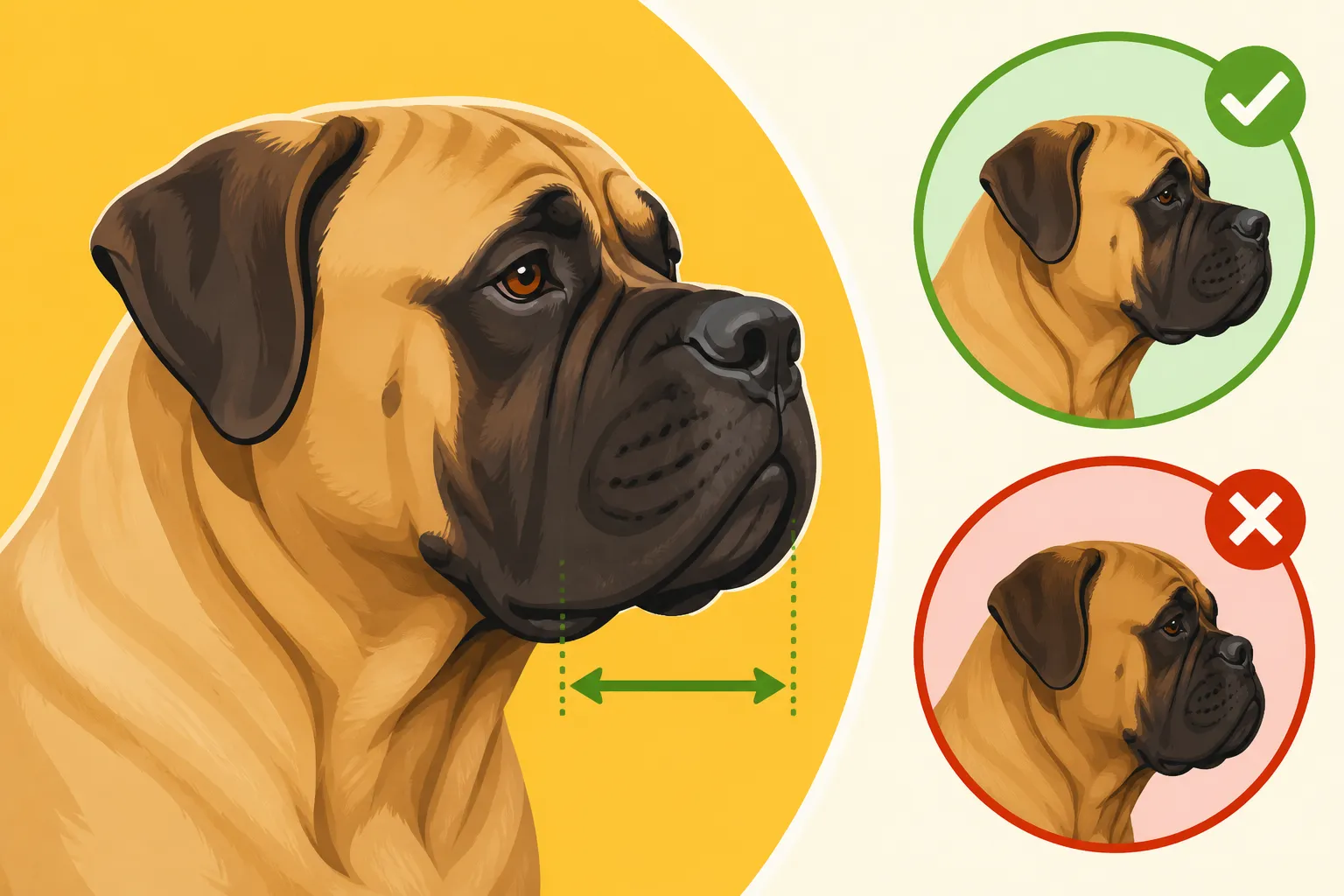
The Bullmastiff standard calls for a muzzle that is relatively short but broad and deep, maintaining a specific ratio to the skull. Generally, it should be about one-third the length of the skull. This isn't just an arbitrary number; it’s about ensuring there’s enough room for healthy airways and teeth. Imagine drawing a line from the stop (the indentation between the eyes) to the tip of the nose, and another from the stop to the back of the skull. The muzzle segment should be significantly shorter, but critically, it should not be so short that it appears "pushed in."
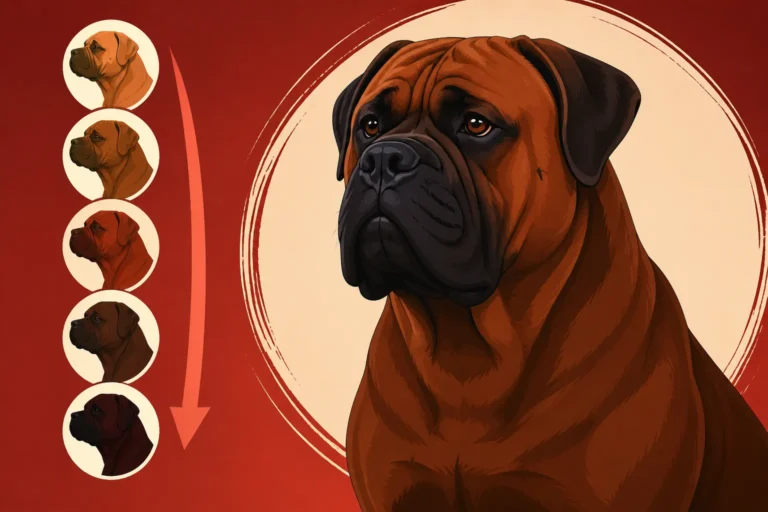
Furthermore, the muzzle needs to be broad, meaning it should maintain its width fairly consistently from the eyes to the nose. It shouldn't taper sharply. And it must be deep, providing ample jaw room. The nostrils should be large and wide open, never pinched, allowing for unobstructed breathing. A Bullmastiff's large size and protective nature mean they need efficient breathing, especially if they were ever called upon to do their historical job. The folds of skin around the muzzle, often referred to as flews, should hang somewhat but not excessively, and the dark pigmentation of The Black Mask Every Bullmastiff Must Have is a hallmark of the breed, framing this important facial structure.
Historical Context: Why This Muzzle Was Bred
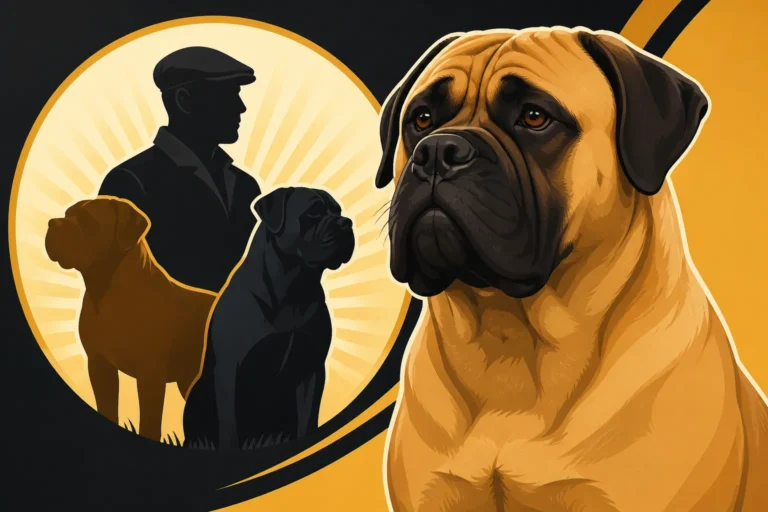
To truly understand why the Bullmastiff’s muzzle is designed this way, we have to look back at their origins. These dogs were literally bred to be "The Gamekeeper's Night Dog" in 19th-century England, their primary role being to The Bullmastiff Was Built to Catch Poachers in the Dark. They needed to be fast enough to catch a poacher, strong enough to hold them without mauling, and quiet enough to do it all stealthily. This required an athletic, powerful dog, and a dog with a severely flattened face simply wouldn't have been up to the task.
The Bullmastiff's muzzle, therefore, is a compromise: it's shorter than a pure Mastiff's, giving it some of the Bulldog's powerful jaw and "grit," but not so short as to impede its stamina or breathing. The breadth and depth of the muzzle provided the powerful grip needed to hold a person, while the wide nostrils and open airways ensured they could sustain their effort without quickly overheating or struggling for breath. Their job was demanding, and their physical structure, including their muzzle, was meticulously developed to meet those demands. Any deviation from this functional design can detract from the dog’s health and historical purpose.
The Bulldog and Mastiff Influence on Bullmastiff Muzzle Structure
The very name "Bullmastiff" tells you a lot about its genetic blueprint. This breed is a calculated blend, precisely described as The Bullmastiff Is Sixty Percent Mastiff and Forty Percent Bulldog. This deliberate cross created a dog that combined the Mastiff's impressive size and guarding instinct with the Bulldog's tenacity and athleticism. Understanding these foundational breeds helps us appreciate the unique balance struck in the Bullmastiff's head, particularly its muzzle.
How the Bulldog Contribution Shapes the Face
The "Bulldog" component in the Bullmastiff's ancestry refers to the Old English Bulldog, a very different animal from the compact, extremely brachycephalic (short-nosed) Bulldog we see today. However, even the historical Bulldog contributed certain characteristics to the Bullmastiff's head, most notably the broadness and depth of the muzzle, and the powerful, slightly undershot jaw. This gave the Bullmastiff the strong, vice-like grip that was essential for holding a poacher.
The Bulldog's influence is evident in the Bullmastiff's robust lower jaw and the tendency for some flews or loose lips, but it was crucial that this didn't come at the expense of breathing. A key distinction in How the Bulldog Half Shows in a Bullmastiff's Head is that the Bullmastiff’s muzzle, while powerful and broad, is still proportionate. It does not have the extreme shortening or wrinkle of many modern brachycephalic breeds. The Bullmastiff was bred for function, not solely for a particular aesthetic, so extreme features that would hinder its working ability were always considered undesirable.
The Mastiff's Role in Overall Head Proportions
The Mastiff, contributing the larger portion of the Bullmastiff's genetic makeup, brought with it the impressive size, substantial bone, and a more pronounced, albeit still proportionate, muzzle. The Mastiff's head is generally larger and its muzzle longer than that of a Bullmastiff, but it provided the substantial foundation. The Mastiff also contributed to the overall How Broad a Bullmastiff's Skull Should Be, creating a powerful head that could support a robust bite.
The careful blend meant taking the Mastiff's size and guard qualities, then adding the Bulldog's athleticism and holding ability. The resulting Bullmastiff muzzle is a testament to this thoughtful breeding: substantial, broad, and deep enough for immense power, yet short enough to be efficient and not cumbersome, distinguishing it clearly from the much longer-muzzled Mastiff. This balance is what gives the Bullmastiff its distinctive and functional headpiece, ensuring it has adequate airway and jaw structure for both health and historical purpose.
Breathing, Health, and the Bullmastiff's Muzzle
The length and structure of a Bullmastiff’s muzzle are not just about looks; they are absolutely critical to their health and well-being. Dogs, especially large, powerful breeds like the Bullmastiff, rely heavily on their respiratory system for thermoregulation and stamina. Any compromise in this area can lead to significant health challenges, impacting their quality of life and even their lifespan.
The Importance of Open Nostrils and Airflow
A Bullmastiff's muzzle, while shorter than many breeds, is still designed to facilitate healthy breathing. This means the nostrils, often referred to as nares, should be wide and open, allowing for maximum airflow. When a Bullmastiff exerts itself, whether playing fetch or simply on a walk, it needs to be able to take in and expel air efficiently. Why a Bullmastiff's Nostrils Must Be Wide directly relates to this need. Narrow, "pinched" nostrils, a common feature in severely brachycephalic breeds, restrict air intake significantly, forcing the dog to work harder to breathe. This extra effort not only causes discomfort but also puts strain on the heart and other organ systems.
Beyond the nostrils, the entire respiratory tract, from the back of the throat to the windpipe, needs to be clear. An ideal Bullmastiff muzzle provides enough space for these structures, preventing them from being compressed or overly convoluted. This is particularly important for a dog that can quickly Why a Bullmastiff Overheats So Easily. Good airflow is their primary way of cooling down, and anything that hinders it puts them at a much higher risk of heatstroke, especially in warm weather.
Potential Issues with Overly Short or Pinched Muzzles
Unfortunately, sometimes breeding drifts from the ideal, and you'll encounter Bullmastiffs with muzzles that are too short, too narrow, or have overly pinched nostrils. These deviations from the standard can lead to a condition known as Brachycephalic Obstructive Airway Syndrome (BOAS), even if not to the severe extent seen in breeds like Pugs or Bulldogs. A Bullmastiff should absolutely not be considered truly brachycephalic in the problematic sense, but extreme shortening of the muzzle pushes them into that territory.
When a Bullmastiff's muzzle is too short, or its nostrils are too narrow, you might notice Signs a Bullmastiff Has Breathing Problems. These can include loud snoring, snorting, gagging, difficulty exercising, and even collapsing in warm weather. These are not charming quirks; they are indicators of struggle. Over time, chronic breathing difficulties can lead to secondary health problems, including heart issues, as the dog's body constantly works overtime to get enough oxygen. It's a serious concern, and owners of dogs with compromised muzzles often find themselves facing significant veterinary bills and a diminished quality of life for their beloved pet. This is why paying attention to the muzzle length and overall head structure is so vital when choosing a Bullmastiff puppy.
Living with a Bullmastiff: Muzzle Considerations in Daily Care
While the breed standard guides the ideal, daily life with a Bullmastiff means understanding how their unique muzzle shape impacts practical aspects of their care. From mealtime to playtime, their powerful, broad head and specific muzzle structure require a bit of foresight and adaptation from their human companions.
Eating, Drinking, and Playtime Adaptations
A Bullmastiff's broad, deep muzzle and often abundant flews (the loose lips) mean they aren't the tidiest eaters or drinkers. When they drink, water tends to get caught in those flews, leading to dripping after every gulp. Many Bullmastiff owners keep a "drool rag" handy for this very reason! Similarly, when eating, especially from a standard bowl, food can get pushed around, or parts of their face can dip into the meal, leading to more mess. Some owners find that a raised bowl helps with posture and can reduce some of the mess, although it's crucial to consider the individual dog and consult with your vet about bowl height, particularly regarding bloat risk.
For playtime, chew toys need to be appropriately sized and durable for their powerful jaws. Toys that are too small can become choking hazards, while those that are too flimsy won't stand up to a Bullmastiff's chewing power. Toys shaped to be easily picked up by a broad muzzle are often appreciated. For example, some excellent brands available at retailers like Chewy offer larger, more robust enrichment toys and bowls designed with larger breeds in mind, which can make a real difference. Remember, mental stimulation is as important as physical, and a good chew session can be incredibly satisfying for them.
Grooming and Cleaning the Muzzle Area
The Bullmastiff's head, with its distinct muzzle and accompanying skin folds, requires regular attention to keep clean and healthy. While they don't have the extreme folds of some other breeds, the wrinkles around their muzzle and under their eyes can trap moisture, food particles, and debris. This creates a warm, damp environment perfect for bacterial or yeast infections if not cleaned regularly.
A soft, damp cloth should be used daily, or at least every few days, to gently wipe inside and around these folds. After wiping, it's equally important to thoroughly dry the area, as moisture is the enemy here. Unscented baby wipes can also be a convenient option. If you notice any redness, irritation, or a foul odor, it's time to contact your vet, as it could be a developing skin fold infection. Paying attention to these small details in their care routines, along with providing quality food from places like Chewy, ensures your Bullmastiff remains comfortable and healthy throughout their life.
Recognizing Acceptable vs. Unacceptable Muzzle Variations
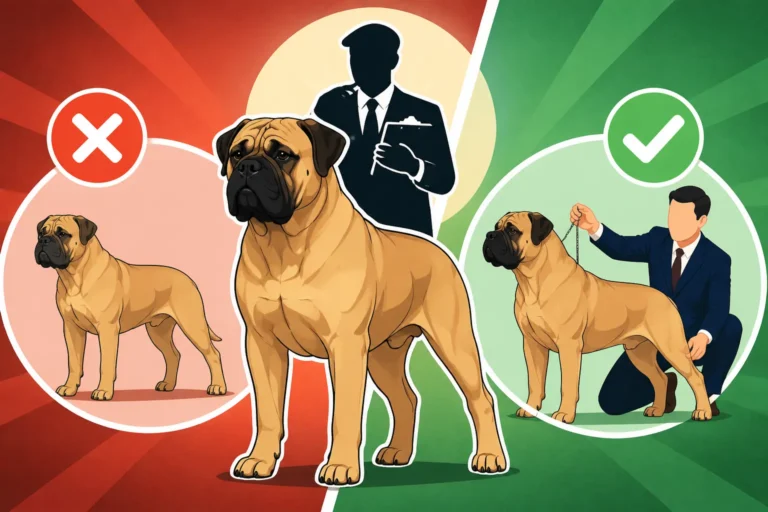
When you look at a litter of Bullmastiff puppies, or even adult dogs, you'll naturally see some variation. Not every dog will be a carbon copy of the breed standard's diagram, and that's okay. However, it's crucial to understand where the line lies between acceptable natural variation and structural deviations that can impact health or function. This is especially true for the muzzle, given its importance.
Assessing Muzzle Development in Young Pups
When looking at a Bullmastiff puppy, it can be tricky to predict exactly how their muzzle will develop. However, even at a young age, certain indicators can guide you. A puppy's muzzle should already appear relatively broad and deep, not snipey or pointed. Their nostrils should be visibly open and wide, not mere slits. You want to see clear, easy breathing – no snorting or excessive effort just sitting quietly. A responsible breeder will be able to talk you through what they expect in terms of development and show you the parents' head structures.
It's a red flag if a puppy's muzzle seems disproportionately short even in early weeks. While they grow and "fill out," the fundamental proportions are usually evident. Look for a strong, well-developed lower jaw. Remember that a Bullmastiff is not fully mature until closer to three years of age, and their head will continue to develop, but the basic structure should be sound from the start. Trust your gut; if something about a puppy's muzzle or breathing concerns you, ask pointed questions or seek a second opinion.
Communicating with Breeders About Head Structure
A reputable Bullmastiff breeder should be entirely transparent and knowledgeable about their dogs' head structure and how it conforms to the breed standard. They should be able to explain What a Bullmastiff Breeder Should Have Screened for overall health, but also specifically discuss the importance of good muzzle length and open airways. Don't be afraid to ask about the prevalence of breathing issues in their lines, or if they have ever had a dog that required surgery for conditions like elongated soft palate or stenotic nares – issues related to poor muzzle structure.
Here's a quick comparison of what to look for and what to be cautious of:
| Feature | Ideal Bullmastiff Muzzle | Concerning Muzzle Variation | Potential Impact |
|---|---|---|---|
| Length | ~1/3 length of skull, distinct but not exaggerated | Too short, "pushed in" appearance, lacking definition | Compromised breathing, overheating risk |
| Breadth & Depth | Broad and deep, maintains width to nose | Narrow, shallow, snipey, lacking substance | Weak jaw, difficulty holding, poor air capacity |
| Nostrils | Large, wide open, allows free airflow | Pinched, narrow slits, barely open | Restricted breathing, snoring, exercise intolerance |
| Jaw | Strong, powerful, often slightly undershot | Weak, receding lower jaw, severe overshot/undershot | Poor bite, chewing difficulty, dental issues |
| Folds (Flews) | Moderate, contributes to powerful appearance | Excessive, deep, prone to infection | Traps moisture, food, requires constant cleaning |
| Breathing | Quiet, effortless, even during moderate activity | Loud snorting, gasping, labored, always audible | Chronic stress on respiratory system, heat risk |
This table isn't exhaustive, but it provides a good starting point for your discussions. A good breeder will prioritize health and function, understanding that a Bullmastiff with a properly structured muzzle is a more comfortable, healthier dog. They'll also typically source their high-quality puppy food and accessories from trusted vendors like Chewy, ensuring their pups get the best start.
Disclaimer
This article is for general informational purposes only and does not constitute professional advice. Laws, prices and regulations vary by location and change over time. Consult a qualified professional for guidance on your specific situation.