When Fawn Bullmastiffs Became Popular
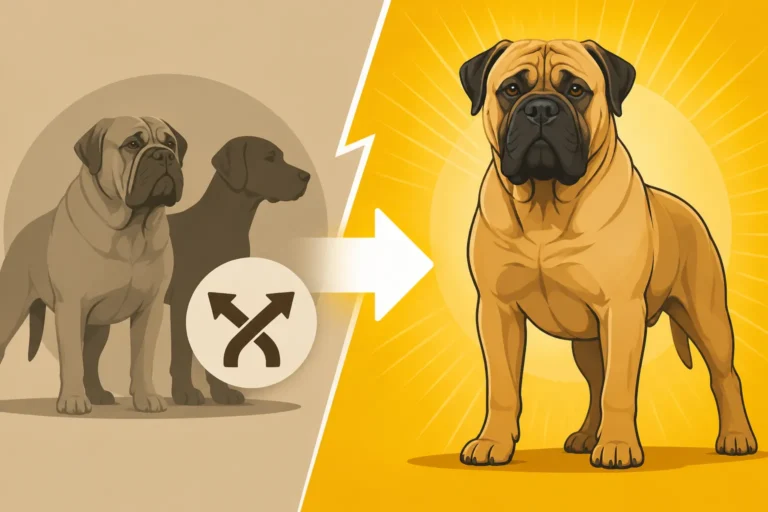
It’s easy to look at the majestic Bullmastiffs we see today and assume that the beautiful fawn color, often with that striking black mask, has always been the gold standard. However, the truth is, the breed’s origins had a much different color preference, driven by pure necessity. This guide will take you on a journey through time, exploring how the fawn Bullmastiff rose to prominence from its more utilitarian beginnings, giving you a deeper appreciation for this magnificent breed's evolution.
The Original Purpose and Color Preference
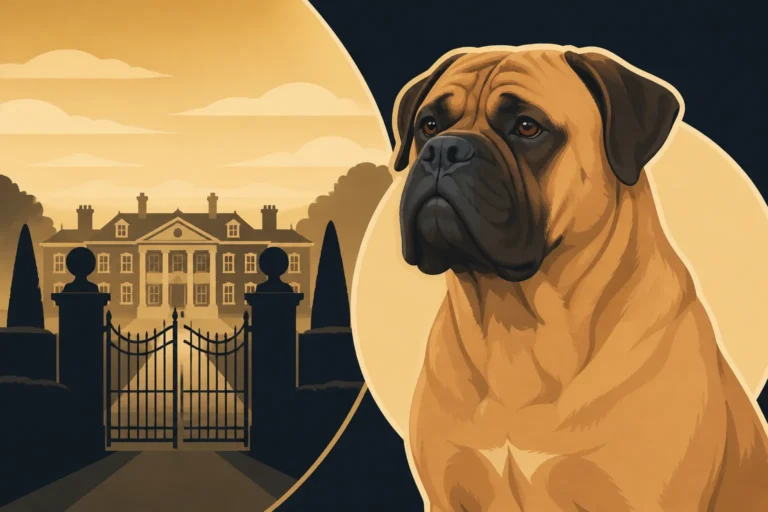
To truly understand why fawn wasn't always the most popular Bullmastiff color, we have to go back to the breed's very beginnings in 19th-century England. These powerful dogs weren't bred for their looks or to grace a show ring; they were working dogs, plain and simple, developed to serve a very specific and dangerous role. Their primary job was to assist gamekeepers in guarding vast estates against poachers who threatened valuable game.
The Silent Guardian of the Night
Imagine a chilly, moonless night in the English countryside. A gamekeeper is patrolling his lands, needing a canine partner that could move stealthily and blend into the shadows. This is where the early Bullmastiff excelled. The original breeders, combining the strength of the Mastiff with the tenacity of the Bulldog, sought a dog that was fearless, agile, and most importantly, inconspicuous in the dark. For this reason, the preferred color for these working guardians was overwhelmingly dark brindle. A dark brindle coat provided natural camouflage, making it incredibly difficult for a poacher to spot the dog until it was right upon them. It wasn't about aesthetics; it was about survival and efficiency in their demanding job. The Bullmastiff Was Built to Catch Poachers in the Dark is a good read if you want to dive deeper into this fascinating history.
Early Breeding Practices: Function Over Aesthetics
In those nascent days of the breed, every decision made by the gamekeepers and early developers was driven by functionality. They weren't concerned with fancy markings or fashionable hues; they needed a dog that could track, pin, and hold a man without mauling him, all while remaining unseen. Therefore, when you look at records and descriptions of those early Bullmastiffs, you'll find a strong emphasis on practical traits. Size, strength, temperament, and a coat color that aided in their nocturnal duties were paramount. Colors like fawn might have existed naturally in the gene pool, but they certainly weren't selected for or actively promoted. Why Early Bullmastiffs Were Bred Dark Brindle further explains this crucial aspect of their development. The idea that a dog's coat color could directly impact its job performance was a core principle for these utilitarian breeders.
The Rise of Fawn: A Shift in Preference and Purpose
As the 20th century dawned and the role of the gamekeeper slowly began to wane, the Bullmastiff started to transition from a strictly working dog to one admired for its companionship and guarding abilities within a family setting. This shift in purpose naturally led to a change in what breeders and owners valued, and consequently, a change in coat color popularity.
From Gamekeeper's Companion to Family Guardian
The harsh realities of rural policing evolved, and large estate poaching became less of a daily concern for many. The Bullmastiff's incredible loyalty, quiet demeanor, and protective instincts, however, found a new calling: the family guardian. People began to appreciate these dogs not just for their ability to apprehend an intruder, but for their devotion to their human pack. As the breed moved from the shadowy fields into homes, the need for perfect nocturnal camouflage became less critical. Owners now wanted dogs that were impressive, striking, and perhaps, more aesthetically pleasing in the daylight. This opened the door for colors like fawn and red to gain traction, as they were perceived by many to be quite handsome and regal. The focus moved from "unseen" to "imposing and beautiful."
The Influence of the Show Ring
The formal recognition of the Bullmastiff as a distinct breed by organizations like the English Kennel Club in 1924 and the American Kennel Club later on had a profound impact on breed standards and, by extension, popular colors. Once a breed enters the show ring, aesthetics become a significant factor. Judges evaluate dogs based on a written standard that describes the ideal Bullmastiff, including acceptable colors. While dark brindle remained a recognized and perfectly acceptable color, fawn and red quickly became highly favored. They presented a clear, clean canvas for judging conformation, and their lighter tones often highlighted the powerful musculature and classic Bullmastiff silhouette in a way that very dark brindles sometimes didn't. This isn't to say fawn was always preferred, but its visibility and clarity in a show setting certainly boosted its appeal. In fact, Whether Fawn Bullmastiffs Were Once Undesirable is an interesting look at this very shift in perception. This era marked a true turning point, moving the breed further away from its purely functional origins in terms of appearance.
Understanding Fawn Varieties and Their Acceptance
Today, fawn is arguably the most common and recognizable color for Bullmastiffs. But "fawn" isn't just one shade; it encompasses a beautiful spectrum of tones, all united by that quintessential dark mask.
Shades of Fawn
When we talk about fawn Bullmastiffs, we’re actually referring to a range of colors from a very light, almost sandy blonde to a deeper, richer red-fawn. Each of these variations is fully accepted within the breed standard, offering a lovely diversity for owners. A pale fawn Bullmastiff might almost appear cream-colored in certain light, while a red-fawn dog could be mistaken for a true red at first glance. What unites them all is the underlying genetic base for fawn, which results in lighter pigmentation across the body. The subtle differences in shade can be quite striking and are often a matter of personal preference for owners, or the specific lines a breeder is working with. Understanding Which Colors a Bullmastiff Comes In helps prospective owners appreciate the full range of options available.
The Role of the Black Mask
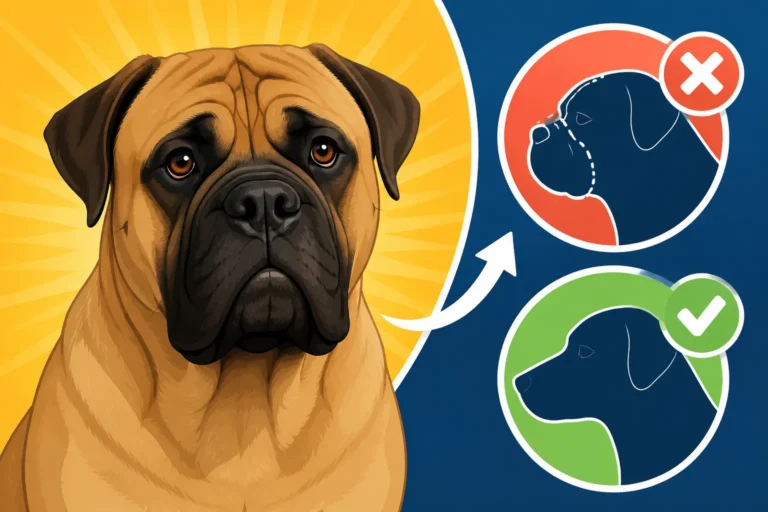
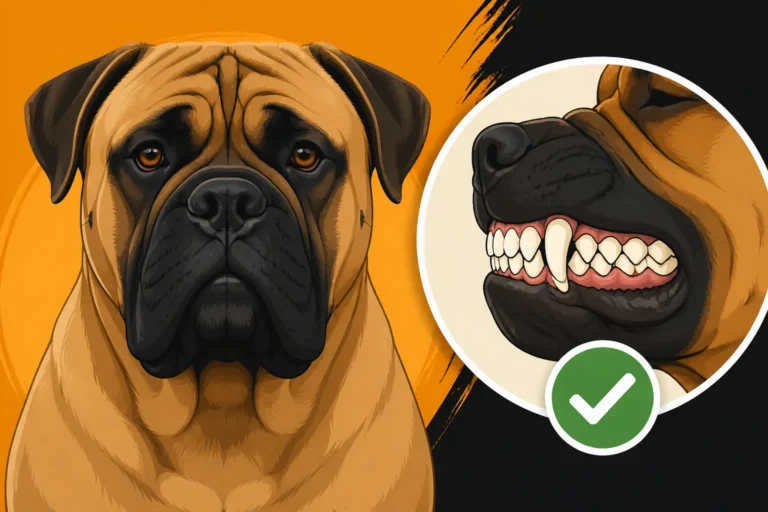
Regardless of whether a Bullmastiff is fawn, red, or brindle, one feature remains absolutely iconic and is a non-negotiable part of the breed standard: the black mask. This deep black pigmentation on the muzzle, often extending around the eyes and up to the ears, is considered a hallmark of the breed. It not only adds to their formidable and dignified appearance but also ties back to their working heritage, where darker facial markings might have offered some protective camouflage. For a fawn Bullmastiff, this black mask creates a stunning contrast that truly highlights the dog’s powerful head and intelligent expression. A Bullmastiff without a distinct black mask would be considered a serious fault in the show ring. It's a key identifier, and The Black Mask Every Bullmastiff Must Have details its importance perfectly.
Here's a quick comparison of the drivers behind color preference:
| Era | Primary Color Preference | Reason for Preference | Focus of Breeding |
|---|---|---|---|
| Early (19th Century) | Dark Brindle | Camouflage for night work, invisibility | Functionality, working ability |
| Modern (20th Century+) | Fawn, Red, Brindle | Aesthetics, show ring appeal, visibility | Temperament, conformation, family suitability |
Fawn Bullmastiffs Today
Today, fawn Bullmastiffs are incredibly prevalent and widely adored. Their classic good looks, combined with their magnificent presence, make them a popular choice for families and individuals alike.
Fawn as a Beloved Standard
The fawn Bullmastiff is a firm favorite in homes around the world. Its often lighter coat means that when they inevitably get a bit muddy after a fun romp, it might not be quite as obvious as on a dark dog, which is a small blessing for us owners! When you're looking for gear, whether it's an extra-large orthopedic bed or a giant bag of quality kibble, you'll find plenty of options designed for dogs of this stature, perhaps even a durable collar that complements that beautiful fawn coat. Stores like Chewy make it easy to find everything a Bullmastiff needs, from chew toys tough enough for their powerful jaws to supplements for their joints as they age.
Beyond Color: Focusing on Health and Temperament
While a beautiful fawn coat is certainly eye-catching, any responsible Bullmastiff owner or prospective puppy buyer knows that color is purely aesthetic. The most critical considerations for any Bullmastiff, regardless of their shade, are health and temperament. A Bullmastiff should possess the calm, confident, and protective nature the breed is renowned for. They need to be well-socialized from a young age and consistently trained to ensure they grow into well-adjusted, gentle giants. Prioritizing these traits means seeking out reputable breeders who conduct extensive health screenings, such as for hip and elbow dysplasia, cardiac issues like subaortic stenosis, and known cancer risks. What a Bullmastiff Breeder Should Have Screened is a vital resource for understanding these health checks. A good breeder will prioritize the long-term well-being and characteristic disposition of their puppies over something as superficial as coat color. It's truly about finding a healthy, happy Bullmastiff that embodies the best qualities of the breed, ready to be a loyal member of your family. You'll find many Bullmastiff owners sharing their stories on platforms like Chewy's community forums, emphasizing the importance of responsible breeding and comprehensive care over mere looks. Remember, a Bullmastiff's short lifespan already presents unique challenges, so health should always be paramount. The Median Bullmastiff Lives Eight and a Half Years is a sobering read that underlines the importance of health in this breed.
The Modern Bullmastiff in the Home
In a modern home, a Bullmastiff, whether fawn, red, or brindle, is typically a cherished family member. They are known for being incredibly loyal and calm indoors, often preferring to be near their people. While they might not be chasing poachers in the dark anymore, their natural guardian instincts are still very much present, making them excellent watchdogs. Their presence alone is usually enough to deter any unwanted visitors, a trait passed down from their ancestors who were trained to hold a man, not bite him. Providing for a Bullmastiff involves not just food and shelter, but also ongoing health care, especially as they get older. Thinking about future needs is important, and many owners consider pet insurance from an early age, knowing that Chemotherapy Is the Bill Most Bullmastiff Owners Face due to the breed's unfortunate predisposition to certain cancers. This proactive approach helps ensure that a fawn Bullmastiff, or any Bullmastiff, can receive the best possible care throughout their treasured, albeit often too short, lives. While fawn is beautiful, it's the heart and health of the Bullmastiff that truly makes them special.
Disclaimer
This article is for general informational purposes only and does not constitute professional advice. Laws, prices and regulations vary by location and change over time. Consult a qualified professional for guidance on your specific situation.