Which Estates Kept Bullmastiffs
If you've ever looked at a Bullmastiff, truly looked at that impressive head and powerful body, you might wonder about their original stomping grounds. These magnificent dogs weren't bred for just any backyard; they were meticulously developed for a very specific, and frankly, dangerous, job on some of the grandest estates in England. It's a fascinating history, far removed from their modern role as beloved family companions, and understanding it sheds light on so many of their unique traits today. This guide will take you back in time to explore the vast, often wild, landscapes where the Bullmastiff earned its keep.
The Genesis of the Bullmastiff: A Necessity on Grand Estates
Imagine vast, sprawling estates in 19th-century England, teeming with game like deer, pheasants, and rabbits. These estates were often the livelihood and pride of their owners, but they were constantly under threat from poachers. Poaching wasn't just a nuisance; it was a serious crime that could decimate game populations and cost landowners a significant amount of money. The landowners and their gamekeepers desperately needed a solution, a dog that could deter, track, and apprehend these intruders without resorting to lethal force.
The Problem of Poaching on Grand Estates
Back in the day, these country estates weren't just pretty places; they were working lands, often spanning thousands of acres, with carefully managed game preserves. The game itself was a valuable commodity, whether for sport, food, or trade. Unfortunately, that value also made it a prime target for poachers, who would trespass under the cover of darkness, often armed and dangerous. These weren't always starving villagers trying to feed their families; sometimes they were organized gangs looking to profit from the illegal game trade. Protecting these vast perimeters was an enormous challenge, especially when night fell. Traditional guard dogs might bark, but they often lacked the speed or the specific apprehension skills needed for a silent, effective deterrent.
The Gamekeeper's Need for a Specialized Dog
Gamekeepers were the unsung heroes of these estates, tasked with maintaining the game and, crucially, catching poachers. They often worked alone or in small teams, facing formidable odds. They needed a dog that was more than just a companion; they needed a partner capable of incredible feats. This dog had to be fearless, intelligent, and strong enough to tackle a grown man, yet disciplined enough not to harm him. A dog that bit or mangled an intruder was a liability, leading to legal troubles for the estate owner. What they sought was a "silent night dog," a creature that could track a human scent, move quietly through the undergrowth, and, upon finding a poacher, hold them down without a single bite until the gamekeeper arrived. It was this very specific job description that led to the creation of the Bullmastiff. This breed was truly purpose-built, and every trait, from its size to its temperament, was carefully selected for this demanding role. If you want to dive deeper into their original job, read about What a Gamekeeper Needed a Night Dog For.
Identifying the Types of Estates That Relied on Bullmastiffs
So, where exactly did these formidable dogs ply their trade? They weren't found on every small farm or urban property. Bullmastiffs were dogs of the sprawling, rural British countryside, protecting significant assets.
Large Country Estates and Game Preserves
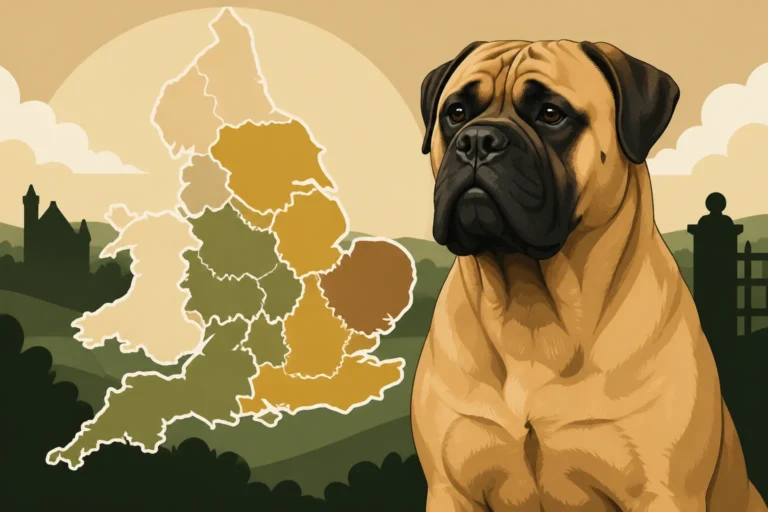
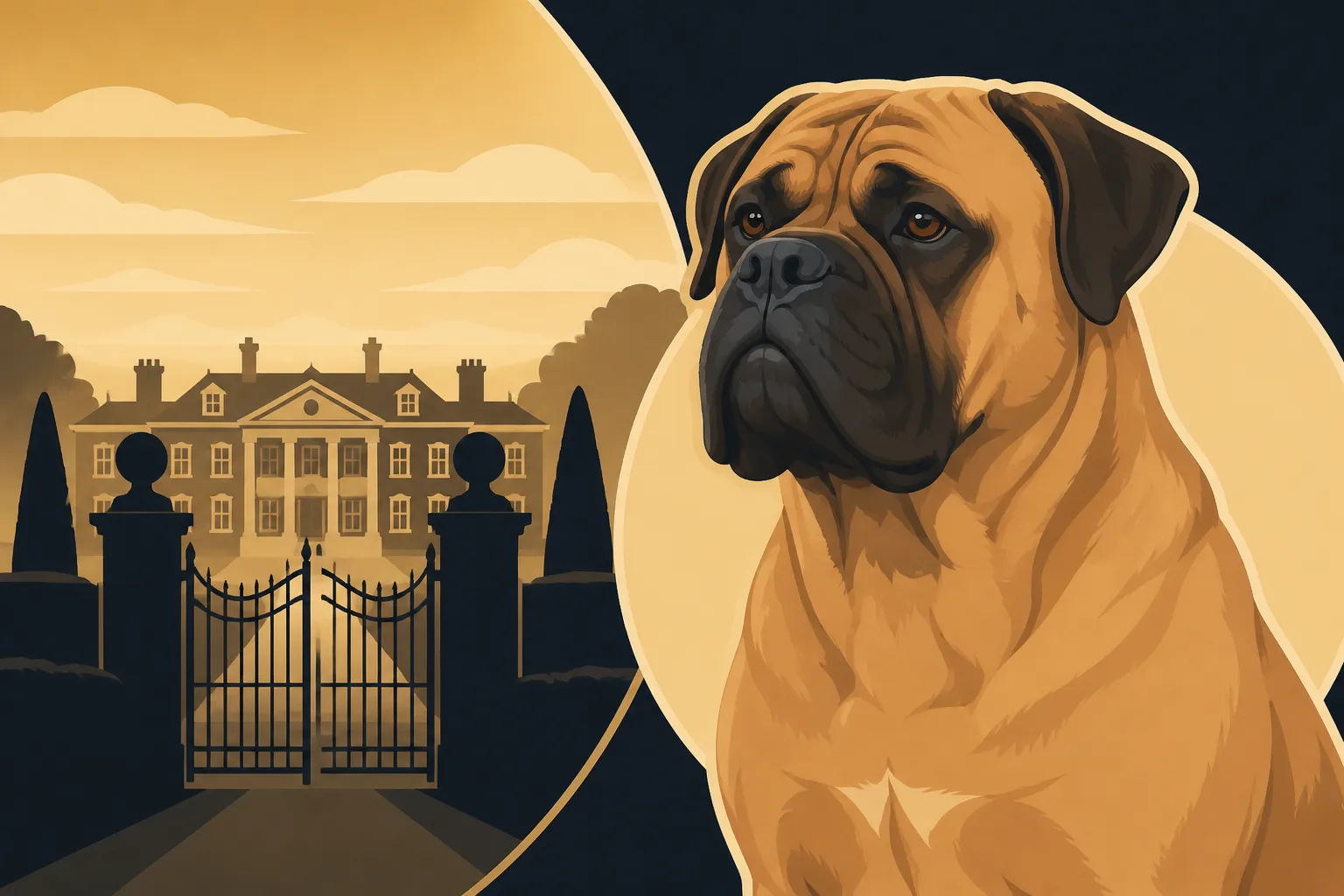
The quintessential setting for the early Bullmastiff was the vast English country estate. Think of places like those seen in period dramas, with grand manor houses, acres of woodlands, fields, and carefully maintained game parks. These estates were often owned by the aristocracy or wealthy gentry, who could afford to maintain large tracts of land and employ gamekeepers. The sheer scale of these properties meant that a gamekeeper couldn't patrol every inch themselves, making a highly capable canine partner absolutely essential. The Bullmastiff became an invaluable asset, allowing gamekeepers to cover more ground and enforce the law effectively against a persistent threat. They needed a dog that could traverse varied terrain, from dense forests to open fields, and adapt to changing conditions, all while remaining focused on its quarry. These dogs were literally part of the estate's security system.
The Role of Secrecy and Discretion
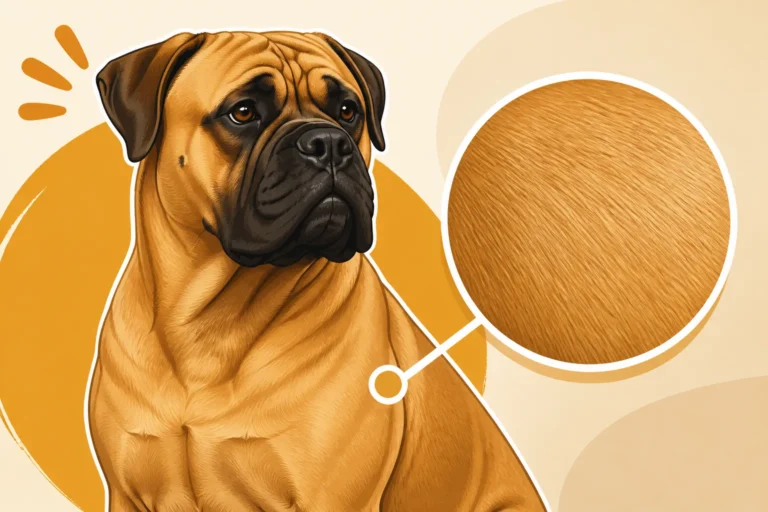
One of the defining characteristics of the Bullmastiff's early work was its requirement for secrecy. Gamekeepers wanted to catch poachers, not just scare them off. A dog that barked incessantly would alert intruders to its presence, giving them time to flee or prepare for a confrontation. This is why the Bullmastiff was specifically bred for its quiet nature, earning it the moniker "the silent guard." The Silent Guard: Why a Bullmastiff Barks So Little explains this in more detail. This discretion allowed the dog and gamekeeper to approach undetected, surprising the poacher and increasing the chances of a successful apprehension. The breed's dark brindle coat was also a deliberate choice, helping them blend into the shadows of the night, making them virtually invisible until they were right upon their target. Imagine how disorienting it must have been for a poacher to suddenly find themselves confronted by a silent, powerful force emerging from the darkness.
The Bullmastiff's Specific Duties and Traits on an Estate
The life of an early Bullmastiff was not one of pampered luxury. These dogs had a job, and they did it with unwavering dedication. Their physical and temperamental traits were honed for this singular purpose.
The "Silent Guard" and Its Importance
As mentioned, the silence of the Bullmastiff was paramount. When a gamekeeper set out on patrol, often with a trusted Bullmastiff by their side, the element of surprise was their greatest weapon. The dog would work quietly, tracking human scent, sometimes for long distances, through the deepest parts of the estate. This ability to move silently, without drawing attention, was what made them so incredibly effective. They were not supposed to be "bark and hold" dogs; they were "find and hold" dogs. This silent approach often caught poachers completely off guard, making apprehension far safer for the gamekeeper. It also highlights the extreme discipline and focused temperament these dogs possessed, a far cry from a dog that might bark at every squirrel or passing car. This is why How a Gamekeeper Used a Bullmastiff on a Poacher is such an interesting read for historical context.
Strength and Control in Apprehension
When a Bullmastiff found a poacher, its job was to stop them and hold them. This wasn't about biting; it was about immense physical presence and control. The Bullmastiff would typically knock the poacher down and then "hold" them, often by leaning on them, pinning them, or using their powerful jaws to grip clothing without breaking skin. Their large, heavy bodies were perfect for this. Picture a dog weighing well over a hundred pounds using its bulk to immobilize a person. A Bullmastiff Was Bred to Hold a Man, Not Bite Him delves into this fascinating aspect of their breeding. The dog's strength, combined with its inherent good nature and willingness to obey its master's command, meant that gamekeepers could rely on them to subdue an intruder without causing serious injury. This fine line between intimidation and restraint is what truly set the Bullmastiff apart from other guard breeds of the time. Training a dog this powerful required immense skill and a deep understanding of canine behavior, and it’s something modern owners still contend with, as Training a Bullmastiff That Weighs More Than You Do will tell you.
The Legacy of Estate Guardians: From Field to Family Home
The world of sprawling game preserves and poaching gangs eventually faded, but the Bullmastiff's core traits, forged in those early days, endured. The breed successfully transitioned from a specialized working dog to a beloved companion.
The Decline of Poaching and the Rise of the Companion Dog
As society evolved, so did the role of the Bullmastiff. The large-scale poaching that necessitated their creation became less prevalent, and the gamekeeper's role changed. By the early 20th century, the Bullmastiff began its journey from working dog to show dog and, eventually, a cherished family member. This transition required a shift in focus from purely functional traits to those that made them suitable for domestic life. However, many of the qualities that made them excellent estate guardians—their loyalty, courage, quiet nature, and protective instincts—also made them wonderful companions. They still retained that innate sense of responsibility towards their "territory" and their human family. Even today, a Bullmastiff often positions itself to keep an eye on everyone, or to "guard" the doorway, a clear echo of their ancestral duties.
Modern Echoes of the Estate Dog
While most Bullmastiffs today live very different lives than their ancestors, many of their traits are direct reminders of their estate guardian past. Their natural protective instincts, their quiet demeanor (they generally aren't big barkers), their unwavering loyalty, and their gentle yet imposing presence all speak to their history. Modern Bullmastiff owners still benefit from these characteristics, albeit in a domestic setting. We appreciate their calm presence in the home and their watchful eye over our families. Even the simple act of ordering supplies, like a new orthopedic bed or specific large breed food from a retailer like Chewy, connects us to the ongoing care and maintenance these impressive dogs have always required, though the logistics are thankfully much simpler now. Finding high-quality large breed kibble or joint supplements on Chewy is certainly easier than a gamekeeper sourcing sustenance for their powerful partner centuries ago.
Below is a table summarizing the distinct needs of a Bullmastiff in its historical working role compared to its contemporary life as a family companion.
| Trait / Need | Historical Estate Role | Modern Family Companion Role |
|---|---|---|
| Primary Purpose | Deterring and apprehending poachers on game preserves | Loyal family companion, protective guardian, beloved pet |
| Environment | Vast rural estates, woodlands, fields | Homes with secure yards, often urban or suburban settings |
| Key Skill Set | Silent tracking, non-lethal apprehension, stamina, obedience | Loyalty, good temperament with family, moderate exercise needs |
| Exercise Regime | Long patrols, active tracking, confronting intruders | Moderate daily walks, supervised play, mental stimulation |
| Diet | Whatever sustenance could be provided by gamekeepers | High-quality large breed kibble, specific dietary supplements (e.g., from Chewy) |
| Temperament | Fearless, watchful, quiet, strong prey drive (for humans) | Calm, courageous, devoted, patient, protective of family |
| Socialization | Focused on gamekeeper, wary of strangers | Extensive socialization with people and other dogs from puppyhood |
| Training Focus | Holding, obedience, silent work, tracking | Basic obedience, manners, socialization, leash training |
| Health Concerns | Injuries from confrontations, general working dog issues | Hereditary conditions (hips, elbows, heart), cancer, bloat |
Ultimately, understanding the Bullmastiff's origins on these grand English estates helps us appreciate the magnificent dogs we share our homes with today. Their history is etched into their very being, making them truly unique among breeds. When you see your Bullmastiff silently surveying the room or leaning gently against you, remember the gamekeepers and the vast, moonlit estates where their ancestors stood guard.
Disclaimer
This article is for general informational purposes only and does not constitute professional advice. Laws, prices and regulations vary by location and change over time. Consult a qualified professional for guidance on your specific situation.