What Mast Cell Tumors Do to a Bullmastiff
It’s absolutely heartbreaking to discover a lump on your beloved Bullmastiff. One minute you're enjoying a cuddle, the next your heart drops as your fingers brush against something unsettling. For Bullmastiff owners, this fear is often amplified because we know our breed is predisposed to certain types of cancer, and mast cell tumors are unfortunately high on that list. This guide aims to shed light on what mast cell tumors actually do to a Bullmastiff, from their cellular origins to their potential impact on your dog's overall health and quality of life.
Understanding Mast Cell Tumors in Bullmastiffs
When you hear "tumor," it’s natural for panic to set in. But understanding what we're dealing with can help you navigate this challenging diagnosis. Mast cell tumors are one of the most common skin tumors in dogs, and tragically, Bullmastiffs are among the breeds disproportionately affected. It’s a harsh reality that many of us face as guardians of this magnificent breed.
What Exactly Is a Mast Cell Tumor?
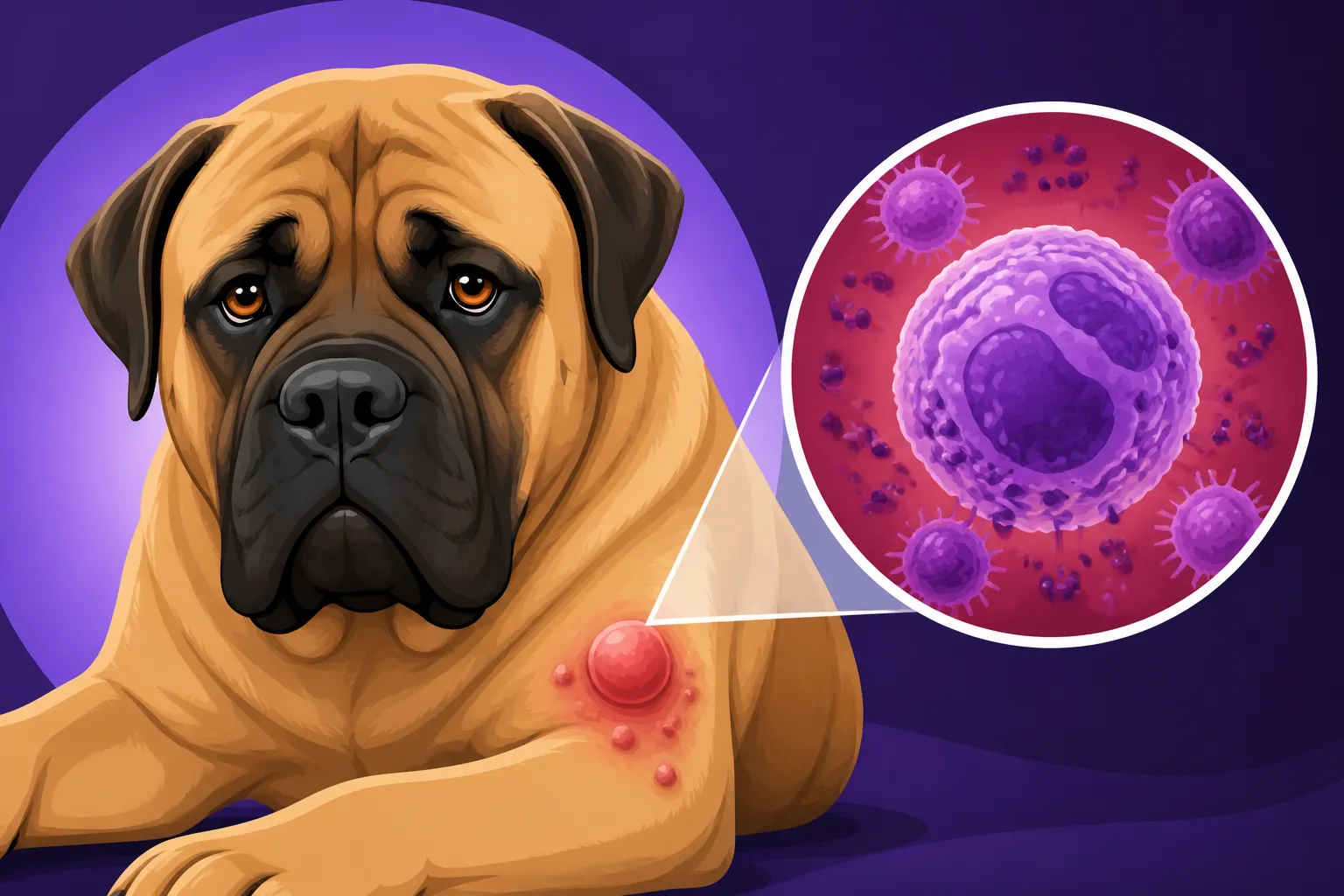
To really grasp what a mast cell tumor is, we need to talk about mast cells themselves. These aren't just any cells; they're specialized immune cells that are found throughout your dog's body, particularly in areas like the skin, respiratory tract, and gastrointestinal tract. Their job is crucial: they're essentially the "first responders" to allergens and inflammation. When a mast cell detects a threat, it releases powerful chemicals like histamine, heparin, and proteases, which help kickstart the immune response. Think of them as tiny alarm bells with a built-in fire extinguisher.
The problem arises when these normally beneficial cells go rogue. A mast cell tumor is, simply put, a malignant proliferation of these mast cells. Instead of releasing their chemicals in a controlled, helpful way, these cancerous mast cells start multiplying uncontrollably and can release their potent contents erratically. This not only causes issues at the tumor site but can also have widespread effects throughout your Bullmastiff's entire body, leading to symptoms far removed from where the lump first appeared. It's a complex disease, and knowing its root helps you understand why treatment can be so intricate.
Why Bullmastiffs Are Prone to These Tumors
It’s a frustrating and often heartbreaking truth that our beloved Bullmastiffs, like many purebred dogs, carry a higher genetic risk for certain health conditions. When it comes to mast cell tumors, Bullmastiffs are unfortunately among the breeds identified with an increased predisposition. This isn't just bad luck; it’s believed to be linked to specific genetic factors that are more common within the breed’s gene pool. While the exact genetic markers are still a subject of ongoing research, the statistics paint a clear picture: a Bullmastiff has a significantly higher chance of developing a mast cell tumor compared to a mixed-breed dog.
This breed-specific vulnerability means that as a Bullmastiff owner, you need to be extra vigilant. What might be a benign fatty lump on another dog could be a more serious issue for your Bullmastiff. It places a greater burden on owners to be proactive about health checks and to communicate any new findings promptly with their veterinarian. This predisposition is one of the many reasons why discussing your Bullmastiff’s health and the potential for various cancers, including lymphoma, with your breeder and vet is so important from day one.
The Many Faces of Mast Cell Tumors
One of the most insidious things about mast cell tumors is their ability to mimic almost anything. They don't always present in a textbook fashion, which can make them incredibly challenging to identify without veterinary expertise. As a dedicated Bullmastiff owner, learning about their varied appearances is key to early detection. If you're wondering how to check a Bullmastiff for lumps, paying close attention to these details is crucial.
Different Grades and Their Significance
Mast cell tumors aren't all created equal, and their "grade" is a critical piece of information that dictates prognosis and guides treatment decisions. After a biopsy, a veterinary pathologist will examine the tumor cells under a microscope and assign a grade, typically on a scale from I to III, although sometimes a two-tier system (low vs. high grade) is used. This grading tells you how aggressive the tumor is and its potential to spread.
A Grade I tumor is generally considered low-grade and has a relatively good prognosis with complete surgical removal. These cells look more organized and behave less aggressively. Grade II tumors are a bit of a gray area; they can vary in their behavior, and while surgery is often effective, many vets will recommend additional therapies, like chemotherapy or radiation, especially if margins weren't perfectly clean. Grade III tumors are the most aggressive and carry the poorest prognosis. These cells are highly abnormal, rapidly dividing, and have a much higher likelihood of spreading to other organs. Understanding these grades can be incredibly stressful, as it directly impacts your Bullmastiff's future. It's a conversation you'll have with your oncology vet, and it's okay to ask for thorough explanations.
Here’s a simplified breakdown of the grades:
| Tumor Grade | Characteristics | Prognosis with Surgery (approx.) | Risk of Metastasis | Recommended Further Treatment |
|---|---|---|---|---|
| Grade I | Well-differentiated, less aggressive | Very good, often curative | Low | Often none, if margins clean |
| Grade II | Moderately differentiated, variable behavior | Good to fair | Moderate | Often considered |
| Grade III | Poorly differentiated, highly aggressive | Poor, guarded | High | Strongly recommended |
Common Locations and Appearance
Mast cell tumors are notorious chameleons. While they can appear anywhere on your Bullmastiff's body, they are most frequently found on the skin, often on the trunk, limbs, and sometimes on the head or neck. They can literally look like anything – a small, innocent-looking bump, a wart, a fatty lump (lipoma), or even an insect bite. This is why vigilance is so important. They might be soft or firm, hairless or covered in fur, red or flesh-colored. Some can even be itchy or inflamed, leading your Bullmastiff to scratch or lick the area, further irritating it.
What’s particularly concerning for a breed like the Bullmastiff, with their characteristic wrinkles and folds, is that tumors can sometimes hide within these skin folds, making them harder to spot during a quick check. You might feel a small knot under the skin that feels like a mosquito bite, or a larger, more diffuse swelling that you dismiss as an old injury. Don’t dismiss any new lump or bump, no matter how insignificant it seems, especially considering where a Bullmastiff's mast cell tumors appear most often. If it's new, changing, or just feels "off," it warrants a vet visit.
The "Darier's Sign" and Other Symptoms
Beyond just the physical lump, mast cell tumors can exhibit some unique and concerning behaviors. One classic sign, often called "Darier's Sign" or the "positive Darier's Sign," occurs when you rub or palpate the tumor. If it quickly becomes red, swollen, or inflamed, that's often due to the mast cells within the tumor degranulating and releasing their histamine. It's a tell-tale sign that you're likely dealing with a mast cell tumor, although not all of them will react this way.
But the symptoms don't stop there. Because mast cells release potent chemicals, even a seemingly small tumor can cause systemic issues. You might notice your Bullmastiff experiencing vomiting, loss of appetite, black tarry stools (indicating internal bleeding, often from stomach ulcers), or general lethargy. These are signs that the tumor is affecting more than just the immediate area. Tumors in internal organs, such as the spleen, liver, or lymph nodes, might not have any outward lumps but can cause vague signs of illness, making diagnosis even more challenging. If your Bullmastiff is showing any of these signs, coupled with a suspicious lump, don’t hesitate – get to your vet immediately.
How Mast Cell Tumors Impact Your Bullmastiff's Health
The impact of a mast cell tumor on your Bullmastiff goes far beyond just a lump on the skin. These aggressive cells can cause both localized problems and widespread systemic distress, profoundly affecting your dog's comfort and overall well-being. It’s a battle on multiple fronts that needs careful management.
Local Effects and Discomfort
At the site of the tumor itself, your Bullmastiff can experience significant discomfort. The constant release of chemicals like histamine causes localized inflammation, itching, and redness. Imagine having an intensely itchy, painful spot on your body that never goes away – that’s what your dog might be feeling. This discomfort can lead to your Bullmastiff scratching, licking, or chewing at the tumor, which can cause the skin to become ulcerated, infected, and even bleed. Not only is this painful, but open sores can also introduce secondary bacterial infections, complicating treatment and adding to your dog's misery.
These local effects can be particularly tricky in areas where there's a lot of movement or friction, like on a leg, paw, or in a skin fold. A tumor on a paw pad, for instance, can make walking incredibly painful. The tumor might also grow quite large, interfering with your Bullmastiff's normal activities or pressing on nerves, causing lameness or other neurological signs. Watching your stoic Bullmastiff suffer from such discomfort is agonizing, and it’s why swift action and pain management are crucial.
Systemic Effects and Paraneoplastic Syndrome
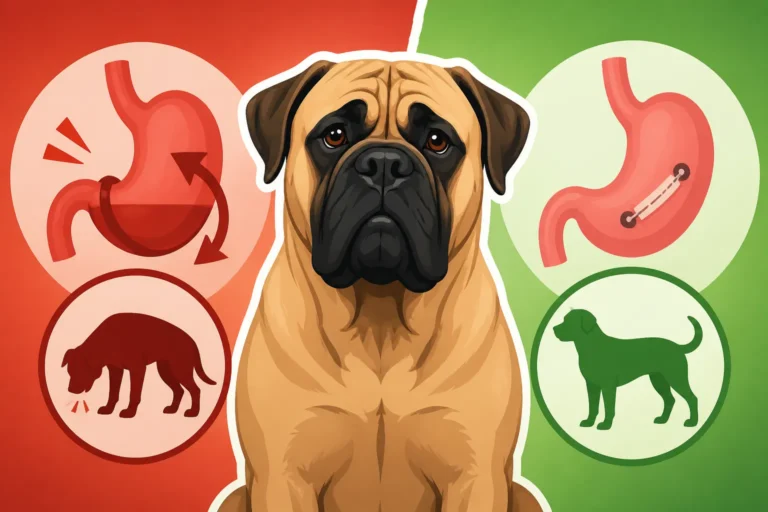
This is where mast cell tumors become truly insidious. The chemicals released by the cancerous mast cells don't just stay at the tumor site; they circulate throughout your Bullmastiff's body, causing what's known as paraneoplastic syndrome. Histamine, in particular, is a major culprit. When released in large quantities, it stimulates gastric acid production in the stomach, leading to severe stomach ulcers. These ulcers can cause pain, vomiting, loss of appetite, and in severe cases, internal bleeding, which might manifest as dark, tarry stools or even cause acute collapse from blood loss.
Other systemic effects can include low blood pressure, allergic-like reactions, and even problems with blood clotting due to the release of heparin. You might notice your Bullmastiff is unusually lethargic, weak, or has a decreased appetite, even if the visible tumor seems relatively small. These widespread effects make mast cell tumors a complex disease to manage, often requiring medications to counteract the histamine release and protect the stomach, alongside direct tumor treatment. It's a stark reminder that what appears as a skin lesion can truly impact every aspect of your dog's health.
Metastasis: When Cancer Spreads
The most frightening aspect of any cancer is the potential for metastasis, and mast cell tumors are no exception, especially the higher-grade ones. Metastasis is the process where cancer cells break away from the primary tumor, travel through the bloodstream or lymphatic system, and establish new tumors in distant parts of the body. For Bullmastiffs, mast cell tumors commonly spread to the regional lymph nodes, which are the "drainage stations" for the area where the tumor is located. If the lymph nodes are involved, it means the cancer is already on the move.
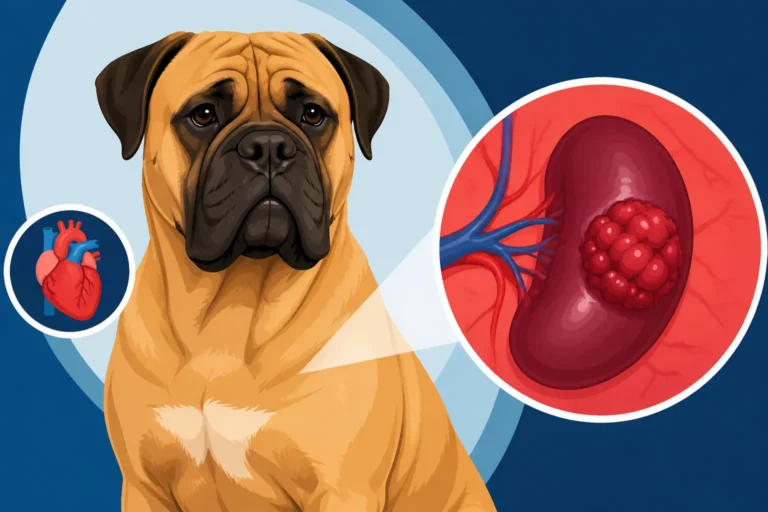
Beyond the lymph nodes, common sites for mast cell tumor metastasis include the spleen, liver, and bone marrow. Less commonly, they can spread to the lungs or other organs. Once the cancer has metastasized, the prognosis becomes significantly more guarded, and treatment becomes much more challenging, often shifting from curative intent to managing the disease and maintaining quality of life. This potential for widespread dissemination is why early and accurate diagnosis, followed by thorough staging, is absolutely critical for your Bullmastiff.
Diagnosing Mast Cell Tumors: The Crucial Steps
Receiving a cancer diagnosis for your Bullmastiff is one of the hardest things you’ll ever go through. But accurate diagnosis is the first and most critical step toward developing an effective treatment plan. You’ll be working closely with your veterinarian, and potentially an oncology specialist, to understand exactly what you’re up against.
Initial Examination and Fine Needle Aspirate (FNA)
The journey to diagnosis usually begins with a thorough physical examination by your veterinarian. They’ll carefully palpate the lump, note its size, location, consistency, and whether it’s fixed or movable. This initial assessment is important, but a definitive diagnosis requires a look at the cells themselves. This is where a fine needle aspirate (FNA) comes in. Your vet will use a small, sterile needle to collect a sample of cells from the lump. It's a relatively non-invasive procedure, often done in the exam room with your dog awake, and it typically causes minimal discomfort.
The collected cells are then spread on a slide, stained, and examined under a microscope, either by your vet or sent to a veterinary pathologist. The presence of characteristic mast cells, often described as having purple granules, is a strong indicator of a mast cell tumor. However, it's important to understand the limitations: an FNA can confirm the presence of mast cells, suggesting a mast cell tumor, but it often cannot definitively determine the tumor's grade (how aggressive it is) or rule out other types of tumors that might be present. It’s a fantastic screening tool, but rarely the final word, especially for our breed's propensity for these tumors.
Biopsy for Definitive Diagnosis and Grading
While an FNA can give a strong suspicion, a biopsy is essential for a definitive diagnosis and, crucially, for tumor grading. This procedure involves surgically removing a piece of the tumor or the entire tumor, which is then sent to a specialized veterinary pathologist for histopathological examination. The pathologist can then assess the cellular characteristics, mitotic index (how quickly cells are dividing), and invasiveness, which allows them to assign a grade (Grade I, II, or III, or low vs. high). This grading is paramount because it directly impacts the prognosis and guides further treatment decisions.
There are two main types of biopsies: an incisional biopsy, where only a piece of the tumor is removed, and an excisional biopsy, where the entire tumor is removed with surrounding tissue. Often, if a tumor is small and easily accessible, an excisional biopsy is performed, aiming for "wide margins" (removing healthy tissue around the tumor) to ensure all cancer cells are gone. If the pathology report confirms a mast cell tumor and indicates incomplete margins, or a high grade, a second surgery might be necessary. This can be a financially draining prospect, and this is where something like a comprehensive pet insurance plan from Healthy Paws can be an absolute lifesaver, helping to cover the often significant costs associated with diagnostics and multiple surgeries.
Staging the Disease: Checking for Spread
Once a mast cell tumor is definitively diagnosed and graded, the next critical step is "staging" the disease. This process determines if the cancer has spread from the primary tumor site to other parts of your Bullmastiff's body. Staging is vital for deciding the most appropriate treatment plan and providing an accurate prognosis. Without proper staging, you might treat only the visible tumor while cancer quietly progresses internally.
The staging process typically involves several diagnostic tests. Your vet will likely perform a thorough physical examination, specifically palpating the lymph nodes closest to the tumor site. Enlarged or firm lymph nodes are often the first sign of spread. An ultrasound of the abdomen is commonly recommended to check for involvement of internal organs like the spleen and liver, which are frequent sites for mast cell tumor metastasis. Chest X-rays are usually taken to look for any spread to the lungs, although mast cell tumors rarely spread to the lungs until late in the disease. In some cases, a bone marrow aspirate might be recommended, especially for high-grade tumors or if there's suspicion of systemic involvement. All these steps contribute to a complete picture of your Bullmastiff's specific cancer, guiding the often difficult treatment path ahead.
Treatment Options and Prognosis
Discovering your Bullmastiff has a mast cell tumor is a terrifying moment, but it's important to remember that there are various treatment options available. The specific approach will depend heavily on the tumor's grade, location, and whether it has spread, as well as your Bullmastiff's overall health. Your veterinary oncologist will be your most important ally in navigating these decisions.
Surgical Removal: The Primary Approach
For most mast cell tumors, especially those on the skin, surgical removal is the cornerstone of treatment. The goal of surgery is to excise the entire tumor with "wide and deep" margins. This means removing a significant amount of healthy tissue around and beneath the visible tumor to ensure that all microscopic cancer cells are removed. For a Bullmastiff, this can sometimes mean removing a larger section of skin than you might initially expect, depending on the tumor's size and invasiveness.
The success of surgery hinges on achieving "clean margins," meaning no cancer cells are found at the edges of the removed tissue when examined by a pathologist. If the margins are "dirty" (cancer cells are present), it means some tumor cells were left behind. In such cases, a second surgery to remove more tissue, or "re-excision," may be recommended, along with additional therapies. Surgery can be complex, especially if the tumor is in a challenging location like a joint or on the face. Recovering from surgery can be tough on a big dog like a Bullmastiff, requiring careful wound care and restricted activity.
Adjuvant Therapies: Chemotherapy and Radiation
While surgery is often curative for low-grade, well-isolated tumors, many Bullmastiffs with mast cell tumors will benefit from or require adjuvant therapies. These are treatments given in addition to surgery, aimed at killing any remaining cancer cells, preventing recurrence, or slowing metastasis. Chemotherapy is frequently used for high-grade tumors, tumors that have spread to lymph nodes or internal organs, or when surgical margins are incomplete. There are various chemotherapy protocols, often involving oral medications like Palladia (toceranib phosphate) or Masivet (masitinib), or injectable drugs.
Radiation therapy is another powerful tool, often used when complete surgical removal isn't feasible due to the tumor's location (e.g., on a limb or face), or if surgical margins were incomplete and re-excision isn't an option. Radiation targets and destroys cancer cells in a specific area. Both chemotherapy and radiation come with potential side effects, which your vet will discuss with you in detail, balancing the benefits against the impact on your Bullmastiff's quality of life. The costs for these advanced treatments can be substantial, which is why having pet insurance, for instance from Healthy Paws, is something many Bullmastiff owners find invaluable for managing these unpredictable and high veterinary bills.
Palliative Care and Quality of Life
When a mast cell tumor is advanced, aggressive, or has widely metastasized, or if your Bullmastiff's age or other health conditions make aggressive treatment unrealistic, the focus often shifts to palliative care. This isn't about curing the cancer, but rather about managing symptoms and ensuring your Bullmastiff maintains the best possible quality of life for as long as possible. This is an incredibly difficult conversation, but one rooted in deep love and compassion.
Palliative care typically involves medications to alleviate the symptoms caused by the tumor's histamine release. Antihistamines like diphenhydramine (Benadryl) or H2 blockers like famotidine (Pepcid AC) can help reduce the effects of histamine. Prednisone, a corticosteroid, is often prescribed because it can temporarily shrink some mast cell tumors and reduce inflammation, often making your Bullmastiff feel much better. Stomach protectants are also crucial to prevent or treat ulcers. Pain management is paramount, ensuring your dog is comfortable. These medications might not stop the cancer's progression, but they can significantly improve your Bullmastiff’s daily comfort and happiness during a challenging time.
Living with a Bullmastiff and Mast Cell Tumors
Navigating life with a Bullmastiff and a mast cell tumor diagnosis can be a whirlwind of emotions, decisions, and veterinary appointments. While the medical aspects are paramount, the day-to-day reality for you and your dog, along with the financial and emotional toll, needs just as much attention.
Regular Monitoring and Early Detection
One of the most powerful tools in fighting mast cell tumors is early detection. As a Bullmastiff owner, you are your dog’s first line of defense. Knowing your Bullmastiff's body like the back of your hand is crucial. Make a habit of performing regular "lump checks" – gently running your hands over your dog's entire body, feeling for any new bumps, masses, or changes in existing ones. Pay particular attention to areas like the armpits, groin, and neck, where lymph nodes are located, and where mast cell tumors frequently appear. Even a tiny, seemingly insignificant bump should be brought to your vet's attention. Remember, mast cell tumors can literally look like anything, and the sooner they are identified, the better the prognosis.
Beyond your daily checks, regular veterinary wellness exams are non-negotiable. Your vet can spot subtle changes you might miss and perform thorough palpations. If your Bullmastiff has already had a mast cell tumor, consistent follow-up appointments and imaging (like ultrasounds) will be part of the ongoing monitoring plan, ensuring any recurrence or spread is caught as quickly as possible. This proactive approach to care can truly make a difference in your Bullmastiff’s health and longevity.
Financial Considerations and Pet Insurance
Let's be brutally honest: treating cancer in a large breed dog like a Bullmastiff is expensive. We’re talking thousands, potentially tens of thousands, of dollars for surgery, specialist referrals, chemotherapy, radiation, and long-term medications. The thought of these costs alone can be overwhelming, adding immense stress to an already emotional situation. This financial burden is a huge frustration for many loving pet parents.
That’s why discussing financial planning and pet insurance early on is so vital. A good pet insurance policy, especially one from providers like Healthy Paws, can significantly ease this burden. Many Bullmastiff owners wisely enroll their puppies in comprehensive pet insurance plans from a young age, well before any pre-existing conditions develop. This foresight can mean the difference between being able to afford aggressive, life-saving treatments and having to make heartbreaking decisions based solely on cost. It’s an investment in your Bullmastiff’s future and your peace of mind, knowing that if a mast cell tumor, or any other serious health issue arises, you can focus on care, not just cost.
Emotional Support for Owners
Beyond the physical and financial challenges, living with a Bullmastiff diagnosed with a mast cell tumor takes an incredible emotional toll. You might feel a rollercoaster of emotions: fear, sadness, guilt, anger, and anxiety. It’s completely normal to feel overwhelmed and isolated. Making difficult decisions about your dog's treatment, enduring the ups and downs of therapy, and facing the uncertainty of their prognosis can be profoundly draining.
It's crucial to acknowledge and validate these feelings. You are not alone. Lean on your support network – family, friends, and even online communities of Bullmastiff owners or pet cancer support groups. Talking to others who have been through similar experiences can provide immense comfort and practical advice. Don't hesitate to seek emotional support for yourself, whether through a therapist, grief counselor, or simply spending time with people who understand what your Bullmastiff means to you. Your dog needs you to be strong, but you also need to allow yourself to process the emotional weight of this journey.
Disclaimer
The information provided in this article is intended for general knowledge and informational purposes only, and does not constitute veterinary advice. Always consult with a qualified veterinarian or veterinary specialist for any health concerns or before making any decisions about your Bullmastiff's health or medical care.