Why Lymphoma Is Why Bullmastiffs Die Young
It's a heartbreaking reality for many Bullmastiff owners: these magnificent, loving giants often leave us far too soon. The heavy truth is that one of the most common and devastating reasons for their tragically short lifespans is lymphoma. This guide will delve deep into why this particular cancer is such a prevalent and premature killer in our beloved Bullmastiffs, offering insight into its nature, its impact on their years, and what we, as dedicated owners, need to understand.
The Heartbreaking Link Between Lymphoma and Bullmastiff Lifespan
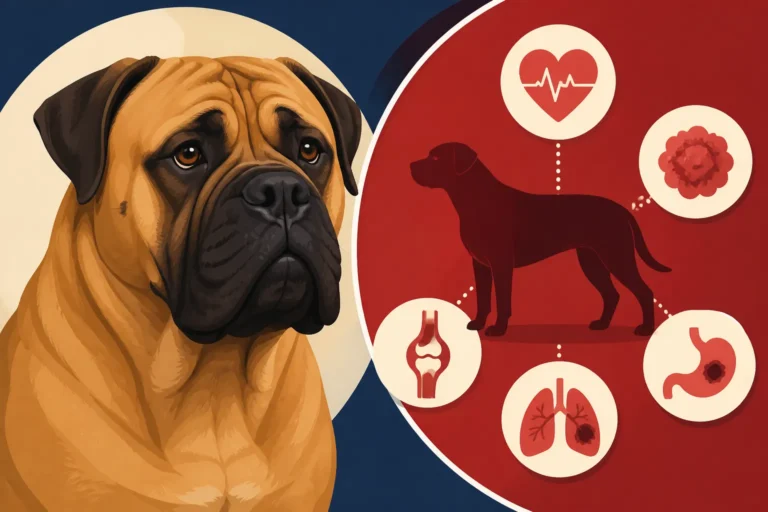
When we welcome a Bullmastiff into our lives, we often dream of many years filled with their gentle companionship, their protective presence, and their goofy antics. Yet, the stark reality for this breed is a median lifespan of around eight and a half years, and often, that number is cut even shorter by the aggressive nature of certain diseases. Among these, lymphoma stands out as a particularly cruel thief of time, impacting a significant number of Bullmastiffs long before they reach what we might consider a ripe old age for a dog. It's a deeply frustrating and sorrowful experience to watch your robust companion suddenly begin to fade.
Lymphoma in Bullmastiffs isn't just a cause of early death; it’s widely considered the primary cancer claiming these dogs too soon. The prevalence is startling, and it contributes disproportionately to the heartbreaking statistic that Lymphoma Kills More Bullmastiffs Than Anything Else. This isn't just bad luck; it's a profound breed-specific health challenge that every Bullmastiff owner needs to be acutely aware of, not just for preparedness, but for proactive measures and early detection, which can make a world of difference.
Understanding Lymphoma in Our Giants
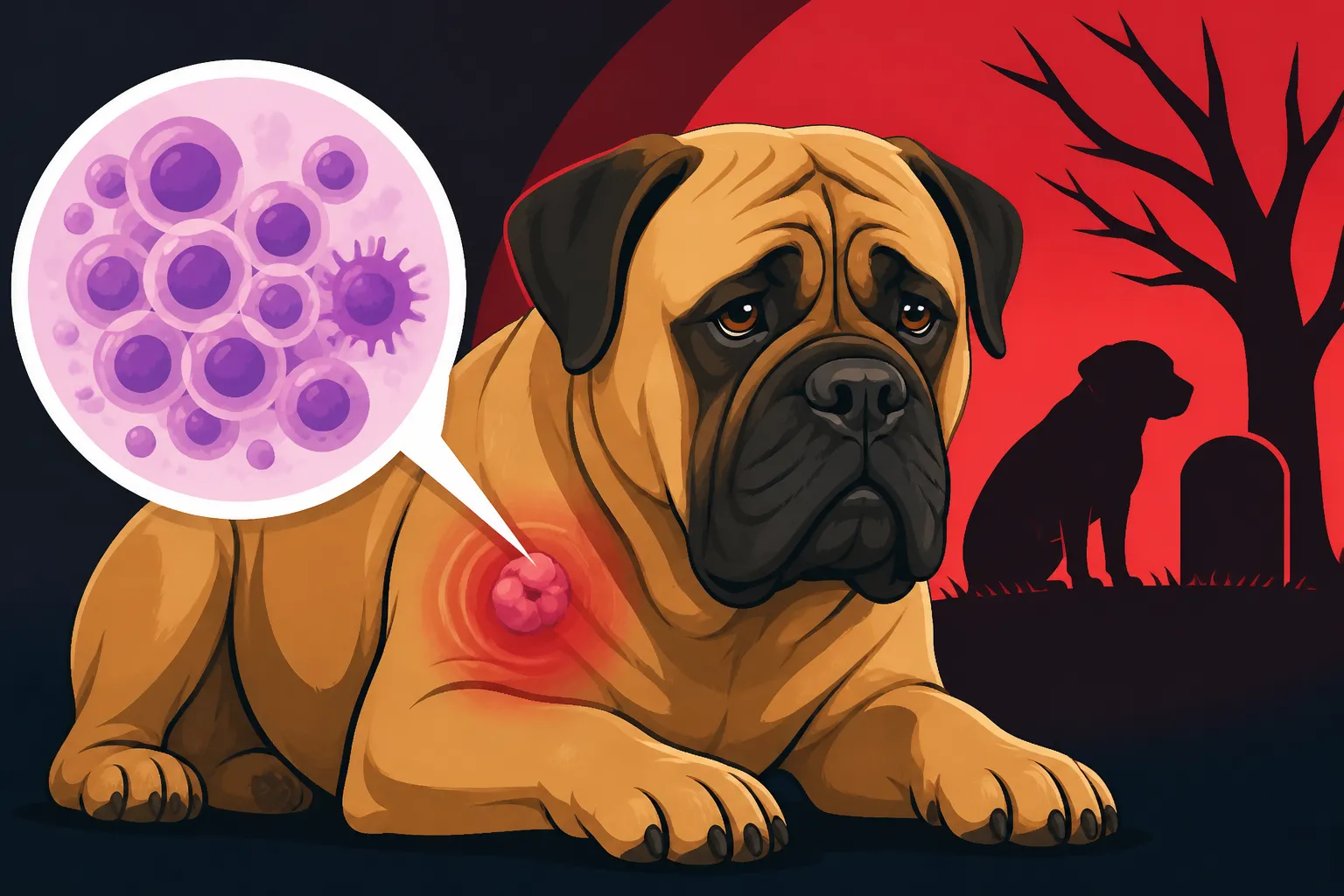
Lymphoma is a type of cancer that originates in the lymphocytes, a type of white blood cell that plays a crucial role in the immune system. These cells are found throughout the body, in places like lymph nodes, spleen, bone marrow, and other organs. Because lymphocytes are so widespread, lymphoma can appear almost anywhere, making it a tricky and insidious disease. For Bullmastiffs, it often manifests as multicentric lymphoma, meaning it affects multiple lymph nodes, often quickly spreading.
Imagine your dog's immune system, usually a diligent protector, suddenly having its own soldiers turn against it, multiplying uncontrollably and forming tumors. That's essentially what happens with lymphoma. These cancerous cells interfere with normal organ function, leading to a cascade of health issues. What Lymphoma Does to a Bullmastiff can be varied, from swollen glands you can feel to internal organ damage that you can't see without veterinary intervention. It’s a systemic problem, not just a localized one, which is why it often progresses rapidly and aggressively in our breed.
The Brutal Reality of Early Onset
One of the most devastating aspects of lymphoma in Bullmastiffs is the age at which it often strikes. Unlike some cancers that tend to appear in the twilight years of a dog's life, lymphoma in Bullmastiffs frequently appears in their middle years, sometimes even earlier. It's not uncommon for owners to discover this diagnosis when their dog is only four, five, or six years old, full of life and energy just months prior. This makes the loss even more profound because it feels so untimely.
The Age Lymphoma Appears in a Bullmastiff often coincides with what should be their prime. You're still actively enjoying long walks, games in the yard, and their comforting presence, only to be hit with this crushing news. This early onset is a major contributor to why many Bullmastiffs don't reach their potential full lifespan, leaving families with gaping holes in their hearts far too soon. The emotional toll of this kind of diagnosis is immense, and it often leaves owners feeling robbed of precious time with their beloved companions.
Why Bullmastiffs Face Such a High Risk of Lymphoma
It’s natural to ask: why Bullmastiffs? Why do these magnificent dogs seem to be predisposed to such an aggressive cancer at such a young age? The answer, as with many breed-specific health issues, lies in a complex interplay of genetics, breeding practices, and potentially environmental factors. This isn't about blaming anyone, but about understanding the challenges inherent to the breed we love.
The statistics are sobering; Bullmastiffs have a significantly higher risk of developing lymphoma compared to many other breeds. Why a Bullmastiff's Lymphoma Risk Is Five Times a Mixed Breed's is a question that researchers and dedicated breeders have been trying to unravel for years. This elevated risk is a core reason why The Median Bullmastiff Lives Eight and a Half Years, a figure that, while respectable for a giant breed, is still often cut short by cancer.
A Genetic Predisposition We Can't Ignore
The overwhelming consensus among veterinarians and geneticists is that there is a strong genetic component to lymphoma in Bullmastiffs. This isn't just random chance; it's deeply rooted in their lineage. Like many purebred dogs, Bullmastiffs come from a relatively closed gene pool, and if certain genetic markers or predispositions for cancer are present, they can become concentrated over generations. It suggests that specific genes or combinations of genes inherited from their parents contribute directly to this heightened susceptibility.
This inherited risk means that even with the best care and nutrition, a Bullmastiff might still develop lymphoma. It's a tough pill to swallow because it feels like something beyond our control. While a definitive genetic test for Bullmastiff lymphoma does not yet exist, dedicated breeders often track health outcomes in their lines, but it remains a pervasive issue. Understanding that Whether Lymphoma Runs in Bullmastiff Lines is crucial for prospective owners, encouraging them to ask difficult but necessary questions about the longevity and health history of a puppy's ancestors.
The Role of Environment and Other Factors
While genetics are undoubtedly a major player, it's also true that environmental factors can influence the manifestation and progression of cancer. While no single environmental trigger has been definitively pinpointed for Bullmastiff lymphoma, general principles of canine health apply. A healthy diet, appropriate exercise, and minimizing exposure to known carcinogens (like certain pesticides or household chemicals) are always recommended to support overall immune health, even if they can't fully override a genetic predisposition.
For instance, maintaining a healthy weight for your Bullmastiff is not just good for their joints; it contributes to overall well-being. Avoiding obesity can reduce strain on their body systems and potentially impact their susceptibility to various diseases, including some cancers. Though the direct link to lymphoma isn't as clear as with some other cancers, supporting a robust immune system through quality nutrition and a low-stress environment is always beneficial. Unfortunately, even with perfect care, the genetic dice often fall unfavorably for many Bullmastiffs when it comes to this specific cancer.
Recognizing the Subtle, Yet Critical, Signs
One of the most crucial things an owner can do to combat the aggressive nature of lymphoma in Bullmastiffs is to be vigilant about early detection. Lymphoma can often be sneaky, presenting with vague symptoms at first, or being dismissed as something less serious. Knowing what to look for, and regularly performing basic checks, can be invaluable. It won't prevent the disease, but it might allow for earlier intervention and potentially more effective treatment, buying your beloved companion more quality time.
It's a common frustration that Bullmastiffs are stoic and often hide pain or illness until it's quite advanced. This makes our job as attentive owners even more vital. The signs can be subtle, and often, by the time they are undeniably obvious, the disease may have progressed significantly. This is why understanding Signs a Bullmastiff Has Lymphoma is not just helpful, but essential for every owner of this breed.
Where to Feel for Swollen Lymph Nodes
The most classic and often the first noticeable sign of multicentric lymphoma is enlarged peripheral lymph nodes. These are small, bean-shaped glands located throughout the body that swell when the immune system is fighting something. In the case of lymphoma, they swell due to the accumulation of cancerous lymphocytes. You can and should regularly check these nodes on your Bullmastiff.
The most accessible lymph nodes to check are:
- Under the Jaw (Submandibular): Gently feel along your dog's jawline, just behind and below their chin. You should feel soft tissue, maybe a bit squishy. If you feel hard, marble-to-walnut-sized lumps on both sides, this is a red flag.
- In Front of the Shoulders (Prescapular): Feel on either side of your dog's chest, just in front of their shoulder blade. Normally, these are hard to feel. If they're palpable and enlarged, it's concerning.
- Behind the Knees (Popliteal): As your dog stands, feel the back of their rear legs, just above the hock joint, where their "knee" bends. Again, these are typically not easy to locate unless enlarged.
Regularly feeling for these Where a Bullmastiff's Swollen Nodes Are Felt First can become a simple routine, perhaps during a nightly cuddle. Any firm, painless swelling in these areas, especially if it's symmetrical, warrants an immediate veterinary visit. Remember, these nodes usually aren't painful when they're swollen due to lymphoma, so a lack of pain doesn't mean a lack of problem.
Behavioral Changes That Signal Trouble
Beyond physical lumps, lymphoma can manifest through more general, non-specific signs that might easily be attributed to aging or minor ailments. This is where your intimate knowledge of your Bullmastiff's normal behavior becomes your most powerful diagnostic tool. A change in appetite, energy levels, or even their potty habits could be an early indicator.
Watch for things like:
- Lethargy or Decreased Stamina: Your normally active Bullmastiff might seem more tired, less interested in walks, or slow to get up. They might seem generally "off" or "down."
- Weight Loss: Despite eating normally, or even with a reduced appetite, unexplained weight loss is a serious symptom.
- Reduced Appetite: A Bullmastiff who suddenly turns up their nose at food is always a concern.
- Increased Thirst and Urination: Less common initially but can develop as the disease progresses and affects organ function.
- Gastrointestinal Upset: Vomiting or diarrhea might occur if the lymphoma affects internal organs like the spleen or GI tract.
It's often hard to tell if Whether a Bullmastiff With Lymphoma Feels Ill at First because they are so good at masking discomfort. That's why consistent observation and a proactive approach to their health are key. Don't dismiss a subtle change; a quick vet check is always better than waiting. This vigilance, while emotionally taxing, can lead to earlier diagnosis, which is crucial for managing this disease.
Navigating Diagnosis and Treatment: Impact on Their Remaining Years
Receiving a lymphoma diagnosis for your beloved Bullmastiff is devastating. The news can feel like a punch to the gut, leaving you reeling with questions about what comes next, what their prognosis truly is, and how you can best support them. While it’s a serious and aggressive cancer, understanding the diagnostic process and available treatments can empower you to make informed decisions for your dog’s care.
The journey through diagnosis and treatment is often emotionally and financially challenging. Many owners grapple with the painful reality that chemotherapy Is the Bill Most Bullmastiff Owners Face, highlighting the financial strain that comes with extending their beloved pet's life. This is where having pet insurance, such as through a provider like Healthy Paws, can be an absolute lifesaver, helping to alleviate some of the financial burden so you can focus on your dog's well-being.
The Diagnostic Journey
When you notice those suspicious lumps or behavioral changes, your veterinarian will likely recommend a series of tests to confirm or rule out lymphoma. This journey usually starts with basic blood work, but the definitive diagnosis almost always comes from examining cells directly from the affected lymph nodes.
The primary diagnostic steps often include:
- Fine Needle Aspirate (FNA): This is usually the first step and involves taking a small sample of cells from an enlarged lymph node using a fine needle. The cells are then examined under a microscope by a pathologist. A What a Needle Aspirate Shows in a Bullmastiff can often give a presumptive diagnosis of lymphoma, showing a proliferation of abnormal lymphocytes. It's relatively non-invasive and often can be done during your initial vet visit.
- Biopsy: If the FNA is inconclusive or if a definitive diagnosis is needed to determine the specific type of lymphoma, a lymph node biopsy may be recommended. This involves surgically removing a small piece or the entire lymph node for more comprehensive histopathological examination. Knowing When a Bullmastiff Needs a Node Biopsy is important, as it provides a more accurate picture of the cancer's characteristics, which can guide treatment.
- Staging: Once lymphoma is confirmed, your vet will recommend staging tests. What Staging a Bullmastiff's Lymphoma Involves typically includes blood tests, urine analysis, chest X-rays, and an abdominal ultrasound to see if the cancer has spread to other organs like the spleen, liver, or bone marrow. This helps determine the extent of the disease and guides treatment protocols. This comprehensive approach gives the veterinary oncologist a full picture of the cancer's impact.
Treatment Options and Their Real-World Outcomes
Once diagnosed and staged, your veterinarian will discuss treatment options. For most types of lymphoma in Bullmastiffs, chemotherapy is the cornerstone of treatment. The goal of chemotherapy is not usually a cure, but rather to achieve remission, improve quality of life, and extend their time with you.
Common treatment approaches include:
- Multi-Agent Chemotherapy Protocols: These involve a combination of different chemotherapy drugs administered over several weeks or months. How Many Weeks a Bullmastiff's Chemotherapy Runs can vary significantly depending on the protocol chosen, often ranging from 16 to 25 weeks for common protocols like CHOP. Your vet, or more often a veterinary oncologist, will tailor the specific drugs and schedule to your Bullmastiff's needs.
- Prednisone: Often used in combination with chemotherapy, or sometimes alone as a palliative measure for those who cannot undergo full chemotherapy. Whether Prednisone Alone Helps a Bullmastiff is a nuanced question; it can temporarily reduce tumor size and improve comfort, but it rarely achieves long-term remission on its own.
- Supportive Care: This includes managing side effects of chemotherapy, maintaining good nutrition, and ensuring your Bullmastiff remains comfortable and happy. How a Bullmastiff Tolerates Chemotherapy is generally quite well, especially compared to humans, but side effects like mild gastrointestinal upset or lethargy can occur.
The critical question for many owners is, "How Long a Bullmastiff Lives After a Lymphoma Diagnosis?" While survival times vary greatly depending on the type of lymphoma, the stage, and the chosen treatment protocol, a Bullmastiff undergoing chemotherapy might achieve remission lasting several months, or even over a year in some cases. However, lymphoma is notorious for relapsing. When treatment stops being right for a Bullmastiff is a heartbreaking decision that often comes down to quality of life declining despite interventions or repeated relapses. Having a good pet insurance plan, like one from Healthy Paws, can help ensure you have the financial flexibility to explore all viable treatment avenues without making decisions based purely on cost.
For a general comparison of types and prognosis, consider this table:
| Lymphoma Type (General) | Common Presentation in Bullmastiffs | Typical Treatment | Average Remission/Survival (with treatment) |
|---|---|---|---|
| Multicentric (most common) | Generalized swollen lymph nodes | Multi-agent Chemo | 6-12 months (remission), 12-18 months (survival) |
| Gastrointestinal | Vomiting, diarrhea, weight loss | Multi-agent Chemo | 3-9 months (remission), 6-12 months (survival) |
| Mediastinal | Difficulty breathing, coughing | Multi-agent Chemo | Highly variable, often shorter than multicentric |
| Cutaneous | Skin lesions, lumps, redness | Steroids, Chemo, Radiation | Highly variable, often chronic but manageable |
It's vital to remember that these are averages, and every dog is an individual. Some Bullmastiffs will defy expectations, while others may succumb to the disease more quickly. The journey is challenging, but with the right support, like the peace of mind offered by comprehensive pet insurance such as Healthy Paws, you can focus on providing the best possible care during their remaining time. While the ultimate outcome of a lymphoma diagnosis is often terminal, the advances in veterinary oncology mean we can often provide more comfortable, quality time with our cherished Bullmastiffs than ever before.
Disclaimer
The information provided in this article is for educational and informational purposes only, and does not constitute veterinary advice. Always consult with a qualified veterinarian for any health concerns or before making any decisions about your Bullmastiff's care.