Whether a Bullmastiff Gets Lymphoma Twice
One of the most heartbreaking realities of owning a Bullmastiff is facing a cancer diagnosis, particularly lymphoma. If you’ve been through the emotional wringer of a first diagnosis and successful remission, the thought that it could ever return is a shadow no one wants to live under. The raw, honest truth is that for many Bullmastiffs, lymphoma is a disease that can, and often does, reappear. This guide is here to help you understand the dynamics of lymphoma recurrence in Bullmastiffs, what to expect, and how to navigate this challenging journey should it happen.
Understanding Lymphoma in Bullmastiffs
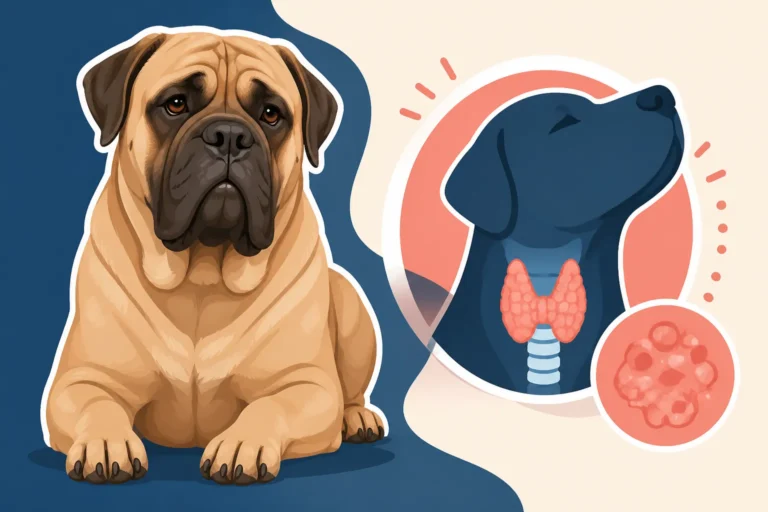
Lymphoma is a cruel disease, particularly prevalent in our beloved Bullmastiffs. It's a cancer of the lymphatic system, which is a vital part of the immune system, spanning almost every organ in your dog's body. This means lymphoma can manifest in many different ways and locations, making it a tricky opponent. For many Bullmastiff owners, the initial diagnosis comes as a shock, even if we're aware of the breed's predispositions. It's a heavy burden, knowing that your gentle giant is battling such an aggressive illness.
The High Stakes for Bullmastiffs
Our majestic Bullmastiffs, with their loyal hearts and powerful builds, unfortunately, carry a significantly higher genetic risk for lymphoma compared to many other breeds. It’s a sad reality that places a unique burden on their owners. This predisposition means that while any dog can get lymphoma, a Bullmastiff's encounter with it is often not a singular, isolated event, but part of a larger genetic lottery. Understanding this inherent vulnerability is key to preparing ourselves for the potential challenges ahead. In fact, many people research Why a Bullmastiff's Lymphoma Risk Is Five Times a Mixed Breed's to grasp the gravity of this predisposition.
When a Bullmastiff is diagnosed with lymphoma, it often means facing a rapid progression of the disease if left untreated. This isn't a slow-moving, easily ignored health issue. We're talking about a cancer that, left unchecked, can quickly diminish your dog's quality of life. The initial signs can be subtle, like slight lethargy or a reduced appetite, making it easy to overlook until the more obvious symptoms, like swollen lymph nodes, appear.
The Initial Lymphoma Diagnosis
The first time you hear "lymphoma" in connection with your Bullmastiff is devastating. Typically, a vet discovers abnormally swollen lymph nodes during a routine physical exam, often under the jaw, in the armpits, or behind the knees. This suspicion usually leads to further diagnostic tests. A fine needle aspirate (FNA) is often the first step, where a small sample of cells is taken from a swollen node. While FNAs can provide a preliminary diagnosis, a more definitive diagnosis often requires a lymph node biopsy, which offers a clearer picture of the specific type of lymphoma.
Once a diagnosis is confirmed, your vet will usually recommend "staging" to determine how widespread the cancer is. This might involve blood work, urinalysis, chest X-rays, and an abdominal ultrasound to check for involvement of other organs like the spleen or liver. This comprehensive workup is crucial for determining the best course of action for How Lymphoma Is Diagnosed in a Bullmastiff and for predicting prognosis. It's a whirlwind of appointments and tough decisions, all aimed at giving your Bullmastiff the best chance possible.
The Reality of Lymphoma Relapse
The question of whether a Bullmastiff can get lymphoma twice isn't just a hypothetical one for many owners; it's a stark reality. Unfortunately, the answer is a resounding yes. Lymphoma, particularly the most common form, multicentric lymphoma, is a highly aggressive cancer. Even with successful treatment and achieving remission, the nature of the disease means that a relapse is a very real, and often expected, possibility. It’s a difficult truth to swallow when you've invested so much emotionally and financially into their initial recovery.
Why Relapse is a Common Concern
Remission from lymphoma, while a joyous moment, often doesn't mean a complete cure. It means the cancer is no longer detectable, or its effects are minimal. However, microscopic cancer cells can persist in the body, lying dormant, ready to resurface when conditions are right. This is why veterinarians often talk about managing lymphoma rather than curing it, especially in breeds with a high predisposition like Bullmastiffs. The disease is simply too pervasive and aggressive to completely eradicate in many cases.
When a Bullmastiff achieves remission through chemotherapy, the goal is to significantly reduce the cancer burden and improve their quality of life. But those rogue cells can eventually develop resistance to the initial chemotherapy drugs or simply multiply again. This phenomenon contributes to the high rate of relapse. Owners should be aware that while the first round of treatment can be very effective, the chance of the cancer returning is considerable. This makes vigilant monitoring after remission absolutely critical for our big, brave dogs.
Signs of a Second Onset
Recognizing the What a Bullmastiff's Lymphoma Relapse Looks Like is paramount for owners who have already navigated this journey once. Often, the signs are eerily similar to the initial diagnosis. You might feel swollen lymph nodes again, commonly under the jaw, in the armpits, or the groin. These nodes might feel firmer or larger than they did before. It’s a gut-wrenching feeling to detect them a second time.
Beyond physical lumps, owners should also be on high alert for general symptoms that indicate their Bullmastiff isn't feeling well. This includes a decrease in appetite, unexplained weight loss, increased lethargy, or a general "off" feeling. Your dog might be less enthusiastic about walks or playtime, or simply sleep more than usual. Sometimes, there might be signs like difficulty breathing if the lymphoma affects the chest lymph nodes, or digestive issues if it’s in the gastrointestinal tract. Any changes in your Bullmastiff's normal behavior or physical state after a period of remission should prompt an immediate call to your veterinarian. Early detection of a relapse can sometimes allow for more effective intervention, even if the options are more limited than the first time around. Understanding these Signs a Bullmastiff Has Lymphoma for a second time is vital.
Managing Recurrent Lymphoma
Facing a second lymphoma diagnosis with your Bullmastiff is incredibly tough, often more so than the first. The initial shock gives way to a grim understanding of the road ahead. However, a relapse doesn't automatically mean there are no options left. There are still pathways to explore that can help maintain your Bullmastiff’s comfort and quality of life, even if the prognosis is generally shorter than with the first remission. It’s about making informed choices that prioritize your dog's well-being.
Treatment Approaches for Relapse
When lymphoma relapses, the treatment strategy often shifts. The first-line chemotherapy protocols, which might have worked wonders initially, may no longer be as effective because the cancer cells could have developed resistance. This means your veterinary oncologist will likely recommend a different set of drugs or a "rescue protocol." These protocols might involve drugs like Lomustine (CCNU), Doxorubicin again (often as part of a different combination), or other single agents. The effectiveness of these second-line treatments can be more variable, and the goal often becomes more focused on maintaining a good quality of life for as long as possible.
Sometimes, owners might opt for a less aggressive approach, especially if the Bullmastiff struggled with the side effects of the initial chemotherapy. In these cases, simply using steroids like prednisone might be considered. While prednisone alone does not cure lymphoma, it can often significantly reduce the size of the lymph nodes, improve appetite, and boost energy levels, offering symptomatic relief for a period. This approach is often chosen to prioritize comfort over aggressive treatment. It's an important conversation to have with your vet about Whether Prednisone Alone Helps a Bullmastiff in this stage. It’s also crucial to consider the financial aspect; repeat treatments can be costly, and pet insurance providers like Healthy Paws can be a lifesaver in helping manage these expenses, allowing you to focus on your Bullmastiff's health rather than the mounting bills.
Quality of Life Considerations
With a recurrent lymphoma diagnosis, the discussion heavily shifts towards quality of life. Aggressive chemotherapy might not be the right choice if your Bullmastiff is already showing significant signs of illness, is older, or if the side effects are likely to severely impact their remaining time. It’s a deeply personal decision, made in close consultation with your veterinary team and family. The aim is to ensure your Bullmastiff enjoys their days, free from pain and discomfort, for as long as possible.
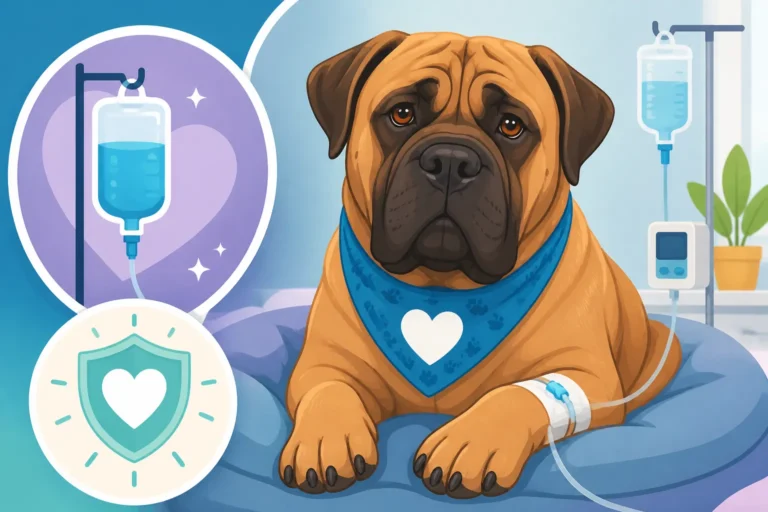
This might mean focusing on palliative care: managing pain, ensuring good hydration and nutrition, and providing comfort. Regular check-ups with your vet can help monitor their comfort levels and adjust medications as needed. It's about cherishing every moment and prioritizing their happiness and dignity. Understanding When Treatment Stops Being Right for a Bullmastiff is an incredibly difficult but necessary conversation to have with your veterinary team.
Prognosis and Long-Term Outlook
The prognosis for Bullmastiffs with recurrent lymphoma is generally more guarded than with the initial diagnosis. While some dogs can achieve a second remission, it's often shorter in duration. This is not to say hope is lost, but rather to set realistic expectations for the challenging road ahead. Every dog is an individual, and their response to treatment, even for a second time, can vary.
Factors Affecting the Second Prognosis
Several factors can influence how long a Bullmastiff might live after a lymphoma relapse. The type of lymphoma, specifically whether it's B-cell or T-cell, plays a significant role, with B-cell lymphomas generally having a better prognosis. The overall health of your Bullmastiff at the time of relapse, their age, and whether the cancer has spread extensively to other organs (known as the clinical stage) are also critical determinants. A Bullmastiff who relapses quickly after their initial remission may have a tougher battle than one who enjoyed a long, healthy remission period.
The chosen treatment protocol for the relapse also impacts the outlook. While rescue protocols can be effective, they often come with a lower success rate and shorter remission times compared to the initial treatment. Ultimately, the goal during a relapse often shifts from achieving a prolonged remission to extending comfortable, good-quality life for weeks or months. It’s a testament to their strength and your dedication that you’re even considering these options for your brave companion.
Emotional and Financial Preparedness
Dealing with a Bullmastiff's lymphoma relapse takes an immense emotional toll. You've already grieved, hoped, and fought, and to face it again can feel overwhelming. It's crucial to acknowledge these feelings and lean on your support system, whether that's family, friends, or online communities. Pet owners often experience anticipatory grief, and that's completely normal.
Financially, treating recurrent lymphoma can be very expensive. The initial diagnostic tests, multiple rounds of different chemotherapy drugs, and supportive care quickly add up. This is where comprehensive pet insurance, like plans offered by Healthy Paws, can make a huge difference, covering a significant portion of these costs and alleviating some of the financial stress. Having a robust emergency fund or good insurance coverage from the start can provide peace of mind and more treatment options when faced with such difficult decisions. Many people find themselves researching Chemotherapy Is the Bill Most Bullmastiff Owners Face and What Chemotherapy Costs for a Bullmastiff to understand the financial implications.
| Aspect | Initial Lymphoma Diagnosis | Lymphoma Relapse |
|---|---|---|
| Emotional Impact | Shock, fear, determination, hope | Grief, exhaustion, profound sadness, realistic assessment |
| Treatment Goals | Achieve long-term remission, improve quality of life | Extend comfortable life, maintain quality of life, palliative care |
| Chemotherapy Protocol | Often multi-agent, standard protocols (e.g., CHOP) | Rescue protocols, different drug combinations, single agents, or prednisone only |
| Expected Remission Length | Generally longer (6-12+ months) | Generally shorter (weeks to a few months) |
| Cost | Significant, but often with more predictable outcomes | Significant, potentially higher due to different drugs or prolonged management |
| Prognosis | Guarded, but with better response rates | More guarded, response rates can be lower |
| Quality of Life Focus | Balancing side effects with aggressive treatment | Prioritizing comfort and minimizing distress |
Prevention and Monitoring
While there's no guaranteed way to prevent lymphoma from occurring or recurring in a Bullmastiff, proactive monitoring and diligent care are your best tools. Early detection, whether it’s the first time or a relapse, can make a difference in your Bullmastiff’s comfort and the effectiveness of available treatments. This commitment to ongoing observation is part of the responsibility that comes with loving such a special breed.
Vigilant Monitoring at Home
After your Bullmastiff has achieved remission from lymphoma, your role as their caretaker becomes even more critical. You are their first line of defense against a relapse. Make it a routine to perform regular at-home checks. This means gently palpating all accessible lymph nodes — under the jaw, in the armpits, in the groin, and behind the knees — at least weekly. Get familiar with what their normal lymph nodes feel like so you can quickly spot any changes. Where a Bullmastiff's Swollen Nodes Are Felt First is information worth reviewing.
Beyond physical checks, pay close attention to any subtle shifts in their behavior or physical well-being. Is their appetite consistent? Are they drinking more or less water? Is their energy level stable, or are they becoming more lethargic? Any changes, no matter how minor they seem, warrant investigation. Keep a diary of these observations; it can be incredibly helpful for your vet. Remember, our Bullmastiffs are masters at hiding pain and discomfort, so your keen eye is essential.
The Role of Regular Vet Check-ups
Even with diligent at-home monitoring, regular veterinary check-ups are non-negotiable for a Bullmastiff with a history of lymphoma. Your vet can perform a more thorough examination, identify subtle changes you might miss, and run blood work or other diagnostics if needed. These follow-up appointments are vital for catching a relapse early, which can sometimes expand the available treatment options or allow for quicker adjustments to their care plan.
Your vet might recommend How Often a Bullmastiff Should Be Checked for Cancer after remission, which could be every few months, depending on the individual case and the type of lymphoma. These visits are not just about physical health; they are also an opportunity to discuss any concerns you have about your Bullmastiff's quality of life or your own emotional well-being. A strong partnership with your vet and oncology team is your best asset in managing this challenging disease. Having pet insurance like Healthy Paws, which often covers these ongoing diagnostic and monitoring costs, can greatly ease the burden and allow for more consistent care.
Conclusion
The journey with a Bullmastiff battling lymphoma, especially when it recurs, is undoubtedly one of the most challenging experiences an owner can face. The answer to "whether a Bullmastiff gets lymphoma twice" is, unfortunately, a clear yes. This breed's genetic predisposition to this aggressive cancer means that even after achieving remission, the possibility of a relapse is a very real and often expected part of their medical journey. While a second diagnosis brings profound heartache and often a more guarded prognosis, it doesn't mean the end of all hope. There are still options for managing the disease, focusing on comfort, and ensuring your cherished companion enjoys their remaining time with the best possible quality of life. By understanding the nature of lymphoma, staying vigilant with home monitoring, maintaining regular veterinary care, and preparing emotionally and financially, you can navigate this difficult path with love and informed decisions, providing your Bullmastiff with the care and dignity they deserve.
Disclaimer
Please remember that the information provided in this article is intended for educational purposes only and should not be considered a substitute for professional veterinary advice. Every Bullmastiff is an individual, and any health concerns, diagnoses, or treatment decisions should always be made in consultation with a qualified veterinarian.