Which Medication a Bullmastiff With Stenosis Takes
Discovering that your beloved Bullmastiff has been diagnosed with subaortic stenosis (SAS) can be incredibly frightening and overwhelming. It’s natural to feel a rush of anxiety, wondering what this means for their future and how you can best support them. This guide aims to demystify the medical side of managing SAS, specifically focusing on the medications your Bullmastiff might need, what they do, and what you can expect as you navigate this challenging journey.
Understanding Subaortic Stenosis in Bullmastiffs and the Role of Medication
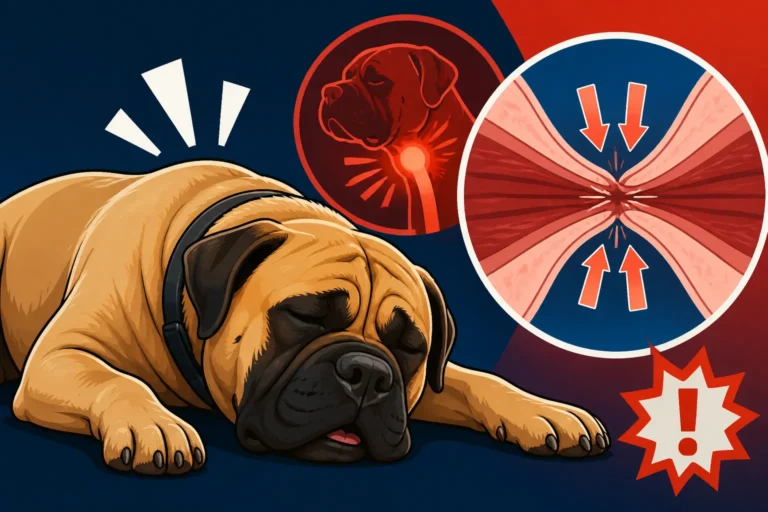
Subaortic stenosis, or SAS, is a congenital heart condition that many Bullmastiff owners, unfortunately, become all too familiar with. It's a narrowing of the outflow tract from the left ventricle of the heart, just below the aortic valve. This narrowing means the heart has to work much harder to pump blood to the body, which can lead to a cascade of problems over time. For Bullmastiff families, this diagnosis often comes with a heavy heart, as it's a condition where Subaortic Stenosis Is There Before a Bullmastiff's First Birthday for many, highlighting the importance of early detection through careful breeding practices and puppy health checks.
The Basics of Subaortic Stenosis and Why It's a Concern for Bullmastiffs
When a Bullmastiff has subaortic stenosis, the left ventricle, which is the heart's main pumping chamber, must generate abnormally high pressure to force blood through the narrowed area into the aorta. This extra workload causes the heart muscle of the left ventricle to thicken and become less efficient over time, a condition known as left ventricular hypertrophy. This thickening isn't a healthy kind of muscle growth; it actually makes the heart less able to relax and fill properly, reducing its overall pumping capacity.
What makes SAS such a particular concern for Bullmastiffs, and many other large breeds, is its genetic predisposition. It's not something your dog "catches"; they are born with it. The severity can range from mild, where dogs might live a full, normal lifespan with little to no intervention, to severe, which can significantly reduce quality of life and lifespan. Severe SAS can lead to fainting, exercise intolerance, and even sudden cardiac death. This is why careful cardiac screening from a reputable breeder is so vital. Understanding What Subaortic Stenosis Does to a Bullmastiff helps prepare you for the potential challenges ahead.
When Medication Becomes Necessary
Not every Bullmastiff diagnosed with subaortic stenosis will require medication immediately. In fact, many dogs with mild forms of the condition may never need daily medication. The decision to start medication is typically made by a veterinary cardiologist based on the severity of the stenosis, the presence of clinical signs, and the risk of complications such as arrhythmias or congestive heart failure. A key indicator for considering medication is often how vigorously the heart is working to overcome the obstruction, measured by the velocity of blood flow through the narrowed area.
Medication for SAS isn't a cure; it can't reverse the physical narrowing in the heart. Instead, the primary goals of pharmacological intervention are to alleviate symptoms, reduce the heart's workload, prevent life-threatening complications like irregular heart rhythms, and improve the overall quality of life. For example, if your Bullmastiff starts showing signs of fatigue, weakness, or fainting, it's a strong signal that their heart is struggling, and medication can help manage these issues. It's about buying them time and comfort, allowing them to enjoy their days as much as possible.
Common Medications Prescribed for Bullmastiffs with SAS
Once a Bullmastiff is diagnosed with subaortic stenosis, a vet might recommend medication depending on the severity and symptoms. These medications are carefully chosen to manage the condition's effects on the heart and prevent further complications. It's a delicate balance, and your vet will tailor the prescription specifically to your dog's needs.
Beta-Blockers: The First Line of Defense
For many Bullmastiffs with moderate to severe subaortic stenosis, beta-blockers are often the cornerstone of medical management. These medications work by blocking the effects of adrenaline on the heart. Think of adrenaline as the body's "fight or flight" hormone; it speeds up the heart rate and increases the force of contractions. While useful in emergencies, this increased activity puts a huge strain on a heart already struggling with SAS.
Beta-blockers like atenolol or carvedilol perform a few critical functions in an SAS-affected heart. Firstly, they slow the heart rate, allowing the left ventricle more time to fill with blood between beats, which can improve cardiac output. Secondly, they reduce the force of the heart's contractions, which, counterintuitively, helps. By reducing the vigor with which blood is ejected through the narrowed subaortic area, beta-blockers decrease the turbulence of blood flow, thereby reducing myocardial oxygen demand and protecting the heart muscle from further damage. They can also help reduce the risk of arrhythmias (irregular heartbeats), which are common in dogs with significant SAS. Your vet will carefully determine the right dosage, often starting low and gradually increasing, while monitoring for side effects like lethargy or excessively slow heart rate.
Other Medications for Symptom Management and Complications
While beta-blockers are often central, a Bullmastiff with SAS, especially as the disease progresses, might need additional medications to manage specific symptoms or complications that arise. It’s not uncommon for a dog’s treatment plan to evolve, requiring a combination of therapies. This is where pet insurance, like a policy from Healthy Paws, can be incredibly valuable, as these additional medications and follow-up visits can add up quickly.
Diuretics, such as furosemide, are prescribed if your Bullmastiff develops signs of congestive heart failure, which might manifest as fluid accumulation in the lungs (causing coughing or difficulty breathing) or in the abdomen. Diuretics help the body shed excess fluid, easing the burden on the heart and improving respiratory function. However, they need careful monitoring as they can affect electrolyte balance and kidney function.
ACE (Angiotensin-Converting Enzyme) inhibitors, like enalapril or benazepril, are another class of drugs that might be introduced if congestive heart failure is present. These medications work by dilating blood vessels, which reduces blood pressure and makes it easier for the heart to pump blood. They also help to prevent the remodeling of the heart muscle that often occurs in chronic heart disease.
For Bullmastiffs that develop significant arrhythmias not fully controlled by beta-blockers, specific antiarrhythmic drugs may be necessary. Sotalol, for instance, has both beta-blocking and antiarrhythmic properties. The choice of medication here depends heavily on the type and severity of the arrhythmia identified, often through an electrocardiogram (ECG) or Holter monitor.
It's important to remember that administering these medications is a critical part of care. A consistent schedule is paramount, and your vet will guide you on dosage and potential interactions. Financial preparedness is key, and this is where robust pet insurance like Healthy Paws can truly make a difference, helping to cover the substantial costs of ongoing prescriptions and specialized veterinary consultations.
| Medication Type | Common Examples | Primary Use for SAS | Potential Side Effects to Watch For |
|---|---|---|---|
| Beta-Blockers | Atenolol, Carvedilol | Slow heart rate, reduce heart workload, prevent arrhythmias | Lethargy, weakness, slow heart rate, low blood pressure |
| Diuretics | Furosemide | Reduce fluid retention due to congestive heart failure | Increased thirst/urination, dehydration, electrolyte imbalance |
| ACE Inhibitors | Enalapril, Benazepril | Dilate blood vessels, reduce heart's pumping effort | Lethargy, weakness, loss of appetite, kidney function changes |
| Antiarrhythmics | Sotalol (also a beta-blocker) | Control specific types of irregular heartbeats | Dizziness, gastrointestinal upset, worsening of arrhythmias |
Managing Medication and Long-Term Care for Your Bullmastiff with SAS
Living with a Bullmastiff diagnosed with subaortic stenosis means committing to a regimen of ongoing care. It’s not just about the pills; it’s a holistic approach that integrates careful home monitoring, regular veterinary check-ups, and thoughtful lifestyle adjustments to ensure your gentle giant enjoys the best possible quality of life.
Administering Medications and Monitoring Your Dog at Home
Giving medication to a large, often strong-willed Bullmastiff can sometimes feel like a daily wrestling match, but consistency is absolutely vital for managing SAS. Medications like atenolol or enalapril need to be given on a strict schedule, usually once or twice a day, to maintain stable levels in their system. You might find success hiding pills in treats (peanut butter, cream cheese, or a bit of cooked meat often works wonders) or using a pill pocket. If your Bullmastiff is particularly wary, a pill gun can be a useful tool, but always introduce it calmly and positively.
Beyond just giving the pills, you become your Bullmastiff’s most important observer. Pay close attention to any changes in their behavior or physical condition. Are they more lethargic than usual? Is their breathing labored or does it sound different? Are they coughing, especially after exercise or when resting? Keep an eye on their appetite and water intake. Subtle shifts can be early indicators that the disease is progressing or that the medication dosage needs adjustment. Keeping a small notebook to log these observations, including medication times and any notable symptoms, can be incredibly helpful when discussing your Bullmastiff's progress with your veterinarian. This proactive monitoring helps in identifying issues early, potentially preventing more severe complications.
Regular Veterinary Check-ups and Adjusting Treatment
Regular veterinary check-ups are non-negotiable for a Bullmastiff with SAS. Even if your dog seems stable, these appointments are crucial for monitoring their heart health and adjusting their treatment plan as needed. Typically, a Bullmastiff with SAS will need to see a veterinary cardiologist every 3 to 6 months, or more frequently if symptoms are present or change. During these visits, the specialist will perform a thorough physical exam, listen to their heart for murmurs, and likely recommend diagnostic tests.
An echocardiogram, often referred to as an "echo," is the gold standard for monitoring SAS. It provides detailed images of the heart's structure and function, allowing the vet to measure the severity of the narrowing, assess ventricular function, and detect any complications like fluid accumulation or arrhythmias. Understanding When an Echocardiogram Is Needed on a Bullmastiff helps you prepare for these crucial appointments. They might also perform chest X-rays to check for lung congestion, an electrocardiogram (ECG) to evaluate heart rhythm, and blood pressure measurements. Based on these findings, the cardiologist will fine-tune the medication regimen, which could involve adjusting dosages, adding new medications, or discontinuing others. It's a dynamic process, and open communication with your vet is key. Don't hesitate to ask questions about prognosis or potential next steps.
The Broader Picture: Lifestyle and Support
Medication is a powerful tool, but it's only one piece of the puzzle in managing subaortic stenosis in your Bullmastiff. Lifestyle adjustments play an equally critical role in supporting their heart health and maintaining their quality of life. For instance, intense exercise is usually a big no-no. Your Bullmastiff with SAS needs controlled, moderate activity, such as short, gentle walks. Strenuous play, running, or anything that causes them to get overly excited or breathless should be avoided, as it puts undue strain on their heart. This is particularly important for owners who need to remember why a Bullmastiff with severe stenosis collapses during high-intensity moments.
Dietary considerations also come into play, especially if your Bullmastiff shows signs of congestive heart failure. Your vet might recommend a low-sodium diet to help manage fluid retention. Maintaining a healthy weight is absolutely paramount; extra pounds mean extra work for the heart. Work with your vet to ensure your Bullmastiff is eating an appropriate, high-quality diet that supports their condition without contributing to obesity.
Finally, managing stress for your Bullmastiff is also important, as excitement can elevate heart rate and blood pressure. A calm, consistent home environment is best. And let’s not forget the financial aspect. Long-term medical management for a chronic condition like SAS, including regular specialist visits, diagnostic tests, and ongoing prescriptions, can be a significant financial burden. This is where having pet insurance like Healthy Paws, especially if enrolled early, can provide immense peace of mind and help ensure you can afford the best care for your Bullmastiff without financial strain. While a Bullmastiff with mild stenosis might live normally with diligent care and monitoring (Whether a Bullmastiff With Mild Stenosis Lives Normally), comprehensive planning for potential costs is always wise.
Disclaimer
The information provided in this article is for general educational purposes only and is not a substitute for professional veterinary advice. Always consult with a qualified veterinarian or veterinary cardiologist for any health concerns or before making any decisions about your Bullmastiff's medical care or treatment plan.