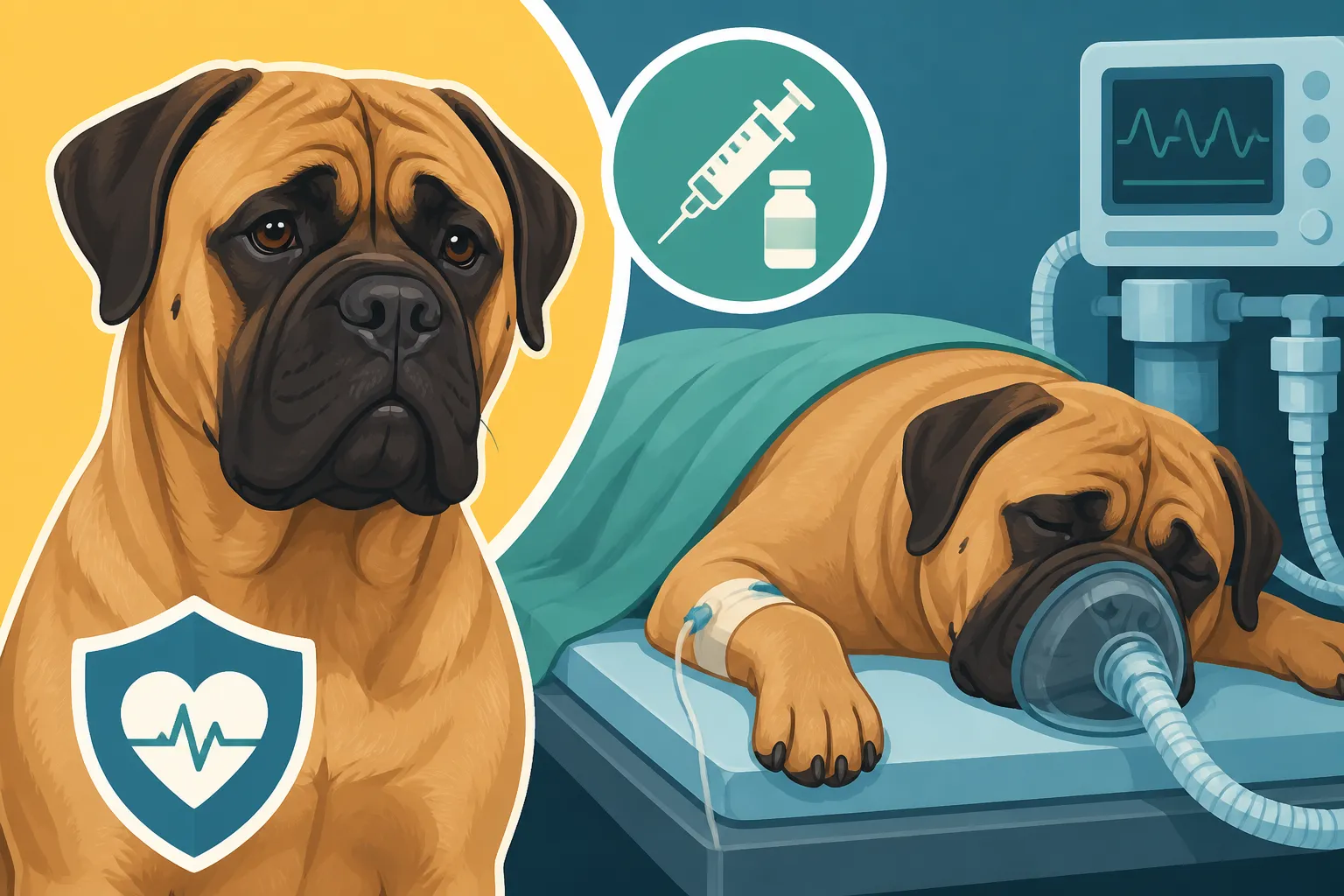
Whether a Bullmastiff Tolerates Anesthesia
It’s a truly nerve-wracking moment when your vet tells you your beloved Bullmastiff needs to undergo a procedure requiring anesthesia. As owners of these magnificent, large-boned companions, we’re often acutely aware of the unique health considerations our gentle giants face, and the thought of them going "under" can fill us with dread. This comprehensive guide aims to demystify anesthesia for Bullmastiffs, explaining the specific factors that vets consider and how you can best prepare your furry family member for a safe experience.
Understanding Anesthesia Risks in Bullmastiffs
When it comes to anesthesia, Bullmastiffs, like all large and brachycephalic (short-nosed) breeds, present a particular set of challenges that your veterinary team meticulously plans for. It’s not just about their impressive size; their unique physiology requires extra vigilance and tailored protocols.
Why Brachycephalic Breeds Face Unique Challenges
One of the primary concerns for Bullmastiffs under anesthesia stems from their brachycephalic nature. That wonderfully distinctive, broad head and short muzzle, while a hallmark of the breed, also means they have a compressed airway. Imagine trying to breathe deeply through a very narrow straw all the time—that's a bit what it can be like for them. Their elongated soft palates, smaller tracheas, and everted laryngeal saccules can all obstruct airflow, making both intubation (inserting a breathing tube) and extubation (removing it) more delicate procedures.
Because of these anatomical quirks, Bullmastiffs are more prone to respiratory distress before, during, and after anesthesia. They can struggle to cool themselves efficiently, which can exacerbate issues under sedation. You might have heard about "Why a Bullmastiff's Short Muzzle Cannot Cool It," and this difficulty with temperature regulation becomes even more critical when their normal physiological responses are dampened by anesthetic agents. This means your vet will often take extra precautions like pre-oxygenation, careful airway management, and extended monitoring during recovery.
Common Concerns for Giant Breeds Under Anesthesia
Beyond their brachycephalic traits, the sheer size and weight of Bullmastiffs introduce other anesthetic considerations. Large breeds often have a slower metabolism, meaning drugs can take longer to process and clear from their system. This necessitates precise dosing and careful titration of anesthetic agents to avoid over-sedation. They also have a larger blood volume, which can affect how quickly drugs distribute throughout their body.
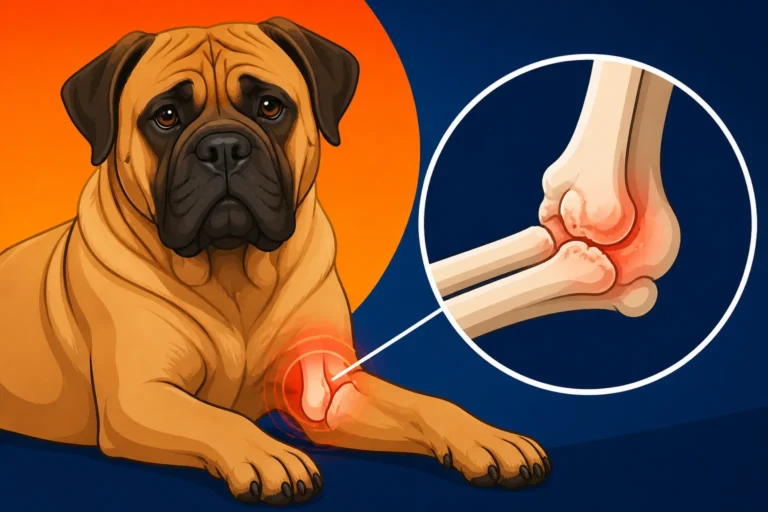
Another significant concern for giant breeds is the potential for orthopedic issues. Getting a large, anesthetized dog onto an operating table and positioning them correctly requires multiple hands and careful technique to prevent injury, especially to their joints. Issues like Hip Dysplasia in a Bullmastiff or Elbow Dysplasia in a Bullmastiff can make positioning particularly tricky, requiring specialized padding and support to protect vulnerable areas during long procedures. Vets and technicians are trained to handle these big dogs with immense care to prevent muscle strain, nerve damage, or exacerbation of existing joint problems.
Pre-Anesthetic Screening and Its Importance
Before any Bullmastiff goes under anesthesia, a thorough pre-anesthetic screening is absolutely non-negotiable. This isn't just a formality; it's a critical step to identify any underlying health issues that could increase anesthetic risk. This typically includes a comprehensive physical examination, where your vet will listen to your dog’s heart and lungs, check their hydration status, and assess their overall demeanor. They’ll also carefully check for any signs of respiratory obstruction.
Bloodwork is another cornerstone of pre-anesthetic screening. This usually involves a complete blood count (CBC) to check for anemia, infection, or other blood abnormalities, and a biochemistry panel to evaluate organ function (kidneys, liver) and blood sugar levels. These tests help ensure your Bullmastiff’s internal organs are healthy enough to metabolize the anesthetic drugs and recover effectively. For giant breeds like Bullmastiffs, who are prone to certain cardiac conditions, an electrocardiogram (ECG) or even an echocardiogram might be recommended, especially if a heart murmur is detected during the physical exam. Understanding "Signs a Bullmastiff Has a Heart Murmur" is crucial, as this could significantly alter the anesthetic protocol.
Preparing Your Bullmastiff for a Smooth Anesthesia Experience
Preparation is key to minimizing risks and ensuring the safest possible outcome for your Bullmastiff during and after anesthesia. This proactive approach involves a partnership between you and your veterinary team.
The Role of Pre-Anesthetic Bloodwork and Physical Exams
As mentioned, pre-anesthetic bloodwork provides a vital snapshot of your Bullmastiff's internal health. If the tests reveal any abnormalities—such as elevated liver enzymes or kidney values—your vet might suggest delaying the procedure to investigate further or modify the anesthetic plan to use drugs that are less taxing on specific organs. This personalized approach is essential for a breed with particular health predispositions.
A thorough physical exam isn't just about spotting obvious issues; it's also about building a baseline. The vet will record your Bullmastiff's weight, temperature, heart rate, and respiratory rate, which are all crucial for calculating accurate drug dosages. They'll also assess your dog’s overall temperament, as anxious or stressed dogs may require different sedative protocols to ensure a calm induction of anesthesia. Don't hesitate to discuss any recent changes in your Bullmastiff's behavior or appetite, as these details can be incredibly helpful for the veterinary team.
Medications and Protocols Tailored for Bullmastiffs
Modern veterinary anesthesia has come a long way, and your vet will employ a multi-modal approach, using a combination of drugs to achieve sedation, pain relief, and muscle relaxation, often at lower doses of each individual drug. For Bullmastiffs, specific anesthetic agents known to have minimal impact on the cardiovascular and respiratory systems are often preferred. Pre-medication is commonly used to calm the dog before the main anesthetic, making the induction smoother and reducing the overall amount of anesthetic gas needed.
During the procedure, your Bullmastiff will be continuously monitored by a dedicated veterinary technician who watches critical parameters like heart rate, blood pressure, oxygen saturation, temperature, and respiration. Advanced techniques such as mechanical ventilation might be utilized if their natural breathing becomes compromised, ensuring a steady supply of oxygen. The goal is always to maintain optimal physiological stability throughout the entire process. This meticulous care is why your vet's recommendation for "What a Bullmastiff's Oncology Referral Costs" or any other specialist care involving anesthesia comes with significant detail.
What to Discuss with Your Vet Beforehand
Communication with your veterinary team is paramount. Before your Bullmastiff's procedure, make sure to have an in-depth conversation with your vet. Discuss their history with previous sedations or surgeries, any known allergies, and any medications they are currently taking. Ask about the specific anesthetic drugs they plan to use and why they are chosen for a Bullmastiff. It’s also important to inquire about the monitoring equipment that will be used and who will be monitoring your dog during the procedure and recovery.
Don't be shy about asking about the contingency plans. What happens if there's an unexpected complication? What is the estimated recovery time? Understanding "What a Bullmastiff's Annual Checkup Costs" gives you a baseline for routine care, but for anesthesia, you need to dive deeper into the specifics. Asking about these details will not only ease your own mind but also ensure that everyone is on the same page regarding your Bullmastiff's care.
Monitoring and Recovery: The Critical Phases
The period during and immediately after anesthesia is often the most critical, demanding continuous vigilance and specialized care for Bullmastiffs.
Advanced Monitoring Techniques During Surgery
During the actual surgical procedure, your Bullmastiff won't just be "asleep" – they'll be under constant, intensive monitoring. This isn't just someone casually glancing at a screen; it's a dedicated veterinary professional, usually a licensed technician, whose sole job is to watch your dog's vitals like a hawk. They'll be using state-of-the-art equipment that tracks heart rate and rhythm (ECG), blood pressure, oxygen saturation (pulse oximetry), carbon dioxide levels (capnography), and body temperature.
The capnograph is particularly important for brachycephalic breeds, as it measures the carbon dioxide in exhaled breath, giving an immediate indication of how effectively your Bullmastiff is breathing and exchanging gases. Any sudden drop or rise in these parameters can signal a potential issue, allowing the veterinary team to make immediate adjustments to the anesthetic depth or provide supportive care. For Bullmastiffs, maintaining a normal body temperature is also crucial, so warming blankets or forced-air warming systems are often employed to prevent hypothermia, which can slow drug metabolism and recovery.
Managing Post-Anesthesia Recovery at the Clinic
Once the procedure is complete, the monitoring doesn't stop. The recovery phase for Bullmastiffs requires just as much, if not more, attention than the surgery itself. They are typically moved to a comfortable, quiet, and warm recovery area where they continue to be watched closely. One of the biggest concerns for brachycephalic breeds during recovery is airway obstruction as they wake up and the breathing tube is removed. They are often kept intubated longer than other breeds to ensure they have regained full control of their airway and can breathe effectively on their own.
The veterinary team will look for signs of pain, nausea, or disorientation. Pain management is a huge part of recovery, and your Bullmastiff will likely receive medications to keep them comfortable. The nurses will also closely monitor their breathing, gum color, and overall alertness. Because Bullmastiffs can be particularly stoic and "How a Bullmastiff Hides Pain," the staff needs to be highly attuned to subtle cues that might indicate discomfort or complications, ensuring they receive immediate attention.
Bringing Your Bullmastiff Home: What to Expect
When it's time to bring your Bullmastiff home, they likely won't be their usual boisterous self. They might still be a little groggy, disoriented, or even a bit clumsy. It’s common for them to sleep more than usual for the first 24-48 hours. They might also have a decreased appetite or seem a bit nauseous. Your vet will provide specific instructions for post-operative care, including medication schedules for pain relief or antibiotics, wound care, and feeding guidelines.
Make sure to have a quiet, comfortable space ready for them to rest, away from excessive noise or other pets. Keep a close eye on their breathing, ensuring it’s calm and regular. Any persistent coughing, difficulty breathing, excessive panting, vomiting, or unusual lethargy should warrant a call to your vet immediately. Remember, even though they’re home, they’re still recovering from a major medical event, and your vigilance is crucial.
Minimizing Risks and Ensuring Peace of Mind
While anesthesia always carries some inherent risk, there are many steps you can take to minimize these risks for your Bullmastiff and ensure you have peace of mind.
Choosing an Experienced Veterinary Team
The single most impactful decision you can make is selecting a veterinary practice and team experienced with large and brachycephalic breeds. A vet who routinely handles Bullmastiffs and similar dogs will be intimately familiar with their unique anesthetic requirements and potential complications. Don't be afraid to ask about their experience level, their protocols for these breeds, and the qualifications of their veterinary technicians. A well-equipped clinic will have modern anesthetic machines, comprehensive monitoring devices, and the necessary emergency equipment readily available.
Look for a team that emphasizes individualized patient care, meaning they tailor the anesthetic plan specifically for your Bullmastiff based on their age, health status, and the nature of the procedure. For example, if your Bullmastiff needs "What a Mast Cell Tumor Removal Costs on a Bullmastiff" the team should have a clear plan for both the surgery and the anesthetic management, considering the tumor's location and your dog's overall health. A good veterinary practice will also be transparent about costs, including "What Anesthesia Costs on a Bullmastiff," and what those costs cover in terms of monitoring and care.
The Value of Pet Insurance for Unexpected Costs
Let's be realistic: veterinary care for a Bullmastiff, especially when specialized procedures or unexpected emergencies arise, can be costly. Anesthesia itself, with all the necessary monitoring, drugs, and skilled personnel, contributes significantly to the overall bill. This is where pet insurance can be a literal lifesaver, allowing you to make medical decisions based on what’s best for your Bullmastiff rather than purely on financial constraints.
Providers like Healthy Paws offer comprehensive plans that can cover a significant portion of unexpected veterinary expenses, including emergency care, surgeries, and treatments requiring anesthesia. Having pet insurance can alleviate the stress of a sudden, large bill, empowering you to say "yes" to the best possible care for your dog. It's truly an investment in your peace of mind and your Bullmastiff's well-being, especially when you consider that a breed with an average lifespan of "The Median Bullmastiff Lives Eight and a Half Years" will likely face several medical needs throughout their life.
Pre-Anesthetic Test Purpose Why it Matters for Bullmastiffs Typical Cost Range (USD)
:## Exploring the Bullmastiff's Tolerance to Anesthesia: A Deep Dive for Owners
As devoted Bullmastiff parents, we know that these gentle giants, with their soulful eyes and protective instincts, bring immense joy into our lives. But alongside that love comes a deep responsibility to care for their health, and sometimes, that means facing procedures that require anesthesia. The mere mention of it can send shivers down an owner's spine, especially with a large breed, leaving us wondering, "Will my Bullmastiff be okay?" It's a completely natural worry, and understanding the nuances of anesthesia for Bullmastiffs is the first step in ensuring their safety and your peace of mind.
Why Bullmastiffs Have Unique Anesthetic Considerations
Bullmastiffs are undeniably special, and their unique physiology dictates a more tailored approach to anesthesia than, say, a terrier or a poodle. Their combination of large size and brachycephalic features creates specific challenges that skilled veterinary teams are well-versed in navigating. It's not about them being "bad" patients, but rather "different" patients, requiring extra layers of precaution and expertise.
The Brachycephalic Airway: A Primary Concern
One of the most significant factors influencing a Bullmastiff's anesthetic tolerance is their brachycephalic (short-nosed) conformation. While that powerful, broad head is a defining characteristic, it comes with inherent respiratory challenges. Their compressed upper airways can include an elongated soft palate that partially obstructs the trachea, stenotic nares (narrow nostrils), and everted laryngeal saccules that further impede airflow. These features mean they often have to work harder to breathe even when awake and calm.
Under anesthesia, when muscles relax, these anatomical quirks become even more pronounced. The already compromised airway can become completely obstructed, making breathing difficult or impossible without intervention. This is why pre-oxygenation (giving them oxygen before anesthesia), swift and careful intubation (placing a breathing tube into the windpipe), and vigilant monitoring of their breathing throughout the procedure are absolutely paramount. The veterinary team will ensure they have a breathing tube in place that is appropriate for their size, and they'll likely keep them intubated longer during recovery to ensure their airway is clear and stable as they wake up. This meticulous approach helps mitigate the risks associated with "Why a Bullmastiff's Short Muzzle Cannot Cool It," as efficient breathing is crucial for temperature regulation.
Large Breed Physiology and Drug Metabolism
Beyond their airway, Bullmastiffs, as giant breeds, have a different metabolic rate and drug distribution compared to smaller dogs. Anesthetic drugs are often dosed by weight, but for very large or obese dogs, simply scaling up the dose can be problematic. Larger dogs typically have more body fat, which can absorb certain drugs and then release them slowly, potentially leading to a prolonged recovery. Their sheer body mass also means drugs take longer to circulate throughout their system and longer for their liver and kidneys to process and excrete.
This requires vets to be incredibly precise with drug selection and dosage. They often use a multi-modal approach, combining several different medications at lower individual doses to achieve the desired anesthetic depth and pain control. This strategy minimizes the side effects associated with high doses of a single agent. The veterinary team understands that "What a Bullmastiff's Medication Costs by Weight" isn't just about the quantity, but also the specific types of medications chosen for safety and efficacy in a large breed.
Pre-Anesthetic Screening: The Foundation of Safety
You might feel like your vet is being overly cautious with all the tests they recommend before a procedure, but for a Bullmastiff, pre-anesthetic screening isn't just a suggestion—it's a crucial layer of protection. This thorough evaluation is designed to uncover any hidden health issues that could elevate anesthetic risk, allowing the veterinary team to tailor the protocol specifically for your dog.
Comprehensive Physical Examination and History
Every anesthetic event for a Bullmastiff should start with a comprehensive physical examination. Your vet will listen intently to your dog's heart and lungs, looking for any murmurs, arrhythmias, or abnormal breath sounds. They'll assess their gum color and capillary refill time to check for good circulation, and palpate their abdomen for any tenderness or masses. This exam also includes evaluating their overall body condition—are they lean and fit, or carrying a bit too much weight? Being overweight can significantly increase anesthetic risk by placing extra strain on the heart and lungs.
Equally important is a detailed patient history. You, as the owner, are the best source of information about your Bullmastiff's day-to-day health. Have they been coughing, panting more than usual, or showing any signs of lethargy? Have they had any previous reactions to medications or anesthesia? All these details, even seemingly minor ones, help the vet build a complete picture of your dog's health and potential vulnerabilities. This is why regular check-ups, like "What a Bullmastiff's Annual Checkup Costs," are so important, as they establish a baseline of health.
Bloodwork and Cardiac Evaluation
Pre-anesthetic bloodwork is non-negotiable for Bullmastiffs. This usually involves a complete blood count (CBC), which checks for anemia, infection, and platelet levels, and a biochemistry panel, which assesses the function of vital organs like the kidneys and liver. These organs are responsible for metabolizing and eliminating anesthetic drugs from the body, so knowing they are functioning optimally is critical. If these tests reveal any abnormalities, your vet might recommend further diagnostics or adjustments to the anesthetic plan.
Given the prevalence of certain cardiac conditions in Bullmastiffs, a thorough heart evaluation is often a key part of the screening, especially if a murmur is detected during the physical exam. This might involve an electrocardiogram (ECG) to assess heart rhythm or even an echocardiogram (an ultrasound of the heart) to visualize its structure and function. Understanding "What an Echocardiogram Costs on a Bullmastiff" and when it's recommended can help you be prepared. For breeds susceptible to conditions like Subaortic Stenosis, a pre-anesthetic cardiac exam is a wise precaution. Discussing "Whether a Bullmastiff's Heart Should Be Rechecked Yearly" with your vet is also a good practice for ongoing health management.
The Anesthetic Protocol: Tailored Care for Your Bullmastiff
A modern anesthetic protocol for a Bullmastiff is a carefully orchestrated plan, often involving multiple steps and continuous adjustments, rather than a one-size-fits-all approach. Every element is chosen to maximize safety and comfort.
Pre-medication and Intubation Expertise
Before your Bullmastiff even enters the operating room, they'll likely receive a pre-medication. This is a combination of sedative and pain relief medications given by injection that helps them relax, reducing anxiety and making the induction of anesthesia much smoother. This also means less of the stronger, inhaled anesthetic gas is needed, which is generally safer for their system.
Once sedated, the next critical step is intubation. For a brachycephalic breed like a Bullmastiff, this requires particular skill and speed to ensure the airway is secured promptly. The vet will carefully insert an endotracheal tube into their windpipe, which allows for direct delivery of anesthetic gas and oxygen, and also protects the airway from aspiration if they were to regurgitate. This tube is then connected to an anesthetic machine that precisely controls the gas mixture and oxygen flow.
Advanced Monitoring and Support During the Procedure
During anesthesia, your Bullmastiff will be under continuous, vigilant monitoring by a dedicated veterinary technician, using sophisticated equipment. This isn't just a basic heart rate check; it's a comprehensive assessment of multiple vital signs:
- Electrocardiogram (ECG): Monitors heart rate and rhythm.
- Pulse Oximetry: Measures the oxygen saturation in their blood.
- Capnography: Measures the carbon dioxide levels in their exhaled breath, indicating how well they are breathing and exchanging gases. This is especially vital for Bullmastiffs due to their airway anatomy.
- Blood Pressure Monitoring: Ensures adequate blood flow to all organs.
- Temperature Monitoring: Bullmastiffs can be prone to hypothermia, so their temperature is carefully maintained with warming blankets or forced-air systems.
Intravenous fluids are almost always administered during anesthesia to help maintain blood pressure, support kidney function, and keep them well-hydrated. The fluids also provide a direct route for emergency medications if they are ever needed. This entire setup, from the initial pre-medication to the last moment of monitoring, is about ensuring your Bullmastiff's body remains as stable as possible while they are unconscious.
Recovery and Post-Operative Care: Continued Vigilance
The anesthetic journey doesn't end when the surgery is over. The recovery period is just as crucial, particularly for Bullmastiffs, and requires continued attention from both the veterinary team and, eventually, you.
Monitored Recovery at the Clinic
As your Bullmastiff begins to wake up, they will remain in a dedicated recovery area, typically kept warm and quiet. The breathing tube is usually kept in place until they are fully conscious and swallowing, ensuring their airway remains open and clear. This is especially important for brachycephalic breeds who might struggle with airway obstruction as they emerge from sedation. The veterinary staff will continue to monitor their vital signs, looking for any signs of pain, nausea, or prolonged grogginess.
Pain management is a high priority during recovery. Your Bullmastiff will likely receive additional pain relief to ensure they are comfortable as they regain consciousness. Early and effective pain control not only makes them feel better but also aids in a smoother, faster recovery. The team will also monitor for potential complications like vomiting, excessive panting, or labored breathing, which require immediate intervention.
Home Care and What to Watch For
When your Bullmastiff comes home, they might still be feeling the effects of the anesthesia. Expect them to be more subdued than usual, perhaps a bit wobbly or disoriented for the first 12-24 hours. They may want to sleep a lot, and that's perfectly normal. Provide a comfortable, quiet, and warm spot for them to rest, away from household hustle and bustle.
Follow your vet's discharge instructions meticulously. This includes administering any prescribed medications for pain or infection, managing wound care, and adhering to feeding guidelines. Often, a small, bland meal is recommended for the first evening. Watch for any unusual symptoms: persistent vomiting, difficulty breathing, excessive lethargy (more than just grogginess), refusal to drink, or any signs of severe pain that aren't managed by their medication. If you have any concerns, even small ones, don't hesitate to call your vet. It's always better to be overly cautious than to regret not asking a question. Knowing "How a Bullmastiff Hides Pain" will help you observe subtle changes.
Investing in Long-Term Health and Peace of Mind
Ensuring your Bullmastiff tolerates anesthesia well is part of a larger commitment to their overall health. This commitment extends beyond a single procedure to their daily care and your preparedness for the unexpected.
Lifestyle Factors Influencing Anesthesia Safety
A Bullmastiff's general health plays a huge role in how well they tolerate anesthesia. Keeping your Bullmastiff at a healthy weight is paramount. Obesity significantly increases anesthetic risk, contributing to respiratory difficulties, cardiovascular strain, and longer recovery times. Maintaining a lean body condition through appropriate nutrition and moderate exercise is one of the best things you can do for their long-term health, including making anesthetic events safer. This is why we often emphasize "Keeping a Bullmastiff Lean Is the Best Thing You Can Do" for their lifespan.
Regular veterinary check-ups also help ensure any underlying health issues are identified and managed before they become acute problems. Staying up-to-date on vaccinations and parasite prevention contributes to their overall resilience. A healthy, well-conditioned Bullmastiff will generally cope better with the physiological stress of anesthesia than one with pre-existing, unmanaged health conditions.
The Role of Pet Insurance
Let's face it, veterinary care, especially for procedures involving anesthesia, can be expensive. From the pre-anesthetic bloodwork and cardiac screening to the actual anesthetic drugs, monitoring, surgical supplies, and post-operative care, the costs can add up quickly. This financial burden can be a major source of stress for owners when their beloved Bullmastiff needs medical intervention.
This is where pet insurance, like policies offered by Healthy Paws, becomes an invaluable tool. Pet insurance can help cover the costs of unexpected illnesses, accidents, and necessary surgeries, including those requiring anesthesia. It provides financial relief, allowing you to prioritize your Bullmastiff's health without the added worry of a hefty vet bill. With a breed known for certain health challenges, having robust pet insurance coverage from an early age can truly offer peace of mind, ensuring you can always afford the best possible care for your loyal companion. This helps offset the financial impact of bills like "What Anesthesia Costs on a Bullmastiff" or even more extensive treatments such as "How a Bullmastiff's Lymphoma Is Treated."
Key considerations for pet insurance:
- Start early: Enroll your Bullmastiff when they are young to avoid pre-existing condition exclusions.
- Understand coverage: Read the policy details to know what's covered for accidents, illnesses, and surgery.
- Deductibles and reimbursement: Be clear on your deductible and the percentage of costs the insurance will reimburse.
Choosing to invest in pet insurance with a reputable company like Healthy Paws isn't just about protecting your wallet; it's about protecting your Bullmastiff's access to the best care throughout their life, ensuring that you can confidently address any medical needs that arise, including those requiring anesthesia.
Disclaimer
The information provided in this guide is intended for educational purposes only and should not replace professional veterinary advice. Always consult with a qualified veterinarian regarding your Bullmastiff's specific health concerns and before making any decisions related to their medical care or treatment. Individual anesthetic risks and protocols can vary based on a dog's specific health status, age, and the nature of the procedure.