What Health Results a Bullmastiff Breeder Should Show
Bringing a Bullmastiff into your life is a huge decision, and the excitement can sometimes overshadow the crucial questions about their health. Many prospective owners feel overwhelmed, trying to navigate the often-confusing world of breeder claims and health guarantees, worried about falling for a puppy that might come with a hidden genetic time bomb. This guide is here to cut through the noise, detailing exactly what health results a truly responsible Bullmastiff breeder should readily provide for their breeding dogs, giving you the clarity and confidence to choose a healthy, well-started companion.
The Non-Negotiable Core Health Screenings for Bullmastiffs
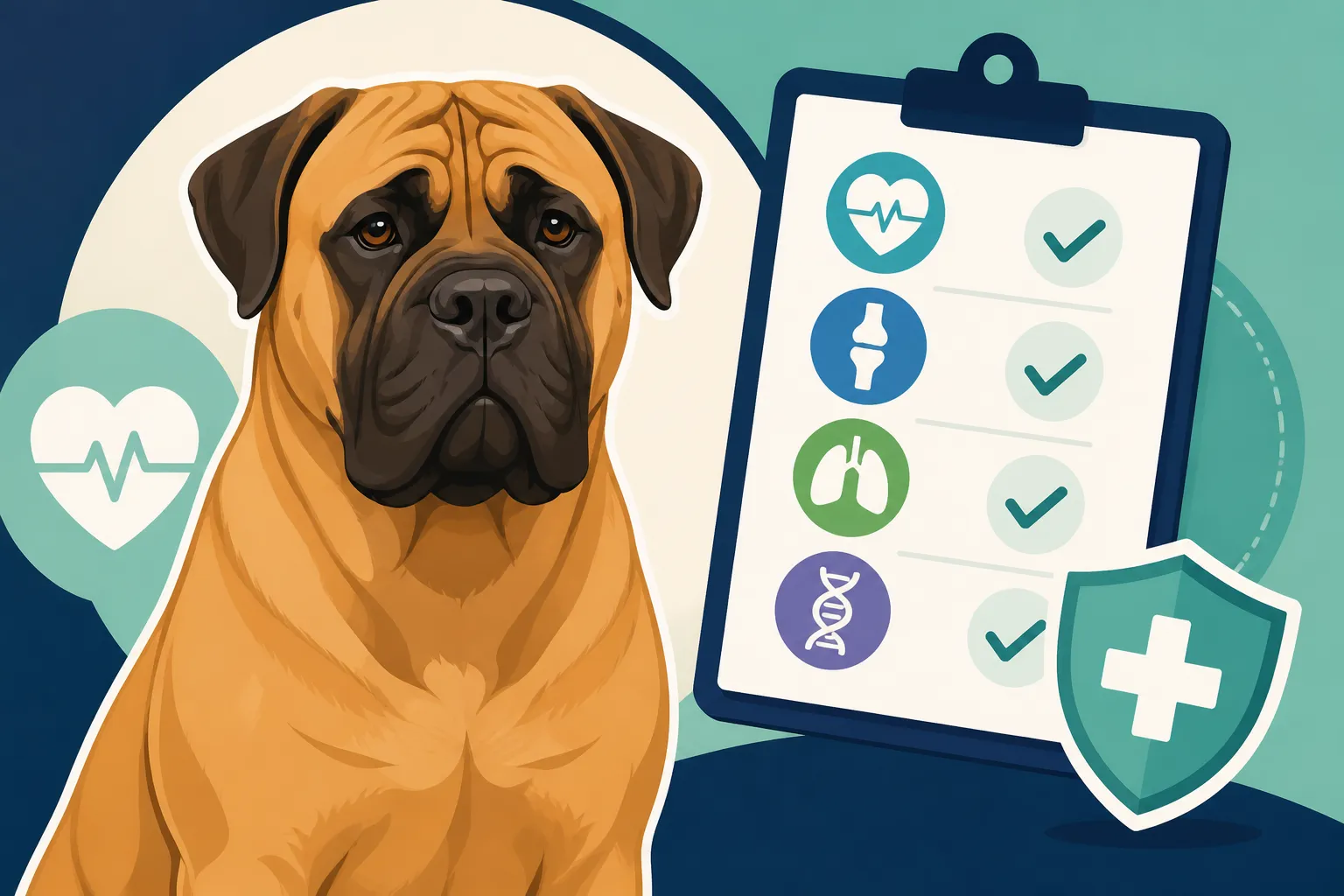
When you're looking at Bullmastiff puppies, the health of the parents is paramount. These aren't just suggestions; they are the absolute baseline for responsible breeding in a giant breed like the Bullmastiff. If a breeder isn't doing these, it’s a major red flag, plain and simple.
Hip and Elbow Dysplasia Clearances
Hip and elbow dysplasia are heartbreaking conditions that can severely impact a giant breed dog's quality of life. Imagine a majestic Bullmastiff, barely out of puppyhood, struggling to rise or limping after a short walk. This isn't just about pain; it's about extensive veterinary care, potential surgeries, and a drastically reduced quality of life that no owner wants for their beloved companion. These conditions are typically inherited, meaning healthy parents significantly reduce the risk for their puppies.
A reputable breeder will have both the sire (father) and dam (mother) of the litter screened for these orthopedic issues. This isn't a simple vet check; it requires specific X-rays that are then submitted to an independent organization like the Orthopedic Foundation for Animals (OFA) or evaluated via PennHIP. The OFA provides ratings like "Excellent," "Good," or "Fair" for hips, and "Normal" for elbows. Seeing these certifications for both parents is absolutely critical. You should be able to verify these results publicly on the OFA website using the dog's registered name or OFA number. Don't just take their word for it, or accept a vague "vet checked." You need to see the official documentation. For a deeper dive, read more about Hips and Elbows Under a Hundred and Thirty Pound Bullmastiff.
Understanding the severity of these issues makes these screenings non-negotiable. How Common Hip Dysplasia Is in Bullmastiffs highlights just how prevalent these issues can be without proper breeding practices. Even with good clearances, a giant breed needs careful management, especially during puppyhood, to support proper joint development. You'll want to ensure your Bullmastiff is on a high-quality large breed diet, easily found on sites like Chewy, to support their slow growth and joint development.
Cardiac Health Screening for Subaortic Stenosis (SAS)
Another critical health concern for Bullmastiffs is Subaortic Stenosis (SAS), a congenital heart defect that causes a narrowing of the outflow tract from the left ventricle of the heart. This condition can range from mild to severe, but even mild cases can predispose dogs to sudden cardiac death, especially under stress or during exercise. Finding this out later in life, perhaps after your puppy collapses during play, is a devastating experience that can often be avoided with proper screening of the parents.
A simple stethoscope listen during a general vet check, while helpful for identifying murmurs, is not sufficient for clearing a Bullmastiff for SAS. What you need to see is an official echocardiogram performed by a board-certified veterinary cardiologist. This specialized ultrasound of the heart can accurately measure blood flow and identify any narrowing characteristic of SAS. These results should then be submitted to the OFA for public registry. If a breeder tells you their vet "listened and said the heart was fine," that's simply not enough for this breed. This screening needs to happen before breeding to ensure the parents are clear. You can find more comprehensive information about Subaortic Stenosis Is There Before a Bullmastiff's First Birthday and What Subaortic Stenosis Does to a Bullmastiff.
The cost of these specialized cardiac exams can be significant, but a responsible breeder understands it’s part of the commitment to the breed. Don't be shy about asking about What a Bullmastiff's Cardiac Screening Costs because it signals a breeder who invests in the health of their lines. Without this specific, verifiable cardiac screening, you are taking a huge gamble on your future companion's life and health. It’s an investment in peace of mind and the well-being of the puppies.
Beyond the Basics: Important Supplementary Health Clearances
While hips, elbows, and cardiac health are at the top of the list, there are other important health considerations for Bullmastiffs that responsible breeders will also address through screening. These might not be as universally severe as SAS or dysplasia, but they certainly contribute to a healthy, happy life for your dog and fewer surprises for you.
Thyroid Function Testing
Hypothyroidism, or an underactive thyroid gland, is a condition that can affect Bullmastiffs. While not immediately life-threatening, it can significantly impact a dog's metabolism and overall well-being. Common symptoms include unexplained weight gain, lethargy, poor coat quality, skin issues, and even changes in temperament like increased anxiety or aggression. It's often a hidden culprit behind a dog just "not being themselves."
Responsible breeders will have their breeding dogs undergo regular thyroid testing, often an OFA Thyroid panel, to ensure their thyroid function is within normal limits. This test checks various thyroid hormones and antibodies, providing a comprehensive picture of the dog's thyroid health. While treatable with daily medication, it's something you'd prefer to know about in the parents to assess genetic predisposition. Being aware of Hypothyroidism in a Bullmastiff and Signs a Bullmastiff's Thyroid Has Failed can help you recognize symptoms in your own dog later, but pre-screening parents shows a commitment to healthier lines.
A dog with hypothyroidism will require lifelong medication, which is another ongoing cost to consider. Knowing a breeder screens for this helps assure you they are trying to produce the healthiest puppies possible, reducing the likelihood you'll face this particular challenge down the road. For ongoing joint support, especially for large breeds, ordering quality joint supplements through a reliable retailer like Chewy can be a smart move, often alongside any thyroid medication.
Eye Examinations for Entropion and Other Issues
Bullmastiffs, with their distinctive head and sometimes loose skin, can be prone to certain eye conditions, most notably entropion. Entropion is a condition where the eyelid rolls inward, causing the eyelashes and fur to rub against the cornea. This is incredibly uncomfortable and painful for the dog, leading to chronic irritation, corneal ulcers, and potentially vision impairment if left untreated. Surgical correction is usually required, adding another layer of expense and recovery time.
A diligent breeder will have their breeding stock examined by a board-certified veterinary ophthalmologist. These specialists perform a thorough eye exam to detect not only entropion but also other inherited eye conditions. The results are often registered with the OFA Eye Certification Registry (formerly CERF), indicating the dog is free of observable inherited eye disease at the time of the exam. This is usually done annually, as some conditions can develop over time. Learning about Entropion in a Bullmastiff gives you insight into why this screening is vital.
It’s about preventing unnecessary suffering for the dog and unexpected veterinary bills for the owner. A puppy from parents with clear eye certifications is less likely to develop these painful conditions, though no guarantee is absolute. This commitment to screening demonstrates a breeder's dedication to the overall health and comfort of their dogs.
Understanding Pedigree and Longevity Data
When dealing with a breed like the Bullmastiff, which unfortunately has a shorter average lifespan and a predisposition to certain cancers, health clearances go beyond just individual parent testing. A truly ethical breeder will be transparent about the health and longevity of the entire lineage.
The Importance of Longevity in Pedigrees
While specific genetic tests are available for some diseases in certain breeds, many complex health issues, including some cancers, are polygenic, meaning they are influenced by multiple genes and environmental factors. For these, simply testing the parents isn't always enough. This is where pedigree research and transparency about longevity become incredibly valuable. You want to see that the dogs in the pedigree, particularly the close relatives of your potential puppy, lived to a reasonable age for the breed and were free from major inherited health issues.
A breeder who knows their lines intimately can discuss the average lifespans of their dogs' ancestors and siblings. They should be able to tell you about the health challenges faced by these relatives, providing context that goes beyond just the immediate parents. While it's impossible to guarantee a dog won't get sick, understanding the general health trends within a pedigree can offer valuable insight. Remember, The Median Bullmastiff Lives Eight and a Half Years, so breeders who have dogs living to 9, 10, or even 11+ years in their lines are a fantastic sign.
This kind of historical knowledge indicates a long-term commitment to breeding healthier dogs, not just a quick buck. It's about recognizing patterns and making informed decisions across generations. To support optimal health and a lean body condition, some owners opt for fresh food diets from services like Ollie, which can be beneficial in managing weight and overall well-being, potentially contributing to longer, healthier lives.
Asking About Cancer History in the Lines
Cancer, particularly lymphoma, is a significant concern in Bullmastiffs. It's a devastating diagnosis that many owners face, often too soon in their dog's life. While there isn't a simple genetic test for lymphoma to "clear" breeding dogs, a responsible breeder will be incredibly open and honest about the incidence of cancer in their lines. This includes being able to discuss what types of cancer, at what ages, affected the parents' siblings, grandparents, aunts, and uncles.
This isn't about blaming a breeder for cancer occurring; it's about transparency and their efforts to breed away from known issues. A good breeder will meticulously track this information, even if it's painful to discuss. They might be able to share how often Lymphoma Kills More Bullmastiffs Than Anything Else in their extended family, or provide context for Why a Bullmastiff's Lymphoma Risk Is Five Times a Mixed Breed's in general. The question isn't whether cancer has ever appeared in their lines, but how they manage it, what they know, and what they're doing to mitigate future risks.
Ultimately, Whether Bullmastiff Breeders Track Cancer in Pedigrees is a huge indicator of their dedication. They should be able to speak candidly about specific individuals and how they died. This level of honesty builds trust and helps you make a more informed decision, understanding the genetic landscape of your potential puppy. Even with the best screenings and pedigree knowledge, life happens, and having robust pet insurance like Healthy Paws can provide a crucial safety net for unexpected health challenges like cancer treatments.
Practical Steps for Verifying Health Results
It’s one thing for a breeder to say their dogs are healthy, and another entirely to prove it. Knowing how to interpret and verify the health documentation is just as important as knowing what to ask for. Don't be afraid to be thorough; you're making a long-term commitment to a living creature.
How to Interpret and Verify OFA/CHIC Numbers
The Orthopedic Foundation for Animals (OFA) is a publicly accessible database where breeders can register the health screening results of their dogs. When a breeder tells you their dog has "OFA Good hips" or "OFA Normal elbows," they should be able to provide you with the dog's registered name and/or OFA number. With this information, you can go to the OFA website (offa.org) and look up the dog yourself. This allows you to see the exact ratings, the dates the tests were performed, and that the results are indeed publicly registered. The Canine Health Information Center (CHIC) program, co-sponsored by the OFA and the AKC, offers a database of breed-specific health recommendations. A CHIC number indicates that a dog has had all the recommended health screenings for its breed, and that these results are publicly available. It doesn't mean the dog is "clear" of everything, but it confirms all recommended tests were done and recorded.
When reviewing results, pay attention to the dates. Are the certifications current? Are they for the correct dog (check the registered name)? For hip and elbow evaluations, dogs must be at least 24 months old for final certification. If you see "preliminary" results on an adult dog, that's a red flag. Preliminary results are often done on younger dogs, but final clearances are expected by two years of age. For cardiac exams for SAS, a board-certified cardiologist's echocardiogram should also be registered with OFA. These steps are crucial for ensuring the health claims are legitimate and not just empty promises.
Red Flags and What to Avoid
Navigating the world of breeders can be tricky, and unfortunately, not everyone has the dogs' best interests at heart. Knowing the red flags can save you a lot of heartache and expense down the road. The biggest red flag is a breeder who cannot, or will not, provide verifiable health clearances for both parents. If they offer vague answers like "the vet said they're healthy" or only show a single, unverified piece of paper, walk away. Similarly, beware of breeders who only screen one parent, claiming the other is "fine." Both parents contribute equally to the genetic makeup of the puppies.
Other warning signs include breeders who have many different breeds available, always have puppies on hand, or won't allow you to visit their facility and meet the parents in person. Transparency is key. A reputable breeder will be proud to show you their dogs and their health documentation. They will also ask you a lot of questions to ensure you're a good fit for one of their puppies, as they are invested in their dogs for life.
If a breeder seems more interested in selling you a puppy quickly than in educating you about the breed's health or answering your detailed questions, that's a serious concern. Remember, a cheap puppy often comes with exorbitant future vet bills. Investing in a puppy from health-tested parents is a much wiser long-term financial and emotional decision.
Here's a quick comparison to help you evaluate:
| Feature | Reputable Breeder | Questionable Breeder |
|---|---|---|
| Orthopedic Clearances | OFA (Hips/Elbows) "Good," "Excellent," "Normal" on both parents, verifiable online. | "Vet checked," no official papers, or only one parent screened. |
| Cardiac Clearances | Echocardiogram by board-certified cardiologist, OFA registered. | "Vet listened and said heart was fine," no specialized tests. |
| Thyroid Testing | OFA Thyroid panel results available. | No thyroid testing performed. |
| Eye Examinations | Annual exams by board-certified veterinary ophthalmologist, OFA Eye (or CERF) registered. | No specialized eye exams, or claims eyes "look fine." |
| Pedigree Health History | Open about cancer/longevity in lines, can discuss specific relatives. | Vague or defensive about health history, no detailed records. |
| Transparency | Welcomes questions, provides documentation, encourages visits, asks you questions. | Rushes conversations, avoids specific questions, won't allow visits, only wants money. |
Disclaimer
This article is for general informational purposes only and does not constitute professional advice. Laws, prices and regulations vary by location and change over time. Consult a qualified professional for guidance on your specific situation.