How Careful a Bullmastiff Is Around Children
It’s a totally natural concern for any family considering a Bullmastiff: how careful will this massive, powerful dog be around small, fragile children? The sheer size of a Bullmastiff can be intimidating, and while their reputation is often one of a gentle giant, it’s crucial to understand the nuances of their temperament and how to ensure a safe, harmonious household for everyone. This guide will walk you through what to expect, how to manage the risks, and what you can do to foster a wonderful relationship between your Bullmastiff and the children in their life.
Understanding the Bullmastiff's Temperament with Children
When you bring a Bullmastiff into a family with children, you're not just getting a dog; you're inviting a substantial, living presence into your home. The good news is, for generations, Bullmastiffs have often been lauded for their patient and protective nature, making them a popular choice for families. However, this doesn't mean you can just throw them together and hope for the best. Understanding their inherent traits is key.
The Gentle Giant Stereotype: Is It True?
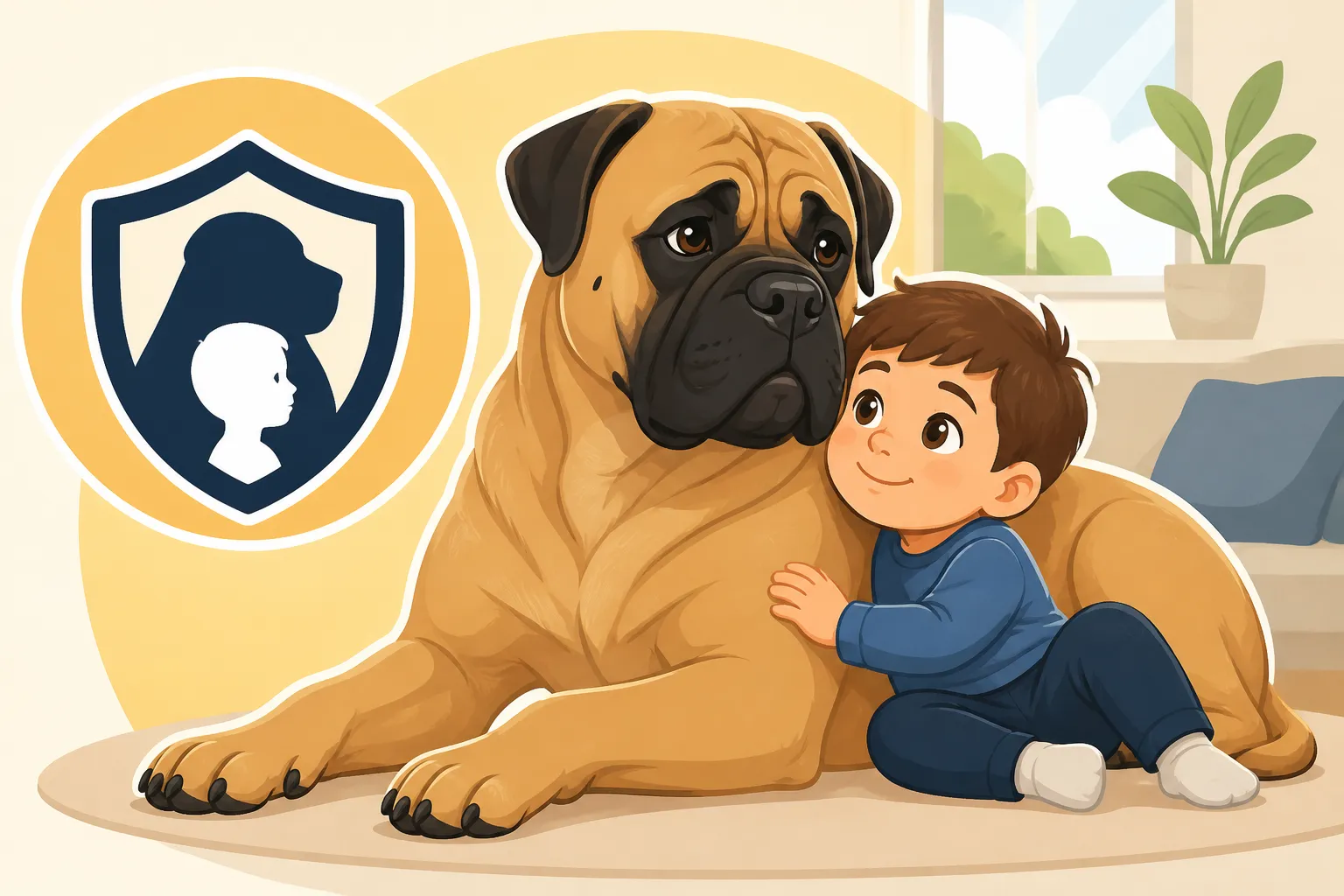
The phrase "gentle giant" gets thrown around a lot when discussing large breeds, and for Bullmastiffs, there's a lot of truth to it. They were originally bred to guard gamekeepers from poachers, and their job was to silently track, apprehend, and hold a person down, not to attack or maul. This history fostered a strong protective instinct coupled with an innate desire to control, rather than harm. This deep-seated trait often translates into a remarkable patience and tolerance with their own family members, including children. They tend to be very devoted to their "pack" and will often display a calm, watchful demeanor.
However, "gentle" does not equate to "fragile." This is a dog weighing well over a hundred pounds, with substantial bone and muscle. Their sheer bulk means that even an accidental bump or an enthusiastic wag of a tail can send a small child sprawling. They are often incredibly tolerant of the typical antics of children, like pulling an ear or climbing over them, but this tolerance shouldn't be tested. Their patience, while vast, isn't endless, and any dog can react poorly if pushed too far, especially if they are in pain, startled, or feeling trapped. It's really about respecting their size and their boundaries, even if they seem to have very few.
Instinctive Protection and Calmness
Bullmastiffs possess a natural protective instinct that is usually very well-calibrated. They are typically aloof with strangers but deeply affectionate with their family. This means they are likely to view children in their household as their own, worthy of their quiet, watchful guardianship. They often lie near children, observing them, or will gently nudge them away from perceived danger. This isn't usually an aggressive guarding; it’s more of a calm, supervisory presence. You might notice them placing themselves between your child and a new visitor, or blocking their path if they wander too close to a street. This kind of behavior is a hallmark of the breed and shows their deep bond.
Their calm demeanor is also a huge asset. Unlike some high-energy breeds that might constantly demand attention or be prone to boisterous play that could overwhelm a child, Bullmastiffs are generally pretty low-key indoors. They're often content to snooze on their orthopedic bed or follow you from room to room, settling near you and the kids. This quiet presence means they're less likely to instigate chaotic play that could lead to accidental injury. They might not be the kind of dog to play endless games of fetch, but they excel at being a steadfast, loving companion who provides a reassuring anchor in the home.
Managing the Bullmastiff's Size Around Little Ones
Even the most well-behaved Bullmastiff can accidentally injure a child due to their immense size and strength. A Bullmastiff can easily outweigh a small adult, let alone a toddler. This isn't about aggression; it's simply physics. Therefore, managing their physical presence is just as important as understanding their temperament. Whether a Bullmastiff Knocks Over Toddlers is a very real concern.
Accidental Bumps and Overenthusiastic Greetings
Imagine a 120-pound dog, excited to see you after a long day, comes bounding down the hallway. Now imagine a two-year-old standing in that hallway. Even if the dog's intentions are pure joy, the outcome could be a knocked-over child, potentially with a nasty bump or worse. Bullmastiffs are big, they move with power, and sometimes they forget their own strength, especially when they're young and still maturing, which can take up to three years. A Bullmastiff Is Not Grown Up Until Three. They might jump up in greeting, lean against legs, or just barrel through a space.
Teaching your Bullmastiff good manners from a very young age is non-negotiable. This means no jumping, no leaning forcefully, and walking politely on a leash. While they are usually quiet and reserved, a sudden burst of energy, perhaps from seeing a squirrel out the window or hearing the doorbell, could still lead to an accidental collision. Constant vigilance is key, especially when children are in their "wobbling" or "running without looking" stages. Think of it less as preventing bad behavior and more as managing the natural exuberance and sheer mass of a large animal in a small human's space.
Supervision and Safe Zones
The golden rule with Bullmastiffs and children is always, always supervise their interactions. Never leave a Bullmastiff and a child alone, even for "just a minute." This isn't a reflection on the dog's character, but a recognition of the unpredictable nature of both dogs and children. Children, especially very young ones, don't understand canine body language and can accidentally provoke a dog through innocent actions like pulling fur, poking eyes, or trying to take a toy or food. Conversely, a tired or grumpy dog might snap or growl, and even if it's a warning, it's a situation you want to avoid entirely.
Creating safe zones is also crucial. This could mean using baby gates to separate areas, having a crate that is truly your Bullmastiff's sanctuary, or teaching children that certain areas (like where the dog eats or sleeps) are off-limits. Your Bullmastiff needs a place where they can retreat and relax without being bothered. This respects their need for peace and prevents potential conflict. Even a sleeping Bullmastiff should be left undisturbed; a sudden wake-up can startle any dog, and a big one can react with a jolt that could be dangerous if a child is nearby. Think about giving your Bullmastiff a comfy spot, perhaps an extra-large memory foam bed found on Amazon, where they can escape the hustle and bustle of family life.
Essential Training and Socialization for a Family Bullmastiff
A Bullmastiff's natural calm and protective instincts are a fantastic foundation, but they are not a substitute for consistent training and socialization. A well-trained Bullmastiff is a safer, more enjoyable companion for everyone, especially in a home with children. Training a Bullmastiff That Weighs More Than You Do is paramount from day one.
Obedience Training from Puppyhood
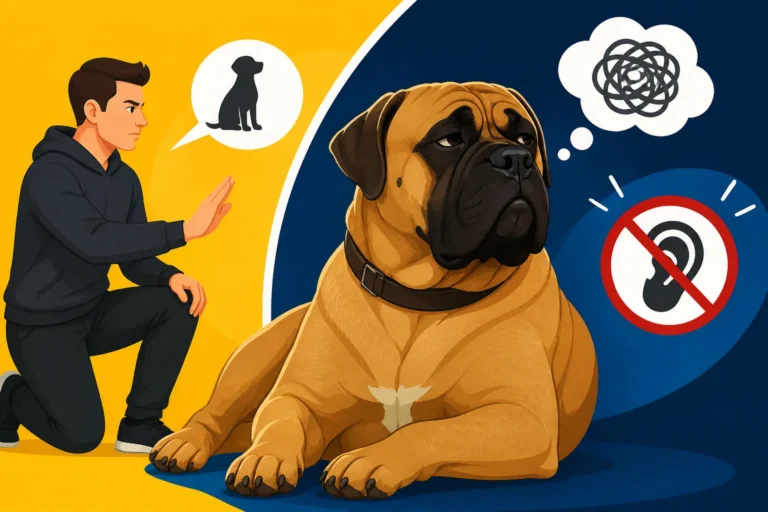
Start obedience training the moment your Bullmastiff puppy comes home. They grow incredibly fast, and what's a cute nip or jump from a 20-pound puppy becomes a serious problem with a 120-pound adult. Focus on basic commands like "sit," "stay," "down," and "off." Crucially, teach them not to jump up on people, especially children. Practice these commands consistently and in various environments, always using positive reinforcement. Bullmastiffs are intelligent but can be a bit stubborn, often pausing to consider if your command is truly worth their effort. Patience and consistency are your best friends here.
Leash manners are also vital. A Bullmastiff pulling on a leash is not only uncomfortable but potentially dangerous if you're holding a child's hand or if the leash is wrapped around a child. Early and consistent training with a proper harness can make walks much more manageable. Commands like "leave it" are also incredibly important, especially if a child drops food or a toy that the Bullmastiff might try to snatch. The more control you have over your Bullmastiff's behavior, the safer and more relaxed everyone will be.
Early and Ongoing Socialization
Socialization is about exposing your Bullmastiff to a wide variety of sights, sounds, people, and experiences in a positive way, starting when they are a puppy. This helps them grow into a confident, well-adjusted adult who isn't easily spooked or reactive. This includes gentle introductions to children of all ages, under strict supervision. Let children give treats (if age-appropriate and supervised), allow them to gently pet the dog, and teach them how to interact respectfully. A great resource for new puppy owners, which often covers socialization, can be found through programs like BAXTER & Bella, offering online courses and support that can be invaluable.
As your Bullmastiff matures, continue their socialization. This isn't a one-and-done deal. Regular outings to dog-friendly places, meeting new people, and controlled interactions with other calm, vaccinated dogs will reinforce good behavior. A well-socialized Bullmastiff is less likely to be fearful or anxious, which in turn reduces the risk of any fear-based reactions around children or strangers. The goal is a dog that is calm and comfortable in various situations, rather than one that feels overwhelmed or threatened.
Creating a Safe Environment for Bullmastiff and Children
Beyond training and supervision, setting up your home environment to support safe interactions is essential. This involves teaching both your dog and your children how to behave around each other.
Teaching Children How to Interact Respectfully
This is just as important as training your dog. Children need to learn that a dog is not a toy. Teach them to:
- Be Gentle: No pulling tails, ears, or fur. No climbing on a resting dog.
- Respect Boundaries: Leave the dog alone when it's eating, sleeping, or in its crate/safe space.
- Ask Permission: Always ask an adult before approaching or petting the dog.
- Approach Calmly: No running, screaming, or sudden movements around the dog.
- Recognize Dog Signals: Teach older children basic dog body language—a stiff body, growl, or whale eye means "leave me alone."
Consider enrolling in a dog bite prevention program for kids, or simply use everyday interactions as teaching moments. Consistent reinforcement from you, the parent, is key. If a child is too young to understand these rules, then the responsibility falls entirely on the adults to manage all interactions. How a Bullmastiff Handles a Toddler requires constant adult vigilance.
Routines, Exercise, and Mental Stimulation
A well-exercised and mentally stimulated Bullmastiff is a happy and calm Bullmastiff. While they don't need hours of intense running, they do benefit from a good daily walk, playtime in the yard, and some mental challenges. A bored Bullmastiff is more likely to engage in undesirable behaviors, like chewing furniture or pestering children for attention. Provide plenty of appropriate chew toys to redirect any chewing instincts. Puzzle toys can also provide mental stimulation and keep them engaged.
Establishing a consistent routine for feeding, walks, and playtime can also reduce anxiety and make your Bullmastiff more predictable. A predictable dog is a safer dog. Ensure they get enough rest in their designated safe space. Remember that even though they are big, Bullmastiffs are not endurance athletes. Short, consistent bursts of activity are usually better than one long, strenuous session. How Much Exercise a Bullmastiff Needs is often less than people assume, but it's still crucial for their well-being.
Preparing for a New Baby
If you have a Bullmastiff and are expecting a baby, start preparations early. Gradually introduce new baby scents (lotions, powders) into the home. Set up baby gear, like cribs and swings, so your dog can get used to seeing them. Practice commands that will be essential once the baby arrives, such as "go to your bed" or "stay." When the baby arrives, bring a blanket or item of clothing with the baby's scent home first for your Bullmastiff to sniff. When you finally introduce them, do so calmly and supervised, allowing the dog to sniff the baby while on a leash and in a controlled environment. The goal is to associate the baby with positive, calm experiences.
Remember, a Bullmastiff can be a truly wonderful family companion, offering unparalleled loyalty and a watchful presence. But their size and inherent instincts mean that owners must be proactive, consistent, and always vigilant. With careful management, dedicated training, and respect for their nature, your Bullmastiff can indeed be a very careful, loving, and safe presence around your children.
Disclaimer
This article is for general informational purposes only and does not constitute professional advice. Laws, prices and regulations vary by location and change over time. Consult a qualified professional for guidance on your specific situation.