Whether Early Neutering Affects a Bullmastiff’s Cancer Risk
Early neutering effects on Bullmastiff cancer risk, slow physical maturity phases up to age three, and long-term joint health outcomes.
Know what to watch for.
Breed-specific conditions, screening and DNA tests, what surgery actually costs, and the daily habits that stretch a healthy lifespan.
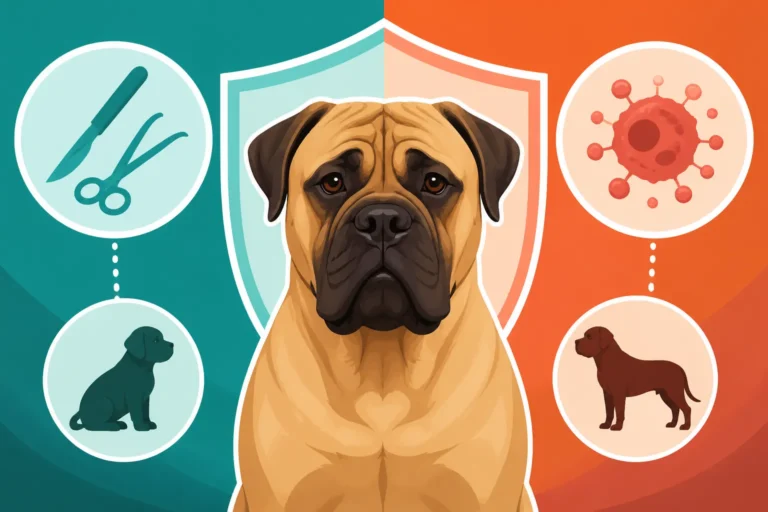
Early neutering effects on Bullmastiff cancer risk, slow physical maturity phases up to age three, and long-term joint health outcomes.

Bullmastiff cancer risk and diet connections explain how nutrition impacts lymphoma rates, mast cell tumors, and immune system health.

Bullmastiff longevity lineages and their real impact on canine lifespan, median eight-year expectancy, and hereditary diseases.

Bullmastiff pedigree cancer tracking reveals disease patterns and helps breeders mitigate high lymphoma risks to promote healthier dogs.
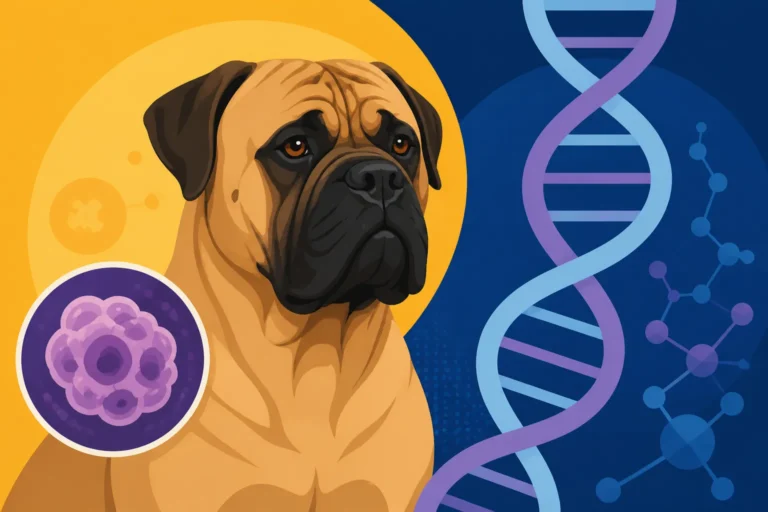
Scientific research into Bullmastiff lymphoma genes explains why purebred dogs face a five times higher risk than mixed breeds.

Bullmastiff lymphoma genetic testing status, complex polygenic cancer risks, and breeding history explanations for owners.
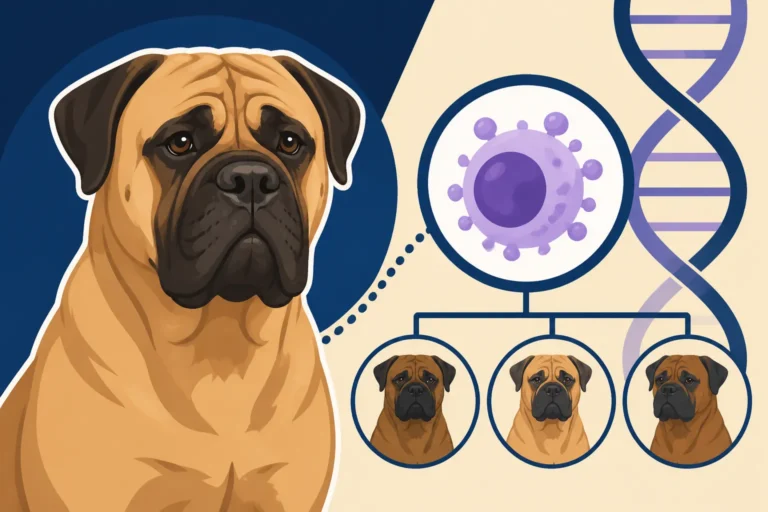
Lymphoma inheritance in Bullmastiffs and pedigree evidence showing why this aggressive cancer kills more dogs in this breed than anything else.

Recognizing declining quality of life helps Bullmastiff owners consult veterinarians and decide when to stop active medical treatments.
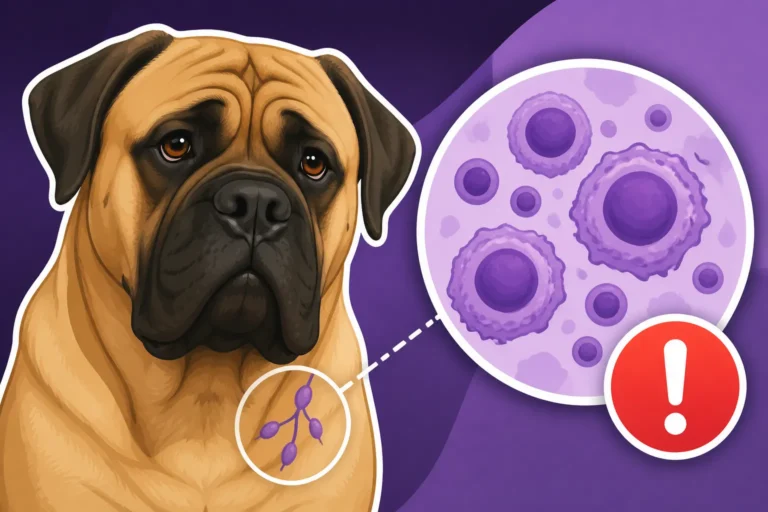
Bullmastiff lymphoma relapse signs, ranging from swollen lymph nodes to subtle behavioral shifts, help owners identify cancer recurrence.

Prednisone treatment for a Bullmastiff explains how this corticosteroid manages inflammation and cancer symptoms, detailing its specific limitations.